
TL;DR

Turn the school run and nap time into listening time
- Thousands of audiobooks, podcasts and originals
- Listen on your phone, tablet or Echo — also offline
- Cancel anytime
Children in a low-income neighborhood have helped grow over 30,000 pounds of fresh produce through a community-led farming initiative. This effort aims to address food insecurity and promote healthy eating.
Children in a designated food desert have contributed to the cultivation of more than 30,000 pounds of fresh produce through a community-led farming program. This initiative, involving local schools and volunteers, aims to combat food insecurity and improve access to healthy foods in the area.
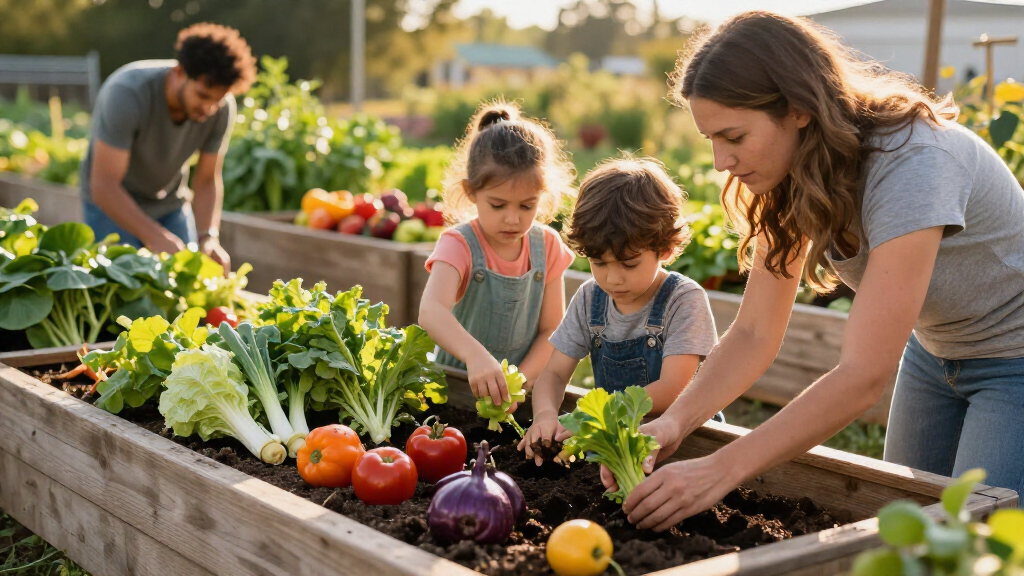
The project, launched last year, involves children and community members working together in a shared garden space to grow vegetables and fruits. According to organizers, over hundreds of children have participated in planting, tending, and harvesting crops, which include tomatoes, peppers, greens, and berries.
Local officials and project coordinators say the initiative has successfully produced more than 30,000 pounds of food so far, much of which is distributed to local food banks and community centers. The project was supported by grants from nonprofits focused on food equity and youth development, as well as donations of seeds, tools, and land access.
Participants report gaining skills in gardening, teamwork, and nutrition, with many expressing pride in contributing to their community’s food supply. The program also aims to foster environmental awareness and healthy habits among youth.
Community Impact of Youth-Driven Food Production
This initiative demonstrates how involving children in food production can directly address food insecurity in underserved areas. Producing over 30,000 pounds of fresh produce locally not only improves access to healthy foods but also promotes community resilience and youth empowerment. The project serves as a model for similar efforts in other food deserts nationwide, highlighting the importance of youth engagement in sustainable food systems.
As an affiliate, we earn on qualifying purchases.
Addressing Food Deserts Through Community Farming
Food deserts are areas where residents lack reliable access to affordable, nutritious food. Many low-income neighborhoods rely on convenience stores and fast-food outlets, which limits healthy options. Community-led urban farming projects have emerged as a strategy to mitigate these issues, involving local residents—especially youth—in growing fresh produce.
This project builds on previous efforts to promote food sovereignty and community health, with similar initiatives reported in other urban areas. The focus on children aims to instill lifelong healthy habits and foster local food systems.
“Before this project, I had to drive miles just to find fresh vegetables. Now, my kids help harvest what we need, and it’s made a real difference.”
— Local resident Maria Lopez
As an affiliate, we earn on qualifying purchases.
Unanswered Questions About Long-Term Sustainability
It is not yet clear how sustainable the project is beyond the current harvest season or how it will be scaled up. Details about ongoing funding, long-term maintenance, and the continued involvement of children remain to be confirmed. Additionally, the exact impact on local food insecurity levels has not been formally measured or reported.
starter vegetable garden kit for kids
As an affiliate, we earn on qualifying purchases.
As an affiliate, we earn on qualifying purchases.
Next Steps for Expanding Community Food Projects
Organizers plan to evaluate the project’s impact over the coming months, including assessments of food security improvements and youth engagement. They aim to expand the program to include more schools and community groups, seeking additional funding and partnerships to sustain and grow the initiative. Further, they expect to document best practices for replication in other food deserts.
As an affiliate, we earn on qualifying purchases.
Key Questions
How are children involved in the farming project?
Children participate in planting, watering, weeding, and harvesting crops, gaining hands-on experience in gardening and nutrition education.
Where does the produce go after harvest?
The majority of the produce is distributed to local food banks and community centers to help residents facing food insecurity.
Is this project funded by the government?
The project is primarily supported by grants from nonprofits, community donations, and local government partnerships.
Can similar programs be started in other areas?
Yes, community-led urban farming initiatives can be replicated elsewhere, especially in food deserts, with appropriate funding and local support.
Source: rss
Cold & flu season Picks
humidifiers
As an affiliate, we earn on qualifying purchases.