
TL;DR

Turn the school run and nap time into listening time
- Thousands of audiobooks, podcasts and originals
- Listen on your phone, tablet or Echo — also offline
- Cancel anytime
Formula makers dispense warm bottles quickly but require more maintenance. Pitchers let you batch prepare and clean easily but need careful measuring. Your choice depends on convenience versus simplicity.
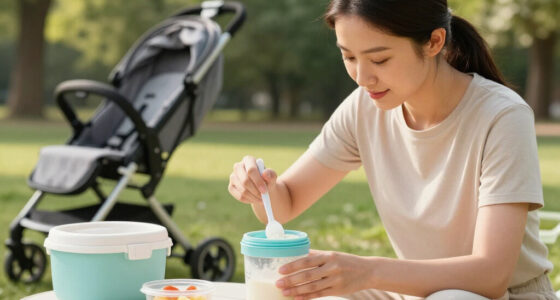
Every parent knows the chaos of feeding time. The rush to get a bottle ready, the temperature battles, the cleanup routine—these are routines that can make or break your day. Whether you’re rushing during a midnight feed or trying to streamline morning prep, the choice between a formula maker and a pitcher method impacts speed, cleanliness, and consistency.
In this guide, you’ll learn the real differences—no fluff, just practical facts. We’ll compare how fast each method gets you a bottle, how much effort each takes to keep clean, and how reliably they measure your formula. This isn’t about gimmicks; it’s about giving you the confidence to choose what fits your family best.
A formula maker offers quick, warm bottles at a higher cost and more routine cleaning.
Batch pitcher prep is inexpensive, simple, and keeps formula consistent when measured carefully.
Both methods can be accurate if used properly—calibration for machines, precise measuring for pitchers.
Safety depends on hygiene, correct ratios, and prompt refrigeration regardless of prep method.
Choose the method that fits your routine, space, and comfort with maintenance for safer, easier feeding.
Formula Maker vs Pitcher Method
Speed, cleanup and consistency shape the daily feeding routine. One method delivers warm bottles on demand; the other turns preparation into one simple batch. The best fit depends on whether your household values instant convenience or low-maintenance control.
Fast now or efficient all day?
A formula maker minimizes work at each feeding. A pitcher consolidates measuring, mixing and cleanup into one session. Published machine speed claims may not include refilling, drying, descaling or troubleshooting.
Wins the individual feed
Press a control and dispense a selected volume at a chosen temperature. This is especially useful when every minute matters during an overnight feed.
Wins the daily workflow
Mix several bottles at once, refrigerate promptly, then pour each serving as needed. Warming adds time only when the baby prefers warm formula.
Illustrative workflow scores compare relative convenience, not laboratory performance. Formula does not medically need to be warmed unless a clinician directs otherwise.
Fewer parts make simpler habits.
Bottles and nipples require cleaning either way. The meaningful difference is the preparation equipment: a pitcher is usually one compact assembly, while a machine adds powder-contact and water-system components.
Formula maker
Powder and moisture can collect around dispensing points. Residue may cause buildup, clumping, inaccurate output or microbial growth if the required routine slips.
Formula pitcher
Most designs contain a vessel, lid, handle and mixing insert. Many are dishwasher-safe, making the full cleaning routine easy to see and complete.
The practical tradeoffs
Neither option wins every category. The machine favors on-demand service; the pitcher favors portability, affordability and predictable cleanup.
| Factor | Automatic formula maker | Formula pitcher |
|---|---|---|
| Initial preparation | ✓Individual bottle in seconds | ~Several minutes per batch |
| Overnight convenience | ✓Very high; warm on demand | ✓High when already refrigerated |
| Consistency | ~Depends on setup and maintenance | ~Depends on accurate measurement |
| Routine cleaning | ✗Multiple contact areas | ✓Few, visible components |
| Counter space | ✗Moderate to substantial | ✓Minimal |
| Portability | ✗Limited; usually needs power | ✓Easy to transport |
| Upfront cost | ✗Relatively expensive | ✓Inexpensive |
| Best fit | ✓Frequent individual bottles | ✓Batch prep and simplicity |
Repeatable only when verified
- Match the exact brand, product and powder setting.
- Install every part correctly and keep it clean and dry.
- Load powder and water exactly as instructed.
- Check for clogs, buildup and output drift.
- Verify dispensed water and powder periodically.
Consistent through careful control
- Read the formula label before every product change.
- Measure the required water volume accurately.
- Count level scoops without packing or overfilling.
- Mix thoroughly for uniform concentration.
- Refrigerate promptly and label preparation time.
One reliable bottle starts with five linked habits.
Safety does not come from the appliance or pitcher alone. It comes from a repeatable chain in which every step protects the next.
Read the label
Confirm the product-specific water-to-powder ratio and preparation directions.
Prepare equipment
Use clean, dry parts and wash hands before handling formula or feeding equipment.
Protect the ratio
Measure water first when the label directs, then add the exact amount of powder.
Chill promptly
Refrigerate prepared batches immediately and follow local storage guidance.
Use safely
Prepare only what will be used in time and discard leftovers as directed.
Do not improvise ratios. Formula products are not interchangeable because scoop size, powder density and required dilution can differ.
Choose the routine you can sustain.
The safer method is the one your household can measure, clean, verify and store correctly every time—even during a rushed midnight feed.
Instant warmth matters most.
You prepare frequent individual bottles, value speed at each feed, have sufficient counter space and are comfortable following a detailed maintenance schedule.
Simple batching fits your day.
You prefer one preparation session, predictable cleanup, minimal counter space and direct control over every scoop and water measurement.
Which gets you a bottle faster: machine or pitcher?
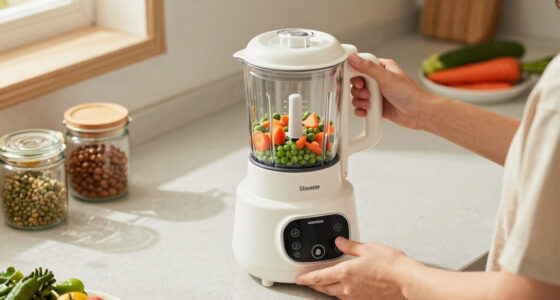
The formula maker often wins when measuring speed from start to finish. Once set up, many machines dispense a warm, ready-to-feed bottle in just seconds. Imagine pressing a button, and a perfectly warmed bottle appears—quick, simple, no fuss.
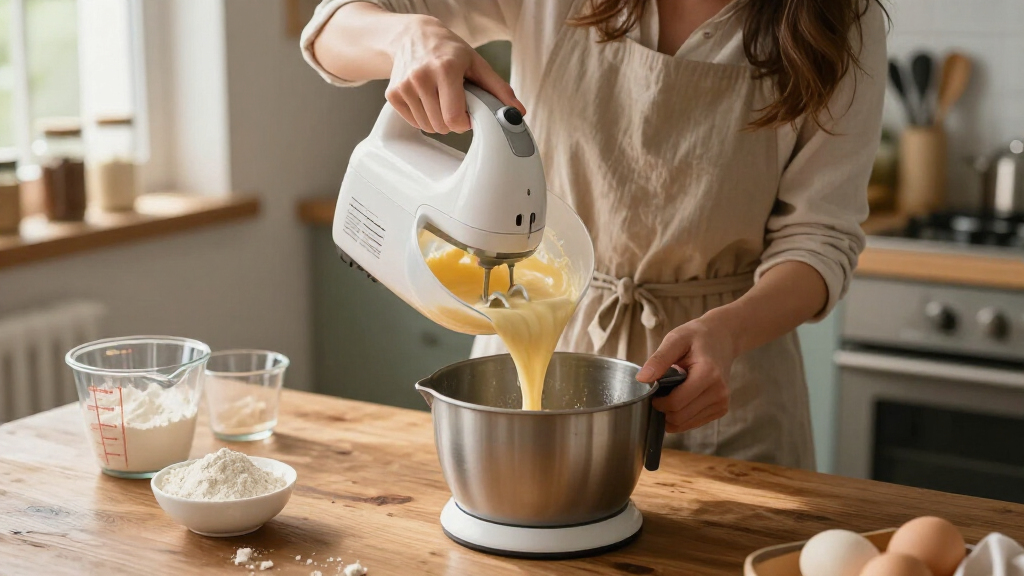
The pitcher method, however, shines when you prepare several bottles at once. Batch mixing takes a few minutes, then refrigerates. When a feed hits, you pour into a bottle—cold or warmed—saving time during busy days or night feeds.
For example, a typical formula maker can produce a warm bottle in 30 seconds. Meanwhile, batching in a pitcher might take 5 minutes to prepare a day’s worth, but then each feeding is just pouring and warming. During night feeds, a machine provides instant warmth—great for quick recovery. But during the day, batching can be faster overall, especially if you prep multiple bottles at once.
Understanding these time differences helps you plan your routine. If you need rapid access to warm bottles during night feeds, a machine’s speed is invaluable. Conversely, if you prefer to prepare multiple bottles ahead of time to reduce nighttime work, batching with a pitcher offers efficiency and peace of mind.
As an affiliate, we earn on qualifying purchases.
Cleanup: Which method is easier to keep spotless?
Cleaning routines have a direct impact on your daily stress and health safety. Pitchers are straightforward because they involve fewer parts—typically just a single vessel that can be dishwasher-safe. Rinsing and occasional descaling are usually enough, making it easier to maintain a hygienic setup without much hassle.
Formula makers are more complex, with multiple components—dispensing funnels, seals, water tanks—that may harbor residue or mold if not cleaned properly. Powder residue can clog nozzles, and neglected water tanks can become breeding grounds for bacteria. Proper cleaning routines, including regular disassembly and descaling, are essential to prevent these issues, which can compromise formula safety and machine longevity.
The main tradeoff is between simplicity and maintenance. Choosing a pitcher reduces cleaning time and effort but requires diligent manual cleaning to prevent buildup. A machine, while more demanding, offers convenience but demands consistent upkeep to ensure it functions correctly and safely. Your lifestyle, willingness to perform routine cleaning, and importance of hygiene will guide your choice here.
As an affiliate, we earn on qualifying purchases.
How consistent are the formulas? Accuracy matters.
Consistency in formula preparation is crucial because even slight variations can affect your baby’s digestion and comfort. Automatic formula makers excel at delivering uniform bottles when properly calibrated. They dispense precise amounts of water and powder based on internal measurements, which, if maintained, ensures each bottle has the same concentration. This consistency reduces the risk of over- or under-concentrating the formula, which can cause feeding issues or nutritional imbalance.
However, the accuracy of these machines hinges on correct setup, regular cleaning, and the use of compatible formulas. Misconfiguration, clogged nozzles, or formula changes can lead to inaccuracies, so ongoing maintenance and verification are essential. Calibration tests, like measuring dispensed water and powder, help ensure reliability over time.
The pitcher method, on the other hand, depends entirely on caregiver measurement precision. Using the correct scoop level, measuring water accurately, and following the label instructions are critical. Small errors—like overfilling the scoop or rushing—can introduce variability, but with careful attention, batch preparation can be highly consistent. This manual control allows you to adjust for different formulas and circumstances, providing flexibility but requiring diligence.
Understanding these nuances helps you weigh convenience against control. If you’re meticulous with measurements, pitchers can match the consistency of machines. Conversely, with proper calibration and maintenance, machines can reliably produce uniform bottles, easing the burden of manual measurement.
As an affiliate, we earn on qualifying purchases.
Frequently Asked Questions
Is an automatic formula maker safe?
It can be safe when used correctly—following all cleaning, calibration, and maintenance instructions. It doesn’t sterilize powder but can dispense precise amounts if properly maintained.Is the pitcher method approved for infant formula?
Yes, batch preparation with careful measuring and prompt refrigeration is generally accepted, provided you follow the manufacturer’s instructions and local health guidelines.Which method is more accurate?
Both can be accurate: machines need proper setup and cleaning, while pitchers depend on your measuring skills. Consistency depends on careful attention.Can I make a full day’s formula at once?
Yes, if refrigerated immediately and used within 24 hours, but only prepare what your baby will consume in that time to maintain safety.Should I measure water or powder first?
Most formulas recommend measuring water first, then scooping powder to ensure proper concentration. Always follow the label instructions.As an affiliate, we earn on qualifying purchases.
Conclusion
In the end, the best choice depends on your lifestyle and comfort. A formula maker can save seconds in a busy night but demands regular cleaning and a higher budget. The pitcher method offers simplicity, batch efficiency, and reliable accuracy with careful measurement.
Remember: no matter which method you pick, consistent hygiene, accurate measuring, and safe storage are what truly protect your baby’s health. Trust your routine, stay vigilant, and feeding becomes a little less stressful.
Fall Picks
fall essentials
As an affiliate, we earn on qualifying purchases.