
TL;DR

Turn the school run and nap time into listening time
- Thousands of audiobooks, podcasts and originals
- Listen on your phone, tablet or Echo — also offline
- Cancel anytime
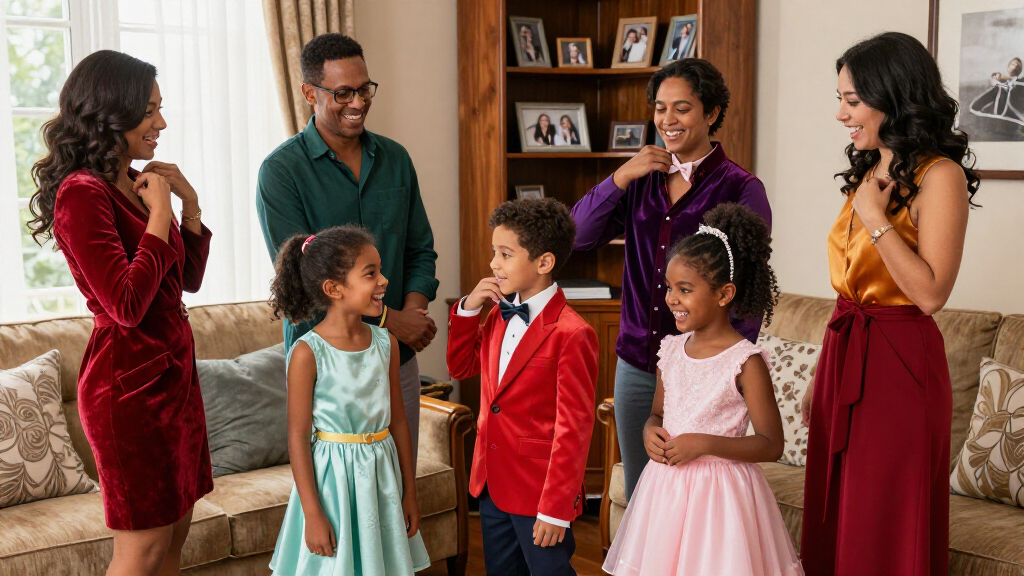
Search interest in dressing up for social occasions is rising, prompting a column from Miss Manners. She defends the tradition, emphasizing its social and personal significance, while addressing concerns about formality.
Search interest in dressing up for social occasions has surged, prompting a column from Miss Manners that defends the tradition and explores its social value. The column addresses concerns about formality and questions whether dressing up remains relevant today, emphasizing its role in social cohesion and personal expression.
The column, authored by Miss Manners, notes that recent spikes in online searches and media coverage reflect a renewed interest in dressing up for events such as parties, dinners, and cultural gatherings. She argues that dressing appropriately is not merely about appearances but also about respecting social norms and fostering a sense of community.
Miss Manners counters claims that dressing up is outdated or unnecessary in modern casual culture. She states that attire can serve as a form of self-expression and a way to elevate social interactions, helping participants feel valued and engaged. The column also addresses common concerns, such as the cost and effort involved, suggesting that dressing up can be adapted to different contexts without losing its significance.
The column emphasizes that dressing up is a longstanding social custom that continues to have relevance, especially in formal or ceremonial settings. It highlights that many people find joy and pride in presenting themselves well, which can positively influence social dynamics and personal confidence.
Why Dressing Up Still Matters in Modern Society
The renewed interest in dressing up underscores its enduring importance in social interactions. It helps maintain social cohesion by signaling respect and effort, fostering a sense of community and shared identity. For individuals, dressing well can boost confidence and personal pride, contributing to better social and professional outcomes. The column suggests that dismissing dressing up as outdated risks eroding these social bonds and personal benefits, especially as casualization continues to grow.
As an affiliate, we earn on qualifying purchases.
Historical and Cultural Roots of Dressing Up
The practice of dressing up for social occasions dates back centuries, rooted in cultural norms that emphasize respect, status, and formality. Over time, these customs have evolved but remain embedded in many traditions worldwide. In recent decades, casual dress codes have become more prevalent, leading some to question the relevance of formal attire. However, social events such as weddings, ceremonies, and official gatherings still often require or encourage dressing up, preserving its significance in many contexts.
The current spike in interest may be linked to a broader cultural reevaluation of social norms and a desire for more meaningful interactions. While the trigger for this renewed focus is unconfirmed, some speculate it reflects a pushback against over-casualization in daily life, as well as a desire to reconnect with traditional social customs.
As an affiliate, we earn on qualifying purchases.
Unconfirmed Factors Behind the Trend Spike
It is not yet clear what precisely triggered the recent surge in interest in dressing up. While media coverage and online search data suggest a trend, the underlying causes—such as shifts in social attitudes, specific events, or cultural movements—remain unconfirmed. Further research is needed to understand whether this is a temporary fluctuation or part of a longer-term change in social norms.
dressy accessories for social events
As an affiliate, we earn on qualifying purchases.
As an affiliate, we earn on qualifying purchases.
Experts anticipate that interest in dressing up may continue to grow, potentially influencing event dress codes and social expectations. Future discussions could focus on how to adapt traditional attire to modern contexts, making dressing up more accessible and inclusive. Monitoring social media and cultural commentary will help gauge whether this trend sustains or diminishes over time.
As an affiliate, we earn on qualifying purchases.
Key Questions
Why is there a renewed interest in dressing up now?
The specific reasons are unclear, but some suggest it may be a reaction to increasing casualization in daily life, with people seeking more meaningful social interactions and a sense of tradition.
Is dressing up still relevant in today’s casual culture?
Yes, according to Miss Manners, dressing up remains relevant, especially in formal or ceremonial settings, and can positively impact social cohesion and personal confidence.
What are common concerns about dressing up today?
Concerns include the cost, effort, and perceived outdatedness. However, the column argues that dressing appropriately can be flexible and adapted to different contexts without losing its social value.
Will this trend influence future social norms?
It is uncertain, but experts expect that interest in dressing up could lead to more inclusive and modernized dress codes, encouraging people to find new ways to express tradition and respect.
Source: rss
Fall Picks
fall essentials
As an affiliate, we earn on qualifying purchases.