
TL;DR

Turn the school run and nap time into listening time
- Thousands of audiobooks, podcasts and originals
- Listen on your phone, tablet or Echo — also offline
- Cancel anytime
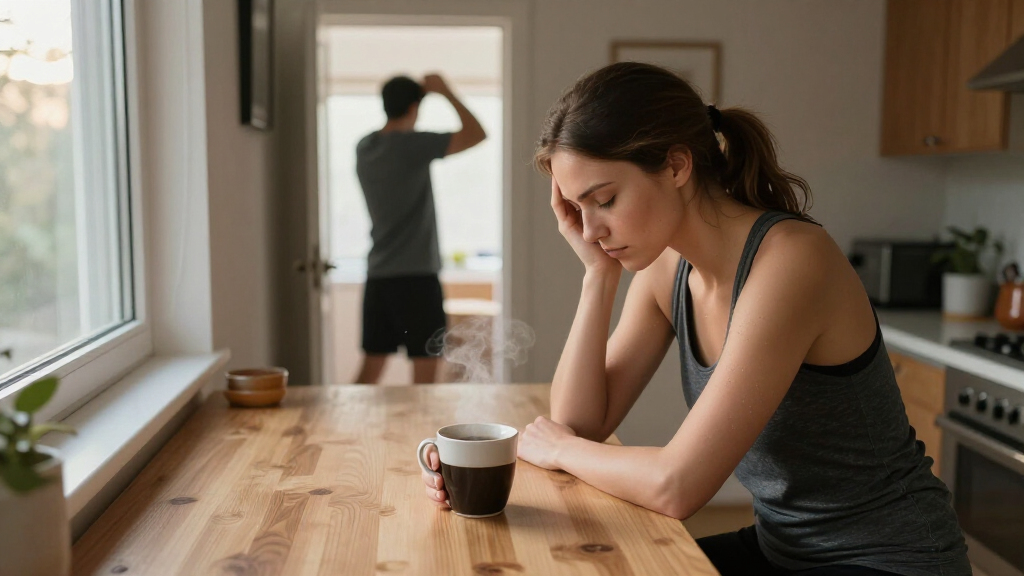
A column draws attention to contrasting parenting routines: one parent rises at 4 a.m. to work out, while the other feels exhausted and alone caring for their child. This trend signals ongoing discussions about work-life balance and parental stress.
A recent column has brought attention to the stark contrast between two parents’ daily routines: one begins their day at 4 a.m. for exercise, while the other reports feeling exhausted and overwhelmed, caring for their child alone. This contrast underscores ongoing conversations about work-life balance, parental stress, and gender roles in modern families.
The column, published in a parenting or lifestyle outlet, describes a woman who is exhausted and often feels isolated as she manages childcare without additional support. Meanwhile, her partner is depicted as rising at 4 a.m. to work out, a routine that reflects personal discipline but also highlights differing approaches to parenting and self-care. The piece has sparked widespread interest, with many readers recognizing their own experiences or societal patterns in these contrasting stories.
While the column does not specify the exact circumstances of each parent, it emphasizes the emotional and physical toll of parenting, especially when support systems are lacking. The narrative has resonated amid ongoing debates about gender roles, mental health, and the distribution of domestic responsibilities. The author suggests that these contrasting routines may symbolize broader societal expectations and pressures faced by parents today.
Implications for Parental Well-being and Gender Roles
This contrast matters because it highlights ongoing issues of parental exhaustion, gendered expectations, and mental health. The depiction of one parent working out early reflects societal pressures for self-improvement and discipline, often associated with traditional masculinity or individual achievement. Conversely, the exhaustion and loneliness faced by the other parent expose the emotional toll of caregiving, especially for women, and the potential lack of support systems.
Understanding these contrasting experiences can inform discussions about work-life balance, parental support policies, and mental health resources. It also underscores the importance of shared responsibilities in households, which remains a contentious and evolving topic. The widespread attention to this column indicates a societal recognition of these issues and a desire for more equitable parenting models.
As an affiliate, we earn on qualifying purchases.
Rising Public Interest in Parenting Struggles
The column’s popularity reflects a broader trend of increasing public interest in parenting challenges, mental health, and gender dynamics. Over recent years, social media and media coverage have amplified stories of parental burnout, work-life imbalance, and the need for supportive policies. The specific focus on contrasting routines—early-morning workouts versus exhaustion—aligns with ongoing debates about productivity, self-care, and gender roles in modern families.
This trend is also linked to the rising awareness of mental health issues among parents, especially women, who often bear disproportionate caregiving responsibilities. While the column itself does not provide new data, it taps into a well-established pattern of societal concern and personal reflection on parenting roles and expectations.
kids snack containers with compartments
As an affiliate, we earn on qualifying purchases.
As an affiliate, we earn on qualifying purchases.
Unclear Impact of These Routines on Family Dynamics
It is not yet clear how widespread these contrasting routines are or how they directly influence family well-being. The column is a personal reflection that may not represent all families, and further research is needed to determine the broader societal implications.ergonomic backpacks for school children
As an affiliate, we earn on qualifying purchases.
As an affiliate, we earn on qualifying purchases.
Potential for Increased Public Discourse and Policy Changes
Expect ongoing discussions about parental support, mental health resources, and gender roles to intensify, especially as more personal stories and data emerge. Policymakers and support organizations may use these narratives to advocate for more equitable sharing of caregiving responsibilities and mental health services.
Researchers might also explore the impact of such routines on family cohesion and individual well-being, potentially leading to new initiatives aimed at balancing personal and family needs.
children's bedtime storybook subscription box
As an affiliate, we earn on qualifying purchases.
As an affiliate, we earn on qualifying purchases.
Key Questions
What does the column reveal about modern parenting?
The column highlights the contrasting experiences of parents—some prioritize early-morning routines for self-care, while others feel exhausted and isolated—reflecting ongoing societal debates about gender roles, mental health, and support systems in parenting.
Are these routines common among parents?
The column is a personal reflection and does not provide data on prevalence. However, it resonates with many parents’ experiences, suggesting these contrasting routines are part of broader societal trends.
What are the implications for mental health?
The depiction of exhaustion and loneliness highlights the mental health challenges faced by many caregivers, especially women, and underscores the need for supportive policies and community resources.
Will this story lead to policy changes?
While it is too early to tell, increased public awareness and discourse could influence policymakers to prioritize parental support and mental health initiatives in future legislative agendas.
Source: rss
Fall Picks
fall essentials
As an affiliate, we earn on qualifying purchases.