
TL;DR

Turn the school run and nap time into listening time
- Thousands of audiobooks, podcasts and originals
- Listen on your phone, tablet or Echo — also offline
- Cancel anytime
A nutritionist has identified five processed foods recommended for children and five to avoid, emphasizing the importance of informed choices in kids’ diets. The list reflects current dietary advice but is based on trend signals, not official guidelines.
A nutritionist has released a list of five processed foods that are suitable for children and five that should be avoided, based on current dietary trends and health considerations. This development matters because parents increasingly seek guidance on making healthier food choices for their kids amid rising concerns about childhood obesity and diet-related health issues.
The list was shared in a recent trend signal, which has caused a spike in coverage and interest among parents and caregivers. The nutritionist emphasizes that these recommendations are based on existing nutritional principles and recent health trends, but they are not official guidelines from health authorities.
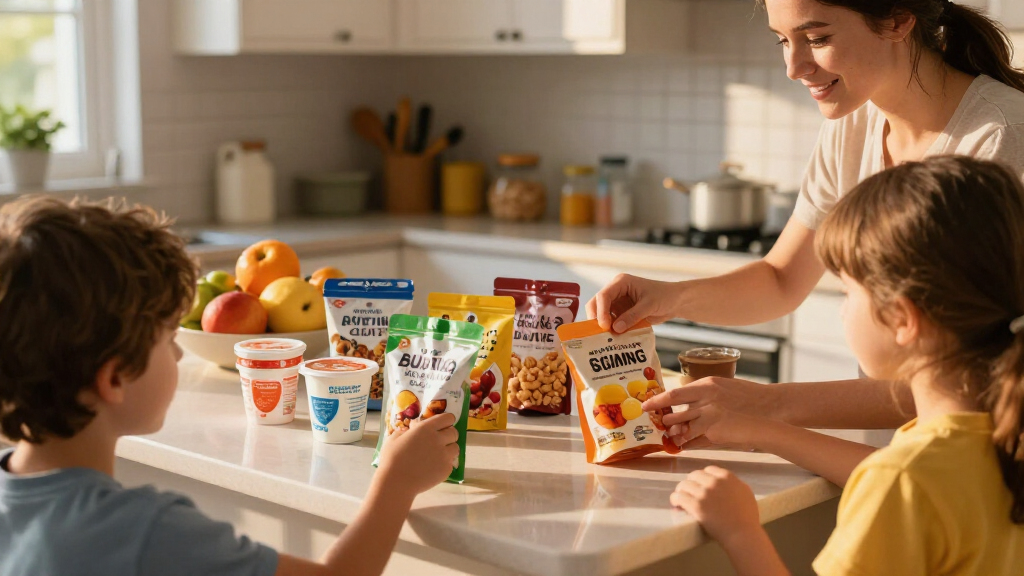
The five processed foods recommended for children include options like whole-grain snacks, fortified cereals, low-sugar yogurt, natural fruit pouches, and lean processed meats, which are considered better choices due to their nutritional content and lower added sugars or unhealthy fats. Conversely, the five foods to avoid are primarily heavily processed items such as sugary breakfast cereals, snack chips with artificial flavors, sweetened fruit snacks, fried processed foods, and sugary beverages, all of which are linked to negative health outcomes when consumed excessively.
Experts caution that these are general guidelines and that individual dietary needs may vary. The list aims to help parents navigate the often confusing processed food landscape and encourage more mindful consumption patterns for children.
Implications for Parents and Child Nutrition
This list underscores the importance of informed food choices in children’s diets, especially as processed foods dominate many households. Making smarter selections can help reduce risks of childhood obesity, diabetes, and other diet-related health issues. While not official dietary advice, such guidance can influence parental purchasing decisions and promote healthier eating habits from an early age.As an affiliate, we earn on qualifying purchases.
Rising Trends in Childhood Nutrition and Processed Food Awareness
Interest in healthy processed foods for children has surged recently, driven by increased public awareness of childhood obesity and diet-related health problems. The trend signal reflects a broader movement toward scrutinizing processed foods and promoting whole, minimally processed options. This heightened attention comes amid ongoing debates over food marketing to children and the impact of processed foods on long-term health. While official guidelines remain unchanged, many health professionals recommend reducing intake of high-sugar, high-fat processed items and encouraging nutrient-rich alternatives.As an affiliate, we earn on qualifying purchases.
Limitations of the Current Guidance and Trend Signals
It is not yet clear whether these food recommendations will influence official dietary guidelines or if they will be adopted widely by consumers. The list is based on a trend signal, which indicates rising interest but does not confirm official endorsement or comprehensive scientific validation. Further research and official recommendations are needed to establish definitive guidelines for processed foods in children’s diets.As an affiliate, we earn on qualifying purchases.
Next Steps for Parents and Food Industry Stakeholders
Parents should continue to seek guidance from registered dietitians and official health authorities for personalized advice. Food manufacturers might respond to these trends by reformulating products to meet healthier standards. Researchers and policymakers are likely to monitor these consumer preferences, which could influence future official dietary recommendations and food labeling practices. Meanwhile, ongoing public education efforts are expected to emphasize whole, minimally processed foods for children.
natural fruit pouches for children
As an affiliate, we earn on qualifying purchases.
As an affiliate, we earn on qualifying purchases.
Key Questions
Are these food recommendations based on official health guidelines?
No, they are based on a trend signal and current dietary principles, but not official guidelines from health authorities. Parents should consult official sources for personalized advice.
What processed foods should I avoid giving my children?
Heavily processed items such as sugary breakfast cereals, snack chips with artificial flavors, sweetened fruit snacks, fried processed foods, and sugary beverages are generally advised to be limited or avoided.
Can processed foods be part of a healthy diet for children?
Yes, when chosen carefully—favoring options like fortified cereals, low-sugar yogurts, and natural fruit pouches—processed foods can be included as part of a balanced diet.
How can I tell if a processed food is healthy for my child?
Check for low added sugars, minimal artificial additives, high nutrient content, and ingredients that are recognizable and minimally processed.
Will these trends influence future official dietary recommendations?
It’s uncertain at this stage. While consumer interest is rising, official guidelines may take time to adapt based on scientific research and policy reviews.
Source: rss
Fall Picks
fall essentials
As an affiliate, we earn on qualifying purchases.