
TL;DR

Turn the school run and nap time into listening time
- Thousands of audiobooks, podcasts and originals
- Listen on your phone, tablet or Echo — also offline
- Cancel anytime
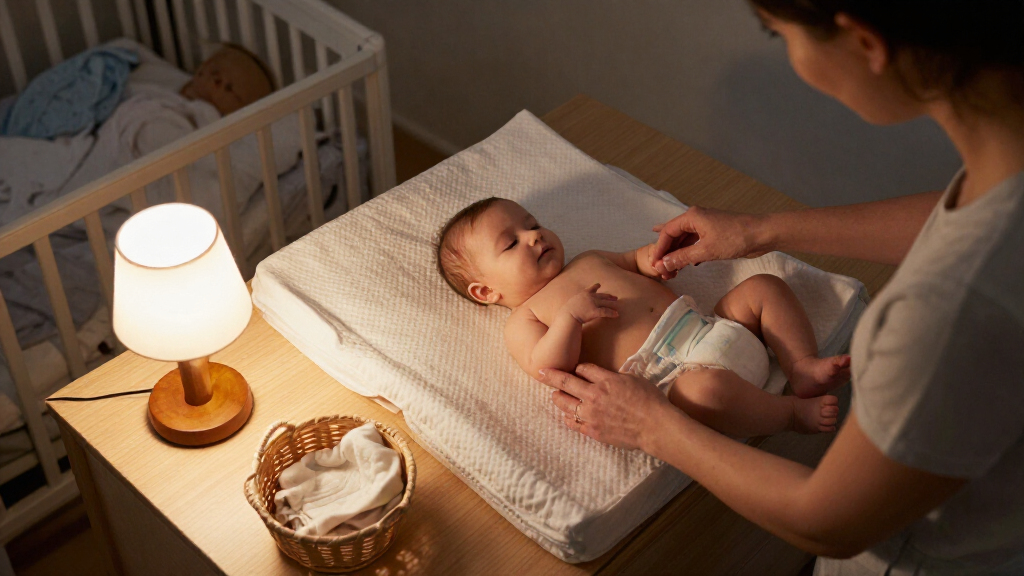
A midnight diaper change station should give you clear, gentle light and put diapers, wipes, clean clothes, and disposal within reach before you begin. Use a stable surface according to its instructions, keep one hand on your baby on an elevated surface, and never step away; a floor-level setup can reduce fall risk. A dim room can feel calmer, but visibility and attentive care come first.
At 3 a.m., a wipe that has slipped behind the changing pad can feel like it’s on another floor. Your baby is wiggling, the room is dark, and the overhead light makes everyone blink. A little planning turns that scramble into a calmer routine.
A midnight diaper change station is less about buying clever gear and more about arranging light, supplies, and your own reach. You’ll learn how to choose a safe spot, aim gentle light, keep essentials close, and make a setup that still works when you’re tired. The goal is simple: help you see what you’re doing while keeping your attention on your baby.
Every room and caregiver is different. A dresser-top pad may suit a small nursery, while a floor-level mat may work better beside your bed. Whatever you choose, follow the product instructions, check current CPSC recalls for relevant child products, and ask your pediatrician about infant sleep or care questions.
Set out diapers, wipes, a cloth, clean clothes, and disposal before placing your baby on an elevated surface.
Use a dim, warm light only if you can still see clearly; aim it at the changing area and keep cords and bulbs away.
Keep one hand on your baby on an elevated surface, use the strap if provided, and never step away while your baby is there.
Choose a dresser pad, table, or floor mat based on your space and comfort, and follow the product instructions.
Restock consistently, clean wipeable surfaces after messes, and check current CPSC recall information for child products.
The Midnight Diaper Change Station Lighting and Layout
A calm nighttime change starts with clear, gentle light and essentials within reach. Keep your attention on your baby throughout.
Put safety within reach
Prepare supplies before placing your baby on an elevated surface.
Set out a diaper, wipes, clean cloth, fresh clothes, and disposal.
Use a stable surface and follow its instructions; use the strap if provided.
Keep one hand on your baby on an elevated surface. Never step away.
Light the changing area
Soft, directed light can feel less stimulating while keeping the change visible.
See clearly
Use a dimmable lamp or low-level night-light only if you can still see well enough to change safely.
Aim it down
Direct light at the pad or mat, away from your baby’s eyes. Keep bulbs and cords away from the changing area.
Keep control close
Place the switch within reach. Motion-sensing or rechargeable lights are optional conveniences, not a substitute for supervision.
Choose a setup that fits
Room, caregiver comfort, and safe access all matter; a dedicated table is not required.
| Setup | May work well | Plan for |
|---|---|---|
| Dresser-top pad | Uses existing furniture and saves floor space | Stable placement, product instructions, and close supervision |
| Changing table | Creates a dedicated changing area | Reachable supplies and constant attention |
| Floor-level mat | Reduces fall risk | Keep cords, small objects, and other hazards away |
Make supplies easy to find
A consistent arrangement cuts down on reaching and searching when you’re tired.
- Diapers and wipes near the pad
- Clean cloth and spare clothes in a nearby bin
- Disposal placed without blocking your stance
- Medicines and small objects
- Anything unsafe for your baby
- Used or soiled items after the change
Put safety within reach before the first wipe
A safe midnight diaper change starts with a stable surface and every needed supply within reach before your baby goes down. On an elevated surface, keep one hand on your baby whenever you can, use the safety strap if the product provides one, and never leave your baby alone, even for a moment.
That rule shapes the whole layout. Put diapers, wipes, a clean cloth, a change of clothes, and a disposal option where you can grab them without turning away. Keep creams and other supplies handy for the caregiver, but store medicines, small objects, and anything unsafe well beyond the baby’s reach.
Think of the station like a small cockpit: the items you need most sit close, and distractions stay out of the way. If you reach for a fresh onesie and realize it’s across the room, take your baby with you or place them in a safe location such as their crib before stepping away.
For example, before bedtime, check that the wipe packet opens easily and that a clean diaper is ready. That two-minute reset can prevent a sleepy, one-handed hunt later. Check CPSC recall information for child products you use, and follow the manufacturer’s instructions for the changing surface and strap.
Popular right now

Samsung The Frame Pro LS03HW 65-inch Neo QLED TV with 27-Month Axiom Care

Dreame G10 Pro Wet and Dry Vacuum Mop

Ninja Flip Toaster Oven & Air Fryer, 8-in-1, Stainless Steel, SP151
As an affiliate, we earn on qualifying purchases.
Choose light that lets you see without flooding the room
The Midnight Diaper Change Station works best with low, warm, directed light that lets you see your baby and the changing area clearly without turning the whole room bright. A dimmable lamp or low-level night-light can help, but the light must still be bright enough for a safe, attentive change.
Aim the beam toward the pad or mat rather than into your baby’s eyes. Keep the bulb and any cords away from the changing surface, and place the light where you can switch it on without reaching over your baby. A motion-sensing or rechargeable lamp can be convenient if it responds predictably; it is an optional feature, not a substitute for supervision.
Imagine changing a baby in a room lit only by a tiny amber glow. It may feel peaceful, but if you can’t see a soiled spot or tell where your hand is, add light. On another night, a lamp bounced off a wall may give you a softer pool of light than a direct beam.
Many caregivers prefer warm, dim light at night because it feels less stimulating. Babies vary, and a dim room doesn’t guarantee that a baby will settle again. Keep clear visibility as your measure of success, and ask your pediatrician about concerns related to your baby’s sleep routine.
Arrange the essentials so your hand finds them in the dark
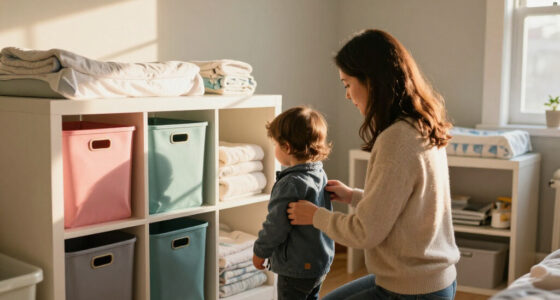
A useful changing layout places the diaper, wipes, clean clothes, cloths, and disposal option in consistent spots you can reach without taking your attention off your baby. The familiar order matters as much as the distance: at a sleepy hour, you want your hand to find the wipes where they were last night.
Try grouping items by when you use them. Keep a clean diaper and wipes closest to the pad, put a spare outfit and cloth in a nearby bin, and place a lined disposal container where it won’t block your stance. A small basket can move with you between rooms, while a few labeled bins help different caregivers return items to the same places.
For instance, if your partner usually changes the baby after the first wake-up, labels like “diapers” and “clothes” can save a whispered search through drawers. Keep the surface itself uncluttered; a row of decorative jars looks tidy until you need room for a clean cloth.
A planned diaper changing station can make nighttime changes calmer for both baby and caregiver when it removes unnecessary reaching and guesswork. Restock during the day, discard used items promptly, and keep small objects and medicines out of the baby’s reach. Consistency is more useful than a complicated organizer.
Compare a dresser, changing table, and floor setup
The best changing surface is a stable setup that fits your room and how you care for your baby; you don’t need a dedicated changing table. A dresser-top pad, a purpose-built changing table, or a floor-level mat can all work when you follow the product instructions and keep the baby supervised.
A dresser-top setup can save space, but it puts your baby above the floor, so the surface must be stable and supplies need to be prepared before the change. A dedicated table may give you a defined work area, though it still calls for constant attention. A floor-level setup can reduce fall risk, but cords, small items, pets, and other hazards still need attention.
Picture a narrow nursery where opening a drawer means stepping away from the pad. A floor mat beside a low basket might make more sense there. In a room with a clear dresser top and enough standing space, a wipeable pad may be easier on your back. Your height and whether you prefer to sit or stand count too.
| Setup | What may work well | What to plan for |
|---|---|---|
| Dresser-top pad | Uses existing furniture and can save floor space | Stable placement, product instructions, and close supervision |
| Changing table | Creates a dedicated changing area | Secure use, reachable supplies, and clear space around it |
| Floor-level mat | Reduces the risk of a fall from an elevated surface | Keep cords, small objects, and other hazards away |
There isn’t a single layout that fits every home. Choose the one that gives you a clear view, a comfortable position, and easy access to essentials. For products with specific use instructions, follow the manufacturer’s guidance and check for recalls.
Set up a quick routine you can repeat at 3 a.m.
A repeatable routine makes a nighttime change easier: prepare the supplies, bring your baby to the safe changing area, switch on enough directed light, and complete the change while staying close. That sequence works whether your station sits in the nursery or beside your bed.
- Reset before bed. Put a clean diaper, wipes, cloth, and spare outfit in their usual places. Check that the disposal option is ready.
- Turn on the light first. Use the dim, directed setting if it gives you a clear view; add light if you can’t see safely.
- Position yourself and your baby. Make sure you can reach supplies without leaning away. On an elevated surface, keep one hand on your baby and use the strap if provided.
- Finish and reset. Dispose of used items, wipe the surface after messes, and replace anything you used when you can do so safely.
For example, you might discover that the night-light’s motion sensor switches off while you’re changing the baby. Test the setup before relying on it, and keep a simple way to add light within reach. Convenience features can save a step, but they should never force you to leave your baby unattended.
Use the routine as a practical checklist, not a race. If you need to grab something from another room, take your baby with you or place them in a safe location such as their crib first. Prepared supplies and steady supervision matter more than shaving seconds off a change.
Keep the station clean, comfortable, and easy for every caregiver
A good station stays useful because it is easy to clean and comfortable for the person using it. Choose a wipeable changing pad, keep a few clean cloths nearby, and clean the surface regularly, especially after a mess. A small bin for used items helps prevent soiled clothes or wipes from lingering beside the baby.
Comfort affects how easily you can stay focused. Leave enough room to stand or sit without bumping into furniture, and arrange the station at a height that suits the main caregiver when possible. If two people share night duty, use the same locations for diapers and wipes so neither person has to decode the other’s system in the dark.
Say you use the dresser-top pad in the nursery, but your partner changes the baby in the bedroom. A portable basket can carry the same basic kit between spaces: diapers, wipes, a cloth, and a change of clothes. Return it to a set spot during the day, and check that it doesn’t become a catchall for small items.
Compact, multipurpose setups are popular for a reason: a pad on a dresser or a basket that moves between rooms can fit real homes better than a second piece of furniture. Keep cords away from the changing area, remove used or soiled items promptly, and review your arrangement as your baby grows or your routine changes. The right setup is the one you can keep clean, predictable, and safe.
Frequently Asked Questions
What light is best for nighttime diaper changes?
A low, warm, directed light works for many families if it still gives you a clear view of the baby and changing area. Add light whenever the room is too dim to change safely.
Should I use a night-light or a lamp?
Either can work. Aim the light at the changing area rather than your baby’s eyes, and keep bulbs and cords away from the surface. Choose the option you can use reliably while keeping your attention on your baby.
Where should I put diapers and wipes?
Keep them in consistent spots close enough to reach without turning away or taking a hand off your baby on an elevated surface. A small basket or labeled bin can help different caregivers find and replace supplies.
Do I need a changing table?
No. A stable dresser-top pad or floor-level mat may work if you follow its instructions and keep the area safe. A floor setup can reduce fall risk, while an elevated setup needs close supervision and supplies prepared in advance.
Can I leave my baby on the changing table while I get something?
No. Never leave your baby unattended on an elevated changing surface, even briefly. Take your baby with you or place them in a safe location, such as their crib, before stepping away.
Does dim lighting help my baby go back to sleep?
Some caregivers find a dim room feels less stimulating during nighttime care, but babies vary and dim light doesn’t guarantee that a baby will settle. Keep enough light for a safe change and follow your pediatrician’s guidance for infant sleep questions.
Conclusion
Set up your station so the light shows you what you need to see and the essentials sit where your hand expects them. Keep your baby supervised, and take them with you or place them somewhere safe before stepping away.
At 3 a.m., the best organizer is a familiar basket, the best light is one that lets you see, and the best layout leaves you close to your baby.