
TL;DR

Turn the school run and nap time into listening time
- Thousands of audiobooks, podcasts and originals
- Listen on your phone, tablet or Echo — also offline
- Cancel anytime
A developer posted a showing of a straightforward algorithm that uses specific color space techniques to generate a wide range of realistic skin tones. This approach aims to improve diversity in digital art and game development. The method is shared openly on Show HN, sparking interest among creators.
A developer has shared a simple algorithm that leverages a specific color space to generate a broad spectrum of diverse skin tones. This development aims to assist digital artists and game creators in producing more inclusive representations, addressing a common challenge in achieving realistic and varied skin colors.
The algorithm was shared on the platform Show HN, where the developer explained that it uses a straightforward approach to define skin tones within a particular color space, making it easier to generate realistic and varied results. The method involves selecting parameters within a color model, such as the CIE LAB or similar, to produce plausible skin shades across different ethnicities. The developer emphasized that this approach is simple to implement and adaptable to different digital art workflows. The post has garnered attention from creators interested in enhancing diversity and realism in their projects, with some experimenting with the algorithm to evaluate its effectiveness.Potential Impact on Digital Art and Inclusivity
This development could significantly influence how digital artists and developers approach character design, enabling more inclusive and realistic representations of diverse skin tones. By providing a straightforward method, it lowers the barrier for creators to incorporate a wider range of skin colors, potentially improving representation in media, games, and virtual environments. The approach also highlights the importance of accessible tools in fostering diversity and reducing bias in digital content creation.
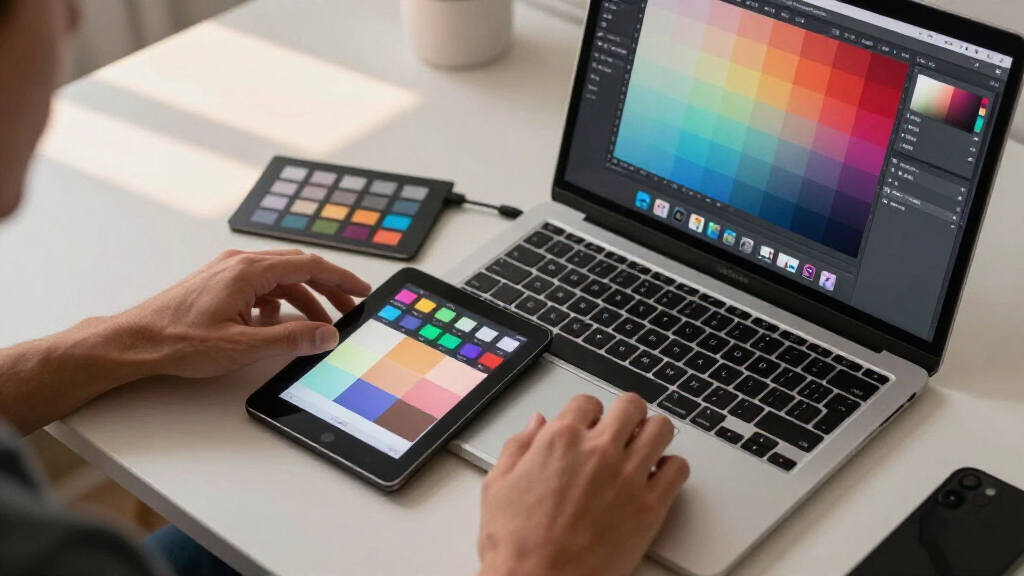
digital skin tone palette for artists
As an affiliate, we earn on qualifying purchases.
As an affiliate, we earn on qualifying purchases.
Addressing the Challenge of Realistic Skin Tone Generation
Creating diverse and realistic skin tones has long been a challenge for digital artists and game developers, often requiring complex adjustments or a limited palette. Existing methods can be time-consuming or lack flexibility, leading to less accurate or less inclusive character designs. The sharing of this algorithm on Show HN reflects ongoing interest in simple, effective solutions that democratize the process of generating diverse skin colors. Prior efforts have included manual color selection or procedural generation, but often with limited success or accessibility.
“This algorithm simplifies the process of generating diverse, realistic skin tones by leveraging a specific color space, making it accessible for artists and developers alike.”
— the developer who posted on Show HN
As an affiliate, we earn on qualifying purchases.
Details on Algorithm Implementation and Effectiveness
It is not yet clear how widely the algorithm has been tested across different digital platforms or how it compares in accuracy and flexibility to existing methods. The developer provided an overview but did not share extensive validation data or user feedback, so the effectiveness and limitations remain to be evaluated by the community.
diverse skin tone digital art tools
As an affiliate, we earn on qualifying purchases.
As an affiliate, we earn on qualifying purchases.
Next Steps for Adoption and Validation
Artists, developers, and researchers are expected to experiment with the provided algorithm to assess its practicality and accuracy. Further developments may include refining the method, sharing implementation code, and conducting user studies to validate its effectiveness in diverse applications. The developer might also release open-source tools or integrations based on this approach.
character design skin color palette
As an affiliate, we earn on qualifying purchases.
As an affiliate, we earn on qualifying purchases.
Key Questions
How does this algorithm differ from existing skin tone generation methods?
This approach uses a straightforward application of a specific color space to produce diverse skin tones, aiming to simplify and democratize the process compared to more complex or manual methods.
Is this algorithm suitable for professional digital art and game development?
While promising, it remains to be seen how well the algorithm performs in various settings. Early feedback suggests it could be a useful tool, but further validation is needed for professional use.
Can this method be integrated into existing digital art software?
Yes, since the approach is based on color space parameters, it can potentially be implemented as a plugin or integrated feature within digital art and game development tools.
Are there any limitations or biases in the generated skin tones?
The developer has not yet provided detailed validation data, so potential biases or limitations are still unknown. Community testing will be crucial to evaluate this aspect.
Will the developer release the code or tools publicly?
This has not been confirmed, but the initial post indicates openness to sharing further details, so community interest may drive future releases.
Source: hn
Fall Picks
fall essentials
As an affiliate, we earn on qualifying purchases.