
TL;DR
Listen free for 30 days with Audible
Thousands of audiobooks and originals — cancel anytime.
Start your free trialAs an affiliate, we earn on qualifying purchases.
Car seat alarm apps offer flexible, compatible alerts but depend on Bluetooth, while built-in vehicle reminders are more reliable but limited to newer models. Using both provides maximum safety against child heatstroke.
Leaving a child alone in a car can turn tragic in minutes. You might think a quick errand is safe, but even a few minutes of heat can be deadly. That’s why parents turn to technology—either apps or built-in reminders—to guard against forgetfulness and heatstroke. But which system really keeps your child safer? In this guide, we’ll compare car seat alarm apps and built-in vehicle reminders, explaining how each works, their strengths, and their weaknesses. Knowing the difference helps you choose the best tools to protect your kid, no matter what car you drive or how busy your day gets.
Built-in vehicle reminders are generally more reliable because they’re integrated with the car’s sensors.
Apps offer flexibility and compatibility across many vehicles but depend heavily on Bluetooth stability and user setup.
Combining both systems provides the strongest safety net against child heatstroke in vehicles.
Recent innovations like interior sensors and AI are making vehicle safety smarter, but vigilance remains key.
Always double-check the back seat before leaving the car—technology is a helpful tool, not a substitute for supervision.
How Do Car Seat Alarm Apps and Built-In Reminders Work? You Need to Know the Basics
Both car seat alarm apps and built-in reminders aim to alert you if your child is left in the back seat. But they do so in very different ways. Car seat alarm apps are third-party solutions. They use Bluetooth or GPS to detect your proximity to the car or monitor when your child is in the seat. When you walk away, they send alerts to your phone if you forget your kid. Think of them as your digital babysitter, always watching your phone for signs of trouble.
Built-in reminders, on the other hand, are integrated into the vehicle itself. Modern cars may have sensors that detect when a child is in the back seat or alert you through a dashboard message or sound. These systems are designed to be part of the car’s safety features, working automatically when you turn off the engine. They act like a vigilant co-pilot, nudging you to check the back seat before you leave.
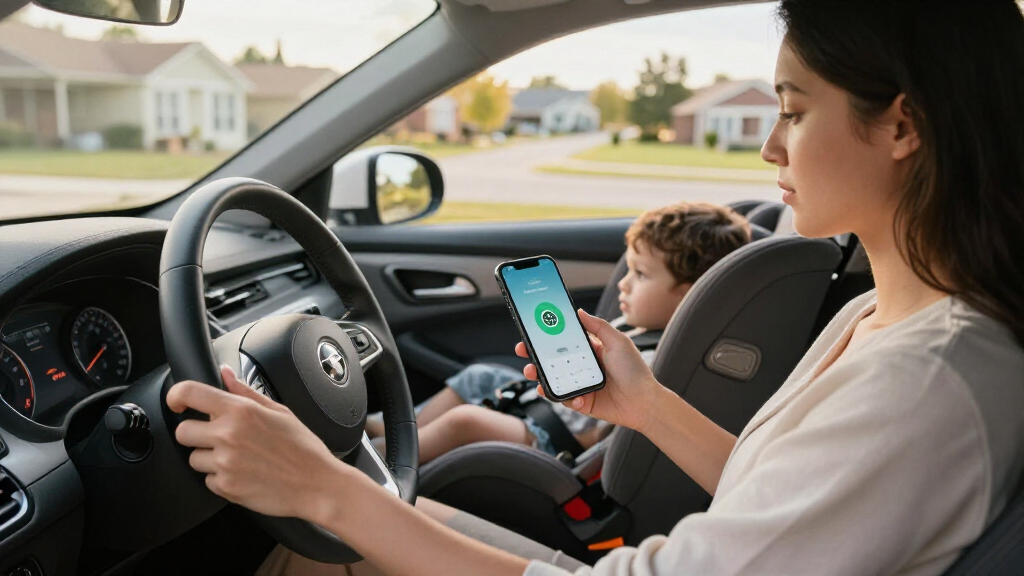
car seat alarm app for child safety
As an affiliate, we earn on qualifying purchases.
As an affiliate, we earn on qualifying purchases.
Which One Is More Reliable? The Real Deal on Accuracy and Trustworthiness
When it comes to reliability, built-in vehicle reminders usually take the cake. They’re wired directly into the car’s safety sensors, making false alarms less common. If your car detects a child or a seat sensor, it can trigger a warning every time you turn off the engine. This direct integration means fewer points of failure, which is crucial because in safety-critical situations, false negatives or positives can have grave consequences. For instance, a built-in system that reliably reminds you every time ensures you’re less likely to forget your child, especially during stressful or hurried moments. Conversely, false alarms can be distracting or cause complacency, so the precision of these systems matters immensely.
Car seat alarm apps depend on your phone’s Bluetooth connection, which can be shaky. If your phone is dead, out of range, or if Bluetooth drops, the alert might not go through. Plus, if you forget to activate the app or disable notifications, you lose the safety net. This dependency on external hardware and user vigilance introduces potential gaps. For example, a parent might leave the house without activating the app, or the Bluetooth might disconnect during the drive, rendering the alert ineffective. These pitfalls highlight that while apps provide flexibility, they are inherently less dependable than integrated solutions, especially in critical safety moments. Therefore, understanding these tradeoffs helps you prioritize safety—relying on built-in systems whenever possible for their consistency, and supplementing with apps for added coverage, especially in older vehicles.
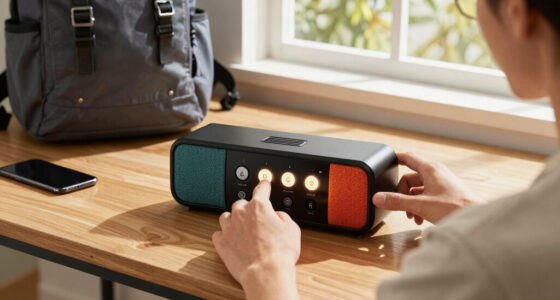
built-in vehicle child reminder system
As an affiliate, we earn on qualifying purchases.
As an affiliate, we earn on qualifying purchases.
Ease of Use: Which System Fits Your Lifestyle?
Built-in reminders are simple—once activated, they work automatically. No need to remember to turn anything on. If your vehicle has a child reminder system, it’s usually just a matter of turning on a setting or checking a menu during the initial setup. It’s like setting the alarm on your phone once and forgetting it. This automatic operation reduces user error and ensures consistent safety checks, which is vital for busy parents juggling multiple responsibilities.
Apps require some setup. You need to download the right one, pair your phone with a Bluetooth device, and keep the app running in the background. If you forget to open it or disable notifications, the alert might not trigger. Plus, if your phone’s battery dies, so does the alert. For parents with hectic schedules, this reliance on manual activation and device maintenance can introduce risks. For example, rushing out the door without activating the app or forgetting to charge your phone means the safety net is compromised. Therefore, while apps can be very useful, their dependence on user diligence makes built-in systems the more reliable choice for ensuring constant oversight, especially in unpredictable daily routines.
As an affiliate, we earn on qualifying purchases.
Compatibility and Cost: Can You Use These Systems in Your Car?
Built-in vehicle reminders are limited to newer models equipped with safety features—often only in recent years. If your car is over five years old, it probably doesn’t have this tech. Upgrading isn’t always an option, either. This creates a gap in safety coverage for many families with older vehicles. While some automakers are starting to include these reminders as standard or optional features, the availability is inconsistent, and retrofitting older cars can be costly or impractical. This means relying solely on built-in systems might leave some drivers without this layer of safety, especially if they own older models.
Car seat alarm apps are more flexible. They work with most smartphones and Bluetooth devices, making them compatible with a wide range of cars. You just need a compatible phone and a free or affordable app. This broad compatibility means that even if your vehicle lacks built-in safety features, you can still add a safety layer at minimal cost, making it accessible for a wide demographic.
Cost-wise, built-in reminders come with the vehicle, so they’re free once you buy the car. Apps might be free, but some premium features or subscriptions cost $5–$10 per month. The choice depends on your budget and vehicle age. Weighing these costs against the potential safety benefits is crucial, especially considering the high stakes involved in child heatstroke prevention. For many families, this makes external app solutions a cost-effective way to enhance safety without the need for costly vehicle upgrades.
child heatstroke prevention devices
As an affiliate, we earn on qualifying purchases.
As an affiliate, we earn on qualifying purchases.
What’s New? The Latest Tech Shaping Child Safety in Cars
Recent advances include interior sensors that detect if a child is in the seat, even if the parent forgets. These sensors can analyze weight, motion, or even temperature to determine if a seat is occupied, reducing the chance of human error. Some vehicles now incorporate cameras that monitor the back seat, sending real-time alerts if a child is detected left behind. These features are becoming standard in higher-end cars, making safety more automatic and less reliant on manual checks. They represent a significant step forward because they actively detect the presence of a child, rather than just relying on reminders or alarms.
Meanwhile, app developers are adding temperature monitoring and multi-contact alerts. For example, if your child is in the car on a scorching day, the app can notify you or a trusted contact about the dangerous heat, potentially preventing heatstroke. These alerts can be customized to include multiple contacts, ensuring someone is always aware of the situation.
Some systems even use AI and machine learning to analyze environmental data, helping predict heatstroke risks before they become critical. This proactive approach allows for early intervention, which can be lifesaving. As these technologies evolve, they promise to make car safety smarter, more responsive, and more effective at preventing tragedies caused by heat exposure. The implications are profound: vehicles will increasingly become proactive safety partners rather than just passive reminders.
The Hard Truth: Can These Systems Prevent Every Tragedy?
No system is perfect. Both apps and built-in reminders depend on human vigilance. A distracted parent might ignore the alert, or a tech failure could happen. The best safety approach combines these tools with your constant supervision. Recognizing their limitations is vital because overreliance can lead to complacency. For example, a parent might assume that the app or system will always remind them, but if the device malfunctions or the parent is distracted, the child could be left behind. This reality underscores that technology should serve as an aid, not a substitute, for attentive parenting. Moreover, understanding that no system can guarantee 100% safety helps foster a mindset of constant vigilance—double-checking the back seat every time you leave the vehicle is still the most reliable safeguard. This balanced perspective is essential for effective child safety strategies, especially given the unpredictable nature of emergencies.
Which System Should You Pick? Making the Smart Choice
If your car has built-in reminders, they’re a reliable, maintenance-free way to help prevent forgetfulness. They’re especially useful if you drive a newer model. But if you have an older car, adding a Bluetooth-based app can be a flexible, budget-friendly extra layer of safety. This layered approach ensures that even if one system fails or is forgotten, the other can serve as a backup, significantly reducing risk.
Think about your daily routine: do you often forget to activate apps? Do you prefer automatic alerts? Or do you want a system that works seamlessly without extra steps? Your answers will guide your choice. For instance, if you’re prone to rushing or forgetfulness, a built-in system provides peace of mind without additional effort. Conversely, if you’re tech-savvy and want customizable alerts, an app might better fit your lifestyle.
Using both together—built-in reminders plus a trusted app—can give you peace of mind. It’s like having two safety nets instead of one. This redundancy ensures that safety is maintained even during busy or forgetful moments, making it the most comprehensive approach to child heatstroke prevention.
Frequently Asked Questions
Are car seat alarm apps reliable enough to prevent child heatstroke?
Apps can be helpful, but they shouldn’t be your only safety measure. Built-in reminders and constant supervision are more dependable. Apps serve as an extra set of eyes, especially in older vehicles without integrated tech.Do all new vehicles come with built-in child reminder systems?
Not all, but many newer models do. Check your vehicle’s manual or ask your dealer if your car has a built-in reminder feature. Upgrading older cars often means relying on external solutions like apps.Can I use a car seat alarm app with any vehicle?
Most apps work with smartphones and Bluetooth devices, making them compatible with many vehicles. Effectiveness depends on your phone’s battery, Bluetooth connection, and proper setup, so they work best as a supplement, not a replacement.What features should I look for in a child reminder system?
Prioritize temperature alerts, motion sensors, multiple contact notifications, and ease of use. These features help ensure you’re quickly alerted in any emergency or forgetfulness.Are there legal requirements for vehicle reminders?
Some regions are considering or have enacted laws requiring automakers to include child reminder systems in new cars. Check your local regulations to stay informed.Conclusion
Child safety in vehicles hinges on consistent vigilance and the right tools. Built-in reminders act as a dependable co-pilot, silently warning you when you forget your kid. Apps add a flexible, portable layer of protection, especially in older cars lacking safety tech.
But remember, no gadget replaces your watchful eye. Combining these tools with a simple double-check before leaving the car creates a safety habit that can save lives. As you buckle your child into the seat, think of safety as a small daily ritual—one that could prevent tragedy on the hottest days or the busiest mornings.
NFL season / tailgating Picks
team gear
As an affiliate, we earn on qualifying purchases.