
TL;DR

Turn the school run and nap time into listening time
- Thousands of audiobooks, podcasts and originals
- Listen on your phone, tablet or Echo — also offline
- Cancel anytime
Pick a soothing device that suits your baby’s preferences and safety needs. Consider sound quality, safety features, and smart options. Proper use can help your baby sleep better without interference or risks.
Imagine this: you’re trying to soothe your crying baby at 3 a.m., and a gentle, consistent sound calms them instantly. That’s the power of a good soothing device. But with so many options—white noise, lullaby players, smart gadgets—how do you choose one that’s safe, effective, and fits your lifestyle?
In this guide, you’ll learn what to look for when picking a soothing device for your nursery. We’ll cover the different types, safety tips, and recent tech trends. By the end, you’ll know how to create a peaceful sleep space that’s tailored to your baby’s needs and your peace of mind.
Choose a device with adjustable, safe volume levels below 50 decibels to protect your baby’s hearing.
Prioritize safety features like timers and enclosed designs to prevent hazards and overuse.
Match the device type to your nursery needs—portable for trips, stationary for consistent use.
Leverage smart tech options for customization, automation, and peace of mind.
Always follow safety guidelines: keep devices at a safe distance, use timers, and turn off once your baby sleeps.
What Types of Soothing Devices Actually Work for Babies?
The first step is understanding the main options. Each type has its own vibe, and what works for one baby might not for another.
Here are the most common types:
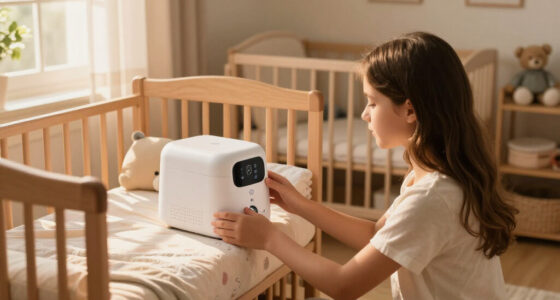
- White Noise Machines: Produce a steady, soothing sound that masks household noises. Think of the hum of a fan but more refined. These are especially effective because they create a consistent auditory backdrop, helping babies associate the sound with sleep. However, choosing the right volume and duration is crucial—too loud or long exposure can risk hearing health or dependency.
- Lullaby Players: Play gentle music or lullabies. Some mimic a mother’s voice or soft instrumental tunes. These can evoke a sense of comfort and familiarity, but overuse or overly stimulating tunes might interfere with sleep cycles. It’s important to select calming melodies and limit exposure to prevent overstimulation.
- Vibration Devices: Mimic the gentle rocking or vibrations of being held. Great for calming fussy babies who love movement, but excessive vibrations or reliance on them can sometimes disrupt natural sleep patterns. Their benefit lies in providing a soothing sensation that can help transition the baby into sleep, but they shouldn’t replace traditional sleep cues.
- Projectors: Combine soft sounds with calming visuals like stars or ocean waves on the ceiling. These are particularly engaging and can help distract or soothe a distressed baby. However, bright or flashing visuals can sometimes overstimulate, so selecting gentle, stationary projections is key to ensuring they promote relaxation rather than agitation.
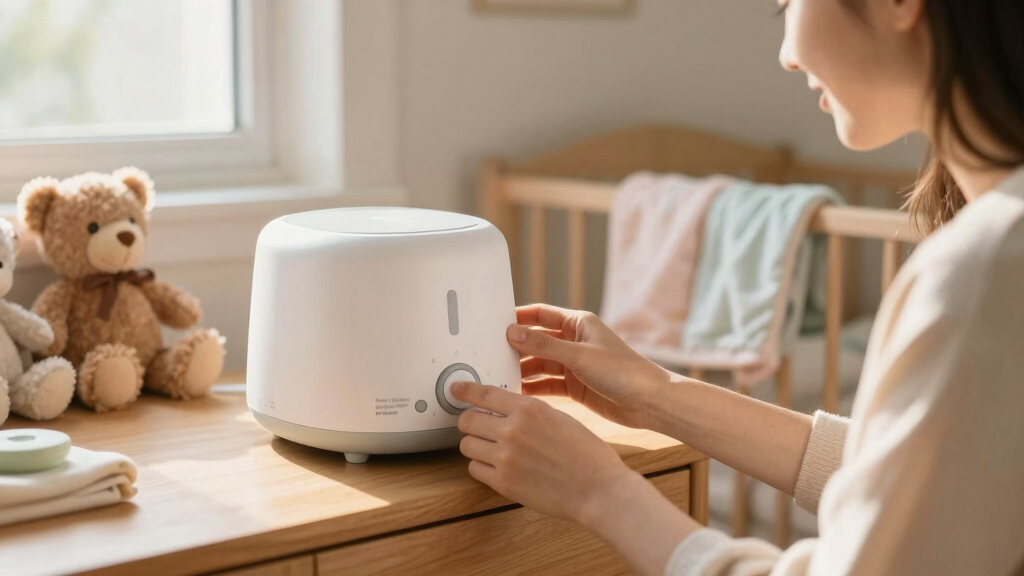
- Smart Devices: Offer customizable sounds, app control, timers, and even automation based on your baby’s sleep patterns. These integrate technology for tailored sleep routines, but their complexity might require a learning curve. The benefits include precise control and adaptability, which can be a game-changer for busy parents seeking personalized solutions.
For example, a parent might use a white noise machine during naps to block household sounds, then switch to a projector with calming stars at bedtime to create a visual cue for sleep. Understanding the core functions helps you select a device that fits your specific needs and your baby’s preferences, ultimately fostering a more consistent sleep routine.
As an affiliate, we earn on qualifying purchases.
How to Pick the Perfect Sound Quality and Volume Control
The sound quality and volume are the backbone of a soothing device. Clear, gentle sounds are less jarring and more calming because they mimic the natural sounds babies find comforting, such as heartbeat or gentle rain. Poor sound quality, with static or distortion, can be distracting or startling, defeating the purpose of soothing. Therefore, investing in a device with high-quality audio is essential for creating a peaceful environment.
Adjustable volume is equally important. Too high, and it risks damaging your baby’s hearing or causing overstimulation; too low, and it may be ineffective. Devices with preset sound profiles, like heartbeat, rain, or ocean waves, are beneficial because they tap into natural calming rhythms. Always opt for devices with a volume control that stays below 50 decibels—this level is considered safe for infants and helps prevent hearing damage over time.
Imagine setting a white noise machine at a gentle 45 decibels—just loud enough to mask household noise but quiet enough to protect delicate ears. Many modern devices include features like max volume limits and sound level indicators, giving you peace of mind and ensuring your baby’s safety. The right combination of sound quality and volume control can make the difference between a device that soothes and one that disturbs sleep, so choose wisely based on your environment and your baby’s response.
As an affiliate, we earn on qualifying purchases.
Safety First: What Features Keep Your Baby Protected?
Safety should be your top priority. A soothing device is a calming tool, not a hazard. Look for features that keep your baby safe and prevent overuse.
Key safety features include:
- Automatic shut-off timers: Turn the device off after 30, 60, or 90 minutes to prevent continuous noise exposure, which can lead to dependency or overstimulation. This also conserves battery life and prevents overuse, helping you establish healthy sleep habits.
- Breathable, enclosed designs: Minimize choking hazards and keep small parts out of reach. Devices with secure enclosures reduce the risk of accidents, especially if your baby is curious or tends to chew or grab objects.
- No small detachable parts: Especially important for portable or toy-like devices. Small parts can be choking hazards, so choosing models with durable, integrated components ensures safety during active play or sleep.
For example, a parent might select a white noise machine with a sturdy, enclosed speaker and a 30-minute timer. This setup provides calming sounds without risking safety or creating a sleep dependency. The goal is to balance effective soothing with risk mitigation, ensuring your baby’s environment remains safe and conducive to healthy sleep development.
As an affiliate, we earn on qualifying purchases.
Portable or Stationary? Picking the Right Power Source
Think about where and how you’ll use the device. Battery-powered units are portable—perfect for trips or moving around the house. They allow flexibility and can be used in different environments without needing a power outlet, but may have limited run times and sometimes lower sound quality. Conversely, plug-in models tend to offer more consistent performance, stronger sound output, and often more features, but lack portability. Consider your typical use case—if you frequently travel or move between rooms, a portable device offers convenience; if you want a reliable, always-on solution in the nursery, a stationary model might be better.
For example, you might keep a small battery-operated white noise machine on your bedside table for quick access and portability, while a larger, plug-in projector remains in the nursery, providing a stable environment for sleep routines. Also, check the power options—USB rechargeable batteries are convenient and eco-friendly, while traditional batteries or AC adapters might offer longer use without interruption. Choosing the right power source aligns with your lifestyle and ensures consistent soothing without the hassle of frequent recharging or battery replacements.
baby sleep projector with calming visuals
As an affiliate, we earn on qualifying purchases.
As an affiliate, we earn on qualifying purchases.
Making It Easy: User-Friendliness and Maintenance Tips
A soothing device should be simple to operate—no complicated menus at 3 a.m. Look for models with intuitive controls, large buttons, or straightforward app interfaces. Ease of use ensures that you can quickly turn on or adjust settings without frustration during late-night routines. Additionally, consider how easy it is to clean or wipe down the device, especially if your baby drools, makes messes, or explores with their hands. Devices with smooth surfaces and removable, washable covers or filters are preferable, simplifying maintenance and hygiene.
Durability is also key. Devices with sturdy casing, shock-resistant features, and long-lasting components tend to withstand daily use and accidental drops. For example, a parent might opt for a device with a large tactile button that can be operated by feel, or a simple app that doesn’t require technical expertise. Prioritizing user-friendly design and low-maintenance features helps ensure your device remains a reliable part of your sleep routine, reducing stress and keeping your nursery calm and safe.
What Smart Tech Is Changing the Game in Nursery Soothers?
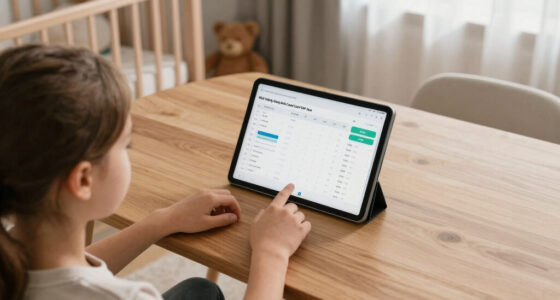
Smart nursery devices are transforming how parents approach sleep routines by integrating advanced technology. They connect seamlessly to smartphones or home automation systems, allowing remote control and customization that was previously unavailable. These devices often learn from your baby’s responses, adapting sound profiles over time for optimal calming effects. This personalization can significantly reduce bedtime stress, as the device becomes attuned to what works best for your child.
Recent innovations include features like:
- Personalized sound profiles: Some devices analyze your baby’s reactions and automatically adjust sounds to maximize comfort and effectiveness. This reduces trial-and-error, saving time and effort.
- Automation and timers: Enable the device to start or stop based on your baby’s sleep cycles or specific routines, creating a more natural sleep environment that adapts to your family’s schedule.
- Eco-friendly materials: Use of non-toxic, sustainable plastics and fabrics provides peace of mind about your baby’s health and the environment.
For example, a parent might use an app to set a soothing routine that begins with gentle rain sounds, then transitions to lullabies as the baby drifts into sleep. These smart features not only enhance the effectiveness of sleep cues but also streamline bedtime routines, making them less stressful and more consistent. As technology advances, these devices are becoming smarter, more intuitive, and better at creating a calming sleep environment tailored to each child’s needs.
What Should You Remember About Using Soothing Devices Safely?
Consistent white noise at safe volumes can help your baby sleep better, but overuse or improper placement can backfire. Too high a volume or placing the device directly next to your baby’s ears can cause hearing damage or overstimulation. Always follow manufacturer instructions carefully, including recommended distances and volume limits.
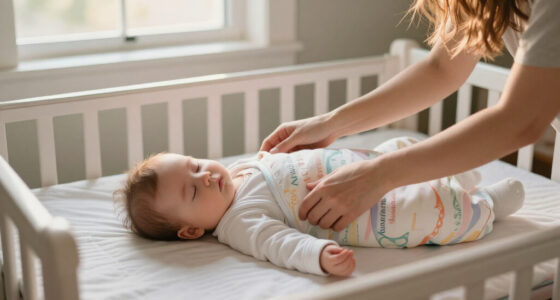
Keep the device at least 7-8 inches away from your baby’s ears to prevent potential hearing issues. Use timers to limit exposure duration—30 minutes is typically sufficient to help your baby settle. Turning the device off after they fall asleep reduces dependency and encourages natural sleep cues. Remember, the goal is to create a safe, soothing environment that promotes healthy sleep habits without reliance on continuous noise or visual stimulation. Consistent, mindful use of these devices can support your baby’s development and ensure safety for their delicate senses.
Frequently Asked Questions
Are soothing devices safe for newborns?
Yes, when used at appropriate volumes and with safety features like timers. Always follow manufacturer instructions and keep the device at least 7-8 inches from your baby’s ears.
What sound is most effective for calming my baby?
Many parents find white noise, pink noise, or womb sounds most soothing. Each baby’s preference varies, so it’s worth trying different options to see what calms your little one best.
How long should I keep the device on?
Use the device to help your baby fall asleep, then turn it off once they are asleep. Timers set for 20-30 minutes are usually enough to create a calming environment without fostering dependence.
Can a device harm my baby’s hearing?
If used at safe volume levels and with proper distance, the risk is minimal. Always monitor volume and avoid placing devices directly next to your baby’s ears.
Are smart nursery devices worth the investment?
They offer customization and automation that can simplify bedtime routines. If you appreciate remote control and adaptive features, they can be a worthwhile upgrade for modern parents.
Conclusion
Creating a calm nursery isn’t about gadgets alone; it’s about choosing a device that fits your baby’s personality and your safety standards. A gentle, consistent sound can become a sleep cue, turning chaos into calm.
Remember, the best soothing device is the one your baby responds to naturally and that you trust to keep safe. With thoughtful choices, those 3 a.m. wake-ups become a little easier, and your little one drifts off into peaceful sleep.
Halloween Picks
halloween
As an affiliate, we earn on qualifying purchases.