
TL;DR

Turn the school run and nap time into listening time
- Thousands of audiobooks, podcasts and originals
- Listen on your phone, tablet or Echo — also offline
- Cancel anytime
Different sound profiles—heartbeat, shushing, fan, or static—serve distinct purposes. Personal preference, environment, and goals should drive your choice, as recent research confirms their benefits for sleep and stress relief.
When it’s 3 a.m., and your baby won’t settle, or your mind refuses to quiet down, sound machines become your best friend. But not all sounds are created equal. The right profile can mean the difference between peaceful sleep and tossing and turning.
In this guide, you’ll learn how each type of sound—heartbeat, shushing, fan, or static—works, and how to pick what’s best for your night or your focus. Because understanding these tiny differences can make a huge difference in your quality of life, day or night.
Personality and environment determine your best sound profile; try multiple options to find your perfect match.
Heartbeat sounds are especially calming for infants and anxiety, mimicking a primal rhythm.
White and pink noise are proven to improve sleep quality by masking external disturbances.
Volume matters—keep it at a comfortable level to avoid hearing damage or sleep disruption.
Experimentation and consistency are your best tools for creating a calming sound environment.
What’s the Deal with Heartbeat Sounds? Why They Feel So Calming
Heartbeat sounds mimic the rhythmic thump of a gentle heartbeat—like your baby’s or your own. They’re often used for calming infants but have a surprising appeal for adults too. The steady, familiar rhythm taps into our primal need for safety and connection, easing anxiety and helping you drift off.
Imagine lying in bed, hearing a soft, rhythmic pulse—like a comforting hug wrapped in sound. It’s gentle, consistent, and almost like a lullaby made just for your brain to relax.
Research shows that heartbeat sounds can reduce cortisol levels—the stress hormone—and promote relaxation. They’re especially useful if you find white noise too harsh or mechanical. Because they evoke a sense of closeness and safety, these sounds can activate your parasympathetic nervous system, encouraging your body to unwind. However, it’s worth noting that some individuals might find the rhythmic pattern too predictable or monotonous over time, which could lessen their calming effect. The key is personal response—what soothes one person might not work for another, highlighting the importance of trying different sound profiles to see what resonates best with your mind and body.
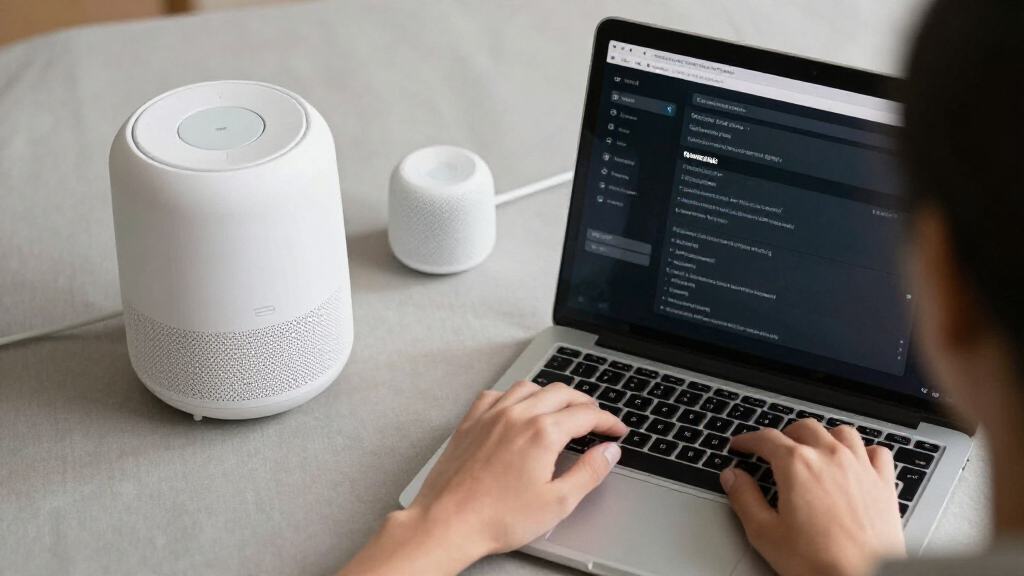
white noise sound machine for sleep
As an affiliate, we earn on qualifying purchases.
As an affiliate, we earn on qualifying purchases.
Shushing Sounds: The Gentle Whisper That Blocks Out Distractions
Shushing sounds are soft, consistent, white-noise-like noises that resemble the gentle hush of a parent’s finger against lips. They’re excellent at masking sudden noises—like a dog barking or a car passing—so your brain doesn’t get jolted awake.
Think of the soothing swish of wind through leaves or a quiet, sustained hush. For many, it’s like a calming spell that creates a cocoon of quiet around your sleep space.
According to BabyUI, shushing sounds can improve sleep onset and continuity by reducing the brain’s alertness to environmental noises. They function by raising the ambient noise floor, which makes unexpected sounds less perceptible, thus preventing abrupt awakenings. This masking effect is critical in noisy environments where external disturbances can fragment sleep. However, the effectiveness of shushing sounds depends on their consistency and volume—if they fluctuate or are too loud, they might become disruptive rather than soothing. Additionally, over time, some individuals might become habituated to the sound, reducing its masking efficacy. Understanding these tradeoffs helps you optimize your environment by selecting shushing sounds that are steady and at a comfortable volume, ensuring they serve as a reliable barrier against environmental interruptions without causing discomfort or sleep disruption.
heartbeat sound machine for infants
As an affiliate, we earn on qualifying purchases.
As an affiliate, we earn on qualifying purchases.
Fan Noises: The Steady, Soothing Hum That Sets the Stage
Fan sounds are the constant hum of a cooling device—steady, predictable, and unobtrusive. Many find it perfect for sleep or focus because it’s like a background soundtrack that never changes.
Picture the soft, rhythmic whirr of a fan on a hot summer night, filling the room with a gentle presence. It’s familiar, non-intrusive, and easy on the ears.
Studies note that fan sounds can improve sleep quality by maintaining a consistent auditory environment, especially in environments prone to sudden noises or temperature fluctuations. The steady hum not only masks disruptive external sounds but also provides a sense of environmental stability, which can be particularly comforting. The tradeoff, however, is that some might find the sound monotonous or disruptive if the volume is too high, potentially causing discomfort or difficulty falling asleep. Additionally, the white noise from a fan can sometimes interfere with concentration if it’s too loud or persistent. The key is balancing volume and consistency—using a fan at a moderate level to create a stable, calming background that supports restful sleep or focused work without becoming a source of distraction or annoyance.
As an affiliate, we earn on qualifying purchases.
Static or White Noise: The All-Over Sound to Mask Everything
Static or white noise is a broad-spectrum sound that covers all frequencies at once—like a TV with no signal or a breeze rushing past. It blots out other sounds, making it ideal for masking disruptive noises.
Imagine being in a busy city apartment, with sirens, footsteps, and honking all around. White noise acts as a barrier, creating a peaceful bubble where only your chosen sound plays.
Research from BabyUI shows that white noise and its cousin, pink noise, can significantly improve sleep quality by blocking out external disturbances. The broad spectrum of frequencies works by effectively masking a wide range of sounds, reducing the brain’s tendency to react to unpredictable noises. However, the effectiveness depends heavily on volume—if set too loud, white noise can cause hearing fatigue or damage over time. Also, some individuals might find the constant sound monotonous or distracting, especially if it’s at a high volume or if they’re sensitive to certain frequencies. The tradeoff involves balancing sound intensity to maximize masking while minimizing potential discomfort or harm. Using a safe volume level and choosing high-quality, consistent white noise can help you enjoy its benefits without adverse effects, making it a powerful tool for sleep and concentration when used thoughtfully.
As an affiliate, we earn on qualifying purchases.
Frequently Asked Questions
Which sound profile is best for sleep or relaxation?
It depends on your personal preference. Many find white or pink noise effective, but natural sounds like rain or ocean waves work well for others. Try different options to discover what calms your mind best.
Can sound profiles help with anxiety or stress?
Yes, certain sounds like heartbeat or shushing can promote calmness. They work by creating a predictable, soothing environment that reduces mental chatter and physical tension.
Are there risks to using sound profiles regularly?
Generally safe, but loud volumes can damage hearing over time. Keep the volume at a comfortable, safe level—roughly below 60 decibels—and avoid prolonged exposure at high volume.
How do I choose the right sound profile for my needs?
Start by considering your environment and goals. Test different sounds and note what helps you relax or fall asleep fastest. Personal preference is key—trust your ears and instincts.
Is there scientific proof supporting specific sounds?
Yes, research shows white noise, pink noise, and natural sounds can improve sleep and focus by masking external disruptions. Personal responses vary, so experimentation remains essential.
Conclusion
The right sound profile isn’t about following trends but about what makes you feel safe and relaxed. Whether it’s the steady thump of a heartbeat or the constant hum of a fan, your perfect match can turn restless nights into peaceful sleep.
Remember, your ears aren’t just listening—they’re telling your brain what to expect. Choose wisely, and let sound be your quiet ally in finding rest and focus.
Fall Picks
fall essentials
As an affiliate, we earn on qualifying purchases.