
TL;DR

Turn the school run and nap time into listening time
- Thousands of audiobooks, podcasts and originals
- Listen on your phone, tablet or Echo — also offline
- Cancel anytime
Sock monitors track metrics like heart rate, circulation, and activity levels. Interpreting these readings helps you spot health trends, detect issues early, and make informed decisions—if you know what to look for.
Sock monitor readings like heart rate and circulation can alert you to early health issues if you understand what they mean.
Tracking trends over time offers more insight than single measurements—look for patterns, not panic signals.
Recent tech improvements make these devices more accurate and comfortable, boosting their usefulness for daily health management.
Always interpret readings as part of a bigger picture—consult healthcare professionals for abnormal or concerning results.
Prioritize data privacy and security—choose reputable devices and review their privacy policies carefully.
What Do All These Numbers Actually Mean? A Simple Breakdown
Sock monitors collect a variety of data points—each telling a different story about your health. Think of them as a dashboard for your body’s vital signs. The most common metrics include step count, heart rate, blood circulation, and sometimes even skin temperature.
For example, if your sock shows a resting heart rate of 72 beats per minute, that’s within the typical adult range, indicating normal cardiovascular function. But if it suddenly spikes to 110, it might be your body’s way of saying something’s off—perhaps stress, dehydration, or an early sign of illness. Recognizing these numbers helps you understand your body’s current state and whether it’s functioning as expected. Over time, consistent patterns—like a gradually increasing heart rate—can signal stress buildup or emerging health issues, prompting you to seek medical advice before symptoms worsen.
Blood flow or oxygen saturation readings are a bit trickier. A drop in blood circulation could point to peripheral artery issues, especially in older adults or those with chronic conditions. If you notice a persistent decrease in circulation or oxygen levels, it could be an early warning sign of circulatory problems that, if left unchecked, might lead to serious health issues like tissue damage or ulcers. Recognizing these numbers isn’t about obsessing—it’s about spotting when something drifts outside normal ranges and taking proactive steps. Understanding these metrics allows you to catch potential issues early, often before you experience symptoms, thus enabling preventive action or lifestyle adjustments to protect your health.
As an affiliate, we earn on qualifying purchases.
How to Recognize Good vs. Bad Readings and Trends
One of the biggest mistakes is looking at a single number and freaking out or ignoring it. Instead, focus on trends over time. For example, if your daily step count suddenly drops from 8,000 to 3,000 over a week, that’s a red flag. It might mean illness, fatigue, or injury, and catching this early can prompt you to rest, seek medical advice, or adjust your activity levels. Recognizing these patterns helps you understand whether your body is responding well to your lifestyle or if there are underlying issues that need attention.
Similarly, a consistently high resting heart rate—say above 85 bpm—could signal stress, dehydration, or underlying cardiovascular strain. But if it’s a one-off spike during exercise, it’s usually normal. Tracking these patterns over days or weeks helps you distinguish between normal variations and signs of potential problems. For instance, a steadily increasing resting heart rate over several weeks might indicate rising stress levels or emerging health concerns, prompting a consultation with your healthcare provider.
Many sock monitors send alerts for abnormal readings. If you get notified of irregular heart rhythms, poor circulation, or unusual activity patterns, take it seriously. These alerts are designed to prompt you to consult a healthcare professional—think of them as early warning signals that can lead to timely diagnosis and intervention, potentially preventing more serious health issues down the line. Recognizing these patterns and responding appropriately can mean the difference between catching a health problem early and letting it develop into something more serious.
As an affiliate, we earn on qualifying purchases.
Sock Monitoring in Action: Real-Life Examples
Imagine an elderly parent wearing a sock monitor that tracks blood flow. Over several weeks, the device notices a gradual decline in circulation during nighttime. This pattern could indicate early signs of peripheral artery disease, which often develops slowly and can be asymptomatic initially. Recognizing this trend early allows for timely medical intervention, which can slow disease progression and improve quality of life. Early detection through trend analysis can prevent serious complications like ulcers or tissue damage, which might require invasive treatments if caught too late.
Or picture a fitness enthusiast who notices their heart rate stays abnormally high during rest periods. This might indicate overtraining, stress, or an underlying health concern. Monitoring this trend helps them adjust their workout routine, prevent burnout, and seek medical advice if necessary. By understanding such patterns, users can make informed decisions—whether to take a rest day, modify their activity, or consult a healthcare professional—enhancing their overall health management.
Understanding these patterns and their implications empowers you to take proactive steps—whether that’s consulting a healthcare professional or modifying your daily habits—ultimately giving you more control over your health journey.
As an affiliate, we earn on qualifying purchases.
The Latest Tech: What’s New in Sock Monitoring?
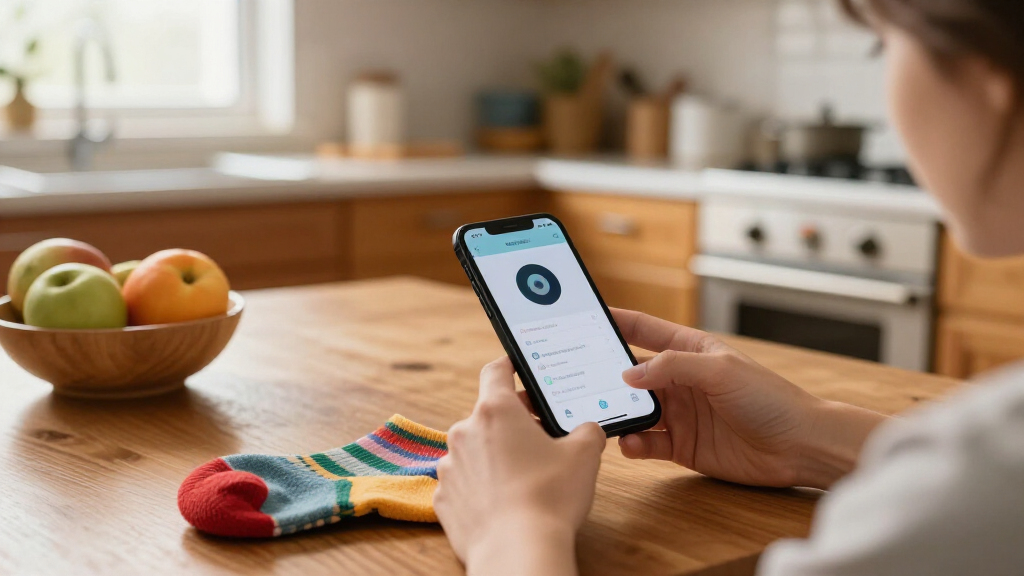
Recent advances have made sock monitors more accurate and user-friendly. Miniaturized sensors now better detect subtle changes in blood flow and oxygen levels, providing more reliable data. Some devices connect seamlessly with smartphone apps, giving instant feedback, trend analysis, and personalized insights over days or weeks. This integration helps users understand how their daily activities impact their health. The improved accuracy means fewer false alarms and more dependable data, which is crucial for making informed health decisions.
Artificial intelligence is starting to analyze data patterns, predicting health risks before symptoms become noticeable. For instance, an AI might detect irregular gait patterns or slight decreases in circulation that could indicate early issues, prompting preemptive medical consultation. This proactive approach allows for earlier interventions, potentially preventing serious complications. Moreover, AI-driven insights can help tailor lifestyle recommendations, such as suggesting specific exercises or rest periods, making sock monitors not just data collectors but active health advisors.
Plus, improvements in comfort mean you can wear these socks all day without discomfort. Breathable, soft fabrics and ergonomic designs make long-term use easier, especially for seniors or those with sensitive skin. These technological enhancements are making sock monitors more practical, accurate, and accessible for everyday health management, encouraging consistent use and better health outcomes.
As an affiliate, we earn on qualifying purchases.
What Do the Numbers Really Tell You? Key Facts You Need
| Metric | What It Means |
|---|---|
| Step Count | How active you are during the day. Fewer than 5,000 steps may suggest a sedentary lifestyle, which can increase risks for conditions like obesity and cardiovascular disease. Over 10,000 steps generally indicate good activity levels that support overall health. Recognizing these patterns helps you gauge whether your daily activity is sufficient for maintaining fitness. If your step count is consistently low, it might be time to incorporate more movement into your routine to improve circulation and overall well-being. |
| Heart Rate | Normal resting range is about 60-100 bpm. Persistent deviations—such as consistently high resting rates above 85 bpm—may indicate stress, fatigue, or underlying health issues like arrhythmias. Conversely, unusually low rates could suggest bradycardia. Monitoring these numbers helps you understand your cardiac health and whether lifestyle or medical attention is needed. For example, a rising trend in resting heart rate over weeks could signal increasing stress or health deterioration, prompting further investigation. |
| Blood Circulation | Good blood flow is vital for delivering oxygen and nutrients to tissues. Drops might signal circulation problems, especially in older adults or those with chronic illnesses. Recognizing declining circulation early can prevent complications like tissue damage and ulcers, making it crucial to interpret these readings carefully. Persistent decreases may warrant medical assessment to prevent progression to more serious conditions such as peripheral artery disease. |
| Oxygen Saturation | Healthy levels are generally 95-100%. Lower readings can indicate breathing or circulatory issues, such as sleep apnea or anemia. Persistent low saturation levels warrant medical evaluation, as they may signal the need for interventions to improve oxygen delivery and prevent serious complications. Noticing a gradual decline in oxygen saturation over days could be an early warning of respiratory problems that require prompt medical attention. |
Understanding these metrics in depth allows you to interpret your health data more accurately. Recognizing when values drift outside normal ranges provides an opportunity for early action—be it lifestyle adjustments or medical consultation—ultimately helping you maintain better health and prevent potential issues. The key is not just tracking numbers but understanding their implications and acting accordingly.
Frequently Asked Questions
How often should I check my sock monitor readings?
Check your data daily or weekly, depending on your health goals. Focus on trends rather than obsessing over every single number.Can sock monitors help manage chronic conditions?
Yes, especially for circulatory or cardiac issues. They provide continuous updates that can inform medication adjustments or lifestyle changes.Are sock monitors suitable for children or infants?
Most are designed for adults or seniors. For children, consult a pediatrician before using any wearable health tech.Conclusion
Understanding what sock monitor readings mean transforms raw data into a powerful tool for health awareness. Think of these numbers as your body’s early warning system—simple, silent, but telling you everything you need to know. Use this knowledge to stay proactive, not reactive, and keep your health in your hands—literally, in your socks.Halloween Picks
halloween
As an affiliate, we earn on qualifying purchases.