
TL;DR

Turn the school run and nap time into listening time
- Thousands of audiobooks, podcasts and originals
- Listen on your phone, tablet or Echo — also offline
- Cancel anytime
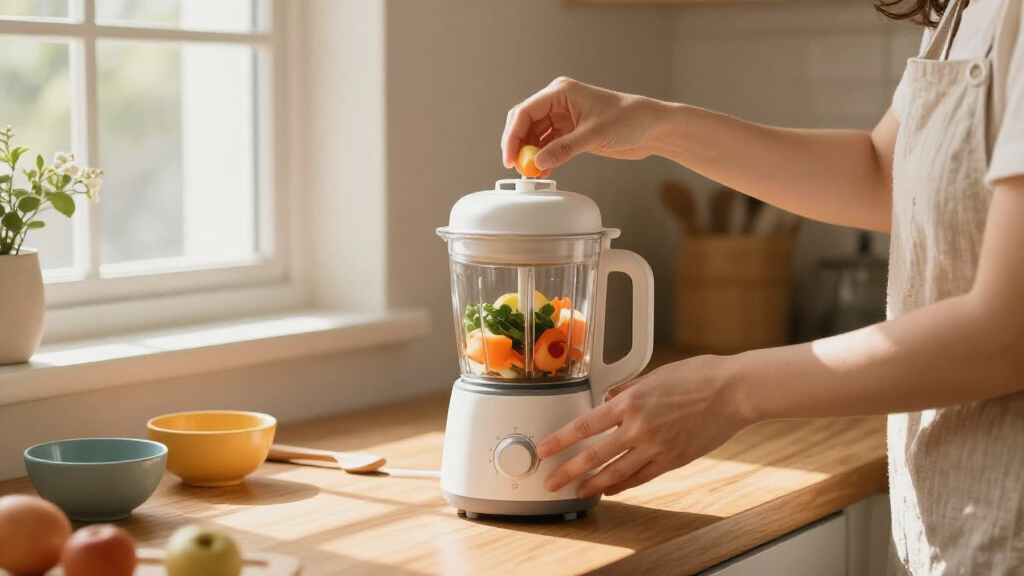
Batch prepping purees with your baby food maker streamlines feeding routines. Focus on capacity, safety, and variety while preparing components to mix and match later. This approach saves time and offers flexibility as your baby develops new textures.
Imagine chopping, steaming, blending, and storing all in one smooth flow—without feeling overwhelmed. This is the secret behind a practical batch-prepping system built around your baby food maker. It’s about making fewer trips to the kitchen, reducing waste, and offering your little one endless flavor combinations.
Whether you’re new to baby-led feeding or a seasoned parent juggling a busy schedule, a streamlined workflow can turn mealtime chaos into calm. It’s not about perfection; it’s about smart, repeatable steps that fit your baby’s growth and your kitchen. Ready to simplify your routine? Let’s get started.
Batch Prepping Purees: A Workflow Built Around Your Baby Food Maker
Turn chopping, steaming, blending, and storing into one repeatable flow. The goal is not a freezer full of fixed recipes—it is a flexible library of safe components that can grow with your baby’s appetite, preferences, and developing texture skills.
Circulation space supports even steaming and more reliable blending.
Single foods are easier to combine, adapt, track, and reuse.
Purees are a starting point, not a permanent destination.
Build around capacity, not ambition
The maker’s steaming basket, reservoir, minimum blending quantity, maximum fill line, and cycle time define the system. Respecting those limits produces more even cooking, smoother blending, less spillage, and fewer frustrating do-overs.
This is an example, not a universal fill rule. Always follow your maker’s manual, maximum line, water instructions, and minimum blending requirements.
Cut uniformly
Use similarly sized pieces so the center of each piece becomes tender at roughly the same time.
Group compatible foods
Keep dense vegetables apart from quick-cooking greens when their steaming times differ.
Check before blending
Confirm tenderness and thoroughly cooked animal proteins before moving to the blending stage.
Plan
Choose a small ingredient set and map it to capacity and cycle time.
Prepare
Wash hands, surfaces, produce, equipment, then peel, trim, and cut.
Steam
Cook compatible groups and verify that every component is fully done.
Blend
Process separately, adding safe liquid only when the texture requires it.
Store
Cool promptly, portion, label, chill or freeze, then clean the maker.
Components create more meals than recipes
Freezing ingredients separately creates a modular meal system. You can vary flavor, nutrition, and consistency while isolating a refused or poorly tolerated ingredient without discarding an entire mixed recipe.
Lentils or chicken
Build the meal around meat, poultry, fish, egg, tofu, legumes, or iron-fortified infant cereal.
Sweet potato
A soft, energy-supporting component that can be blended smooth or left increasingly thick.
Peas or broccoli
Add a contrasting color, flavor family, and nutrient profile to the freezer rotation.
Pear or berries
Use fruit for variety or pair a vitamin C-rich choice with plant-based iron.
Avocado or yogurt
Introduce age-appropriate energy-rich foods according to individual feeding guidance.
Already introduced
Include only an allergen that has been introduced safely and is appropriate for continued use.
Combine lentils with tomato, chicken with sweet potato, peas with pear, or fortified cereal with fruit. Keep newly introduced foods identifiable and follow your clinician’s advice when allergy risk or feeding concerns are present.
Anchor with iron. Expand with variety.
Iron-rich foods become especially important during complementary feeding. Pairing plant sources with vitamin C-rich foods may support absorption, while rotating proteins, produce, grains, and textures broadens the nutritional landscape.
Useful pairing logic
Five rotation lanes
Breast milk or infant formula remains the primary source of nutrition through much of the first year. Complementary foods add practice, variety, and important nutrients.
Let the batch evolve with the eater
Readiness matters more than a rigid calendar. Many babies show signs around six months, including good head control, sitting with support, bringing objects to the mouth, and swallowing rather than consistently pushing food out.
| Stage | Texture | Maker adjustment | Developmental purpose |
|---|---|---|---|
| 1Early practice | Thin or smooth puree | Blend thoroughly; add liquid gradually only if needed. | Introduces spoon feeding and a manageable first consistency. |
| 2More body | Thicker puree | Use less liquid and stop once the puree stays on the spoon. | Encourages more active oral movement. |
| 3Soft lumps | Fork-mashed | Pulse briefly or mash steamed components outside the maker. | Builds experience with safe variation and soft lumps. |
| 4Chew practice | Minced or shredded | Skip full blending; mince or finely shred thoroughly cooked food. | Supports increasingly complex mouth skills. |
| 5Self-feeding | Soft finger foods | Steam until soft and prepare safe, graspable shapes. | Encourages independent exploration when developmentally ready. |
Add liquid after blending begins
Too much liquid can dilute the food and stall texture progression. Begin with the cooked ingredient, assess movement in the blender, then add only a small amount at a time.
Design safety into every batch
Safe handling is part of the workflow, not a final check. Separate raw animal foods, cook thoroughly, cool promptly, use shallow portions, label clearly, and clean the maker immediately after use.
Keep raw meat, poultry, fish, and eggs away from ready-to-eat ingredients.
Use an appropriate food thermometer for animal proteins rather than color alone.
Transfer food into shallow portions so it chills and freezes efficiently.
Record the ingredient or combination and the preparation date.
Thaw in the refrigerator or with a safe reheating method—not on the counter.
Discard food left in the feeding bowl after the baby has eaten from it.
A system that learns with your baby
Separate components make each decision visible. You can identify what was served, change one variable at a time, observe acceptance, and adapt the next batch without rebuilding the entire menu.
Label
Ingredient and date
Select
Iron, produce, energy
Combine
Flavor and nutrient pairing
Adjust
Development-ready texture
Observe
Acceptance and tolerance
Refine
Plan the next batch
The repeatable loop
Plan → sanitize → cut → steam → check → blend → adjust → cool → portion → clean. Keep the batch small enough for the machine, modular enough for flexible meals, and textured for the skills your baby is developing now.
Maximize Your Machine’s Capacity for Smooth Workflow
Your baby food maker’s capacity isn’t just a number—it’s the foundation of your prep system. Understanding the importance of portioning based on capacity helps you avoid overloading, which can lead to uneven cooking or blending failures. Overfilling can cause ingredients to cook unevenly, resulting in inconsistent textures, or strain the machine, reducing its lifespan. Proper portioning ensures each batch cooks thoroughly and blends smoothly, maintaining the integrity of nutrients and textures.
For example, if your machine’s basket holds 2 cups, planning to steam only around 1.5 cups allows for circulation, heat distribution, and prevents spillage. This mindful approach minimizes waste, prevents frustration, and extends your equipment’s life. When you respect your machine’s limits, you also gain consistency in batch quality, making your prep process more reliable and less stressful.
Choosing ingredients and portion sizes that align with your machine’s capacity is crucial. Wash, peel, and cut ingredients into uniform pieces—small dice or cubes—so they steam evenly. Group dense vegetables separately from quick-cooking greens to optimize cooking times and textures. Once cooked, check for tenderness and prepare for blending, adjusting liquids as needed. This thoughtful planning ensures each batch is nutritious, safe, and consistent, reinforcing the importance of understanding and respecting your equipment’s limits for a smoother workflow.
baby food maker for batch prepping
As an affiliate, we earn on qualifying purchases.
As an affiliate, we earn on qualifying purchases.
Batch Components, Not Just Finished Recipes
Prepping individual components—like cooked peas, shredded chicken, or pureed apples—goes beyond convenience; it fundamentally influences your flexibility and nutritional management. When you prepare and store components separately, you create a modular system that allows you to customize meals based on your baby’s evolving preferences and developmental needs. This approach also minimizes waste—if your baby refuses a particular component, you can repurpose or reintroduce it in different combinations without having to redo entire recipes.
But why does this matter in the bigger picture? Separating components enhances your ability to adapt quickly to your baby’s changing tastes and nutritional needs. For instance, if your baby suddenly develops a preference for sweeter flavors, you can easily add fruit purees to existing components without starting from scratch. Conversely, if a certain ingredient causes a reaction or isn’t well tolerated, you can isolate it without discarding entire meals. This flexibility prevents unnecessary waste and gives you more control over your baby’s diet, ensuring they get a variety of nutrients without over-reliance on single recipes. It also encourages you to think more intentionally about meal composition, fostering a more responsive and personalized feeding approach.
As an affiliate, we earn on qualifying purchases.
Prioritize Iron & Keep Your Meal Variety Exciting
Iron-rich foods are essential for your baby’s growth and development, especially once they start solids, because they support cognitive and physical growth. But simply including iron sources isn’t enough—how you present and pair these foods can significantly impact absorption and overall nutrition. For example, offering pureed chicken or lentils provides a dense source of iron, but pairing them with vitamin C-rich foods like mashed tomatoes or bell peppers boosts absorption. This is because vitamin C helps convert iron into a form that’s easier for your baby’s body to absorb, making the nutrients more bioavailable. Ignoring this synergy can result in less effective iron uptake, potentially leading to deficiencies even if you include iron-rich foods regularly.
Varying the types of iron sources—meats, legumes, fortified cereals—and rotating vegetables and fruits not only prevents picky eating but also ensures a broader spectrum of nutrients. For example, alternating between lentils with spinach and beef with sweet potatoes exposes your baby to different flavors, textures, and nutrient profiles, which can help develop their palate and acceptance of diverse foods. This variety also reduces the risk of nutrient deficiencies, as different foods provide different essential vitamins and minerals. Remember, while breast milk or formula continues to provide most nutrition during the first year, introducing a wide range of iron-rich purees supports healthy growth and helps establish lifelong healthy eating habits. Making strategic pairings and rotating ingredients are key to maximizing nutritional benefits and keeping mealtime engaging for your little one.
baby food steaming and blending machine
As an affiliate, we earn on qualifying purchases.
As an affiliate, we earn on qualifying purchases.
Conclusion
Batch prepping purees around your baby food maker transforms a hectic task into a calm, efficient routine. Focus on small, versatile components, safety, and texture progression. Over time, this system becomes second nature—giving your little one nutritious, varied meals with less stress.
Remember: a thoughtful workflow not only saves your time but also boosts your confidence. As your baby grows, your prep system can evolve with them—making mealtime a joyful, stress-free part of your day.
As an affiliate, we earn on qualifying purchases.
Halloween Picks
halloween
As an affiliate, we earn on qualifying purchases.