
TL;DR

Turn the school run and nap time into listening time
- Thousands of audiobooks, podcasts and originals
- Listen on your phone, tablet or Echo — also offline
- Cancel anytime
You don’t need a formula machine to feed your baby safely away from home. Options like ready-to-feed, premeasured powder, and proper water handling make travel simple and safe. Focus on hygiene, correct measurements, and timely use for peace of mind.
When you’re on the move with a tiny passenger, every second counts. The idea of mixing formula away from home often feels complicated—measuring, cleaning, sterilizing. But it doesn’t have to be a headache. Knowing your options and how to keep everything safe can make feeding on the go smoother than you think.
In this guide, you’ll find practical tips, honest advice, and real-world examples to help you choose the best portable formula method for your family. Whether you’re just heading out for a quick errand or planning a longer trip, these strategies will keep your baby fed and happy—without lugging around a bulky machine.
Always measure water and powder carefully, following product instructions to avoid dangerous concentrations.
Unopened ready-to-feed formula is the safest portable choice for high-risk infants, as it remains sterile until opened.
Boil water when possible to reduce bacteria risk, especially in areas with questionable water supplies or for vulnerable babies.
Use insulated coolers with frozen packs to keep prepared formula below 40°F (4°C) during travel, preventing bacterial growth.
Prioritize hygiene—wash hands, clean bottles thoroughly, and sanitize equipment regularly, especially for infants under two months or with health issues.
Mixing Formula Away From Home
A formula machine is optional. Clean hands, exact measurements, safe water, temperature control, and timely disposal are what make feeding on the move safer and simpler.
Portable options, matched to the outing
The best format depends on trip length, water access, refrigeration, cost, and the baby’s health. Carry powder and water separately until needed unless prepared bottles can remain properly chilled.
Ready-to-feed
Best for: flights, short outings, uncertain water supplies, emergencies, and medically vulnerable babies. It needs no measuring but is heavier and usually costs more.
Powder + water
Best for: everyday outings and longer trips. It is light and economical, but powder is not sterile and every feed requires exact measurement.
Single-serving packets
Best for: compact travel. Packets are preportioned, but each must be mixed with its specified water volume and formula choices may be limited.
Dry dispenser
Best for: carrying several premeasured portions. Compartments must stay completely clean and dry, and powder should never be mixed in advance without safe cooling.
Liquid concentrate
Best for: trips with safe water and cold storage. It is sterile until opened but must be diluted exactly as directed and weighs more than powder.
Prepared bottles
Best for: known feeding times. Keep bottles at or below 40°F / 4°C with frozen packs and observe all storage and use limits on the label.
Convenience is only one variable
Sterility before opening, pack weight, measurement needs, and refrigeration requirements can matter more than warming. Babies may safely drink formula cold, at room temperature, or safely warmed.
| Option | Portable advantage | Measurement | Before opening | Main limitation |
|---|---|---|---|---|
| Ready-to-feed | ✓No water or mixing | ✓Premeasured | ✓Commercially sterile | ~Heavy and expensive |
| Powder + water | ✓Light and flexible | ~Exact scoops required | ✗Powder is not sterile | ~Water and hygiene risks |
| Single packets | ✓Compact portions | ~Exact water required | ✗Powder is not sterile | ~Limited product choice |
| Liquid concentrate | ~Fewer dry components | ~Exact dilution required | ✓Commercially sterile | ~Heavy; needs safe water |
| Prepared cooler bottle | ✓Ready to serve | ✓Completed at home | ~Depends on formula type | ✗Continuous chilling needed |
| Rechargeable warmer | ~Temperature convenience | ✗Does not measure | ✗Does not sterilize | ~Adds weight and charging |
✓ favorable attribute ~ additional care or tradeoff ✗ does not provide this safety function
A six-step clean mixing chain
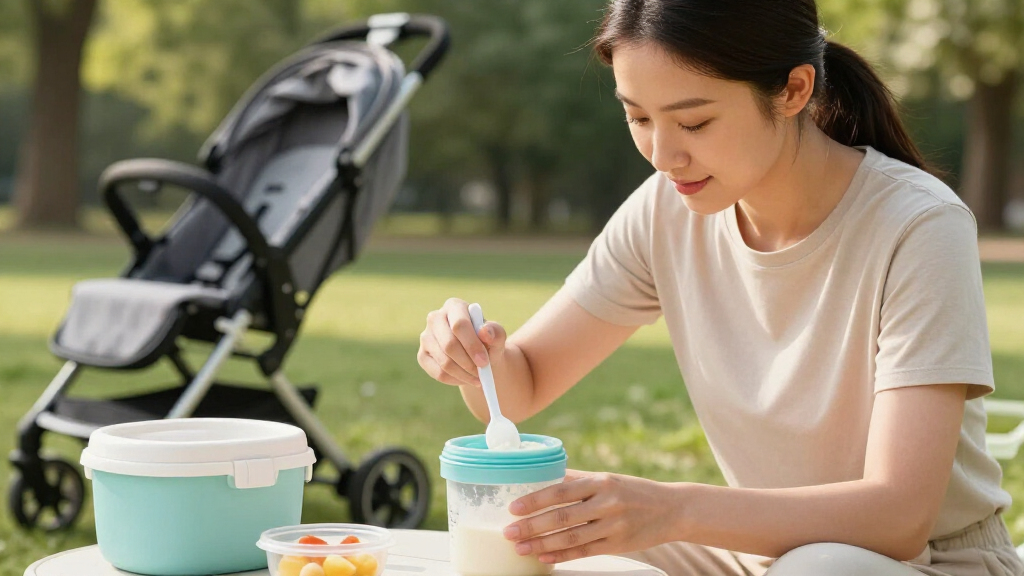
Prepare only on a clean surface. Keep hands and equipment away from the bottle rim, nipple, scoop, and inside surfaces after sanitizing or cleaning.
Clean hands
Use soap and water whenever possible.
Clean surface
Use a clean mat or fresh paper towel.
Water first
Pour the exact label-specified volume.
Level scoops
Use only the scoop supplied with the product.
Mix fully
Attach the nipple and cap, then mix thoroughly.
Serve promptly
Discard within one hour after feeding begins.
Extra water can cause inadequate nutrition and electrolyte problems. Extra powder can contribute to dehydration and place excessive strain on an infant’s kidneys.
Powder is not sterile
Powdered infant formula can occasionally contain harmful bacteria, including Cronobacter. Unopened ready-to-feed formula reduces this preparation-stage exposure because it is commercially sterile until opened.
Higher-risk infants
Caregivers should follow the product label and individualized guidance from their pediatric clinician, especially when a baby falls into one of these groups.
What each temperature controls
Cold storage slows bacterial growth. Very hot water may reduce bacteria in powder when public-health or clinical guidance specifically calls for that preparation method.
Safe drinking water
Tap water can usually be used when local authorities deem it safe. Carry it in a clean, food-grade, tightly sealed container.
Bottled does not mean sterile
Bottled, filtered, distilled, and “nursery” water are not necessarily sterile. Check local advice and the formula label.
Boiling has limits
Boiling kills many microorganisms but does not remove lead, nitrates, salts, or other chemical contaminants.
Five controls, one safer feed
Portable feeding works when every link remains intact. A warmer changes temperature; it cannot replace measurement, hygiene, sterilization, or safe storage.
Clean
Hands, bottle, surface, equipment
Measure
Exact water and level scoops
Mix
Use the product instructions
Control
Serve promptly or keep properly chilled
Discard
Never save saliva-exposed leftovers
The low-friction travel kit
Pack each item clean, dry, sealed, and easy to reach before the baby becomes hungry.
What are the safest portable formula options without a machine?
When you’re away from home, safety depends on how you prepare, store, and serve formula. The main choices are ready-to-feed, powdered formula with separate water, single-serving packets, and portable dispensers. Each has its perks and pitfalls.
Ready-to-feed formula is sterile, pre-measured, and requires no mixing. It’s perfect for emergencies or high-risk babies but can be bulky and expensive. Powder plus separate water is lightweight, economical, and widely available, but you need to measure carefully and use clean water. Single-serving packets pack a precise amount of powder, making them convenient but limited in options.
Understanding why each option matters helps you weigh the tradeoffs. For example, ready-to-feed is sterile, reducing bacterial risk, which is especially important for vulnerable infants, but its bulkiness makes it less ideal for longer trips. Powder is more economical and lighter but introduces risks if water isn’t properly sterilized or if measurements are off, potentially leading to over- or under-concentrated formula, which can impact your baby’s health. Single-serving packets strike a balance but limit flexibility.
Here’s a quick comparison:
| Option | Best For | Advantages | Limitations |
|---|---|---|---|
| Ready-to-feed | Short trips, emergencies | No measuring; sterile until opened | Costly, heavier, needs refrigeration after opening |
| Powder + water | Everyday outings, longer trips | Light, economical, flexible | Requires measuring, water safety, and cleanliness |
| Single-serving packets | One or two feeds | Preportion, compact | Limited formula choices, needs exact water volume |
| Portable dispenser | Multiple feeds | Inexpensive, easy to carry | Needs clean, dry compartments |
As an affiliate, we earn on qualifying purchases.
How to prepare formula safely when you’re away from home
Safe formula preparation hinges on cleanliness, accurate measurement, and water safety. These steps are critical because improper handling can introduce bacteria or lead to incorrect formula concentration, both of which can harm your baby. For example, using contaminated water or inaccurate measurements can cause dehydration, electrolyte imbalances, or expose your infant to harmful bacteria.
- Wash your hands thoroughly with soap and water. If unavailable, use hand sanitizer, but avoid touching the bottle rim or nipple afterwards to prevent contamination.
- Use a clean surface—like a disposable mat or a fresh paper towel—when preparing bottles in public places to minimize bacterial transfer.
- Pour the exact amount of water into the bottle first, using a clean, food-grade container. Proper water volume is essential to ensure the formula is neither too concentrated nor too diluted, both of which pose health risks.
- Add the correct number of level scoops of powder, using the scoop provided with the formula. Over- or under-measuring can lead to dehydration or nutrient imbalance.
- Secure the nipple and cap, then shake or swirl thoroughly to mix. Inadequate mixing can cause uneven nutrient distribution and affect digestion.
- Check the temperature—baby can drink at room temp, cold, or warmed—and serve promptly. Temperature affects safety; too hot and it risks burns, too cold or at room temperature, it’s safe but must be tested to ensure comfort.
- Discard any leftover formula after an hour of feeding to prevent bacterial growth. Reusing leftovers can expose your baby to bacteria introduced by saliva, increasing infection risk.
Never dilute formula or add extra powder to stretch supplies. Incorrect concentration can harm your baby’s kidneys, cause dehydration, or lead to malnutrition. Always follow the instructions on the label meticulously, as deviations can have serious health implications.
ready-to-feed baby formula travel packs
As an affiliate, we earn on qualifying purchases.
As an affiliate, we earn on qualifying purchases.
Powder isn’t sterile—what does that mean for your baby?
Powdered formula can sometimes contain bacteria like Cronobacter, which are harmless in most situations but pose serious risks to vulnerable infants—especially those under two months, premature babies, or infants with compromised immune systems. These bacteria can cause severe infections, including meningitis and sepsis. Unlike ready-to-feed formula, which is sterilized during manufacturing, powder remains a potential source of bacteria because it isn’t subjected to the high heat processes that kill pathogens.
For high-risk infants, the safest choice is unopened ready-to-feed formula, which remains sterile until opened and minimizes bacterial exposure. If you must use powder, mixing it with water heated to at least 158°F (70°C) effectively kills bacteria. Cooling it quickly to feeding temperature is vital because bacteria can proliferate rapidly if the formula remains hot or is stored improperly.
Always follow your pediatrician’s advice and the formula label instructions. Handling hot water carefully prevents burns, and avoiding reusing bottles or leftover formula further reduces bacterial risks. These precautions aren’t just about following rules—they’re about understanding the real health implications for your baby. Proper handling and awareness of these risks can be the difference between safe feeding and preventable illness, especially in vulnerable infants.
As an affiliate, we earn on qualifying purchases.
Water safety: what you need to know for travel
Water quality is crucial when preparing formula away from home. Not all bottled or filtered water is sterile; some may contain bacteria, chemicals, or other contaminants that can pose risks to your baby’s health. Boiling water is the most reliable method to eliminate microbes, especially in areas with questionable tap water—this is critical for vulnerable infants or when water safety is uncertain.
Use a clean, food-grade container to carry water. If your tap water isn’t reliable or safe, opt for unopened bottled or distilled water—reading labels carefully ensures safety. Boiling kills microbes but does not remove chemical contaminants; in some cases, chemical pollutants may require specific filtration or avoidance altogether. Understanding these tradeoffs helps you make informed choices that protect your baby’s health.
When in doubt, ready-to-feed formula offers the highest safety margin since it’s sterile until opened. Always follow your pediatrician’s advice about fluoride, water safety, and appropriate water sources in your area. This knowledge empowers you to balance convenience with safety, ensuring your baby’s nutrition isn’t compromised by preventable waterborne risks.
As an affiliate, we earn on qualifying purchases.
Proper storage and timing to keep formula safe on the go
Proper storage and timing are essential to prevent bacterial growth in formula during travel. Prepared formula left at room temperature can become unsafe within just an hour because bacteria from saliva or environmental sources can multiply rapidly, especially if the formula is warm. Refrigeration at 40°F (4°C) or colder is recommended if you won’t be feeding immediately; this slows bacterial growth significantly and maintains formula safety.
Transporting prepared formula in an insulated cooler with frozen ice packs helps keep it below 40°F (4°C), which is crucial for preventing bacterial proliferation. Once feeding begins, bacteria from saliva can quickly contaminate the remaining formula, so leftovers should be discarded after an hour—even if refrigerated—because bacteria can multiply rapidly at room temperature.
Always plan your feeding schedule to minimize leftover formula, and avoid reusing bottles or leftovers from previous feeds. Proper storage practices aren’t just about convenience—they’re critical for your baby’s health, especially when on the go. Recognizing the rapid pace at which bacteria can grow informs your approach to safe feeding practices, reducing the risk of infections and gastrointestinal issues.
Warming formula safely without a machine
Many babies prefer their formula warm, but warming doesn’t need to be complicated—or involve a machine. Placing a sealed bottle in a cup of warm water, running warm water over the bottle, or using a portable bottle warmer following its instructions are simple, effective methods. These techniques allow you to gently heat the formula without risking burns or uneven heating that microwaves can cause. Always test the temperature before feeding to ensure it’s comfortably warm but not hot, which can scald your baby’s mouth or damage nutrients.
Avoid microwaves entirely. Microwaves heat unevenly, creating dangerously hot spots that can burn your baby’s mouth or cause the formula to scald. They can also damage the bottle or alter the formula’s composition. Using a controlled, gentle warming method preserves the integrity of the nutrients and ensures your baby’s safety. Remember, formula can be safely given at room temperature or cold if your baby accepts it—warming is a matter of personal preference, not nutritional necessity. Prioritizing safety and testing temperature helps prevent accidents and ensures your baby enjoys feeding time.
Cleaning bottles on the road: what really works
Keeping bottles clean while traveling is vital to prevent bacteria buildup, which can cause infections or illness in fragile infants. Carry enough clean bottles for the outing, and keep used ones in a sealed bag until washing. When washing away from home, wash hands first, then use a dedicated basin or sink. Use hot water and dish soap, a bottle brush, and rinse thoroughly to remove milk residues and bacteria. Air-dry all parts on a clean, dry surface to prevent mold and bacterial growth. Regular sanitizing—boiling, steaming, or dishwasher—adds an extra layer of safety, especially for preemies or immunocompromised babies.
Investing in a portable sterilizer or steam bags can significantly reduce risk by ensuring thorough cleaning in any environment. These tools are especially helpful when traveling, where access to proper sanitation might be limited. Good hygiene isn’t just about cleanliness; it’s about reducing the risk of bacteria transmission, which is critical for tiny, vulnerable immune systems. Making bottle cleaning a routine part of your travel preparations ensures your baby’s safety and comfort, giving you peace of mind during your outings.
Travel tips: making formula work on any trip
Planning ahead is key to smooth, safe feeding during travel. For short outings, a ready-to-feed bottle or pre-measured powder with safe water is convenient. For longer trips, pack multiple clean bottles, a dry dispenser, and a small cooler with ice packs to keep formula safe. If flying, check current security rules—most liquids, including formula, are permitted beyond usual limits. Present feeding supplies separately at security, and carry extra in case of delays or unforeseen circumstances.
Hotels with mini-fridges are ideal, but always verify they’re cold enough and clean. Road trips? Keep bottles in the passenger seat, not the trunk, and avoid warming formula on dashboards where temperature control is poor. Bringing a portable cooler or insulated bag ensures your supplies stay cold and safe. With a little planning, feeding your baby on the go becomes just another part of the adventure, not a stressful chore. Remember, flexibility and preparedness are your best tools for safe, enjoyable travel with your little one.
Common mistakes to avoid during portable formula prep
Many parents make simple errors that can threaten baby’s health. For example, putting powder into the bottle before measuring water can lead to incorrect concentrations—either too strong or too weak—both of which can cause health issues like dehydration or nutrient imbalance. Using scoops from other formulas or estimating partial scoops increases the risk of mismeasuring, which can have serious consequences for your baby’s development. Preparing multiple bottles and leaving them at room temperature for extended periods allows bacteria to multiply, increasing infection risk. Reusing partially consumed bottles without proper cleaning also introduces bacteria from saliva, which can cause illness.
To stay safe: always measure carefully, discard leftovers after one hour, and follow manufacturer instructions precisely. Small errors in preparation or handling can lead to significant health problems, including gastrointestinal infections and dehydration. Being meticulous isn’t just about following rules—it’s about understanding the potential dangers and taking every precaution to protect your baby’s health. Better to double-check than to face preventable health issues later. Vigilance and proper technique are your best defenses against common pitfalls in portable feeding.
Recent trends and what they mean for busy parents
The 2022 formula recall spotlighted the non-sterile nature of powder, pushing more families toward ready-to-feed options for high-risk babies. Portable devices like rechargeable warmers, compact dispensers, and insulated coolers are expanding options—making travel easier and more convenient. These trends reflect a growing awareness of safety and convenience, offering parents more tools to manage feeding on the go.
However, these devices aren’t foolproof. Incorrect settings, residue from improper cleaning, or using devices without proper maintenance can introduce risks, including bacterial contamination. Combining formats—using powder for routine use due to its cost-effectiveness and ready-to-feed for travel—provides flexibility without sacrificing safety. Staying informed about recalls, product updates, and best practices helps parents make better choices and adapt to new innovations responsibly. Planning ahead with knowledge minimizes stress and ensures your baby’s safety remains a priority amidst evolving technology and trends.
Ultimately, understanding these trends allows you to balance safety, convenience, and cost, ensuring your baby’s nutrition is never compromised during travel—giving you peace of mind and more quality time with your little one.
Frequently Asked Questions
Can I prepare formula in advance and store it?
Yes, mixing formula and refrigerating it at 40°F (4°C) or below is safe for up to 24 hours. However, mixing at feeding time reduces storage risks and makes it easier to serve fresh, safe bottles.
Is it safe to carry warm water in a thermos for mixing?
Yes, carrying warm water in a well-insulated thermos is fine, but don’t store prepared formula in the thermos. Always add powder to water just before feeding to prevent bacteria growth and ensure freshness.
How do I handle formula when water quality is questionable?
When water safety is uncertain, opt for unopened ready-to-feed formula or boil water thoroughly—at least 158°F (70°C)—then cool it before mixing. Always follow local health guidance and your pediatrician’s advice.
Can I reuse leftover formula from a bottle?
No. Once a baby has started drinking from a bottle, saliva introduces bacteria that can multiply quickly. Discard any leftover formula after an hour to prevent health risks.
What’s the safest way to warm formula on the go?
Use a cup of warm water, run warm water over the bottle, or a portable warmer—never microwave. Always test the temperature before feeding to avoid burns or dangerously hot spots.
Conclusion
Feeding your baby on the go doesn’t mean giving up safety or convenience. Choosing the right portable formula method—whether ready-to-feed, powdered with careful handling, or a combination—can make trips smoother and safer.
Remember, meticulous hygiene, correct measurements, and timely use are your best tools. With a little planning, you can keep your baby fed, happy, and healthy—anywhere life takes you.
Fall Picks
fall essentials
As an affiliate, we earn on qualifying purchases.