TL;DR

Turn the school run and nap time into listening time
- Thousands of audiobooks, podcasts and originals
- Listen on your phone, tablet or Echo — also offline
- Cancel anytime
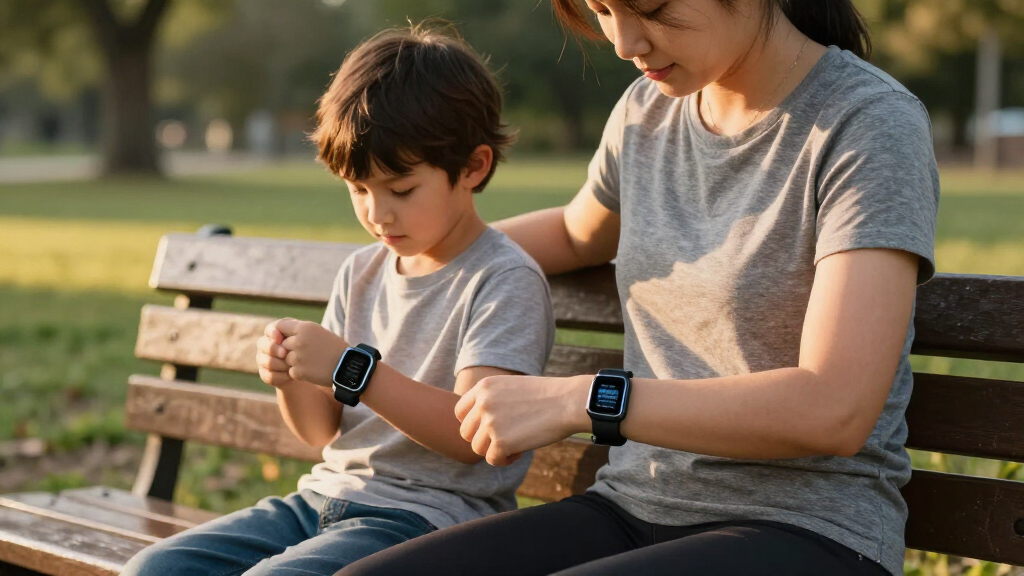
Subscription wearables often start cheap but can get costly over time, while no-subscription options offer predictability but may lack ongoing updates. Your choice depends on long-term value, data control, and how you use the device.
Subscription vs No-Subscription Wearables: The Long-Term Considerations
Subscription wearables often start cheap but get costly over time, while no-subscription options offer predictability but may lack ongoing updates. Your choice depends on long-term value, data control, and how you actually use the device.
How much will it really cost over years?
The sticker price is only part of the story. A device with a low initial price can become a money pit if it requires ongoing payments or frequent replacements. Think beyond the tag: hardware price + membership fees + likely replacements − included credits.
What happens when the subscription ends?
The most overlooked question. Imagine tracking sleep and recovery for two years, only to find the detailed trends vanish after cancellation. Distinguish sensor-based features from subscription-dependent ones.
Sensor-based basics
Heart-rate readings, step counts, and basic activity tracking typically remain available after cancellation — the sensors are in the hardware you already own.
Interpreted insights
Readiness, recovery, stress and sleep scores, historical trends, detailed reports, personalized coaching and smart recommendations frequently disappear behind the paywall.
The key test is behavioral value. Subscriptions justify themselves with adaptive coaching, evolving analytical models, community challenges and regular reports. If the fee mostly unlocks graphs you could get from sensors alone, stick with the core purchase features.
The long-term scorecard
Eight dimensions that decide whether your wearable stays useful, affordable, and private as time goes on.
| Dimension | Subscription Wearable | No-Subscription Wearable |
|---|---|---|
| Upfront cost | ✓ Lower entry price | ✗ Higher initial outlay |
| 3-year total cost | ✗ Can reach ~2× the price | ✓ Predictable, usually cheaper |
| Feature continuity | ~ Advanced insights tied to payments | ✓ Core features always included |
| Software updates | ✓ Funded by recurring revenue | ~ May slow or stop |
| Data access after exit | ✗ Often restricted or paywalled | ✓ Export usually unconditional |
| Hardware lifespan | ~ Fees don’t guarantee replacements | ~ Same wear, same batteries |
| Ecosystem lock-in risk | ✗ Higher — cloud & account dependent | ✓ Open standards more common |
| Coaching & adaptive value | ✓ Genuinely evolving services | ✗ Static feature set |
Who owns your data — and can you take it with you?
Wearables gather intimate details: sleep patterns, heart rate, location, mood, menstrual-cycle data and daily routines. Before committing, verify export options, standard formats, deletion rights, and whether export requires an active subscription.
Export & transfer
Some makers allow raw data export in standard formats; others restrict access or lock detailed sleep-stage data behind a paywall. Limited portability means costly ecosystem lock-in.
Privacy exposure
AI-generated insights depend on manufacturer servers. Sensitive sleep and stress data may be shared or sold unless you opt out — and wearable data isn’t necessarily covered by healthcare privacy laws.
Estimates, not diagnoses
Sleep-stage detection can be off by 10–20% versus sleep studies; calorie counts are estimations at best. A few features carry FDA clearance — most wellness scores guide habits, not medicine.
Will your device still be useful in 3–5 years?
Batteries degrade, sensors wear out, waterproof seals weaken, and startups can fold — leaving hardware that can’t sync or update. Check repairability, warranty policies, battery-service plans and replacement-part availability before buying.
Companies that frequently update their app, maintain servers, and offer replacement parts are far more likely to keep your device functional long-term.
Play the long game before you pay
Five steps that save you money and frustration — whether you prefer a predictable upfront cost or a flexible subscription.
Calculate 3–5 yr cost
Hardware + fees + replacements − credits. Compare against a one-time alternative.
Test cancellation terms
Ask what exactly disappears: scores, reports, history, or just extras?
Judge behavioral value
Does it improve decisions and motivation — or just display more numbers?
Check export & privacy
Standard formats, offline features, deletion rights, transparent policies.
Verify support record
Update history, warranty terms, replacement parts, ecosystem compatibility.
Total Cost of Ownership: How Much Will It Really Cost Over Years?
When comparing wearables, the sticker price is only part of the story. A device with a low initial price can become a money pit if it requires ongoing payments or frequent replacements. For example, a $250 wearable with a $10 monthly membership adds up to about $610 in three years—nearly double the initial cost. Meanwhile, a $400 no-subscription device might be cheaper in the long run if you’re not paying ongoing fees. Think beyond the price tag: include potential hardware replacements, software upgrades, and hidden fees. Annual plans often seem cheaper per month but lock you into long-term commitments. Watch out for free trials or bundled memberships that mask the true ongoing costs. Calculating total ownership over 3, 5, or even 10 years helps avoid nasty surprises and reveals which model saves you money in the end.
As an affiliate, we earn on qualifying purchases.
What Happens When the Subscription Ends? Will Your Data & Insights Vanish?
The most overlooked question: If you cancel your subscription, what do you lose? Some companies restrict access to your historical data, reports, or advanced insights once you stop paying. Imagine you’ve tracked your sleep and recovery for two years, only to find all the detailed trends disappear after cancellation. Many devices still track basic metrics like steps or heart rate, but personalized coaching, in-depth reports, or smart recommendations often vanish. Be sure to understand whether core features are sensor-based or subscription-dependent. For instance, heart-rate readings might remain, but your personalized sleep score history could be inaccessible. This is vital for long-term health tracking or if you plan to switch devices later.
As an affiliate, we earn on qualifying purchases.
Is the Subscription Truly Worth It? When Do Extras Actually Add Value?
Subscriptions shine when they unlock ongoing, meaningful benefits—like personalized coaching, adaptive training, or new analytical models that genuinely help you improve. For example, a service that updates its insights based on your progress or offers community challenges can motivate you long-term. But if the fee mostly unlocks basic graphs or scores you could get from sensors alone, that’s a less compelling reason to pay monthly. Ask yourself: does this service help you make better decisions? Does it save time, reduce stress, or keep you motivated? If the answer is yes, then the subscription might be a wise investment. Otherwise, it’s probably better to stick with the core features included in the purchase price.
As an affiliate, we earn on qualifying purchases. As an affiliate, we earn on qualifying purchases.subscription-free activity tracker
Hardware Lifespan & Replacement: Will Your Device Still Be Useful in 3-5 Years?
Wearables don’t last forever. Batteries degrade, sensors wear out, and the physical device can get scratched or damaged. For example, a fitness band might need a new battery after two years, or a smartwatch’s waterproof seals may weaken. Many companies offer limited warranties or battery replacement plans, but these often come at extra cost. Long-term, you may face the pressure to upgrade for new features or better performance. If you rely heavily on cloud features, software support may end before your hardware wears out. Check the device’s repairability, warranty policies, and whether replacement parts are available. A device that lasts longer and is easier to repair can save you money and frustration down the line.
As an affiliate, we earn on qualifying purchases.
Who Owns Your Data? Can You Export & Move It Freely?
Wearables gather intimate details—sleep patterns, heart rate, location, mood, and more. But what happens to your data if you cancel or switch devices? Some companies allow you to export raw data in standard formats, while others restrict access or require a subscription. For instance, you might be able to download your heart-rate logs, but detailed sleep stage data could be locked behind a paywall. Also, consider whether you can transfer your data to another platform or device. If data portability is limited, you risk ecosystem lock-in—making future switching costly or complicated. Always verify export options and data ownership rights before committing.
Privacy & Cloud Dependence: Are You Comfortable With Your Data in the Cloud?
Many advanced insights come from cloud processing—think AI-generated reports or detailed analytics. This means your device depends on manufacturer servers, which raises privacy questions. For example, some devices upload sensitive sleep or stress data to remote servers, which might be shared or sold unless you opt out. Check whether core features work offline or if all your data is stored and processed in the cloud. Look into encryption, account security, and data-sharing policies. Remember, wearable data isn’t necessarily protected by healthcare privacy laws. If privacy matters, choose devices with strong local storage, minimal data sharing, and transparent policies.
Will the Company Still Support Your Device in 3-5 Years?
Support quality varies. A company that frequently updates its app, maintains servers, and offers replacement parts is more likely to keep your device functional long-term. But if a brand has a shaky history—frequent app crashes, sudden discontinuations, or reliance on proprietary ecosystems—your device could become obsolete. For example, some startups fold after a few years, leaving users stranded with hardware that can’t sync or update. Watch for signs like short support histories, dependence on a single app, or unclear upgrade policies. A stable company with a track record of consistent updates is worth considering if longevity matters.
Accuracy & Medical Reliability: Do These Devices Actually Measure What Matters?
Most consumer wearables estimate health metrics—not diagnose. They use algorithms that interpret sensor data, but aren’t always clinically validated. For example, sleep stage detection might be off by 10-20% compared to sleep studies, and calorie counts are estimations at best. If you’re using a device to track recovery or stress, check its validation status. Some devices have FDA clearance for certain features, but most wellness scores are for habits—not medical diagnosis. Use these tools to guide your lifestyle, but never replace professional advice for health issues.
Ecosystem Compatibility: Will It Play Nice With Your Phone & Apps?
The value of a wearable often hinges on how well it integrates with your existing tech setup. Check if it supports iPhone or Android, syncs with Apple Health or Google Fit, and supports third-party apps or devices you already use. For example, a fitness tracker that syncs seamlessly with your gym’s equipment or your favorite workout app makes long-term use easier. Consider future device upgrades—will you be able to switch phones or platforms without losing data? Devices with open standards and flexible integrations are less likely to trap you in a single ecosystem.
Comfort & Daily Practicality: Will You Actually Wear It for Years?
No matter how many features a device has, if it’s uncomfortable or difficult to wear, you won’t keep it long. Imagine a bulky smartwatch that chafes or a charging process that takes 30 minutes daily. For instance, some sleep trackers are so bulky that they wake you up or cause discomfort. Consider factors like battery life, size, weight, screen brightness, and ease of charging. If a device causes fatigue or distraction, your motivation to wear it diminishes. The best long-term wearables are those that blend into daily life—comfortable, unobtrusive, and simple to maintain.
Emerging Trends: The Future of Wearables & How They Impact Your Choice
Today, software and services are shaping the wearables market more than hardware alone. AI-driven coaching, hybrid models combining free core features with paid extras, and passive health trackers like smart rings are on the rise. For example, some companies now offer AI summaries of your health data that adapt over time, but often require ongoing subscriptions. Ecosystems from Apple, Google, and Samsung are expanding their health features without necessarily charging extra, pressuring dedicated wearables to justify recurring fees. Battery life improvements, privacy regulations, and the rise of medical-grade wearables blur the lines between wellness and healthcare. These trends mean your long-term choice should consider not just today’s features, but how the business model will evolve.
Advantages of Subscription Wearables & When They Make Sense
Subscription wearables often come with a lower upfront cost and offer ongoing improvements. They focus on interpretation—providing personalized insights, coaching, and regular reports that help you make better decisions. For instance, a device with a subscription might suggest tailored recovery routines or new training plans as you progress. The company’s continuous investment in software means your device can get smarter over time, not just newer hardware. If you actively use coaching and want the latest analysis, subscribing can feel like having a personal trainer in your pocket. But weigh this against long-term costs and dependency on the company’s ecosystem.
Drawbacks of Subscription Models & Why They Might Not Be Right for You
Ongoing fees can add up—potentially doubling or tripling the initial device cost over several years. Plus, if the company discontinues support or raises prices, your device could lose value or functionality. Many subscription-dependent features are tied to cloud services—meaning if the servers go down or you cancel, your data and insights might vanish. This dependency can lead to frustration if you’re used to ownership without strings attached. Also, paying monthly or yearly can create pressure to constantly justify the expense, even if your needs change or your goals shift. For many, this long-term cost and uncertainty outweigh the benefits.
Benefits of No-Subscription Wearables & When They Outperform
No-subscription wearables often come with a higher one-time price but offer predictable costs. You get core features—like step counting, heart rate, sleep tracking, and GPS—without ongoing payments. For example, a Garmin or Fitbit device can last several years and still provide useful data without a subscription. They’re easier to switch or upgrade because you’re not tied to a monthly fee. If your goal is basic fitness, or you prefer to control your data and costs, these devices deliver reliable performance without the ongoing financial commitment. They’re especially good for casual users or those wary of subscription trap-doors.
Long-Term User Profile: Who Should Pick Which Model?
If you’re a dedicated athlete or someone who values in-depth coaching, a subscription wearable might be right. These devices often provide detailed insights, adaptive plans, and community features that motivate consistent effort. Conversely, if you mainly want basic health metrics—like steps, sleep, or heart rate—and prefer predictable costs, a no-subscription device works well. Think about your usage pattern: do you want continuous improvement or simple tracking? A hybrid approach—core features included, with optional premium services—can offer the best of both worlds. Your long-term choice hinges on your priorities: ongoing coaching or predictable ownership.
A Practical Checklist Before Buying Your Wearable
Before you buy, run through this quick checklist:
- Calculate the 3- and 5-year total cost, including hardware, subscriptions, and replacements.
- Identify which features require ongoing payment or upgrades.
- Verify what remains available after cancellation—are your data and reports accessible?
- Check export options for your raw data and reports.
- Review warranty, battery replacement, and repair policies.
- Ensure software support and updates are promised for several years.
- Confirm compatibility with your phone, apps, and health platforms.
- Read privacy policies and data-sharing controls.
- Determine if core functions depend on cloud services or local processing.
- Understand trial cancellation and renewal terms.
- Make sure the device remains useful if your goals change later.
Common Questions: What You’re Really Asking About Wearables & Subscriptions
Is a subscription wearable worth it? It depends on how much you value ongoing coaching and insights. If you act on the advice, it can be a good investment. For simple metrics, a no-subscription device often offers better long-term value.
How much will it cost over several years? Add hardware, all membership fees, accessories, and replacement costs. Compare totals at 3 and 5 years to see the true long-term expense.
Will my device still work if I cancel? Usually some features remain, but many insights or reports disappear. Check what’s included in basic mode before you buy.
Can companies start charging for features I paid for? Yes, terms can change. Permanently free features aren’t guaranteed unless explicitly promised.
Do major brands require subscriptions? It varies. Some include extensive free features, while others hide the best tools behind paywalls. Check current policies.
Conclusion
Your choice between subscription and no-subscription wearables hinges on long-term value. Think about what you really need—coaching, detailed insights, or simple tracking—and how much you’re willing to spend over years. The best device isn’t just the newest or cheapest today; it’s the one that stays useful, private, and affordable as your needs evolve. Remember, a wearable should serve you long after the shiny box arrives, not just when you first open it.
Invest wisely, and your wearable can be a trusted partner—helping you make better choices, stay motivated, and keep your data safe for years to come.
Halloween Picks
halloween
As an affiliate, we earn on qualifying purchases.