
TL;DR

Turn the school run and nap time into listening time
- Thousands of audiobooks, podcasts and originals
- Listen on your phone, tablet or Echo — also offline
- Cancel anytime
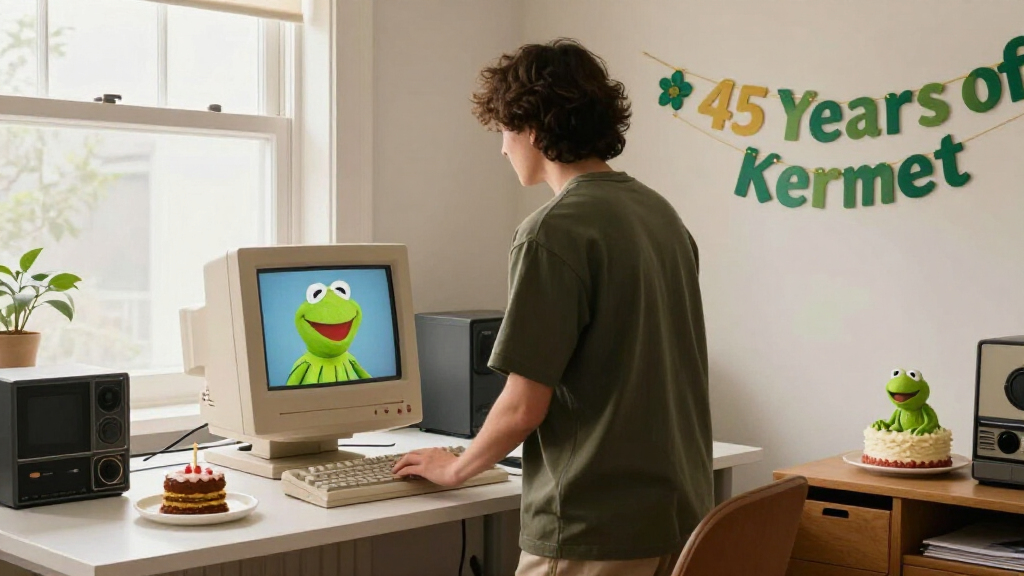
Kermit software commemorates its 45th anniversary with the release of a new version of C-Kermit after 15 years. This update signals renewed development focus on communication protocols, appealing to legacy system users and developers.
Kermit software has released its first new version of C-Kermit in 15 years to celebrate its 45th anniversary. The update underscores continued development of the communication protocol, which remains relevant for legacy systems and specialized applications.
The new C-Kermit version was announced by the Kermit Project team in March 2024, marking the first release in over a decade and a half. The release coincides with the 45th anniversary of the original Kermit protocol, launched in 1979 by Columbia University’s Computer Science department.
Developers emphasized that this update includes bug fixes, security improvements, and compatibility enhancements for modern operating systems. The release aims to support users who rely on legacy hardware and protocols, particularly in industrial, scientific, and academic settings.
According to project lead Frank da Cruz, the update reflects ongoing commitment to maintaining and evolving the protocol, despite the rise of newer communication standards.
Legacy Protocols Gain New Life with Latest C-Kermit Update
This release demonstrates that legacy communication protocols like Kermit continue to have relevance, especially in specialized sectors where stability and long-term support are critical. It also highlights the importance of open-source projects in preserving technological history while adapting to modern needs.
For users and institutions dependent on these systems, the update offers improved security and compatibility, ensuring continued operation without requiring complete system overhauls. It also signals a potential renewed focus on protocol development within the project.
Popular right now

Bose QuietComfort Ultra Earbuds (2nd Gen) – Wireless Noise‑Cancelling Earbuds with Mic, Immersive Audio, USB‑C Charging, Up to 6 Hours Batte

Hisense 43-Inch E6 Cinema Series Hi-QLED 4K UHD Smart Fire TV (43E6QF)

Dyson Cyclone V10 Origin Cordless Vacuum
As an affiliate, we earn on qualifying purchases.
Kermit’s 45-Year Legacy and the 15-Year Gap in Releases
The Kermit protocol was originally developed in 1979 as a flexible, reliable file transfer protocol that supported a wide range of platforms. Over the decades, it became a staple in scientific, industrial, and academic environments. However, official updates to C-Kermit slowed considerably after 2009, with the last major release occurring in that year.
Despite the decline in active development, the protocol maintained a dedicated user base, and the project persisted through community support and open-source development. The recent release marks a notable shift, indicating renewed interest or at least ongoing maintenance efforts.
Industry observers note that this move may be driven by the needs of legacy system operators or by a desire to preserve the protocol’s utility in niche applications.
“This release demonstrates our ongoing commitment to supporting legacy systems and ensuring the protocol remains functional and secure for future use.”
— Frank da Cruz
Extent of Future Development for C-Kermit
It is not yet clear whether this release signals a broader revival of active development or if it will remain a maintenance release. The project’s future roadmap has not been publicly detailed, leaving questions about ongoing updates and new features.
Next Steps for Kermit Protocol Development
Developers plan to monitor user feedback and may consider further updates based on community needs. The project team has indicated that future releases could include additional security patches and compatibility improvements, but no specific timeline has been provided.
Meanwhile, users are encouraged to test the new version and provide input through community channels to help shape future development efforts.
Key Questions
Why is the release of a new C-Kermit version significant after 15 years?
This release marks the first update in over a decade and a half, signaling renewed support and ongoing development for a longstanding communication protocol used in specialized fields.
Who primarily uses Kermit today?
Legacy system operators in scientific, industrial, and academic sectors rely on Kermit for stable, long-term data transfer and communication needs.
Will there be more updates to C-Kermit soon?
It is currently unclear; the project team has not announced specific plans but may consider further updates based on community feedback.
Does this release include new features or just maintenance?
The initial release focuses on bug fixes, security improvements, and compatibility enhancements, with no mention of major new features.
How does this affect users of modern communication protocols?
While modern protocols dominate, this update underscores that legacy systems still have a place in certain environments, and ongoing support can help ensure their continued operation.
Source: hn