
TL;DR

Turn the school run and nap time into listening time
- Thousands of audiobooks, podcasts and originals
- Listen on your phone, tablet or Echo — also offline
- Cancel anytime
Nutrition experts are advising parents on how to make children’s snack time healthier. This trend reflects growing concern about childhood diet quality and obesity prevention. The advice includes practical tips, but specific strategies are still being discussed.
Nutrition experts are providing guidance on how parents can make children’s snack time healthier, responding to a surge in public interest about childhood nutrition and obesity prevention.
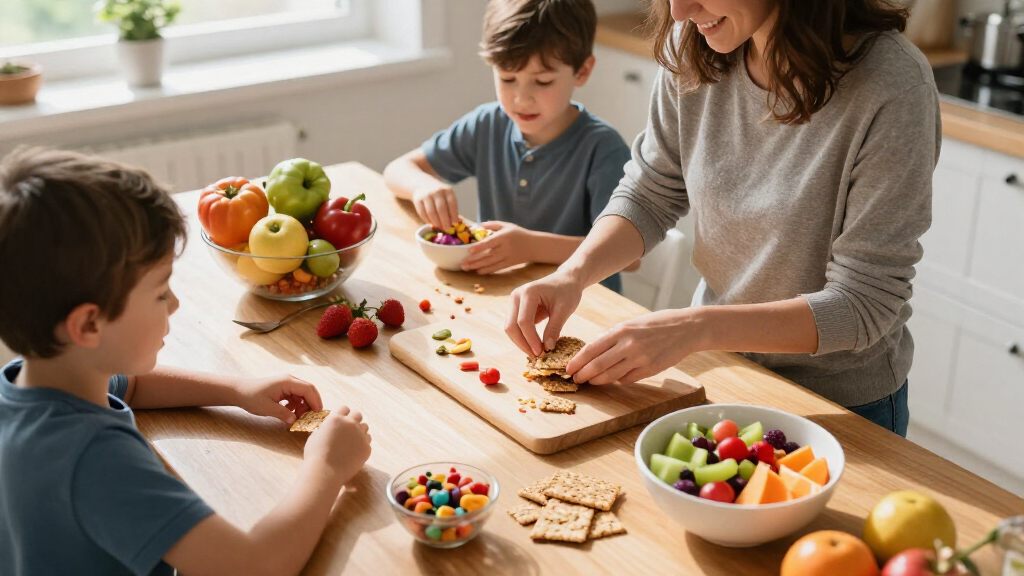
Several registered dietitians and pediatric nutritionists have shared practical tips aimed at improving the nutritional quality of snacks served to children. These recommendations include incorporating more whole foods such as fruits, vegetables, and whole grains, while reducing intake of processed snacks high in added sugars, salt, and artificial ingredients. Experts emphasize the importance of balancing convenience with health, suggesting parents prepare snack options in advance and involve children in choosing healthier alternatives.
While specific strategies vary, common advice includes replacing sugary snacks with fresh fruit, offering nuts or seeds as protein sources, and reading nutrition labels carefully. Some experts also recommend limiting snack portions to prevent overfeeding and establishing regular snack times to promote better eating habits. These tips are grounded in current dietary guidelines aimed at reducing childhood obesity and fostering lifelong healthy eating habits.
Impact of Healthier Snack Choices on Childhood Nutrition
This advice matters because childhood dietary habits significantly influence long-term health outcomes, including obesity risk, dental health, and the development of healthy eating patterns. As childhood obesity rates remain a public health concern, promoting nutritious snack options is a practical step for parents and caregivers. The rising interest in these tips indicates a broader societal push towards preventative health measures and improved child nutrition standards.
Popular right now

Ninja Luxe Café Mini Plus Espresso and Drip Coffee Machine with AutoFroth, Stainless Steel, ES351

Ninja Flip Toaster Oven and Air Fryer, 8-in-1, Stainless Steel, SP151

Vitamix Propel Series 510 Professional-Grade Blender, 3 Programs, Black
As an affiliate, we earn on qualifying purchases.
Growing Public Concern About Childhood Diet Quality
Interest in healthier snack options for children has increased over recent weeks, likely driven by ongoing public health campaigns and rising awareness of childhood obesity. The trend appears to be a response to broader concerns about diet-related health issues among children, including high sugar consumption and sedentary lifestyles. While no official policy changes have been announced, expert advice is gaining traction through media and parenting platforms, reflecting a societal shift toward preventive nutrition strategies.
Uncertainties About Long-Term Effectiveness of Advice
While experts agree on general principles for healthier snacking, it is still unclear how effective these strategies are in the long term across diverse populations. There is limited data on how quickly children adapt to new snack routines or how sustained these changes are over months or years. Additionally, the influence of socioeconomic factors and cultural preferences on snack choices remains underexplored.
Next Steps for Promoting Healthy Snack Habits
Researchers and public health officials are likely to monitor the impact of these recommended strategies through ongoing studies and surveys. Future initiatives may include developing targeted educational campaigns for parents, creating accessible resources for healthier snack preparation, and evaluating the effectiveness of different approaches in diverse communities. Policy discussions around food labeling and marketing to children may also influence how snack options are presented and consumed.
Key Questions
What are the most recommended snacks for children?
Experts suggest fruits, vegetables, nuts, seeds, and whole grains as healthy snack options, while reducing processed snacks high in added sugars and artificial ingredients.
How can parents encourage kids to eat healthier snacks?
Involving children in choosing and preparing snacks, setting regular snack times, and offering appealing, nutritious options can help foster healthier eating habits.
Are there any risks associated with certain snack choices?
Some snacks, like nuts or seeds, may pose choking hazards for very young children, and portion control is important to prevent overfeeding. Always consider age-appropriate options and consult pediatric guidance as needed.
Will these tips work for all children?
While general advice is helpful, individual preferences, cultural factors, and socioeconomic status can influence effectiveness. Tailoring strategies to specific needs and circumstances is recommended.
Source: rss