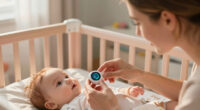
TL;DR

Turn the school run and nap time into listening time
- Thousands of audiobooks, podcasts and originals
- Listen on your phone, tablet or Echo — also offline
- Cancel anytime
Baby sock monitors can reassure parents but aren’t meant to be used forever. You should consider stopping when your baby hits developmental milestones, your pediatrician advises, or the device no longer provides reliable data. Regular health checkups remain essential.
Ever stared at your baby’s tiny foot, wondering if that sock could also be secretly monitoring their heartbeat? It might sound like a sci-fi plot, but baby sock monitors are real, promising peace of mind right from your pocket. But here’s the truth: these devices aren’t built to last forever. Knowing when to stop using one isn’t just about the device’s lifespan — it’s about your baby’s growth, your trust, and your peace of mind.
This guide will walk you through the signs, timing, and practical steps to transition away from wearable monitors. Because ultimately, your instincts and regular checkups are your best tools — not just gadgets.
Baby sock monitors are tools for reassurance, not lifelong health solutions; plan to phase them out as your baby develops.
Trust your pediatrician’s advice and regular health checkups over continuous device alerts.
Gradually reduce monitoring sessions to ease your baby and yourself into the transition.
Always verify device safety, recent recalls, and choose reputable brands.
Remember: your instincts and traditional caregiving cues are your best guides once the device’s purpose is fulfilled.
When to Stop Using a Baby Sock Monitor
A wearable monitor can offer reassurance, but it is not meant to become a permanent safety net. The right time to stop depends on your baby’s development, medical guidance, device reliability—and whether the data is creating confidence or anxiety.
Five signs it may be time to phase it out
Do not use one milestone as an automatic deadline. Look for several signals together, then confirm the decision with your pediatrician—especially if monitoring began for a medical reason.
Milestones are arriving
Rolling, sitting, crawling and predictable sleep or activity patterns may indicate that the original monitoring window is closing.
Your pediatrician agrees
Stable health and a clinician’s recommendation are stronger reasons to stop than a calendar date or a device-generated trend.
Readings are inconsistent
Poor fit, motion and aging hardware can reduce usefulness. Repeated questionable readings may create more noise than insight.
The device limit is reached
Many products specify an age, weight or foot-size range. Stop when your baby no longer fits the approved use instructions.
Alerts increase anxiety
If constant checking disrupts sleep or confidence, discuss whether the reassurance benefit still outweighs the emotional cost.
Natural cues feel familiar
You increasingly recognize your baby’s normal breathing, color, movement, feeding, sleep and behavior without needing a dashboard.
Important: If the monitor was recommended for prematurity, a diagnosed condition or ongoing clinical observation, do not discontinue it without guidance from the baby’s healthcare team.
What the sock can—and cannot—tell you
A baby sock monitor can surface measurements and patterns. It cannot diagnose illness, understand the full context or replace hands-on assessment.
| Capability | Sock monitor | Parent observation | Pediatric care |
|---|---|---|---|
| Continuous trend data | ✓ | ~ | ~ |
| Notice behavior and context | ✗ | ✓ | ✓ |
| Provide a medical diagnosis | ✗ | ✗ | ✓ |
| Detect skin color or feeding changes | ✗ | ✓ | ✓ |
| Create false alarms | ✓ | ~ | ~ |
| Build long-term caregiving confidence | ~ | ✓ | ✓ |
Legend: ✓ strong capability or possibility · ✗ not appropriate · ~ limited or context-dependent
Transition in four measured steps
A gradual approach gives you time to recognize your baby’s natural patterns and reduces the urge to resume constant checking after one unsettled night.
Confirm the plan
Review the reason monitoring began, your baby’s health status and the manufacturer’s age or fit limits. Speak with your pediatrician.
Choose set sessions
Use the sock only during selected naps or overnight rather than continuously. Keep the schedule consistent for several days.
Try monitor-free periods
Watch breathing, skin color, activity, feeding and sleep. Note patterns in a simple journal if that helps build confidence.
Remove it fully
Once monitor-free periods feel routine and your clinician has no concerns, stop use and continue normal checkups.
Replace data with caregiving cues
- Comfortable, regular-looking breathing
- Normal skin and lip color
- Usual feeding and hydration patterns
- Typical movement and responsiveness
- Familiar sleep and waking behavior
- No unusual distress or persistent lethargy
The transition target
Move from device-led reassurance toward confident observation supported by professional care.
Check the device before trusting the data
Better sensors, software and telehealth connections can improve usefulness, but no technical upgrade removes the need for safe use, privacy checks and clinical interpretation.
Potential improvements
Newer monitors may offer more sensitive sensors, refined algorithms, stronger user controls and easier sharing with healthcare professionals.
Persistent limitations
Fit errors, motion, connection failures, false alarms, privacy concerns and inappropriate interpretation can still undermine confidence or safety.
A sound decision connects five checkpoints
The safest stopping decision is a chain, not a single app setting. Each checkpoint supports the next.
The bottom line
Consider stopping when your baby is developing well, the approved device window is ending, readings are no longer reliable or useful, and your pediatrician agrees. Phase it out gradually, keep regular health visits and let attentive observation—not constant alerts—become the everyday safety net.
This infographic is general educational information, not medical advice. Seek prompt medical care if your baby has trouble breathing, unusual skin or lip color, marked lethargy, feeding difficulty, persistent distress or any symptom that concerns you. Do not delay care while checking or troubleshooting a monitor.
What Exactly Is a Baby Sock Monitor — And What Does It Do?
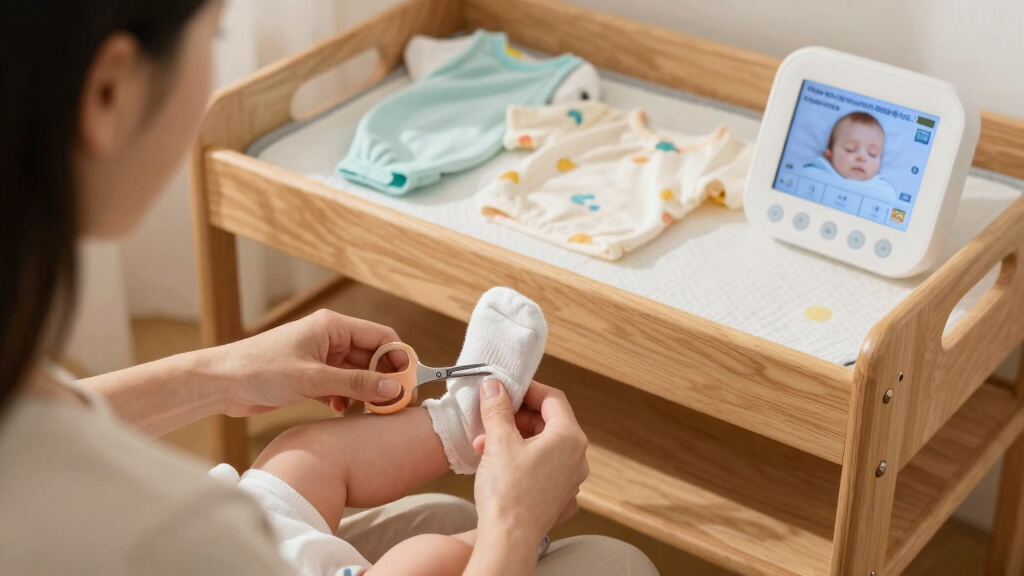
A baby sock monitor is a small wearable device placed on your infant’s foot or ankle, designed to track vital signs like heart rate, oxygen levels, and movement. Think of it as a tiny health guard that whispers updates through an app on your phone.
Parents use these devices to catch early signs of trouble, especially if their baby was born prematurely or has specific health concerns. But remember — no device replaces good old-fashioned care or pediatric advice. It’s a helpful extra, not a substitute.
As an affiliate, we earn on qualifying purchases.
Why You Might Want to Stop Using It — And When It’s Time
Baby sock monitors are meant to provide reassurance, but they come with limits. False alarms happen more often than you think — sometimes up to 30% of alerts are inaccurate, according to recent data. These false alarms can cause unnecessary panic, leading parents to overreact or pursue unneeded medical interventions. Over time, reliance on these alerts may also diminish your confidence in your own observations, which are often more nuanced and reliable.
Deciding when to stop isn’t just about the device’s age; it’s about understanding what these alarms mean in context. When your baby reaches developmental milestones like rolling over, sitting, or crawling, and your pediatrician confirms their health is stable, these signs suggest that the risks monitored by the device decrease significantly. Continuing to use the monitor beyond this point may create more stress than reassurance, especially if the device’s data becomes inconsistent or causes unnecessary worry. The tradeoff here involves balancing the peace of mind provided by technology with trusting your own judgment based on your baby’s behavioral cues and health status.
Additionally, manufacturers often specify an age limit for these devices—commonly between 6 to 12 months—after which their usefulness diminishes. Recognizing these signs and understanding the limitations helps you make an informed decision that prioritizes your baby’s well-being and your peace of mind. Remember, over-reliance on technology can sometimes overshadow your natural instincts, which are often better suited to pick up subtle changes and cues that a device might miss or misinterpret. Weighing the benefits against the potential for false reassurance is key to making a balanced decision.
As an affiliate, we earn on qualifying purchases.
How to Transition Away from the Sock Monitor Without Stressing Out
When you decide it’s time to stop, doing so gradually helps your baby adjust and reduces your own anxiety. A sudden withdrawal might make your baby unsettled or cause you to second-guess your instincts. Instead, a phased approach allows both of you to adapt smoothly, reinforcing your confidence in traditional caregiving cues.
- Begin by limiting the monitor’s use to specific times, such as during naps or nighttime sleep, to observe how your baby sleeps and behaves without constant data. This step helps you gauge their natural patterns without the device’s influence.
- After a few days or a week, remove the device entirely for a period, carefully monitoring your baby’s sleep, breathing, and activity levels through your own observations. Keep a journal if it helps to notice subtle changes or consistencies over time. This process allows you to see how your baby functions naturally and to recognize genuine signs of health or concern without the crutch of technology.
- Maintain regular pediatric checkups and discuss your observations with your doctor to ensure your baby’s health remains on track. These visits are essential for catching any issues early and reinforcing your confidence in your own assessments.
- Trust your instincts—if your baby shows signs of distress, irregular sleep, or unusual behavior, consult your pediatrician promptly. Your intuition combined with professional advice forms the best safety net.
- Replace the device’s monitoring function with traditional cues—like watching your baby’s breathing, skin color, and activity level—to assess their well-being naturally. These cues often provide a fuller picture of your baby’s health than technology alone. Recognizing these signs helps you develop a more nuanced understanding of your baby’s needs and reduces dependence on gadgets.
For example, one parent shared that after a gradual withdrawal over three weeks, their baby’s sleep remained consistent, and their own anxiety decreased as they relied more on their own observations and less on the device. This approach fosters confidence in your caregiving skills and helps you develop a more intuitive understanding of your baby’s needs. Remember, patience and consistency are key—trusting your own senses can be more reassuring than any device.
As an affiliate, we earn on qualifying purchases.
What Are the Latest Advances and Safety Checks?
Recent tech improvements have made wearable baby monitors more accurate and safer. Sensors now detect subtle changes more reliably, reducing false alarms. Some devices even connect to telehealth services, allowing doctors to monitor data remotely, which can be especially useful for babies with ongoing health concerns.
However, safety concerns persist. The FDA and consumer safety groups have issued advisories on certain models, especially those with poor data security or recall issues. These alerts highlight the importance of staying informed and cautious. Using outdated or unverified devices can expose your family to privacy breaches or safety risks. Always check recent recalls, reviews, and safety warnings before trusting a device.
Many manufacturers now incorporate stronger privacy protections and more rigorous safety standards. Regularly updating your device’s software and consulting your pediatrician for interpreting data can help ensure it remains a helpful tool rather than a source of worry. Being proactive about safety and technology updates is key to making the most of these advances while minimizing risks.
As an affiliate, we earn on qualifying purchases.
Key Facts You Need to Know Before Deciding When to Stop
According to the American Academy of Pediatrics, routine checkups and parental intuition are more reliable than continuous wearable monitoring for healthy infants. These devices are marketed as peace of mind tools, but they cannot replace the nuanced understanding gained from regular visits and your own observations. Over-reliance on technology might cause unnecessary worry or delay noticing genuine issues.
Recent recalls and warnings from the FDA serve as a reminder that safety standards for these devices are still evolving. Using them responsibly involves staying current on safety alerts, choosing reputable brands, and understanding their limitations. Recognizing these boundaries helps you avoid false reassurance and ensures your focus remains on your child’s overall health and development.
Remember — no gadget can replace knowing your baby’s normal patterns, trusting your instincts, and maintaining regular pediatric assessments. These are the most dependable tools for safeguarding your child’s health over time.
Your Top Questions Answered — Real Concerns, Real Answers
Q1: When is the right time to stop using a baby sock monitor?
A: Usually when your baby hits key developmental milestones, your pediatrician confirms health stability, or the monitor no longer provides reliable data. These indicators suggest your baby has grown past the need for constant monitoring, and trusting your own observations becomes more appropriate. Recognizing that the device is no longer necessary helps you shift confidence back to your instincts and regular health checkups, which are more holistic and nuanced in assessing your baby’s well-being.
Q2: Are these monitors safe?
A: When used as directed and with reputable brands, they are generally safe. However, safety depends on choosing certified products, staying updated on recalls, and following manufacturer instructions meticulously. Always verify the safety and security features of your device to prevent potential privacy or safety issues. Being aware of potential risks encourages cautious use and promotes informed decisions that protect your child’s privacy and health.
Q3: Can these devices replace pediatric visits?
A: No. They are supplemental tools that can offer reassurance but do not substitute for professional medical assessments. Regular checkups remain essential for comprehensive health monitoring, catching issues early, and ensuring your child’s development stays on track. Relying solely on devices may lead to missed subtle signs that only trained professionals can detect.
Q4: What if my baby’s readings are irregular?
A: Contact your pediatrician for evaluation. Do not rely solely on the device’s alerts; use your own observations and professional guidance to interpret any irregularities. Persistent irregularities should prompt a medical review rather than immediate device concern. This balanced approach ensures you don’t overreact to false alarms while remaining vigilant for genuine issues.
Q5: Should I stop using the monitor as my baby grows?
A: Yes, most devices are designed for infants up to a certain age or size. As your baby develops, traditional cues and regular pediatric visits become more reliable and appropriate for ongoing health monitoring. Transitioning away from the device at this stage supports natural development, reduces dependence on technology, and fosters parental confidence based on direct observation and professional guidance.
Conclusion
Monitoring devices can bring peace of mind, but they’re only part of the bigger picture of your baby’s health. Recognize the signs that it’s time to stop, trust your instincts, and rely on regular checkups. Your baby’s health is a story you continue to write — with or without the gadgets.
Imagine your baby sleeping peacefully, undisturbed by gadgets, as you listen to their gentle breathing and trust that you know your child best. That’s the real reassurance — a parent’s intuitive bond.
Halloween Picks
halloween
As an affiliate, we earn on qualifying purchases.