
TL;DR

Turn the school run and nap time into listening time
- Thousands of audiobooks, podcasts and originals
- Listen on your phone, tablet or Echo — also offline
- Cancel anytime
Car seat alarms and reminders use sensors to detect if a child is still in the car seat when the vehicle turns off, sending alerts via alarms, lights, or apps. They are effective safety tools but work best when combined with vigilant supervision.
Imagine you’re rushing out of the house. You grab your bag, close the door, and head to your car. But what if your child is still strapped in the back seat, unnoticed? Car seat alarms and reminders are designed to catch that moment before tragedy strikes. These tiny tech tools quietly work in the background, but understanding how they operate can make them more effective in your daily routine.
If you’ve ever wondered how these systems detect a child’s presence or how they alert you, you’re not alone. This guide walks through the nuts and bolts—what’s behind the alarms, how they’ve evolved recently, and what features matter most. Because in the end, safety tech is only as good as how well you understand it.
Car seat alarms use weight and motion sensors to detect if a child remains in the seat after the car turns off.
Recent tech includes Bluetooth-connected apps and AI, making alerts smarter and more reliable.
Choose systems with layered alerts—audible, visual, and smartphone—to maximize safety.
Built-in vehicle sensors are more seamless but may be limited to newer models; standalone devices are versatile for older cars.
Regular testing and maintenance of your alarm system are crucial for it to work when it counts.
Car Seat Alarms and Reminders: How the Technology Works
Small sensors monitor the back seat, connect occupancy to the vehicle’s shutdown state, and trigger reminders before a caregiver walks away. They add a crucial safety layer—but they work best as part of a consistent check-the-back-seat routine.
How the seat knows someone is still there
No single signal is perfect. The most dependable systems combine direct occupancy sensing with contextual information such as movement, buckling, door activity, and ignition state.
Weight sensors
Pressure pads or load cells measure force in or beneath the seat. They provide a direct presence signal but require careful calibration to distinguish a small child from a bag or pet.
Motion sensors
Movement detectors can catch subtle shifts that a weight threshold may miss. Their challenge is filtering out road vibration, passing trucks, engine noise, and environmental movement.
Buckle, door and vehicle data
Seat-belt status, rear-door activity, ignition state, and vehicle integration help determine when an occupancy signal should become an urgent reminder.
From occupied seat to active warning
The alarm is not triggered by occupancy alone. It is the combination of continued detection, a change in vehicle state, and the caregiver beginning to leave that creates the warning condition.
Child or occupied seat detected
Weight, motion, buckle, or combined sensor data establishes presence.
Vehicle state changes
The ignition switches off, a door opens, or the caregiver moves away.
Logic confirms a risk pattern
Software compares occupancy with timing, routine, and environmental signals.
Reminder reaches the caregiver
A chime, warning light, phone alert, or wearable vibration requests action.
Audible
Cabin chime, seat alarm, or external sound.
Visual
Dashboard message, flashing light, or display prompt.
Connected
Smartphone notification or wearable vibration.
Which reminder architecture fits your vehicle?
Built-in systems are seamless but vehicle-dependent. Standalone devices are flexible, while connected systems offer remote alerts at the cost of added battery and connectivity requirements.
| Capability | Built-in vehicle | Standalone sensor | Hybrid sensor + app |
|---|---|---|---|
| Works with many older cars | ✗ | ✓ | ✓ |
| Direct vehicle integration | ✓ | ✗ | ~ |
| Remote smartphone alert | ~ | ~ | ✓ |
| Requires separate charging | ✗ | ~ | ✓ |
| Easy to transfer between cars | ✗ | ✓ | ✓ |
| Local alert without a phone | ✓ | ✓ | ~ |
✓ typically available ✗ typically unavailable ~ varies by product or vehicle
New software improves context—not certainty
Bluetooth, adaptive thresholds, and emerging AI can filter harmless vibration and learn routine patterns. The tradeoff is greater dependence on batteries, firmware, permissions, and reliable connections.
What improves confidence?
A conceptual view of the relative value each layer adds to a reminder decision.
Technology supports the check—it does not replace it
The strongest setup combines technology with habit.
Choose accurate sensors, layered alerts, a local backup, and compatibility with your vehicle. Then test the system regularly and preserve a deliberate back-seat check on every trip. No alarm can prevent every incident, but a well-maintained system can create one more vital opportunity to notice and act.
What Exactly Are Car Seat Alarms and How Do They Keep Kids Safe?
Car seat alarms are small devices or integrated systems that alert you if a child is still in the seat when you exit your vehicle. They work by detecting the presence of a child or weight in the seat through sensors. When the vehicle is turned off, and sensors pick up residual weight or motion, the system triggers an alert—be it a chime, light, or app notification.
For example, a parent might hear a gentle beep or see a flashing light on their dashboard if they forget to check the back seat. Some systems even connect to your smartphone, sending a reminder if it detects a child still buckled in. They aren’t foolproof, but they add a vital layer of safety, especially during busy mornings or hurried errands.
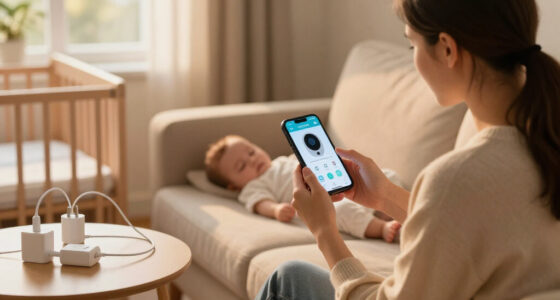
car seat alarm with smartphone app
As an affiliate, we earn on qualifying purchases.
As an affiliate, we earn on qualifying purchases.
How Do These Systems Detect a Child or Weight in the Seat?
Car seat alarms primarily rely on sensors that detect weight or motion. There are two main types:
- Weight sensors: These use pressure pads or load cells placed in or under the seat to measure if something heavy—like a child—is present. The importance of these sensors lies in their ability to provide a direct indication of presence, which is less ambiguous than other methods. However, they must be sensitive enough to detect small weights yet not trigger false alarms from objects like bags or pets. The tradeoff here involves calibration and placement precision.
- Motion sensors: These detect movement or vibrations, signaling that someone is still seated even if the weight isn’t enough for a sensor to register. Motion sensors can catch subtle shifts caused by a child breathing or moving slightly, which weight sensors might miss. But they are also more susceptible to false triggers from outside vibrations or environmental noise. Combining both sensors often offers the best balance—reducing false alarms while maintaining detection accuracy. This dual approach is crucial because a sole reliance on one type might either miss a child or generate unnecessary alerts, undermining trust in the system.
In essence, the choice of detection method impacts how reliably the system can distinguish between a child and other objects or movements, which directly affects safety and user confidence. Parents should evaluate which detection method aligns best with their household environment and consider how easy it is to calibrate and maintain these sensors for optimal performance.
As an affiliate, we earn on qualifying purchases.
The Latest Tech That Makes Car Seat Reminders Smarter and More Reliable
Recent advances have pushed car seat alarms into the smart zone. Smartphone apps connect via Bluetooth to sensors embedded in the car seat, sending real-time alerts if a child is detected. These systems can even learn your routines, reducing false alarms during typical pickup times. The integration of AI and machine learning enables these systems to analyze sensor data more contextually, improving accuracy over time. For example, they can learn to ignore brief vibrations caused by external factors like passing trucks or the car’s engine noise, which previously might have triggered false alarms.
Moreover, some systems incorporate adaptive algorithms that adjust sensitivity based on environmental conditions or user feedback, making alerts more trustworthy. This evolution means fewer false alarms and more peace of mind. To make the most of these smart features, regularly update the system’s firmware and customize alert settings to match your daily routine. Be mindful that reliance on smartphone connectivity introduces potential issues like battery drain or connectivity failures, which can compromise safety if not managed properly. Therefore, it’s wise to have a backup alert method, such as a built-in alarm, in case your phone isn’t within reach.
By understanding these technological advancements, parents can make informed decisions about which systems best fit their lifestyle and safety priorities, ensuring they maximize the benefits of smarter, more reliable safety tools.
vehicle occupancy sensor for car seats
As an affiliate, we earn on qualifying purchases.
As an affiliate, we earn on qualifying purchases.
Frequently Asked Questions
How reliable are car seat alarms and reminders?
They are generally effective, especially when installed and tested properly. However, false alarms or missed detections can happen, so they should complement your vigilance, not replace it.Are these systems compatible with all vehicles?
Standalone sensors and apps can usually be added to most vehicles, but built-in systems depend on the manufacturer. Check compatibility before purchasing.Can these alarms prevent all accidents?
No safety device can prevent every incident. These alarms significantly reduce risks but always pair them with careful supervision and safe driving habits.What features should I look for?
Prioritize accuracy, ease of use, layered alerts, and compatibility with your vehicle or car seat. Regular testing is also key to reliability.Are there legal requirements for child reminder systems?
Some regions are considering laws mandating child reminder systems in new vehicles. Check your local regulations for updates.As an affiliate, we earn on qualifying purchases.
Conclusion
Knowing how car seat alarms function transforms them from mysterious gadgets into reliable safety partners. When paired with vigilant caregiving, they significantly lower the risk of leaving a child behind in a hot car or forgetting them after a quick errand.
Think of these systems as your quiet safety net—best when used as part of a routine, not a substitute for your awareness. As technology advances, so does the chance to keep your little one safer, one alert at a time.
Cold & flu season Picks
humidifiers
As an affiliate, we earn on qualifying purchases.