
TL;DR

Turn the school run and nap time into listening time
- Thousands of audiobooks, podcasts and originals
- Listen on your phone, tablet or Echo — also offline
- Cancel anytime
A single large split-screen monitor offers seamless sharing and saves space, but two monitors give twins independence and customization. Your choice hinges on space, budget, and how much control each twin needs.
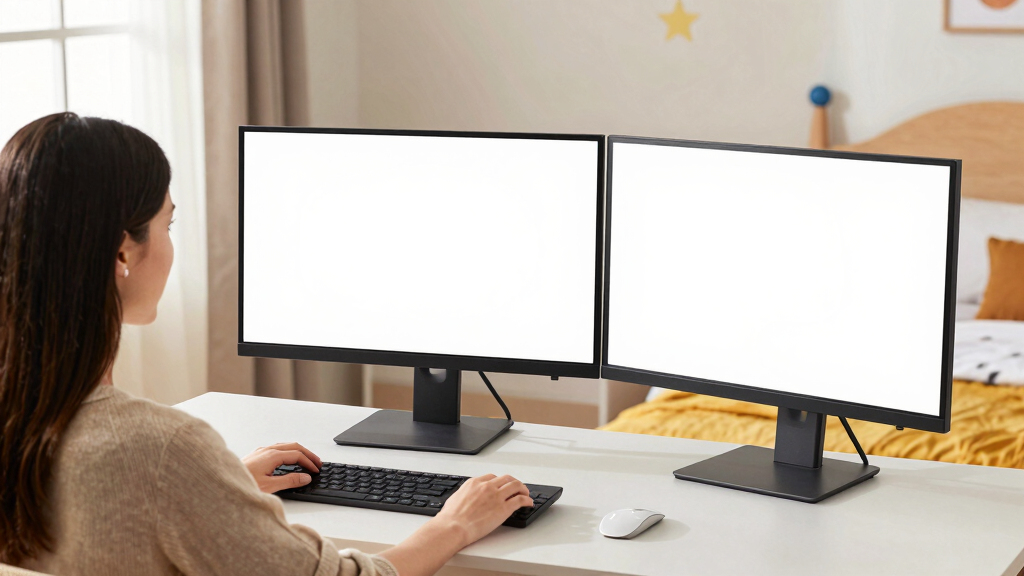
Imagine two twins, both eager to watch their favorite shows or do homework. They share a small desk, and the question arises: should they use one big split-screen monitor or get two separate screens? This decision impacts their comfort, independence, and your sanity.
In this guide, we’ll explore the pros and cons of each setup, recent tech trends, and practical tips. Whether you’re aiming for simplicity or independence, understanding the differences will help you make the best choice for your twins’ space and needs.
A large split-screen monitor saves space and money but limits independence.
Two monitors provide each twin with control, customization, and less conflict.
Choose a monitor size between 24-32 inches for optimal split-screen use.
Using built-in OS tools or third-party software makes splitting screens straightforward.
Future tech trends include ultra-wide, curved, and wireless monitors, making setup more flexible.
What exactly is a split-screen monitor, and why does it matter for twins?
A split-screen monitor divides a single display into multiple sections, letting twins view or work on different things at once. Think of it like a window into two worlds—one side for homework, the other for entertainment.
This setup is perfect for maximizing space in a shared room, reducing clutter, and encouraging multitasking. The ability to split a screen into distinct areas means each twin can focus on their own tasks without interference, fostering independence in a shared environment. Additionally, software controls that manage how each section behaves can help tailor the experience—whether for gaming, studying, or entertainment—making it a versatile solution that adapts to different needs. The tradeoff, however, is that the physical size of the monitor and the software’s flexibility can influence how effectively twins can use the space simultaneously without feeling cramped or distracted.
As an affiliate, we earn on qualifying purchases.
The biggest perks of a single split-screen monitor for twins
- Space-saving: One monitor takes up less room than two. Imagine a sleek 27-inch ultra-wide that can be divided into two clear sections—no extra clutter. This is especially valuable in small rooms where every inch counts, helping to maintain a tidy and organized environment. The reduced footprint also simplifies cable management and minimizes the need for additional stands or mounts.
- Cost-effective: Buying one high-quality monitor costs less than two comparable displays. This not only saves money upfront but also reduces ongoing expenses like power consumption and maintenance. For families on a budget, this means getting a versatile device that can serve multiple functions without breaking the bank.
- Seamless experience: No need to toggle between different screens—everything is right there, split into sections. This enhances productivity and reduces the frustration of switching contexts, especially during homework or collaborative activities. The continuous display fosters a shared viewing experience that can promote cooperation but may limit individual customization.
- Shared environment: Promotes cooperation or shared learning, especially when twins are doing similar activities. This setup encourages twins to collaborate, discuss, and learn together, strengthening their relationship. However, it can also pose challenges if their needs diverge, as the shared space might restrict personalization or independent focus.
ultra-wide curved monitor for multitasking
As an affiliate, we earn on qualifying purchases.
As an affiliate, we earn on qualifying purchases.
Why two monitors give twins more independence and control
Two separate monitors mean each twin can customize their setup—changing resolution, angle, or even the software they use. This customization allows each twin to create an environment that best suits their learning or entertainment preferences, fostering individual identity and comfort. For example, one might prefer a high-refresh-rate gaming monitor, while the other needs a color-accurate display for digital art or studying. This flexibility can lead to better engagement and satisfaction.
It also reduces conflicts. If one twin is gaming late at night and the other needs to focus on homework or reading, separate screens help establish boundaries, minimizing distractions and frustrations. The independence offered by dual monitors supports healthier routines and respect for each twin’s needs, which can be particularly important during busy or stressful periods. However, this setup typically requires more space and investment, and the benefits of customization must be balanced against the constraints of the room and budget.
As an affiliate, we earn on qualifying purchases.
Which setup is better for your twins? A side-by-side comparison
| Feature | One Large Split-Screen Monitor |
|---|---|
| Space | Requires less desk space, combines everything into one unit. This can be advantageous in small rooms, reducing clutter and simplifying setup, but it limits how much customization each twin can have since they share the same physical display. |
| Cost | Usually cheaper than buying two screens. Investing in a single high-quality ultra-wide monitor can provide a versatile experience at a lower overall cost, but it may sacrifice some degree of independence and customization for each user. |
| Flexibility | Less customizable for individual needs. The software can split the screen, but the physical limitations mean twins are more likely to be sharing the same space, which could lead to conflicts or compromises. |
| Independence | Limited; twins share the same display. While software can split the screen, they are still limited by the physical size and the shared environment, which might restrict their ability to work independently or pursue different activities simultaneously. |
| Setup | Simple; just one monitor and software. This reduces complexity and setup time, making it easier for parents to manage, but it offers less room for individual preferences or multitasking that involves separate devices. |
| Feature | Two Separate Monitors |
|---|---|
| Space | Requires more desk space, separates the twins’ areas. This setup provides physical boundaries that can help twins focus and establish personal zones, but may be challenging in smaller rooms where space is limited. |
| Cost | Higher; two monitors plus mounts or stands. The increased expense can be justified by the benefits of independence and customization, but it requires a larger investment and more complex setup. |
| Flexibility | High; each twin can customize their display. This flexibility allows for different resolutions, orientations, and software preferences, enabling twins to develop their individual routines and interests more freely. |
| Independence | Complete; twins can do different things without interference. This setup fosters autonomy, reduces conflicts, and supports diverse activities, but demands more space and potentially more maintenance. |
| Setup | More complex; needs additional cables and mounts. While more involved initially, the increased control and customization can enhance the overall experience, especially for older children with specific needs. |
wireless monitor for shared workspace
As an affiliate, we earn on qualifying purchases.
As an affiliate, we earn on qualifying purchases.
How to set up split-screen on your monitor or computer in 3 simple steps
- Open your display settings or use built-in snapping tools (like Windows Snap or macOS Split View). Understanding these features allows you to quickly organize windows, which is crucial for multitasking and efficient use of shared or individual screens.
- Adjust the windows or applications to occupy the desired sections of your screen. Proper positioning can reduce eye strain and improve focus, especially when twins are working on different tasks simultaneously.
- Fine-tune the size and position for comfort and clarity, possibly using third-party apps for more control. This step ensures that each twin has an ergonomically optimized workspace, which can prevent fatigue and promote healthy habits.
Latest trends making split-screen setups smarter and easier
Modern monitors now boast **ultra-wide formats** and **curved screens** that enhance shared viewing. These features create a more immersive experience, making it easier for twins to share content without feeling constrained by traditional flat screens. Software improvements in Windows 11 or macOS make snapping windows into halves or quarters effortless, streamlining the multitasking process and reducing setup time. Wireless display tech is also emerging, offering clutter-free setups for twins sharing a room, which minimizes cable mess and enhances flexibility.
Parental controls built into some monitors help limit screen time or restrict content, making these setups safer for kids. These controls can be tailored to individual needs, allowing parents to manage screen usage without constant supervision, thus fostering healthier digital habits.
Key facts to help you choose the right setup
- Size: 24-32 inches is ideal for split-screen use, offering enough space without overwhelming the desk. Larger sizes can provide more room for multitasking but may require more space and higher budgets.
- Resolution: 1080p is standard; 1440p or 4K is better for clearer splits and sharper images. Higher resolutions improve clarity and detail, which can enhance the experience for both homework and entertainment, but they also come with increased costs and hardware requirements.
- Cost: Entry-level split monitors start around $150; premium models go over $500. When choosing, consider long-term durability and features, as investing in a quality monitor can pay off in better performance and less frustration.
Questions parents often ask about twin screen setups
1. Is a single split-screen monitor better than two separate screens?
It depends. A large split monitor offers a seamless experience and saves space, making it ideal for small rooms or shared activities. However, it can limit individual independence and customization, which might be necessary if twins have very different needs or routines.
2. What should I look for in a monitor for shared use?
Choose models with good color accuracy, adjustable stands, and easy split-screen software support. Features like ultra-wide formats or dual-input capabilities can enhance flexibility. Considering ergonomic options and parental controls can also help tailor the setup to your family’s needs.
3. How do I set up split-screen on my device?
Most OSes feature built-in options—Windows Snap, macOS Split View. External apps like DisplayFusion help customize further. Proper setup ensures smooth operation, reduces frustration, and encourages productive use of shared or individual screens.
4. Are there health concerns for children sharing a monitor?
Yes. Make sure to set ergonomic height, proper brightness, and limit screen time. Parental controls are helpful to enforce time limits and restrict inappropriate content. Regular breaks and eye exercises are also recommended to promote healthy vision and posture.
5. How much space do I need?
Consider your desk size. Ultra-wide monitors are space-efficient but bulky; dual monitors need more surface area but offer greater flexibility. Planning for adequate space ensures comfort and safety, preventing strain and encouraging good habits.
Conclusion
For twins sharing a room, the decision hinges on their personalities and your space constraints. A single large monitor can foster shared learning and save clutter. But if independence matters most, two monitors give each twin their own world.
Ultimately, understanding your twins’ habits and your room’s layout will guide the best choice. Remember—tech is a tool. The real magic happens when it supports your family’s unique rhythm.
Halloween Picks
halloween
As an affiliate, we earn on qualifying purchases.