
TL;DR

Turn the school run and nap time into listening time
- Thousands of audiobooks, podcasts and originals
- Listen on your phone, tablet or Echo — also offline
- Cancel anytime
Automatic formula makers can trap moisture and formula residue, supporting mold growth if not cleaned properly. Regular inspection, thorough cleaning, and cautious use are key to keeping your machine safe and your baby healthy.
Ever opened your formula maker and spotted a dark stain or crusty film? It’s more common than you think — and it’s a sign you need to act fast. Mold in a machine meant to prepare your baby’s food? That’s a red flag you can’t ignore.
These machines save time, but their hidden corners, like the funnel and hopper, can trap moisture and formula dust. This creates a perfect little petri dish for mold and bacteria to grow, especially if parts aren’t cleaned or dried thoroughly. Understanding what to spot and how to stop it makes all the difference in keeping your infant safe.
Regularly inspect all accessible parts of your formula maker, especially seams and corners, for fuzzy or discolored spots.
Thoroughly clean and fully air-dry removable parts before reassembling — never reassemble damp components.
Discontinue use immediately if mold or persistent residue is detected; replace parts or contact support.
Follow the manufacturer’s cleaning schedule strictly, paying special attention to the funnel, hopper, and powder chamber.
High-risk infants require extra precautions — consider sterile, ready-to-feed formulas and consult your pediatrician.
Formula Maker Funnel and Hopper Mold: Spotting It and Stopping It
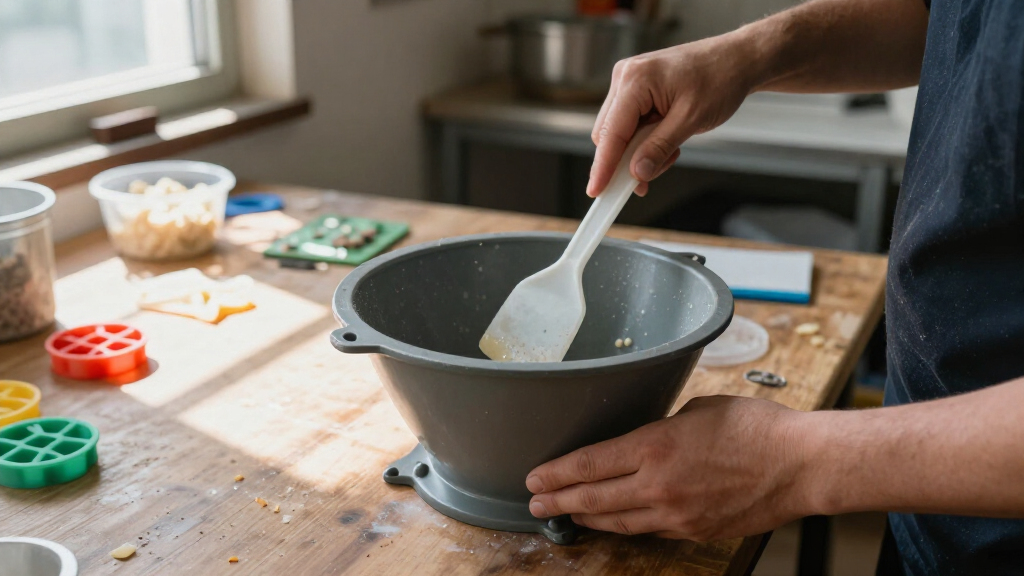
Moisture plus formula residue creates the risk. Automatic formula makers can collect powder, sticky films, and condensation inside funnels, hoppers, wheels, and seams. Inspect regularly, clean exactly as directed, and never rebuild the machine while parts are damp.
Stop first. Inspect second.
If you find a fuzzy, spreading, or persistent mark, stop using the machine until every affected area can be cleaned, dried, and confidently inspected.
Is it really mold?
Appearance offers clues, but it cannot identify a microorganism. Treat a mark as possible contamination when it is fuzzy, raised, spreading, persistent, or difficult to remove.
Fuzzy or raised
May appear spotted, velvety, spreading, or repeatedly return after cleaning. Possible colors include green, blue, black, white, orange, or pink.
Greasy or crusty
Often cream, yellow, tan, or brown. Formula fats and proteins can form a sticky film beneath dispensing components and inside seams.
White or chalky
Usually appears in water-contact areas. It may signal scale rather than mold, but it still requires cleaning by a manufacturer-approved method.
Flat and stable
A scuff or plastic discoloration generally does not spread. If identification remains uncertain, stop use and contact support.
| Observation | More consistent with residue | Possible contamination signal | Safest next move |
|---|---|---|---|
| Texture | ~Crusty, greasy, or chalky | !Fuzzy, raised, or velvety | Stop and inspect under bright light |
| Behavior | ~Wipes away and stays gone | !Spreads, resists, or returns | Photograph before cleaning |
| Location | ~Open powder or water surface | !Damp seam or hidden underside | Check every approved removable part |
| Certainty | ✓Clearly identified and removable | !Uncertain or inaccessible | Keep the machine out of service |
Important: “Black mold” describes an appearance, not a laboratory diagnosis of a specific species. Do not try to identify contamination by color alone.
Search the hidden moisture zones
Use a bright light and inspect only accessible areas approved in the manual. A clean cotton swab can reveal residue in seams, but never push tools or water into the motorized base.
Relative inspection priority
These bars show where to look first, not measured contamination rates. Priority rises where powder residue and moisture can meet out of sight.
A five-stage safety check
Work methodically. The goal is to find moisture, powder films, and suspicious marks without damaging components or driving contamination deeper into the machine.
Power down
Unplug the machine and keep liquids away from electrical controls.
Remove parts
Detach only the funnel, hopper, lid, tank, and components approved in the manual.
Light the seams
Check corners, undersides, powder openings, gaskets, and long-assembled areas.
Record findings
Photograph marks, the model number, and serial or lot information before cleaning.
Decide safely
If contamination persists, remains inaccessible, or returns, contact the manufacturer.
Check for trapped dampness
Look for condensation, wet powder, leaks, recent spills, and parts reassembled before drying.
Probe accessible seams gently
Use a clean swab only where the manufacturer permits access. Do not force components apart.
Track recurring marks
A spot that returns may indicate retained moisture, a leak, damaged plastic, or contamination beyond reach.
Watch dispensing performance
Buildup can obstruct powder movement and may affect the intended powder-to-water ratio.
What to do when mold is suspected
Powdered formula is not sterile, and the machine does not sterilize it. Contamination deserves a cautious response—especially because pathogens such as Cronobacter sakazakii can be dangerous for young or medically vulnerable infants.
Contain, clean, and dry
- Stop using the machine immediately.
- Discard formula remaining in the hopper; never return it to the original container.
- Discard bottles prepared after the suspected contamination appeared.
- Photograph affected areas and identifying information.
- Wash permitted removable parts with hot water, dish soap, and a dedicated clean brush.
- Rinse thoroughly and allow every component to air-dry completely.
- Replace the affected part—or the machine—if it cannot be confidently cleaned and inspected.
Do not improvise
- Do not immerse the electronic base or let water enter motors, heaters, or controls.
- Do not force tools into inaccessible or motorized areas.
- Do not use bleach unless the manufacturer explicitly approves the method and concentration.
- Do not assume vinegar replaces proper washing or approved sanitizing.
- Do not boil, steam, or dishwash parts unless they are designed for that process.
- Do not reassemble parts that feel even slightly damp.
- Do not keep using a machine with persistent stains, damage, leaks, or inaccessible contamination.
Build a dry-parts routine
Cleaning intervals vary by model. Some popular machines call for funnel cleaning after every four bottles and more extensive hopper cleaning about monthly, but your machine’s current manual always takes priority.
The non-negotiable final step
Waiting for complete air-drying is safer than rebuilding early. Never add powder to a damp hopper.
Extra precautions for high-risk infants
Newborns, premature infants, and babies with weakened immune systems may need additional protection. Ask your pediatrician whether commercially sterile, ready-to-feed formula is more appropriate and follow medical guidance for preparation and feeding.
Break the contamination chain
Mold-friendly conditions develop through a sequence. Interrupt the chain at cleaning and complete drying before residue and moisture can remain together.
What exactly is mold in a formula maker, and how do you spot it?
Mold in a formula maker isn’t always obvious at first glance. It can manifest as fuzzy patches, raised spots, or dark discolorations that seem to spread or cling stubbornly. Recognizing these signs is critical because mold spores are microscopic and can be hidden in plain sight, lurking in seams or under removable parts. Dried formula residues, on the other hand, can look similar but are usually crusty, greasy, or yellowish, and do not pose the same health risks unless contaminated with mold or bacteria.
The key difference? Mold often appears fuzzy or velvety, with colors like green, black, or pink, and tends to spread or reappear after cleaning. Residue remains more static and can often be wiped away. This distinction matters because overlooking fuzzy spots or persistent discoloration can mean missing a growing mold colony that could release toxins harmful to your baby’s developing immune system. Use a bright light and a cotton swab to gently probe seams, corners, and underneath parts—any suspicious fuzzy or colored patches should be treated as potential contamination until thoroughly cleaned and verified safe. Ignoring these signs can lead to ongoing exposure, which increases the risk of respiratory issues, allergic reactions, or more serious infections in infants.
As an affiliate, we earn on qualifying purchases.
Step-by-step: How to inspect your machine for mold or moisture buildup
- Unplug the machine and turn off power. Safety first! Remember, electrical components can be damaged or pose a shock hazard if inspected while wet or powered on.
- Remove all accessible parts: funnel, hopper lid, powder outlet, water tank, and any detachable components. Carefully handle these to avoid damage, and note how they fit together for correct reassembly.
- Use a bright flashlight to shine into seams, corners, and underneath parts. Look for fuzzy, raised, or colored spots that may indicate mold growth. Pay special attention to hidden areas where moisture can accumulate unnoticed, such as beneath the hopper or inside narrow crevices. Recognize that mold often thrives in these damp, dark spots, making thorough inspection essential for early detection.
- Wipe suspected areas with a clean, damp cloth or cotton swab dipped in a small amount of water. Check if residues come off easily. If they resist or reappear after cleaning, it suggests persistent mold colonies or moisture retention. This can compromise the safety of the machine and your baby’s health.
- Note any stains, crusts, or discoloration. Photograph for reference before cleaning. Keeping a record helps track recurring issues and guides more thorough cleaning routines.
- Disassemble only the parts approved by the manufacturer. Do not force into inaccessible areas, as damage can create new hiding spots for mold or bacteria.
- Wash removable parts with hot water, dish soap, and a dedicated brush. Rinse thoroughly, paying attention to seams and corners where residues tend to hide. Proper cleaning removes surface residues and reduces the risk of mold spores surviving.
- Air-dry all parts completely before reassembling. Never reassemble damp components, as residual moisture can promote mold growth. Use a clean towel or air-drying station to ensure thorough dryness.
- If contamination persists or mold reappears, contact the manufacturer with photos and model info for guidance. Persistent issues may require professional cleaning or replacement of parts to ensure safety.
automatic formula machine parts replacement
As an affiliate, we earn on qualifying purchases.
As an affiliate, we earn on qualifying purchases.
The real risks of mold and bacteria—what you need to know
Powdered formula isn’t sterile. It can carry pathogens like *Cronobacter sakazakii*, which can cause serious illness in newborns, especially those with weakened immune systems. Mold isn’t just unsightly; it can also produce toxins that make your baby sick. These toxins can cause respiratory issues, allergic reactions, or more severe infections if ingested or inhaled over time. The presence of mold indicates that moisture has persisted long enough to support microbial growth, which can compromise the safety of the entire feeding process.
Moisture trapped inside the machine — from condensation, spills, or incomplete drying — creates a cozy environment for mold growth. This usually happens in the seams, corners, or beneath the powder hopper. Even if you see dried formula, it’s a sign moisture has been present, and lingering moisture can continue to support mold colonies. Recognizing these high-risk zones is crucial because neglecting them allows mold to establish a foothold, increasing health risks. Regular inspection and timely cleaning are essential, especially for infants with vulnerable immune systems or in households where humidity levels are high. Addressing moisture sources promptly prevents the formation of a mold-friendly environment, safeguarding your baby’s health.
For example, a parent found a fuzzy green patch in the corner of their machine. They cleaned it thoroughly, but the next day, a new spot appeared. This pattern indicates ongoing moisture or residue buildup. Such recurring signs point to underlying issues like poor drying, leaks, or inadequate cleaning routines. Regular inspection, combined with diligent maintenance, can break this cycle before mold becomes a persistent problem, reducing the risk of exposure to harmful toxins and bacteria that could cause illness.
baby formula maker mold prevention
As an affiliate, we earn on qualifying purchases.
As an affiliate, we earn on qualifying purchases.
How to clean your formula maker safely — and what to avoid
Cleaning isn’t just about rinsing. It’s about thorough disinfection and drying, especially in those tricky seams and corners. Follow the manufacturer’s instructions for disassembly and cleaning. Generally, use hot water, dish soap, and a dedicated brush for removable parts. This ensures the removal of residues and kills most bacteria and mold spores.
Avoid soaking electronic bases or immersing parts that aren’t labeled dishwasher-safe. Submerging electrical components can cause damage or pose shock hazards. Never use bleach unless explicitly approved by the manufacturer, as it can corrode plastic parts and leave harmful residues that your baby could ingest. Vinegar may help with mineral scale but isn’t a substitute for proper cleaning and disinfection routines. It’s important to understand that improper cleaning can leave behind residues or damage parts, creating new hiding spots for mold and bacteria.
Here’s a quick cleaning checklist:
- Disassemble approved parts carefully, following the manual’s instructions.
- Wash with hot water and soap, paying special attention to seams, corners, and crevices where residues hide.
- Rinse well and air-dry completely. Moisture left behind is a primary factor in mold growth.
- Sanitize only if permitted by the manufacturer, using approved methods such as boiling or specialized sanitizing solutions. Never use unapproved chemicals on electronic or sealed parts.
- Reassemble only when fully dry to prevent trapping moisture inside the machine.
Remember, reassembling damp parts creates an environment ripe for mold. Consistent, complete cleaning and drying are your best defenses against microbial contamination, protecting your baby from potential health hazards.
formula maker funnel hopper cleaning tools
As an affiliate, we earn on qualifying purchases.
As an affiliate, we earn on qualifying purchases.
Frequently Asked Questions
Can mold grow in powdered formula itself?
Powdered formula is generally dry and resistant to mold, but moisture from spills, condensation, or humid storage can create conditions for mold growth. Keeping the powder dry and the machine clean reduces this risk.How can I tell if the dark mark is mold or dried formula?
Appearance alone isn’t reliable. Mold tends to be fuzzy, raised, and colorful (green, black, pink), while dried formula is often crusty, greasy, or yellowish. If uncertain, clean thoroughly and inspect again.Is it safe to keep using the machine after cleaning?
Only if all accessible areas are thoroughly cleaned, dried, and checked for residue. If you see persistent stains or are unsure, contact the manufacturer or replace parts for safety.Can I use bleach or vinegar to sanitize my machine?
Use only cleaning agents approved by the manufacturer. Bleach can damage the parts, and vinegar isn’t a broad-spectrum sanitizer. Follow the manual’s instructions for safe sanitizing methods.How often should I clean my funnel and hopper?
Follow your machine’s manual. Typically, the funnel should be cleaned after about four bottles, and the hopper once a month. Regular cleaning prevents residue buildup and mold growth.Conclusion
In the battle against mold, vigilance and routine care are your best allies. A few minutes of inspection and cleaning can protect your baby from unseen dangers lurking inside the machine.
Think of your formula maker as a tiny, delicate ecosystem — keep it dry, clean, and well-maintained, and it’ll serve your little one safely for years to come.
Halloween Picks
halloween
As an affiliate, we earn on qualifying purchases.