
TL;DR

Turn the school run and nap time into listening time
- Thousands of audiobooks, podcasts and originals
- Listen on your phone, tablet or Echo — also offline
- Cancel anytime
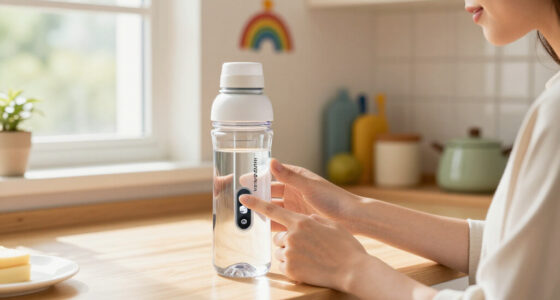
Portable baby bottle warmers make feeding on the go easier by heating expressed breast milk or formula safely and quickly. Choosing the right model depends on performance, compatibility, and portability, especially for travel.
Imagine this: it’s 2 a.m., and your baby wakes up hungry. You’re miles from home, and the kitchen isn’t an option. That’s where a portable baby bottle warmer becomes your best friend. These small devices are designed to heat milk safely and quickly, wherever you are—whether on a walk, in a car, or at a park.
If you’re tired of improvising with hot water bottles or risking uneven warming, understanding these gadgets can make your life easier. You’ll learn what to look for, what works best, and how to avoid common pitfalls—so your baby always gets a safe, comfy feed, even on the go.
Battery life and heating cycles vary greatly; real-world testing beats marketing claims.
Compatibility with your bottles and ease of cleaning are essential for safe, hassle-free use.
Speed isn’t everything—safe, gradual warming prevents nutrient loss and burns.
Portability depends on your lifestyle: lightweight models suit outdoor adventures, larger ones fit car trips.
Stay updated on tech trends like smart displays and waterless heating for smarter feeding.
How Do Portable Baby Bottle Warmers Actually Work?
Portable baby bottle warmers come in three main types: rechargeable electric warmers, insulated hot-water systems, and USB-powered warming wraps. Each uses a different trick to bring milk to the right temperature without fuss.
Rechargeable electric warmers heat the bottle directly, often with adjustable temperature settings. They sound fancy but can take a few minutes—sometimes longer if the milk is cold, or if the battery is low. Insulated hot-water systems rely on stored hot water, which you pour into a separate container to warm your bottle. USB warmers are like flexible sleeves that warm gradually when plugged into a power bank or car adapter.
Understanding these mechanisms is crucial because each has tradeoffs. For example, electric warmers offer precise control but may have longer heating times or limited battery life. Hot-water systems are simple but require pre-planning to keep hot water available, which might not be practical in all situations. USB warmers are lightweight and portable but may warm more slowly or unevenly. Recognizing these differences helps you choose the right device based on your typical feeding scenarios, whether quick on-the-go warming or longer trips where battery life is critical.
As an affiliate, we earn on qualifying purchases.
What Really Matters When Warming Milk on the Go?
Speed, safety, and compatibility. That’s the trio. When you’re on a walk or in the car, you want milk to warm in a reasonable time—say, under 15 minutes. But safety trumps speed. Milk should never get hot enough to burn or destroy its nutrients. Test it on your wrist first. Remember, room temperature or cold milk can be just fine—many babies prefer it that way.
Safety also means checking the device regularly for damage, leaks, or overheating. Never microwave bottles for warming, as hot spots can cause burns or uneven heating. Follow the manufacturer’s instructions to keep everything hygienic, and clean the warmer thoroughly after each use.
Compatibility is another biggie. Not all warmers fit every bottle. Some screw directly onto the bottle, others need adapters. Think about your favorite bottles—are they wide-neck, narrow-neck, glass, or silicone? Double-check before buying, so you don’t end up with a warmer that doesn’t fit. The implications are significant: a poor fit can lead to leaks, spills, or even bottle damage, which compromises safety and convenience. Ensuring compatibility means fewer surprises and a smoother feeding experience.
As an affiliate, we earn on qualifying purchases.
Battery Life and Charging: What You Need to Know
Battery life can be a surprise. A warmer might claim to heat multiple bottles, but in reality, a single charge could only handle one or two. Factors like starting milk temperature, bottle size, and ambient coldness can drain batteries faster. For example, a warmer with a 2000mAh battery might give you around 2 to 3 heating cycles under typical conditions.
Many devices now support USB-C charging, which is faster and more reliable. Some warmers can operate while charging—handy if you’re on a long trip. Always check if the included charger matches the device’s needs, and remember: a warm battery isn’t forever. Carry a spare power bank if you’re planning a day out.
Understanding battery capacity and how it impacts usage is essential because it directly affects your ability to rely on the device during outings. A device with a larger capacity may cost more but offers greater flexibility, reducing the risk of being caught without power when you need it most. Real-world use shows that performance can vary significantly based on conditions, so testing in your typical environment is wise.
As an affiliate, we earn on qualifying purchases.
Cleaning and Hygiene: Keep It Safe and Simple
Milk around a warmer is a recipe for mold, bacteria, and nasty smells. The best portable warmers are designed with easy cleaning in mind. Look for models with few crevices, removable parts, and clear cleaning instructions. Some have seals that you can replace, which helps prevent mold buildup.
After each use, unplug the device, let it cool, and wipe down all surfaces with warm soapy water. Avoid submerging electronic parts or charging ports in water. If your warmer heats internally, follow descaling steps periodically to prevent mineral build-up. Proper cleaning not only ensures hygiene but also prolongs the lifespan of your device, maintaining consistent performance and safety.
For example, a simple wipe with a damp cloth and a quick check for mold around seals keeps everything hygienic. Neglecting cleaning can lead to bacterial growth, which poses health risks for your baby and reduces the device’s efficiency. Regular maintenance is a simple tradeoff for peace of mind and safe feeding routines.
As an affiliate, we earn on qualifying purchases.
How Portable Is a Portable Warmer Anyway?
“Portable” can mean different things. Some warmers are tiny enough to slip into a pocket or diaper bag. Others are small but require a separate water bottle or power bank. Consider weight, size, and convenience. Will it fit in your stroller’s cup holder? Is it leak-proof for travel? Does it come with a protective cap or case?
For example, a compact USB warmer that fits in a diaper bag might weigh just 8 ounces, while a larger rechargeable model with a built-in water reservoir could weigh closer to a pound. Think about your typical outings—if you’re hiking, a lightweight model is better. For car trips, size might matter less. The key is to match the device’s portability with your specific needs, ensuring it won’t be a burden or cause inconvenience during your outings. The tradeoff often lies in capacity versus size; smaller models may have limited battery life or heating capacity, so weigh your priorities accordingly.
Practical tip: look for models with a lanyard or strap, so you can hang them from a stroller or bag. A little extra bulk could be worth it for faster heating or longer battery life.
Trends That Are Changing the Game in Portable Warming
Recent innovations are making portable warmers smarter and more user-friendly. Rechargeable, cordless designs are replacing plug-in models. Many now feature digital displays showing exact temperatures or preset modes. Some even have automatic shutoff and keep-warm functions, so your device doesn’t overheat or waste battery.
Waterless heating plates that heat directly through contact are gaining popularity. They heat faster and are easier to clean. Plus, more adapters now fit a variety of bottle shapes, reducing the hassle of finding the perfect match. Temperature sensors help prevent overheating, but they’re not always perfectly accurate—independent testing still helps.
For example, a top-rated model now offers a digital display showing 36.5°C, but testing shows it can vary by a degree or two. The implications are that these features can enhance convenience and safety, but they also require understanding their limitations. Smarter features can reduce user error, but overreliance without proper testing may lead to inconsistent results. Staying informed about these trends helps you select a device that truly fits your needs and avoids outdated or less effective models.
Why a Portable Warmer Might Be a Game-Changer for Your Family
If you’re juggling work, errands, or long outings, having a reliable way to warm milk on the move can save your sanity. No more rushing home or searching for a hot water tap. Instead, you press a button, wait a few minutes, and your baby gets a cozy bottle, no matter where you are.
Plus, for babies who are particular about warm milk, a portable warmer offers consistency. You’re less likely to serve a cold or unevenly heated bottle. This can mean fewer fusses and happier feedings, especially during emergencies or long trips.
On the flip side, keep in mind their limitations: slower heating times than a microwave, battery dependence, and compatibility issues. But for most parents, the convenience and peace of mind outweigh these hurdles, making it a worthwhile addition to your parenting toolkit.
How to Pick the Best Portable Baby Bottle Warmer for You
Here’s a simple plan:
- Decide what kind of warmer fits your lifestyle—rechargeable, water-based, or USB sleeve.
- Check your bottles’ sizes and shapes. Make sure the warmer is compatible or comes with adapters.
- Read reviews about heating times and battery life. Look for real-world testing data.
- Consider weight and size—will it fit in your diaper bag or stroller cup holder?
- Verify cleaning instructions and hygiene features—removable parts, seals, etc.
- Look for safety features—automatic shutoff, temperature controls, and leak resistance.
- Match your budget with features—more tech usually costs more, but it might save time and stress.
For example, if you often travel long distances, a lightweight, rechargeable model with fast charging and a digital display could be worth the investment. If your outings are shorter, a simple insulated hot-water system might do just fine. Choosing the right warmer involves understanding your specific needs and how each feature aligns with your lifestyle, ensuring you get a device that offers both convenience and peace of mind.
Frequently Asked Questions
Are portable bottle warmers safe?
They are safe when used as directed, kept clean, and checked regularly for damage. Always test the milk temperature before feeding. Avoid microwaving bottles, and follow the manufacturer’s safety instructions to prevent overheating.
Does a baby’s bottle need to be warmed?
No. Many babies drink cold or room-temperature milk without any fuss. Warming is mainly about comfort and personal preference. If your baby accepts it at room temperature, you might not need a warmer at all.
How long does a portable warmer take?
It varies based on the device, starting temperature, and milk volume. Refrigerated milk usually takes 10-15 minutes, while room-temperature milk warms faster. Read the product specs and test before outings to set realistic expectations.
Can a portable warmer overheat breast milk?
Yes, if set too high or left on too long, any warmer can overheat milk. Always warm gently, check the temperature on your wrist, and follow safety guidelines. Overheating can reduce protective nutrients in breast milk.
Is a portable warmer worth it?
If you travel often, have long outings, or your baby prefers warm milk, a portable warmer is a lifesaver. For occasional use or babies who accept room temperature, simpler options like insulated bottles might suffice.
Conclusion
A portable baby bottle warmer isn’t just a gadget—it’s a small lifeline for busy parents. Picking the right one means balancing speed, safety, compatibility, and portability. When you find that perfect match, feeding your baby on the go becomes a little easier, a little calmer.
Imagine the relief of knowing your baby’s milk is always just the right temperature—no matter where life takes you. That’s the real power of a good portable warmer. It turns chaos into calm, one warm bottle at a time.
Halloween Picks
halloween
As an affiliate, we earn on qualifying purchases.