TL;DR
Listen free for 30 days with Audible
Thousands of audiobooks and originals — cancel anytime.
Start your free trialAs an affiliate, we earn on qualifying purchases.
Cloth diaper stations involve more space and laundry but are eco-friendly and cost-effective long-term. Disposable stations are compact and convenient but generate more waste. Your choice depends on your priorities.
When it comes to diaper stations, you might think it’s just about choosing between cloth and disposable. But the setup itself reveals a lot about your lifestyle, budget, and environmental values. The way you organize, store, and maintain your diaper supplies impacts your daily routine — especially when those 3am diaper changes hit.
This guide breaks down the practical differences between cloth and disposable diaper stations. You’ll see how each setup looks in real life, what space they need, and how they fit into your parenting rhythm. Whether you’re just starting or rethinking your nursery layout, understanding these setups helps you make smarter choices for your family’s needs.
Cloth diaper stations involve more space and laundry but are eco-friendly and save money long-term.
Disposable stations are compact, quick, and convenient, ideal for busy households or small spaces.
Switching to a hybrid approach offers flexibility and balance between savings and convenience.
Environmental impact is a big factor — cloth reduces landfill waste significantly, especially with eco-friendly washing.
Proper hygiene—regular washing, changing, and storage—protects your baby’s skin no matter your setup.
Nursery Guide · Setup Comparison
Cloth vs Disposable Diaper Stations: Two Different Setups Explained
The way you organize, store, and maintain your diaper supplies says a lot about your lifestyle, budget, and environmental values — especially when those 3am diaper changes hit. This guide breaks down the practical differences between the two setups.
Cloth Wash Cycle
Diapers need washing every 2–3 days to stay hygienic
Cloth Starter Cost
$300–$500 for a full set of different sizes
Landfill Share
Disposables account for about 1% of all US landfill waste
Long-Term Savings
Cloth can save hundreds to thousands over the diapering years
01 · The Two Stations
What Each Setup Actually Looks Like
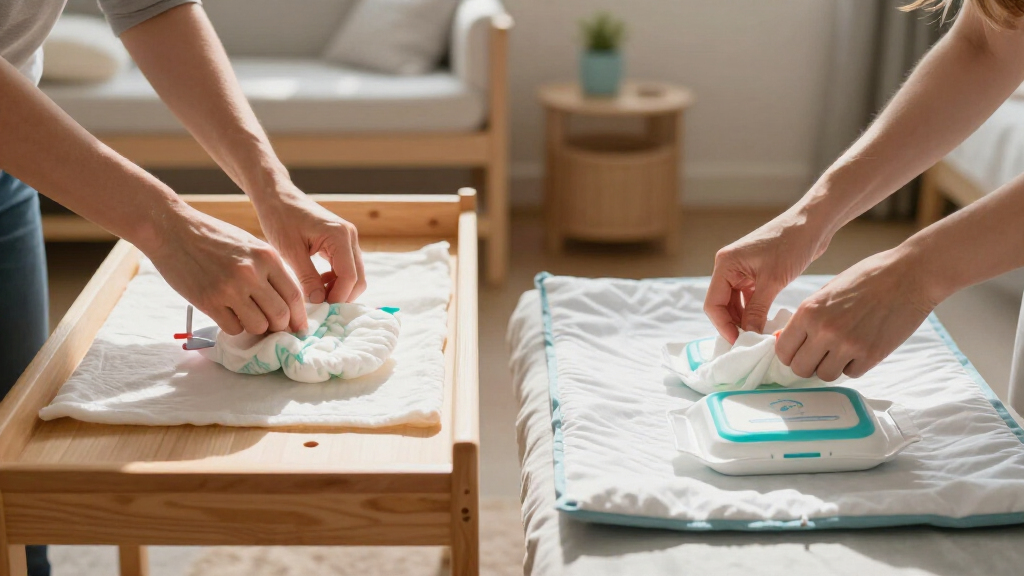
A cloth diaper station is more than a shelf — it’s a small laundry hub wrapped in nursery charm. A disposable station is streamlined and minimalist, built for quick, clean changes with minimal fuss.
Cloth · A Mini Laundromat
The Cloth Station
- Shelves or closet for clean diapers, sorted by size in baskets
- Lidded laundry bin or hamper dedicated to soiled diapers
- Wet bags hanging nearby for storage and transport
- Wipes, diaper covers, pins, and Snappis within reach
- Drying rack for air-drying after each wash
Why this matters: a well-organized cloth station supports consistent hygiene, reduces waste, and saves money — the tradeoff is more initial space and effort.
Disposable · Streamlined & Minimal
The Disposable Station
- Changing pad on a dresser, changing table, or portable unit
- Diaper pail with odor control and sealed liners
- Stack of fresh diapers within arm’s reach
- Wipes, creams, and disposable liners organized nearby
- Just a few square feet — ideal for apartments
Why this matters: simplicity keeps everything tidy and accessible, but the tradeoff is convenience versus environmental impact.
02 · Space & Effort
How Much Space — and Work — Do You Need?
Space and maintenance are where the two setups truly diverge. Cloth demands a laundry nook and a routine; disposables demand almost nothing except ongoing purchases.
| Factor | Cloth Station | Disposable Station |
|---|---|---|
| Storage space | Room for clean + dirty diapers, drying racks, covers | Compact — a changing pad, stack of diapers, small bin |
| Laundry needs | Wash every 2–3 days; warm cycle with eco detergent | None — toss and replace |
| Living situations | Best with a closet, nook, or dedicated corner | Ideal for small apartments and travel |
| Daily routine | Rinse, wash, air-dry — part of your laundry day | Sealed disposal; minimal time per change |
| Flexibility | System-based; harder to improvise away from home | Highly portable and quick on the go |
03 · The Cloth Routine
A Weekly Rhythm You Can Actually Keep
Many parents find a quick rinse, a warm wash cycle with eco-friendly detergent, and air-drying are enough to keep cloth diapers fresh. The routine becomes second nature.
Rinse
Quick rinse of soiled diapers into the lidded hamper or wet bag.
Store
Soiled diapers wait 2–3 days in a sealed bin — no odor, no fuss.
Wash
Warm cycle with eco-friendly detergent kills bacteria safely.
Air-Dry
Drying rack finishes the job — lower energy, longer diaper life.
04 · Environmental Footprint
Eco-Friendly Footprint: Cloth or Disposable?
Cloth reuses materials across hundreds of changes, shrinking landfill waste dramatically. Disposables contribute significantly to landfill volume — even biodegradable varieties require processing and don’t fully offset their production impact.
*Especially when washed efficiently at lower temperatures with eco-friendly detergents. The tradeoff: cloth uses more water and energy for washing — but eco-conscious practices keep its footprint smaller.
Reuse Hundreds of Times
Cloth diapers are reused across hundreds of changes, cutting landfill waste by up to 80% over the diapering period.
~1% of US Landfills
Disposables are estimated to account for about 1% of all US landfill waste — a significant cumulative footprint.
Eco Washing Matters
Efficient lower-temperature washing and eco detergents shrink cloth’s lifecycle emissions even further.
05 · Cost Breakdown
What Will You Actually Spend?
Cloth costs more upfront but pays off over time. Disposables start cheap but keep charging you for roughly three years of changes.
Cloth · Front-Loaded
Full set of different sizes plus laundry supplies and accessories. After that: only water, electricity, and detergent — saving hundreds to thousands over the diapering years.
Disposable · Pay As You Go
Minimal initial investment, but continuous expenses for diapers, liners, and disposal systems add up month after month until potty training.
06 · Where Do You Fit?
Pick Your Spot on the Spectrum
07 · Key Takeaways
Five Things to Remember
More space, more laundry, more benefit. Cloth stations are eco-friendly and cost-effective long-term.
Compact and quick. Disposable stations suit busy households and small spaces perfectly.
Hybrids work. A mixed approach offers flexibility and balance between savings and convenience.
Environment matters. Cloth reduces landfill waste significantly, especially with eco-friendly washing.
Hygiene first. Regular washing, changing, and storage protect your baby’s skin in either setup.
What Does a Cloth Diaper Station Really Look Like?
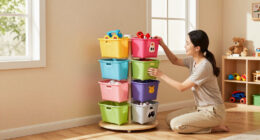
A cloth diaper station is more than just a shelf — it’s a small laundry hub wrapped in nursery charm. You’ll typically find a dedicated space with shelves or a closet for clean diapers, a laundry basket or hamper for soiled ones, and accessories like wipes, diaper covers, and drying racks.
Imagine a cozy corner with soft, breathable cloth diapers stacked neatly, a few colorful wet bags hanging nearby, and a small laundry station ready to rinse out dirty diapers. It’s a setup that’s almost a mini laundromat, designed to keep everything organized and within reach. The key is space — you need enough room for clean and dirty diapers, plus a way to wash and dry them regularly.
For example, many parents use a tall cabinet with baskets for different sizes, a dedicated laundry bin with a lid, and a drying rack for air-drying diapers. This setup might take up a bit more space than you expect but pays off in savings and eco-friendliness. Why this matters: investing in a well-organized cloth diaper station means you’re creating a system that supports consistent hygiene, reduces waste, and can save money over time. The tradeoff is that it requires more initial space and effort, but the long-term environmental and financial benefits often outweigh these considerations.
As an affiliate, we earn on qualifying purchases.
What Does a Disposable Diaper Station Look Like in Action?
A disposable diaper station is generally streamlined and minimalist. It revolves around a changing pad — either on a dresser, a dedicated changing table, or a portable unit. Next to it, you’ll find a disposal bin with a lid, often a diaper pail with odor control. Supplies like wipes, creams, and disposable liners sit within arm’s reach.
Picture a sleek changing station with a stack of fresh diapers nearby, a tidy wipe container, and a sealed trash can. The focus here is on quick, clean changes with minimal fuss. The space needed is usually smaller: a few square feet, perfect for apartments or busy households. Why this matters: the simplicity of this setup makes it easy to keep everything tidy and accessible, but it also means less flexibility for managing waste or organizing supplies. The tradeoff is convenience versus environmental impact: disposable setups prioritize speed but contribute to landfill waste, which is a significant consideration for eco-conscious families.
Many parents opt for a diaper pail with sealed liners that trap odors and make disposal easier. This setup emphasizes convenience and speed, especially when dealing with multiple diaper changes a day.
disposable diaper changing station
As an affiliate, we earn on qualifying purchases.
As an affiliate, we earn on qualifying purchases.
Cloth vs Disposable: How Much Space Do You Need?
| Cloth Diaper Station | Disposable Diaper Station |
|---|---|
| Requires space for storage, laundry, drying racks | More compact — just a changing pad and trash can |
| Dedicated laundry area or hamper for soiled diapers | Minimal space for disposal bin and supplies |
| Can take up a small corner or a larger closet space | Ideal for small apartments or travel-friendly setups |
Understanding the space requirements helps you plan effectively. A cloth setup demands a dedicated laundry nook or closet, which means designating an area for washing and drying. This space allows you to create a sustainable system that supports frequent laundry cycles and proper hygiene. The tradeoff is that it takes up more room but offers long-term benefits like cost savings and reduced environmental impact. Conversely, a disposable station’s minimal space is perfect for apartment living or on-the-go parents, but it doesn’t address waste management beyond daily disposal. Recognizing these implications helps you choose a setup that aligns with your available space and lifestyle priorities.
baby diaper caddy with compartments
As an affiliate, we earn on qualifying purchases.
As an affiliate, we earn on qualifying purchases.
How Much Work Does Each Setup Actually Require?
Cloth diapering takes a bit more effort but offers long-term savings and environmental benefits. You’ll need to wash diapers regularly, usually every 2-3 days, at the right temperature to keep them clean and free of bacteria. This process ensures that diapers remain hygienic and safe for your baby, but it also means planning laundry days and maintaining a routine. The tradeoff is that while it requires dedicated time and effort, it significantly reduces waste and can save hundreds of dollars over time, making it a sustainable choice. Many parents find that a quick rinse, a warm wash cycle with eco-friendly detergent, and air-drying are enough to keep cloth diapers fresh. It’s a routine that becomes part of your laundry day — maybe once or twice a week, depending on usage. Conversely, disposable diapers are designed for convenience: just toss and replace. This saves time but results in continuous expenses and environmental waste. The tradeoff here is immediate convenience versus long-term environmental and financial sustainability. Understanding these maintenance demands helps you align your routines with your values and schedule.
eco-friendly cloth diaper laundry baskets
As an affiliate, we earn on qualifying purchases.
As an affiliate, we earn on qualifying purchases.
Eco-Friendly Footprint: Cloth or Disposable?
Cloth diaper stations are generally more eco-friendly because they reuse materials over hundreds of diaper changes. This reuse significantly reduces landfill waste, especially when diapers are washed efficiently at lower temperatures and with eco-friendly detergents. The environmental advantage is especially notable considering the lifecycle emissions—fabric diapers, when cared for properly, have a smaller carbon footprint compared to single-use disposables. Disposable diapers, however, contribute significantly to landfill volume, with estimates suggesting they account for about 1% of all landfill waste in the US. Even biodegradable varieties, while better than traditional disposables, still require processing and don’t fully offset the environmental impact of their production and disposal. Why this matters: switching from disposables to cloth can drastically reduce your family’s environmental footprint, lower greenhouse gas emissions, and decrease plastic pollution. The tradeoff involves the energy and water used for washing, but with eco-conscious practices, cloth diapering offers a compelling sustainable alternative that aligns with environmentally minded families.
Cost Breakdown: What Will You Spend?
Starting with cloth diapers might seem pricier upfront — around $300–$500 for a full set of different sizes. You also need laundry supplies and possibly a few accessories like diaper covers or wet bags. This initial investment can be a barrier for some families, but it often pays off over time through savings on disposable purchases. Over time, savings add up. Many parents find they spend less than $200 a year on laundry detergents and utilities, and hundreds less on diapers overall. The long-term cost benefits make cloth a financially attractive option despite the higher initial expense. Disposable diapers cost less initially — around $30–$50 per month, or about $600–$1,200 per year. While convenient, the ongoing expense can add up to thousands over 2-3 years, which can significantly impact a family’s budget. For example, a family using cloth might spend $400 initially, then $150 a year on laundry. A family with disposables pays $1,000+ over the same period, not counting environmental costs. Recognizing these financial implications helps you make informed decisions aligned with your budget and values.
Frequently Asked Questions
How often do I need to wash cloth diapers?
Most parents wash cloth diapers every 2-3 days to prevent odors and bacteria build-up. A typical wash cycle at 60°C (140°F) with eco-friendly detergent keeps them fresh and safe for your baby’s skin.
Can I switch between cloth and disposables easily?
Absolutely. Many parents use cloth at home and disposables when traveling or during busy days. It’s a flexible way to balance eco-friendly choices with convenience.
Are cloth diapers really more eco-friendly?
Yes, especially when washed efficiently and reused hundreds of times. They produce less landfill waste and lower greenhouse gases over their lifecycle compared to disposables, which are mostly single-use plastic waste.
What space do I need for a cloth diaper station?
A small dedicated shelf or closet with laundry access works well. You don’t need a huge room — just enough space to store clean diapers and have a laundry setup nearby.
What safety tips should I keep in mind?
Regularly wash cloth diapers at 60°C, change disposables frequently, and store both clean and soiled diapers properly. Keeping everything clean and dry minimizes skin irritation and infections.
Conclusion
Choosing between a cloth and disposable diaper station isn’t about right or wrong — it’s about what fits your life best. Understanding the setup, maintenance, and environmental impacts helps you make a confident decision. Remember, your diaper station is a tool to make parenthood a little easier, not more complicated.
Imagine a nursery where everything’s organized, clean, and tailored to your routine. That’s the real perk — whatever setup you pick, it should serve your family’s needs and bring a little peace to those hectic diaper changes.
Fall Picks
fall essentials
As an affiliate, we earn on qualifying purchases.