TL;DR

Turn the school run and nap time into listening time
- Thousands of audiobooks, podcasts and originals
- Listen on your phone, tablet or Echo — also offline
- Cancel anytime
Diaper pail refills are designed specifically for odor control and easy disposal, often costing more but offering better sealing. Regular bags are cheaper and more versatile but may not contain smells as well. The best choice depends on your budget, eco concerns, and convenience needs.
Ever opened your nursery door and been greeted by a foul, sour smell that lingers long after you’ve changed a diaper? That’s the reality many parents face — and it’s no coincidence. The choice between diaper pail refills and regular trash bags isn’t just about cost or convenience; it’s about controlling odors, managing mess, and keeping your nursery livable.
In this guide, you’ll learn what makes diaper pail refills different from regular bags, how to pick the right option for your family, and practical tips to keep smells at bay without breaking the bank. Let’s get into what really works and what’s just hype.
Choose diaper pail refills with odor-absorbing features for better smell control, especially in small spaces.
Always verify your pail’s compatibility before buying refills; universal liners can save money and hassle.
Eco-friendly biodegradable liners are a smart choice if you want to reduce your environmental impact.
Regularly empty and clean your diaper pail — no liner can do its job if it’s overflowing or dirty.
Simple habits like using baking soda and keeping the lid closed make a big difference in odor management.
Diaper Pail Refills vs Regular Bags
The real decision is not simply premium versus cheap. It is a balance of odor containment, pail compatibility, disposal effort, environmental priorities and the amount of maintenance your household can sustain.
Pay more for sealing—or save money and empty more often.
A bag is only as good as its seal
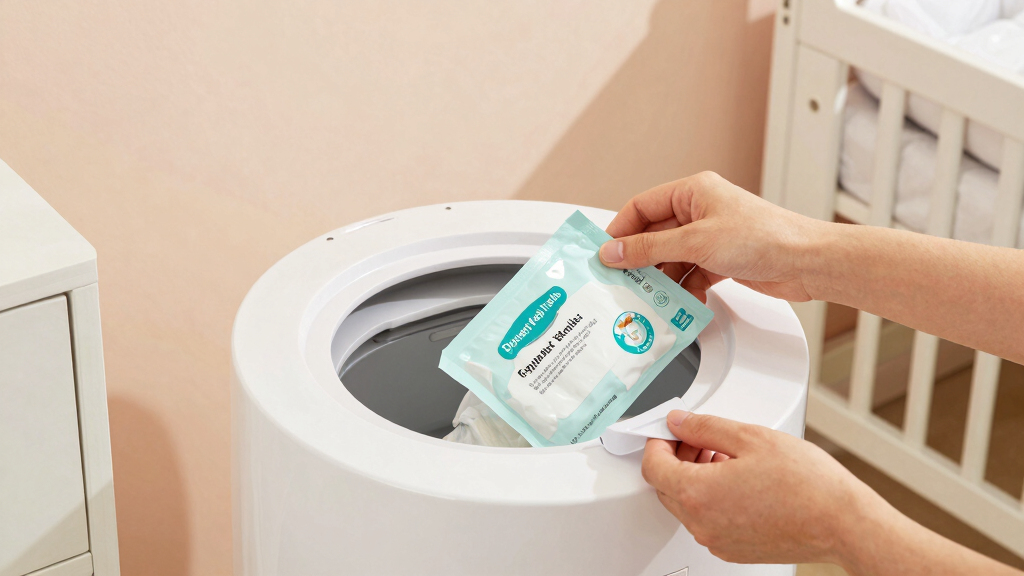
Dedicated refills are engineered as part of the pail system. Their layered films, narrow profiles, locking rings and odor-absorbing materials can limit the air exchange that releases smells. Regular bags prioritize versatility and price instead.
Layers, filters and tighter closures
Some refills use multilayer film, charcoal or carbon components, and sealing mechanisms designed to isolate each disposal load.
The right shape prevents weak points
A poor fit can bunch, slip, tear or interfere with the lid. Check the pail brand and model before choosing any liner.
Universal and lower-impact liners
Universal, recycled-content, biodegradable and compostable options expand choice—but sealing performance and disposal rules vary.
| Decision factor | Diaper pail refill | Regular trash bag | What it means at home |
|---|---|---|---|
| Price per bag | ~$2.50–$4.00 | ✓$0.50–$1.00 | Regular bags lead on upfront savings. |
| Odor control | ✓High; specialized layers or seals | ✗Low; no dedicated odor system | Refills suit small or odor-sensitive spaces. |
| Ease of change | ✓Designed for the pail mechanism | ~More folding, tying or handling | A precise fit can reduce contact and mess. |
| Compatibility | ~Often brand or model specific | ✓Flexible if the pail accepts it | Never assume a liner fits securely. |
| Environmental choice | ~Varies; eco options available | ~Varies by material and thickness | Verify local composting or recycling rules. |
Where the premium goes
Specialized refills concentrate their advantage in odor containment and clean handling. Regular bags concentrate theirs in price, availability and versatility. These bars are a practical directional comparison, not laboratory scores.
Relative strengths
Longer bars indicate a stronger practical advantage for that category.
Odor-control spectrum
Material helps, but sealing, fill level and cleaning habits determine the final result.
Choose for your actual nursery
A household in a small apartment may value sealing more than the lowest unit price. A family with an outdoor bin nearby may prefer inexpensive bags and frequent emptying. Follow the constraints in order.
Check the pail
Confirm the brand, model, liner size and whether the closing mechanism requires a proprietary ring or cartridge.
Rate odor sensitivity
Small room, warm climate or highly odor-sensitive household? Give containment more weight.
Set the real budget
Compare cost per disposal cycle, not only cost per bag. Include how often each option must be emptied.
Verify disposal claims
Match compostable, biodegradable or recyclable claims to the facilities actually available in your area.
Containment is the priority
- The nursery is small, shared or poorly ventilated.
- You want faster changes with less bag handling.
- Your pail relies on a proprietary sealing mechanism.
- Persistent diaper odor is a recurring household problem.
Flexibility is the priority
- Your pail explicitly supports standard liners.
- You can empty the pail frequently and access an outdoor bin.
- Budget and easy availability outweigh maximum sealing.
- You are comfortable adding a stricter cleaning routine.
The liner cannot do everything
Even a premium refill loses effectiveness when the pail is overfilled, dirty or left open. A few consistent habits can improve either option.
Empty every 2–3 days
Adjust sooner for heavy use, warm rooms or strong odor.
Keep the lid closed
Limit the time odor-laden air can circulate into the nursery.
Clean the pail itself
Wipe contact surfaces and dry them fully before relining.
Use baking soda carefully
A small amount can absorb odors; keep all products away from children.
Avoid overfilling
Excess pressure stresses seams and makes removal messier.
Test universal liners
Run a short trial before buying bulk or starting a subscription.
There is no universal winner—only the better tradeoff.
Best for odor control: a compatible diaper pail refill with a reliable sealing or odor-absorbing system. Best for savings: a securely fitting regular bag paired with frequent emptying and cleaning. For eco-conscious households, compare material claims, liner thickness and local disposal access before assuming any bag is the greener choice.
Why Diaper Pail Refills Are Designed for Odor Control (And Why It Matters)
Diaper pail refills are more than just bags—they’re engineered to trap smells. Unlike regular trash bags, they often feature layers of odor-absorbing materials, like carbon filters or sealed liners. This design isn’t just about convenience; it’s about actively reducing the risk of unpleasant odors permeating your home. When odors are contained effectively, it means less air pollution inside your nursery and a more comfortable environment overall.
For example, a diaper pail refill might have a double-sealed lid or a built-in charcoal filter. These features significantly cut down on the sour, sour smell that can fill your nursery, especially after a long day of diaper changes. The tradeoff, however, is often higher cost and sometimes more complex disposal processes. Understanding why these features matter helps you decide whether the added expense is justified for your household’s odor sensitivity and lifestyle.
Choosing a refill with effective odor control can transform the nursery experience, making it less stressful and more hygienic. Conversely, ignoring these features may lead to persistent smells, which can be a source of discomfort and even impact your family’s health by increasing indoor air pollution. Therefore, evaluating the odor control capabilities isn’t just a matter of convenience—it’s a key factor in maintaining a healthier home environment.
Popular right now

Bose QuietComfort Ultra Earbuds (2nd Gen), Deep Plum

Dyson V8 Cordless Vacuum

Vitamix Propel Series 510 Professional-Grade Blender, 3 Programs, Black
As an affiliate, we earn on qualifying purchases.
How Compatibility Determines Your Choice — Matching Bags to Your Pail
Not all diaper pail refills fit every pail. Compatibility is key. Using the wrong size or type of refill can lead to leaks, difficult disposal, or ineffective odor containment—all issues that undermine the purpose of a specialized refill. For instance, a Diaper Genie needs specific refills designed for its locking mechanism and tall, narrow shape, which ensures a tight seal that traps odors. Mismatched refills may not fit securely, allowing smells to escape or causing the bag to tear under pressure.
Some brands now offer universal liners that fit multiple models, reducing the headache of finding the perfect match. While these can be more convenient and cost-effective, they may not always provide the same level of odor sealing as brand-specific options. This presents a tradeoff: universal liners offer flexibility and savings but might compromise on odor containment and ease of use.
Always check your pail’s brand and model before buying refills. The implications of mismatched compatibility include increased clean-up efforts, potential messes, and less effective odor control. Investing time in verifying compatibility ensures you select a refill that performs optimally, saving you money and frustration in the long run. Remember, a well-fitted refill not only improves odor management but also extends the lifespan of your pail and reduces waste from accidental leaks or tears.
Cost Comparison: Are Diaper Pail Refills Worth the Price?
| Feature | Diaper Pail Refills | Regular Trash Bags |
|---|---|---|
| Price per bag | $2.50 – $4.00 | $0.50 – $1.00 |
| Odor control | High (odor-blocking layers, filters) | Low (no special features) |
| Ease of use | Designed for quick change, minimal mess | Requires more handling, may leak |
| Environmental impact | Varies; some biodegradable options available |
While diaper pail refills cost about 2-4 times more per bag, they often last longer due to better sealing and odor control, which can reduce the frequency of changes and prevent smells from escaping. This means that, despite the higher initial expense, their overall value can be justified if you prioritize hygiene and convenience.
However, it’s essential to consider the tradeoffs: higher cost per bag versus the potential savings in time and stress. If your diaper disposal needs are frequent, the convenience and odor containment of specialized refills may outweigh the extra expense, especially in small or shared living spaces where smells can quickly become overwhelming. Conversely, for occasional diaper changes or larger households with robust trash systems, regular bags might suffice, but with the understanding that odors may be more noticeable and require more frequent airing out or cleaning routines.
Frequently Asked Questions
Can I use regular trash bags in my diaper pail?
Yes, you can, but expect less odor control and potentially more leaks. Regular bags lack the odor-absorbing layers and sealing mechanisms of dedicated diaper pail refills, so odors might escape more easily. This can lead to increased air pollution in your home and a less hygienic environment, especially if the nursery is small or poorly ventilated. Moreover, frequent odors can cause discomfort and even impact your family’s health over time. Therefore, while using regular bags may save money initially, the tradeoff in odor management and potential messes can make them less practical for everyday diaper disposal in a nursery setting.
Are diaper pail refills worth the extra cost?
For many parents, yes. The improved odor control and convenience can outweigh the higher price, especially in small spaces or if your child’s diapers are very pungent. Effective odor containment reduces the need for frequent airing out, cleaning, or replacing entire pails, which saves time and stress. Additionally, better sealing means fewer leaks and messes, maintaining a cleaner nursery environment. However, if budget constraints are tight or diaper disposal volume is low, some parents might opt for regular bags, accepting the tradeoff of potentially more odors and cleanup. Ultimately, considering your household’s specific needs, space constraints, and sensitivity to smells will guide whether the investment in specialized refills is justified.
What eco-friendly options are available?
Look for biodegradable or compostable liners made from plant-based plastics. Some brands now offer recyclable or recycled-content options that break down faster and reduce landfill waste. These eco-friendly liners often use renewable resources and are designed to disintegrate in composting environments, which means they leave a smaller environmental footprint. However, it’s important to note that their effectiveness in odor control may vary compared to traditional plastic liners. Choosing eco-friendly options supports sustainable living but requires balancing environmental benefits with your nursery’s odor management needs. Proper disposal and composting practices are essential to maximize their environmental advantages.
How often should I replace my diaper pail refill?
Typically every 2-3 days, depending on how many diapers you change daily. If you notice lingering smells before then, it’s a sign that the refill has reached its capacity for odor absorption and needs replacing. Regular replacement prevents odors from seeping out and maintains a hygienic environment. Overfilling or delaying replacement can lead to leaks, increased bacteria growth, and a less pleasant nursery atmosphere. Establishing a routine based on your household’s diaper changing frequency ensures consistent odor control and cleanliness. In households with higher diaper output, more frequent changes might be necessary to keep smells at bay and maintain a fresh environment.
Do universal liners really work?
Many universal liners fit multiple brands and perform well, but always check size and compatibility. They offer flexibility and can save money, especially if you have multiple pails or are trying to switch between different brands. However, their performance in sealing odors and preventing leaks can vary depending on the quality and fit. Some universal liners may not fit as snugly as brand-specific refills, which could result in odors escaping or the bag tearing under pressure. Carefully reading reviews and verifying dimensions before purchasing can ensure you get a product that balances versatility with effective odor control. When used correctly, universal liners can be a practical, cost-effective option for busy parents.
Conclusion
The right choice between diaper pail refills and regular trash bags isn’t just about cost—it’s about comfort and cleanliness. A well-chosen refill can turn a smelly chore into a quick, tidy task, giving you more time to enjoy your little one.
Remember, it’s not only what you use but how you manage it. Keep your nursery fresh with a smart combination of quality supplies and good habits. A fresher nursery might just be a few small changes away.