
TL;DR

Turn the school run and nap time into listening time
- Thousands of audiobooks, podcasts and originals
- Listen on your phone, tablet or Echo — also offline
- Cancel anytime
Diaper pails vary mainly in odor control, system type, liner compatibility, and ease of use. Knowing these differences helps you pick the most practical system for your home, ensuring a fresher nursery environment.
Every parent knows the smell. It sneaks out from the nursery like an uninvited guest. Choosing the right diaper pail isn’t just about convenience; it’s about keeping your home smelling fresh and hygienic. But with so many options—manual, step, deodorizing—how do you tell which system actually works?
Today, we’ll compare the main types of diaper pails, highlighting what makes each one unique, and what’s worth your money. Whether you’re a first-time parent or just tired of stinky surprises, understanding these differences can make a world of difference in your daily routine.
High-quality odor control combines multi-layer sealing with activated carbon filters for best results.
Choosing a system compatible with your preferred liners saves time and money over the long run.
Ease of maintenance—like quick liner changes and simple cleaning—keeps odors at bay and reduces hassle.
Larger capacity pails cut down on frequent emptying but must fit your nursery space.
Smart features and eco-friendly designs are trending, offering convenience and sustainability.
Diaper Pails Compared: How the Systems Differ
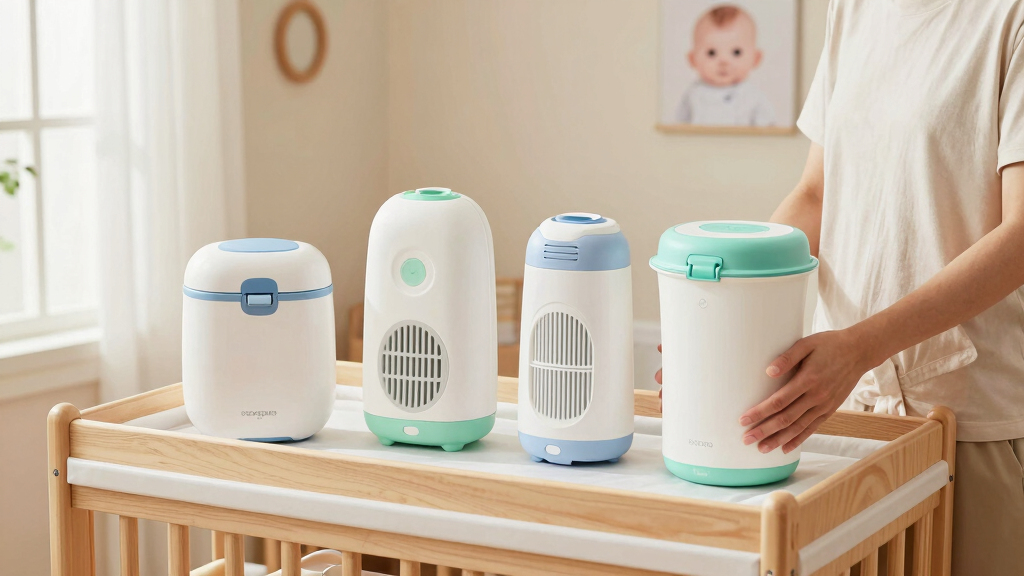
Diaper pails vary mainly in odor control, operating style, liner compatibility, capacity, and upkeep. The right combination keeps smells contained without making every diaper change more complicated—or more expensive.
Three ways to handle the handoff
Operation style shapes the daily experience. Manual designs favor simplicity, foot-pedal systems minimize contact, and deodorizing models add scent or filtration to the containment process.
Manual pail
Open the lid and place the diaper inside. Fewer components keep the price low and make repairs unlikely.
Step-can pail
A foot pedal opens the lid, reducing contact when your hands are occupied with a messy change.
Deodorizing pail
Filters, scent discs, or absorbing materials add another defense against odors in small or poorly ventilated rooms.
Where each system wins
No single design dominates every category. The practical choice depends on whether your household values lower cost, less contact, or stronger odor management most.
| System | Operation | Odor control | Hygiene | Liner flexibility | Upkeep | Cost profile |
|---|---|---|---|---|---|---|
| Manual | Hand-opened lid | ✗ Basic | ~ More contact | ✓ Often flexible | ✓ Simple | ✓ Lowest |
| Step-can | Foot pedal | ✓ Strong | ✓ Hands-free | ~ Varies | ~ Moving parts | ~ Mid-range |
| Deodorizing | Manual or pedal | ✓ Highest potential | ✓ Well contained | ~ Often proprietary | ✗ Filter changes | ✗ Ongoing refills |
Contain, block, absorb
Odor performance improves as barriers are added. A lid alone slows odor escape; sealed liners and activated carbon address both leakage and lingering odor compounds.
Relative odor-control potential
Illustrative performance index based on the mechanisms typically included in each configuration.
The purchase price is only chapter one
Liner availability, refill pricing, filter replacement, and cleanability determine the long-term cost of ownership—and whether the pail remains pleasant to use.
Proprietary liners
Designed for a specific pail, branded liners usually fit securely and may include odor-barrier layers or closure features.
Standard trash bags
Easy to find and typically less expensive, but loose fit can increase slipping, leaks, cleanup, and odor escape.
Good design makes good habits easier.
One-handed changes, quick-release liners, smooth interiors, and visible filter reminders reduce the friction of routine upkeep.
From dirty diaper to fresher room
Odor control is a chain. Weakness at any step—from disposal opening to an overdue liner change—can reduce the effectiveness of the entire system.
Hands-free entry
Minimizes contact and keeps disposal quick.
Immediate closure
Limits the time odors can escape.
Layered barrier
Contains the diaper inside a fitted liner.
Odor absorption
Carbon or deodorizer treats remaining smells.
Timely upkeep
Cleaning and refills restore performance.
More room means fewer trips—but more bulk
Choose capacity around your diaper volume and available floor space. Oversizing adds nursery clutter; undersizing increases emptying frequency and repeated odor exposure.
Capacity spectrum
Illustrative household examples for compact and larger pails.
Match the pail to the priority
Higher bars indicate a stronger fit for each household need.
Five decisions that matter
Smart indicators, sustainable materials, and biodegradable liners are useful trends, but they work best after the core requirements are settled.
Prioritize layered odor control
Look for tight seals plus absorption, not fragrance alone.
Check liner compatibility
Calculate convenience and refill cost over time.
Favor easy maintenance
Smooth surfaces and fast changes support hygiene.
Size for real diaper volume
Balance emptying frequency against floor space.
Treat smart features as extras
Indicators help, but seals and fit do the core work.
The best diaper pail is the one whose sealing system, liners, capacity, and cleaning routine fit your household. Strong odor control matters, but everyday compatibility is what keeps the system working.
What Makes a Diaper Pail Good at Controlling Odors?
Odor control is the top reason you’re considering a diaper pail. The best systems trap smells inside—think of it as a vacuum for odors. Many use sealed lids, airtight seals, or special filters to contain the stink.
For example, models with activated carbon filters absorb smells like a sponge soaking up water. Some even have double-seal systems that lock odors away tighter than a bank vault. Think about how the rich, damp smell of a diaper can fill a room—good odor control keeps that smell confined, not floating around.
Recent innovations include multi-layer sealing and replaceable odor filters, which can cut smell emissions by more than 80%, according to research from BabyUI. This matters because, in a busy household, persistent odors can quickly become overwhelming, affecting both the nursery environment and your comfort. The tradeoff, however, is that these advanced features often come with higher initial costs and the need for regular filter replacements, which can be an ongoing expense. Choosing a system with multi-layer sealing and high-quality filters means balancing upfront investment against long-term odor management—ultimately, a well-sealed pail can make your home feel fresher and reduce the need for air fresheners or frequent cleaning, saving you time and effort.
As an affiliate, we earn on qualifying purchases.
Manual vs. Step-Can vs. Scented: Which System Fits You?
| Type | Key Feature | Pros | Cons |
|---|---|---|---|
| Manual | Requires opening lid to dispose | Simple, cheap, widely compatible | May leak odors when opened |
| Step-Can | Hands-free foot pedal | Less contact, easier for messy diapers | More moving parts, pricier |
| Scented/Deodorizing | Built-in deodorizers or scent discs | Enhanced odor masking | Filters need replacing, extra cost |
Imagine changing a diaper in a step-can—your foot gently presses, and the lid opens. No smells waft out. Meanwhile, scented pails add a fresh scent that masks the stinky diapers, but they rely on filters that must be replaced regularly.
Choosing between these systems isn’t just about convenience; it’s about how you weigh ease, hygiene, and budget. A manual pail might be perfect if you want simplicity and low cost but may require more frequent cleaning to prevent odor escape. A step-can offers hands-free operation, reducing contact with messes and odors—ideal for busy parents or those concerned about germs. Scented models provide an extra layer of odor masking, which can be a game-changer in small or poorly ventilated nurseries. However, the added scent features and filters mean ongoing costs and maintenance. Understanding these tradeoffs helps you select a system that aligns with your lifestyle—whether you prioritize quick, easy disposal, minimal contact, or odor masking—so your nursery stays fresh without extra fuss.
diaper pail with activated carbon filter
As an affiliate, we earn on qualifying purchases.
As an affiliate, we earn on qualifying purchases.
Liner Compatibility: Why It Matters for Your Pocket and Cleanup
Not all liners are created equal. Some diaper pails work best with proprietary liners, which often cost more but fit perfectly. Others are compatible with standard trash bags, which can save money but might be messier to manage.
For example, a popular model might only accept its branded liners, which can cost around $1.50 each. On the other hand, a different pail might use standard garbage bags, making cleanup cheaper but potentially messier if not fitted tightly.
Choosing a system with compatible liners isn’t just about convenience; it impacts your daily routine and long-term costs. Proprietary liners often seal more tightly, preventing leaks and odors, which means less cleaning and fewer surprises. However, they can add up in expense over time. Standard trash bags are more affordable and readily available, but if not fitted properly, they can slip or leak, leading to extra cleaning or odor escapes. The tradeoff involves balancing initial savings against ongoing convenience—using compatible liners can reduce frustration and cleanup time, especially during those late-night diaper changes when quick, secure disposal is essential. Ultimately, selecting a system that aligns with your budget and cleaning preferences ensures fewer headaches and a cleaner nursery environment.
hands-free diaper pail step system
As an affiliate, we earn on qualifying purchases.
As an affiliate, we earn on qualifying purchases.
Ease of Use and Maintenance: How to Keep Your Diaper Pail Fresh
Ease of use can make or break your diaper disposal system. Look for features like one-handed liner changes, simple lid operation, and easy filter replacements. The easier it is, the more likely you are to keep up with regular maintenance.
For example, a model with a quick-release liner system allows you to swap out dirty liners in seconds, encouraging consistent upkeep. Some pails have indicator lights for when filters need changing—these features help prevent forgetfulness, which can lead to unpleasant odors. Ease of cleaning internal surfaces—like smooth, rounded interiors—also plays a crucial role. Bacteria and odor-causing residue tend to build up in corners and textured surfaces, so choosing a pail with a simple-to-clean design can significantly improve hygiene. Regular maintenance, including timely filter changes and cleaning, is essential because even the best system will lose effectiveness over time if neglected. By selecting a user-friendly design, you’re more likely to keep your nursery smelling fresh, reducing the effort and stress associated with odor control and cleanup.
In my own experience, I found that a model with a smooth, rounded interior was easiest to clean—a quick wipe down keeps odors at bay and prevents buildup. Investing in a system that simplifies these tasks means less daily hassle and a more consistently fresh nursery environment.
As an affiliate, we earn on qualifying purchases.
Size, Capacity, and Cost: Finding the Right Fit for Your Family
Size matters—larger pails hold more diapers, reducing how often you empty them, but they can take up space. Smaller pails are more portable and fit better in tight spaces but need frequent emptying.
For example, a model with a 20-quart capacity might last a full day for a newborn’s diapers, while a 40-quart pail could go three days without emptying. Consider your household’s diaper load and space constraints—overestimating capacity can lead to unnecessary bulk, while underestimating may result in frequent trips to the trash can, which can be inconvenient and increase odor escape risk.
Price ranges from budget-friendly options around $20 to premium models costing over $100. Higher-priced models often feature better seals, more durable materials, and added conveniences like odor control or smart indicators. Balancing cost with your needs involves evaluating how much space you have, how many diapers you generate daily, and your willingness to invest upfront versus ongoing expenses in filters and liners. Choosing the right size and price point ensures you won’t be overwhelmed by frequent emptying or overspending on features you don’t need, making your nursery management more efficient and less stressful.
The Latest Trends: Smarter, Greener, and Sleeker Designs
Modern diaper pails aren’t just about odor control—they’re smarter and more eco-friendly. Some models now include digital indicators for filter life or full capacity, which keeps you ahead of the smell and mess. These smart features help prevent embarrassing odors from spilling out unexpectedly, and they make maintenance more predictable, so you’re not caught off guard.
Eco-conscious options feature biodegradable liners and sustainable materials, appealing to parents wanting to reduce waste and environmental impact. This trend reflects a broader shift toward sustainability in nursery products, encouraging thoughtful consumption. Design-wise, you’ll find sleeker, more stylish models that blend seamlessly into nursery decor—no more bulky gray boxes. For example, some contemporary pails resemble minimalist art pieces with soft curves and muted colors, making them less of an eyesore and more of a design statement. These innovations not only improve daily usability but also align with the values of environmentally conscious parents, offering a combination of function and form that elevates nursery aesthetics while reducing ecological footprints.
Summing It Up: Choosing the Best Diaper Pail for Your Home
The right diaper pail depends on your priorities—odor control, ease of use, size, and budget. Recent advances focus on multi-layer seals, eco-friendly materials, and smart features that make diaper disposal less of a chore.
Remember: regular liner changes and cleaning matter more than the system itself. A well-maintained pail with good seals and filters will outperform a costly model that’s poorly cared for. The key is to select a system that fits your space, budget, and lifestyle—prioritizing features that will be used consistently. Avoid gimmicks; focus on proven odor control and ease of maintenance. When you choose a system thoughtfully, diaper disposal becomes a simple part of your routine, not a source of stress. With the right pail, you’ll enjoy a fresher nursery and more peace of mind, making those diaper changes a little easier to handle.
Frequently Asked Questions
Which diaper pail offers the best odor control?
Models with multi-layer seals combined with activated carbon filters provide the strongest odor containment. Look for systems that advertise up to 80% odor reduction, and replace filters regularly for best results.
Are expensive diaper pails worth the extra cost?
Higher-end models often feature better seals, smarter filters, and sleek designs that last longer. If odor control and ease matter to you, investing a bit more can pay off in fewer hassles and a fresher nursery.
Can I use regular trash bags with these pails?
Many systems are compatible with standard trash bags, which can save money. However, proprietary liners often fit better and prevent leaks, reducing mess and odor escape.
How often should I change the liner or filter?
Linens should be replaced at least weekly, or when full. Filters, especially activated carbon types, typically last 1-3 months depending on usage. Staying on top of these replacements keeps odors in check.
Are there eco-friendly diaper pail options?
Yes. Some models use biodegradable liners and sustainable materials. Pairing these with eco-conscious liners can significantly reduce your nursery’s environmental impact.
Conclusion
Picking the right diaper pail isn’t just about avoiding stink—it’s about creating a cleaner, calmer nursery. Focus on odor control, ease, and size, and you’ll find a system that truly helps your daily routine.
Imagine a nursery where the only thing you smell is fresh laundry—not diapers. That’s the goal. Choose wisely, and your home will stay breezy—even with a few hundred diapers in the mix.
Cold & flu season Picks
humidifiers
As an affiliate, we earn on qualifying purchases.