
TL;DR

Turn the school run and nap time into listening time
- Thousands of audiobooks, podcasts and originals
- Listen on your phone, tablet or Echo — also offline
- Cancel anytime
Jim Keller’s startup announced plans to build a factory dedicated to mass-producing small chip fabrication units. This move could significantly impact semiconductor manufacturing, but details remain uncertain.
Jim Keller’s startup has announced plans to build a factory dedicated to mass-producing small-scale semiconductor fabrication units. This initiative aims to address supply chain constraints and reduce manufacturing costs, potentially transforming the chip industry.
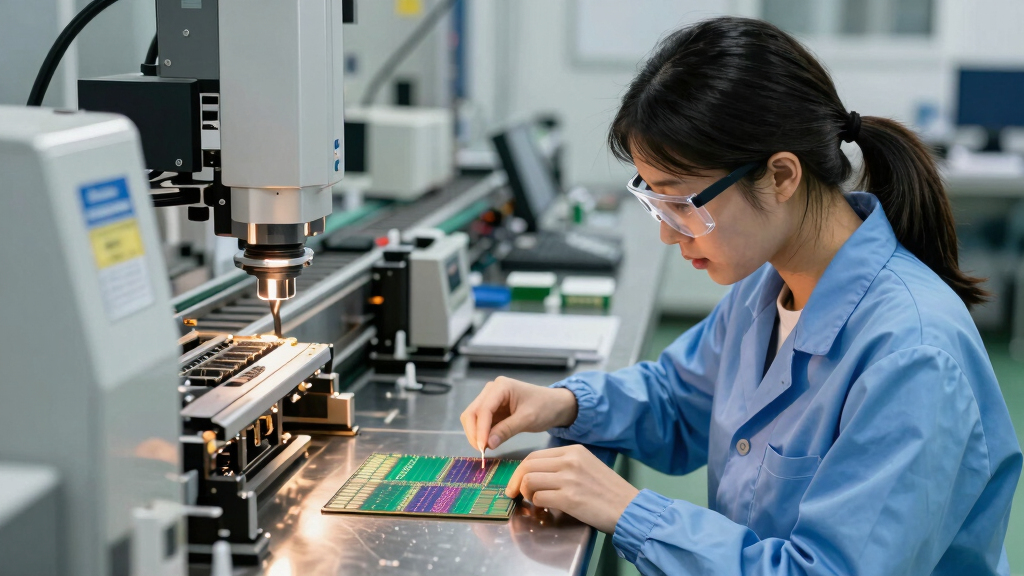
The company, founded by renowned chip designer Jim Keller, is in the process of constructing a factory designed to produce small chip fabrication facilities (fabs) at scale. This approach seeks to create a new supply of compact, modular fabs that could be deployed more rapidly and cost-effectively than traditional large-scale facilities. The startup has not disclosed the exact location of the factory or the timeline for completion but states that construction is underway and they aim to start production within the next 18 to 24 months. Industry sources suggest this move could help alleviate current chip shortages and reduce reliance on traditional fabs, which are expensive and time-consuming to build. Keller’s team emphasizes that their goal is to democratize access to advanced chip manufacturing technology, making it more accessible to a broader range of companies and regions.Potential Industry Disruption from Modular Chip Fabs
This development could significantly impact the global semiconductor supply chain by enabling faster, cheaper, and more flexible chip manufacturing. If successful, the factory could lower barriers for new entrants in chip production, reduce costs for existing manufacturers, and help mitigate ongoing shortages. The approach aligns with broader industry trends toward modular, scalable manufacturing solutions, and could influence future fab design and deployment strategies. However, the technical feasibility and economic viability of mass-producing small chip fabs at scale remain unproven, making this a potentially transformative but uncertain innovation.Popular right now

De'Longhi Stilosa Compact Manual Espresso Machine with Milk Frother

iRobot Roomba 105 Vac Robot Vacuum

Bose QuietComfort Ultra Earbuds (2nd Gen), Deep Plum
As an affiliate, we earn on qualifying purchases.
Background on Modular Semiconductor Manufacturing
Jim Keller, a prominent chip designer known for his work at AMD and Apple, founded this startup after years of advocating for more flexible semiconductor manufacturing solutions. The concept of small, modular fabs is gaining interest as a means to address the high costs and lengthy timelines associated with traditional large fabs. Industry insiders have long discussed the potential for smaller, more adaptable manufacturing units, but no company has yet successfully scaled this approach to commercial production. Keller’s venture represents one of the most ambitious efforts to turn this idea into reality, leveraging his expertise and industry connections. The move comes amid ongoing global chip shortages, geopolitical tensions affecting supply chains, and increasing demand for localized manufacturing.“Our goal is to make chip manufacturing more accessible, scalable, and responsive to the needs of the industry. Building small, efficient fabs could change the way chips are made worldwide.”
— Jim Keller
Technical and Economic Challenges of Small Fabs
It is not yet clear whether Keller’s factory can produce small chip fabrication units at scale cost-effectively. The technical feasibility of manufacturing reliable, high-yield small fabs remains unproven, and economic viability is uncertain given the high initial investment and operational costs. Details about the factory’s design, capacity, and timeline are still emerging, and industry experts are cautious about the project’s potential success.Next Steps for Keller’s Modular Fab Initiative
The startup is currently in the construction phase, with plans to begin production within 18 to 24 months. Further updates are expected on the factory’s progress, technical specifications, and initial output. Industry observers will monitor whether the company can overcome technical challenges and achieve commercial viability, potentially influencing future manufacturing strategies in the semiconductor sector.Key Questions
What exactly is a small chip fab?
A small chip fab is a miniature, modular semiconductor manufacturing unit designed to produce chips at a smaller scale than traditional large facilities. These units aim to be more flexible, quicker to deploy, and less costly.
Why is this development significant?
If successful, it could lower the barriers to entry for chip manufacturing, reduce supply chain bottlenecks, and enable more localized production, addressing current global shortages.
What are the main challenges Keller’s startup faces?
The primary challenges include proving the technical reliability of small fabs at scale, ensuring cost-effectiveness, and achieving high yields necessary for commercial production.
When will the factory start producing chips?
The company aims to begin production within the next 18 to 24 months, but this timeline could shift depending on construction progress and technical development.
How does this compare to traditional fabs?
Traditional fabs are large, expensive, and time-consuming to build. Keller’s approach proposes smaller, modular units that could be deployed faster and at lower cost, potentially transforming industry standards.
Source: hn