TL;DR
Get ready for Prime Big Deal Days — try Prime free
Exclusive member deals on October 6–7, plus fast free delivery. Cancel anytime.
Start your free trialAs an affiliate, we earn on qualifying purchases.
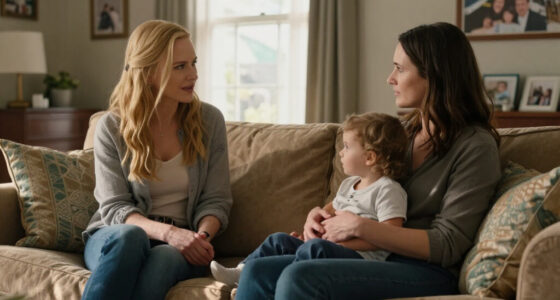
A parent notices their children are treated differently than their cousins by their own parents. While the behavior is observed, the reasons behind it remain unconfirmed. The situation raises questions about favoritism and family fairness.
A parent has raised concerns that their own parents are treating their children differently than their cousins, with suspicions of favoritism or bias. This issue has caused familial tension and questions about fairness, though no concrete evidence has been publicly confirmed.
The parent, who remains anonymous, observed that their children receive less attention, fewer gifts, or different disciplinary responses compared to their cousins during family gatherings. First-day advice at school can help ease children into new environments. They have expressed concern that this differential treatment may be rooted in bias or favoritism, though they acknowledge that they lack definitive proof.
Family members have responded differently; some dismiss the parent’s concerns as misunderstandings, while others suggest that cultural or personal preferences may influence behavior. For tips on navigating family dynamics, see Michelle Obama on parenting. The parents involved have not issued public statements, and the parent raising the concern has not yet confronted them directly about their perceptions.
Experts note that favoritism within families can be subtle and difficult to prove, often rooted in unconscious biases or longstanding family dynamics. For more insights, visit family advice resources. The situation has sparked online discussions about fairness, favoritism, and the impact on children’s emotional well-being.
Potential Impact of Family Favoritism on Children
This situation highlights how perceived favoritism by grandparents can affect children’s emotional health and sibling relationships. If confirmed, such bias could lead to feelings of inadequacy or resentment among the children involved. For the wider family, it raises questions about fairness, bias, and the influence of family culture on child-rearing practices.
Understanding and addressing favoritism is important because it can shape children’s self-esteem and family cohesion. If left unrecognized or unaddressed, favoritism can cause long-term emotional issues and family discord.
As an affiliate, we earn on qualifying purchases.
Family Dynamics and Common Favoritism Patterns
Favoritism within families is a well-documented phenomenon, often rooted in longstanding relationships, cultural norms, or personal biases. It can manifest in unequal attention, gifts, discipline, or emotional support. While many families aim for fairness, subtle favoritism is common and sometimes unintentional.
In recent years, increased awareness of emotional health and fairness has led to more discussions about favoritism and its effects on children. Social media and online forums have amplified these conversations, with many parents sharing concerns about favoritism affecting sibling and cousin relationships.
However, concrete proof of favoritism is often difficult to establish, and perceptions can be influenced by individual feelings or misunderstandings. The current concern reflects a broader trend of families becoming more aware of and sensitive to issues of bias and favoritism.
family favoritism discussion cards
As an affiliate, we earn on qualifying purchases.
As an affiliate, we earn on qualifying purchases.
Unconfirmed Nature of the Favoritism Allegation
It is not yet clear whether the differential treatment is intentional favoritism or influenced by other factors such as cultural norms, personality differences, or unintentional bias. The involved grandparents have not publicly commented, and no concrete evidence has been presented to substantiate claims of bias.
It remains uncertain whether this is a widespread family pattern or limited to specific interactions. The parent raising the concern has not yet confronted the grandparents directly, and the situation is still developing.
children's sibling relationship games
As an affiliate, we earn on qualifying purchases.
As an affiliate, we earn on qualifying purchases.
Next Steps for Addressing Family Treatment Concerns
The parent plans to have a direct, respectful conversation with their parents to clarify perceptions and seek understanding. Family counseling or mediation could be considered if tensions persist. Observing future family interactions may also provide more clarity.
In the broader context, families may benefit from open discussions about fairness and favoritism to prevent long-term emotional impacts on children. The situation remains fluid, and further developments are expected as the parent navigates this sensitive issue.
As an affiliate, we earn on qualifying purchases.
Key Questions
What are common signs of favoritism in families?
Signs include unequal attention, gifts, discipline, or emotional support, as well as children feeling left out or less valued.
Can favoritism be unintentional?
Yes, favoritism is often unconscious and influenced by longstanding family dynamics or cultural norms, making it difficult to recognize or address.
How can families address perceived favoritism?
Open, respectful communication and, if needed, family counseling can help address concerns and promote fairness among children and relatives.
Does perceived favoritism always mean actual bias?
Not necessarily. Perceptions can be influenced by individual feelings or misunderstandings, and actual bias should be carefully investigated before conclusions are drawn.
What impact can favoritism have on children?
Favoritism can affect children’s self-esteem, emotional health, and sibling or cousin relationships, potentially leading to resentment or feelings of inadequacy.
Source: rss
Fall yard work Picks
leaf blowers
As an affiliate, we earn on qualifying purchases.