
TL;DR

Turn the school run and nap time into listening time
- Thousands of audiobooks, podcasts and originals
- Listen on your phone, tablet or Echo — also offline
- Cancel anytime
Smart changing pads measure parameters like diaper contents, skin condition, and environmental factors. They provide useful data to catch health issues early and make diaper changes smoother. These devices are evolving fast, offering new ways to care for your baby smarter.
Smart changing pads are no longer just cushioned surfaces for diapering—they’re becoming tiny health monitors tucked into your nursery routine. They combine sensors, connectivity, and data analysis, giving you insights you never knew you needed. This guide will show you what they measure, why it matters, and how they can make your parenting life easier and more informed.
Smart changing pads can measure urine, stool, skin condition, and environmental factors, giving you a fuller picture of your baby’s health.
Early alerts about dehydration, skin irritation, or infection markers help catch issues before they become serious.
Connectivity and data visualization make diaper changes more efficient and boost your confidence as a parent.
Choose devices with safety certifications, privacy protections, and features that match your specific needs.
As technology advances, expect smarter, more integrated baby care tools that simplify infant health monitoring.
Smart Changing Pads: What They Measure and Why
The changing pad is evolving from a cushioned surface into a compact health-monitoring station—tracking diaper contents, skin condition, nursery climate, and emerging infection signals while reducing manual logs and late-night guesswork.
6+
24/7
2
0
01 / Sensor map
What exactly gets measured?
Each measurement is a clue rather than a diagnosis. Together, diaper output, skin signals, and environmental data create a fuller view of hydration, digestion, comfort, and emerging health concerns.
Output
Urine
Frequency, estimated volume, and concentration trends can help flag reduced output associated with dehydration or kidney concerns.
Digestion
Stool
Amount and timing patterns may reveal changes linked to constipation, diarrhea, feeding shifts, or digestive upset.
Skin
Moisture & Redness
Surface moisture, redness, and local warmth can provide early notice of irritation, dermatitis, sensitivity, or infection.
Climate
Temperature
Ambient and surface readings help identify excessive heat that may contribute to discomfort, poor sleep, or fluid loss.
Climate
Humidity
Nursery humidity affects skin integrity and microbial growth. Persistent dampness can aggravate existing rashes.
Emerging
UTI Markers
Developing sensor systems may screen for leukocytes or nitrites associated with urinary tract infections.
02 / Why it matters
From small signal to earlier action
Infant health can change quickly. Smart pads are most useful when they reveal a trend early enough for a caregiver to recheck, adjust the environment, or contact a pediatric professional.
The monitoring loop
A connected system turns isolated diaper changes into a continuous, reviewable story.
Clinical relevance map
Relative value for trend monitoring, based on the breadth of issues each signal may help surface.
This scale reflects potential monitoring utility, not diagnostic certainty. Emerging chemical-marker sensors require careful validation.
03 / Capability check
Smart pad vs. routine tracking
A smart changing pad adds consistency and trend visibility, but it remains a supplementary tool. Hands-on diaper checks, observation, and professional medical judgment still matter.
| Capability | Visual diaper check | Manual log | Smart changing pad | Why useful |
|---|---|---|---|---|
| Detect wet or soiled diaper | ✓ | ~ | ✓ | Supports faster response and comfort |
| Estimate output quantity | ~ | ~ | ✓ | Highlights hydration and digestion trends |
| Track patterns automatically | ✗ | ~ | ✓ | Reduces omissions and memory burden |
| Monitor skin signals | ✓ | ~ | ✓ | May surface irritation before it worsens |
| Measure nursery conditions | ✗ | ✗ | ✓ | Connects heat and humidity with comfort |
| Provide shareable history | ✗ | ✓ | ✓ | Supports clearer pediatric conversations |
| Diagnose a medical condition | ✗ | ✗ | ✗ | Diagnosis belongs with qualified clinicians |
Legend: ✓ supported ~ partial or user-dependent ✗ not supported
04 / Technology
How the intelligence gets built
The latest systems combine flexible sensors, wireless connectivity, pattern analysis, and clearer mobile dashboards. The goal is not more data for its own sake—it is more useful context at the moment a parent needs it.
The connected stack
- S Skin-friendly sensors monitor subtle moisture, warmth, and output changes without adding rigid components against delicate skin.
- C Bluetooth or Wi-Fi sends readings to a phone for alerts, history, and multi-caregiver visibility.
- AI Pattern analysis compares new readings with the baby’s baseline and looks for persistent or unusual shifts.
- E Eco-focused formats include washable components and developing biodegradable or single-use sensing layers.
Reported performance
Accuracy is a spectrum
Advanced pads have been reported to identify early dehydration and skin-irritation signals with accuracy reaching 85%. Real-world results depend on sensor quality, fit, calibration, cleaning, and the metric being measured.
“Up to” describes a best reported result, not a guarantee for every baby or every condition. Compare validation methods and independent testing—not only headline percentages.
05 / Buying guide
Five checks before you choose
Prioritize the measurements you will actually use. Extra sensors add little value if the pad is difficult to clean, creates noisy alerts, or handles sensitive family data poorly.
01
Safety certification
Look for non-toxic, skin-safe materials and relevant electrical and product testing.
02
Useful accuracy
Check which readings are measured directly and which are only estimated.
03
Cleaning design
Favor wipeable surfaces or removable, washable layers that protect sensor hardware.
04
Privacy controls
Review encryption, retention, deletion, sharing, and account-security options.
05
Right-size features
Match functions to your baby, budget, caregiver setup, and pediatric guidance.
Traceability / the big picture
Smarter care is a chain—not a single reading
The strongest benefit is earlier awareness: less mental bookkeeping, clearer trends, and better information to bring to a pediatric consultation. Smart pads complement attentive caregiving; they do not replace routine checks or medical advice.
What Exactly Do Smart Changing Pads Track?
Smart changing pads measure a variety of indicators to help you keep tabs on your baby’s health and comfort. Urine and stool output are among the key metrics, with some devices estimating how much your baby passes during each diaper change. Understanding these outputs is crucial because they serve as direct indicators of hydration status, kidney function, and digestion. For example, reduced urine output can signal dehydration or kidney issues, prompting early medical consultation. Conversely, excessive stool or irregular patterns might indicate digestive problems or infections.
They also monitor skin moisture, temperature, and redness, which can reveal early signs of rashes, sensitivities, or infections. For instance, increased redness or warmth might warn of developing dermatitis or infection, allowing for prompt treatment. Recognizing these signs early can prevent discomfort and more serious health complications.
Environmental factors like humidity and ambient temperature are tracked because they influence skin health and sleep quality. A nursery that’s too humid can foster bacterial growth or exacerbate rashes, while excessive heat can cause dehydration or sleep disturbances. By maintaining optimal conditions, you help ensure your baby’s comfort and health.
Some advanced sensors look for urinary markers, like leukocytes or nitrites, which are associated with urinary tract infections. Detecting these markers early offers a window for timely treatment, reducing the risk of complications. However, this technology is still developing, and not all devices currently provide this level of analysis.
Finally, certain pads can estimate the volume of urine or stool with high precision, helping identify patterns over time. This data can be invaluable for diagnosing issues like constipation, diarrhea, or dehydration trends, facilitating more informed pediatric consultations.
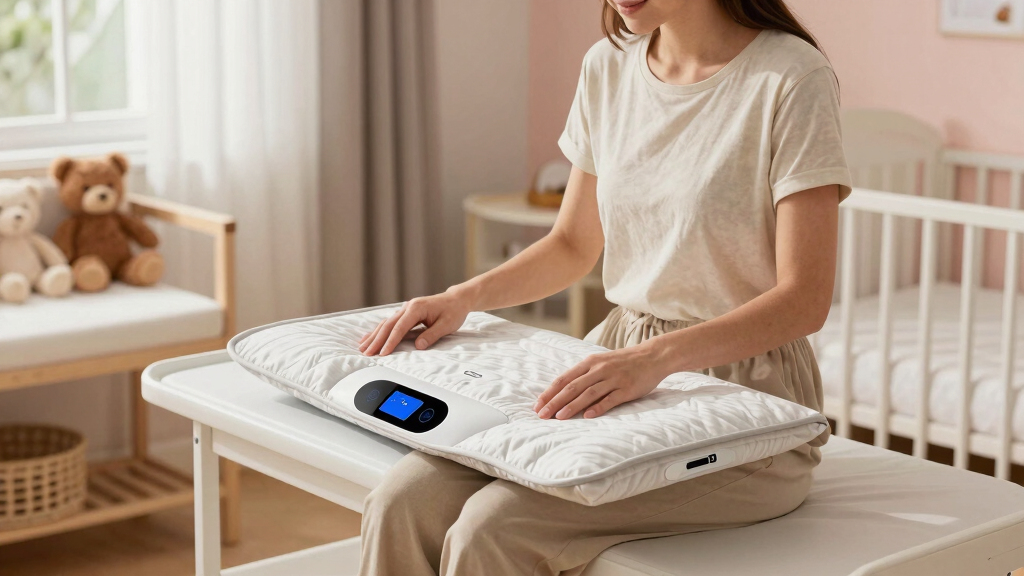
smart baby changing pad with hydration monitoring
As an affiliate, we earn on qualifying purchases.
As an affiliate, we earn on qualifying purchases.
Why Do These Measurements Matter for Your Baby’s Health?
Understanding what your baby passes and how their skin looks isn’t just about immediate comfort—it’s about early detection and prevention of health issues that can have serious implications if left unnoticed. Dehydration, for example, can develop subtly and rapidly in infants. A slight decrease in urine output or an increase in waste concentration can be early signs that your baby needs more fluids. If not caught early, dehydration can lead to electrolyte imbalances, kidney strain, or even more severe complications. Recognizing these signs early allows for prompt intervention, which is critical in vulnerable populations like newborns.
Monitoring skin health isn’t just about rash prevention; it provides insight into underlying health conditions. Persistent redness, warmth, or swelling could indicate infections, allergic reactions, or sensitivities that require medical attention before they escalate. Early detection through sensor data can prevent discomfort, secondary infections, and long-term skin issues, ensuring your baby remains comfortable and healthy.
Tracking environmental conditions helps you create a nursery environment optimized for your baby’s well-being. Excessive heat or humidity can cause dehydration, rashes, or sleep disturbances, which can impact growth and development. Conversely, maintaining a cool, well-ventilated space helps prevent these issues, supporting better sleep and skin integrity.
Detecting early signs of urinary tract infections (UTIs) through specific markers can be life-saving. UTIs in infants can rapidly escalate to more serious conditions like kidney infections or sepsis if untreated. Early awareness from sensor data can lead to faster medical intervention, minimizing health risks.
Furthermore, these insights empower you to have more informed conversations with your pediatrician, providing detailed, objective data that can improve diagnosis accuracy and treatment plans. This proactive approach shifts infant care from reactive to preventive, ultimately leading to healthier outcomes and peace of mind for parents.
baby changing pad with skin condition sensors
As an affiliate, we earn on qualifying purchases.
As an affiliate, we earn on qualifying purchases.
How Smart Tech Is Changing Diaper Duty — And Your Peace of Mind
Smart changing pads connect to your phone via Bluetooth or Wi-Fi, transforming diaper changes from routine chores into opportunities for proactive health monitoring.
Imagine receiving an alert if your baby’s skin shows early signs of irritation or if urine output suggests dehydration—these real-time notifications enable you to respond swiftly, potentially preventing discomfort or more serious health issues. This immediate feedback can be a game-changer, especially during night-time or when you’re managing multiple responsibilities. It reduces the guesswork and allows you to address issues before they become visible or painful.
Data visualization through companion apps allows you to track trends over days or weeks, revealing patterns that might otherwise go unnoticed. For example, noticing a gradual decrease in hydration levels over several days can prompt you to consult your pediatrician sooner. Similarly, persistent rashes or changes in environmental conditions can be caught early, facilitating timely interventions.
This technology alleviates the mental load by providing concrete, easy-to-understand data, boosting your confidence in managing your baby’s health. Instead of relying solely on memory or guesswork, you can make informed decisions, reducing stress and uncertainty during those exhausting diaper changes, especially in the middle of the night. Ultimately, these tools empower you to be more proactive, ensuring your baby’s well-being with less anxiety and more peace of mind.
infant health monitoring changing pad
As an affiliate, we earn on qualifying purchases.
As an affiliate, we earn on qualifying purchases.
The Latest Tech Innovations in Smart Changing Pads
Recent advances include more sensitive, skin-friendly sensors that can monitor continuously without causing discomfort or irritation. These sensors are designed to be gentle on delicate baby skin while providing reliable data, which is crucial for accurate health monitoring. For example, innovations in sensor materials now allow for more precise detection of subtle changes in skin hydration or redness, leading to earlier alerts for potential issues.
Integration with AI algorithms enhances the device’s ability to identify subtle patterns—such as slight changes in skin redness or hydration levels—that might predict health issues before symptoms become obvious. This predictive capability enables earlier intervention, which can prevent the progression of conditions like diaper rash, dehydration, or infections. However, reliance on AI also involves tradeoffs, such as potential false positives or over-reliance on technology, which requires parents to balance sensor data with their own observations.
Some devices now offer ecofriendly, disposable options, balancing convenience with sustainability. While these are more environmentally friendly, they may come with higher costs or limited durability, prompting parents to weigh environmental concerns against practicality.
Security is a growing focus, with encryption and compliance with health privacy laws ensuring your baby’s sensitive data remains protected. As connectivity grows, so does the importance of safeguarding data against breaches, which can involve tradeoffs between convenience and privacy.
Overall, these technological advancements aim to improve accuracy, ease of use, and data security, making smart changing pads more trustworthy and accessible for everyday parents. The ongoing evolution reflects a commitment to safer, more reliable infant health monitoring while considering the practical realities of family life.
As an affiliate, we earn on qualifying purchases.
What You Should Know Before Buying a Smart Changing Pad
Not all smart pads are created equal. When selecting one, it’s important to evaluate the depth of its features and the implications for your baby’s safety. Look for certifications, safety testing, and non-toxic, hypoallergenic materials—these ensure the product is safe for sensitive skin and meets regulatory standards. But beyond safety certifications, consider how comprehensive the device’s monitoring capabilities are. Does it measure the parameters that genuinely matter to your child’s health, such as hydration or skin integrity? Additionally, assess whether the accompanying app is intuitive and user-friendly. An overly complicated interface can cause frustration, especially during the chaos of diaper changes.
Pay attention to reviews focusing on measurement accuracy—if sensors are unreliable, you risk false alarms or missed issues, which can undermine trust in the device. Ease of cleaning is also crucial; devices that are difficult to sanitize may pose hygiene risks or discourage regular use.
Price points vary widely, but a higher cost doesn’t always guarantee better quality. Focus on features that align with your priorities, whether it’s detailed health metrics, ease of use, or data privacy. Consider if the tradeoffs—like higher costs for advanced sensors—are worth it for your family’s needs.
Finally, prioritize data privacy—choose brands that encrypt your data, have transparent privacy policies, and comply with relevant regulations. Protecting your family’s sensitive information is essential as more devices become interconnected, and understanding how your data is stored and used can influence your purchasing decision.
The Future of Infant Monitoring: Smarter, Safer, Simpler
As sensor technology and AI continue to advance, smart changing pads are poised to become even more intuitive and proactive. Future devices may not only track current health indicators but also analyze data trends to predict potential issues before symptoms appear, enabling preemptive care.
Imagine a nursery ecosystem where your changing pad communicates seamlessly with other smart devices—thermostats, sleep monitors, and health apps—creating a comprehensive, integrated health management system. This interconnected setup could automatically adjust room temperature, humidity, or lighting based on the baby’s needs, or alert you to subtle changes that signal emerging health concerns.
For parents, these innovations promise less guesswork, quicker responses, and increased peace of mind, transforming infant care from reactive to proactive. As these technologies mature, they will likely become more affordable, accessible, and personalized, making smart baby care a standard part of parenting.
Ultimately, the future holds a vision of smarter, safer, and more connected infant care that adapts to your baby’s unique needs, ensuring healthier development and more relaxed parenting.
Frequently Asked Questions
Are smart changing pads safe for my baby?
Most are designed with skin-friendly, non-toxic materials and undergo rigorous safety testing. Always check for certifications and follow manufacturer instructions to ensure safe use.
How accurate are the measurements from these devices?
Accuracy varies by device and sensor quality, but they are generally reliable for spotting trends. They are best used as supplementary tools alongside routine checks and pediatric advice.
Will these devices replace regular diaper checks?
No, they’re meant to enhance, not replace, your routine. Regular visual and tactile checks remain essential, especially for issues not detectable by sensors.
How do I keep a smart changing pad clean?
Follow the manufacturer’s cleaning instructions. Many are wipeable or have washable, removable parts to keep hygiene high without damaging electronics.
Are there privacy concerns with connected devices?
Yes, data security matters. Reputable brands encrypt your data and comply with privacy laws. Always review their privacy policies before purchase.
Conclusion
Smart changing pads are transforming the way parents care for their babies—turning diaper duty into a window for early health insights. They won’t replace routine checks but will make them smarter, less stressful, and more informed.Think of them as gentle, high-tech helpers, quietly working behind the scenes to keep your little one safe and comfortable—so you can focus on the joy of those tiny moments.
Cold & flu season Picks
humidifiers
As an affiliate, we earn on qualifying purchases.