TL;DR

Turn the school run and nap time into listening time
- Thousands of audiobooks, podcasts and originals
- Listen on your phone, tablet or Echo — also offline
- Cancel anytime
Travel blackout solutions block incoming light, but fit and edge gaps matter more than a product’s blackout claim. Check the window and attachment surface, keep coverings and cords away from a baby’s sleep space, and remember that darkness does not control room temperature, airflow, or noise.
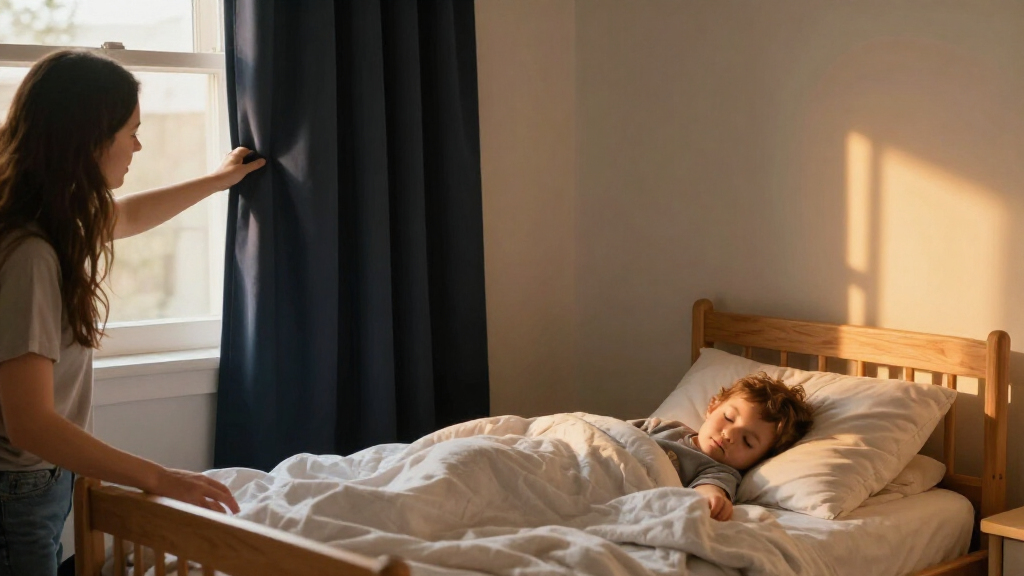
A room can look dark at bedtime and turn bright as a bakery window by six in the morning. At a hotel, the curtain may stop several inches short of the wall; in a rental, a bare window can send a sharp stripe of sun across the crib. Travel blackout solutions can help you block that light, but the window, the attachment surface, and the setup matter as much as the panel you pack.
This guide walks you through choosing a room-wide shade or a personal sleep mask, matching attachments to real windows, and dealing with gaps without creating a hazard. You’ll also get a quick arrival routine for nap time and a clear reminder about infant sleep: follow pediatric guidance and keep loose coverings and cords away from the sleep space.
Check the window’s dimensions and surface before choosing suction cups, clips, adhesive tabs, or a tension rod.
Look for light around the top and sides; a narrow gap can still brighten a room at dawn.
Use a sleep mask as a compact personal option for an adult; choose a room-wide shade when several people need less light.
Keep loose coverings and cords away from an infant’s sleep space, and follow pediatric safe-sleep guidance.
Blackout fabric blocks light but does not reliably control noise, airflow, or room temperature.
Travel Blackout Solutions Make Any Room Nap-Ready
Portable shades can reduce daylight, but the right fit matters. Check the room, attachment surface, and safety before nap time.
Choose What Fits Your Trip
Use a personal option for one sleeper or a room-wide shade for shared darkness.
Travel sleep mask
Compact for adults; check fit and pressure. It does not darken a shared room.
Portable curtain
Covers more of a hotel or rental window, but measure first and check edge gaps.
Suction-cup shade
Reusable on clean, smooth glass; dust, heat, or uneven surfaces can weaken its grip.
Match Attachment to Window
The frame, surface, and accommodation rules determine what can attach securely.
Measure the glass and surrounding area; note frame depth, texture, and hardware.
Suction cups need smooth glass; clips need an edge, rods need a stable span, and adhesive may fail on texture or leave residue.
Follow instructions, check for slipping, and look for uncovered edges.
Check the Whole Room
Darkness addresses daylight, not every condition that can disturb rest.
- Draw existing curtains fully.
- Check top and sides for bright gaps, especially at dawn.
- Look for shutters or shades before unpacking extra gear.
- Blackout fabric does not reliably control noise, airflow, or temperature.
- Do not cover ventilation or block an emergency exit.
- Keep coverings and cords away from heaters, lamps, and an infant’s sleep space.
Set Up Safely
A quick arrival check can catch fit and safety issues before a child is waiting for sleep.
| Option | Check before relying on it |
|---|---|
| Portable curtain | Window dimensions, attachment points, and edge gaps |
| Suction shade | Clean, smooth glass and secure grip |
| Sleep mask | Comfortable fit; adult personal use |
| Temporary film | Accommodation rules, removal, and residue |
| Towels or blankets | Could fall, leave gaps, or create heat and safety concerns |
Why a Small Strip of Sun Can Wreck a Nap
Travel blackout solutions work by blocking incoming light, and they can make an unfamiliar room easier to use for a nap when daylight is the main distraction. The catch is that one bright edge can still make a room feel much lighter, especially at dawn. A panel that covers most of the glass may look impressive at noon yet leave a glowing outline where the sun finds the wall.
That matters when you share a room with a baby or a light-sensitive sleeper. Imagine settling a child in a portable crib while the hotel’s curtains leave a finger-wide gap beside the frame. A thin line of morning light can land right across the sleeping area, and you may only notice it after the early wake-up.
Darkness is one part of a comfortable room, alongside quiet and a suitable temperature. Blackout fabric does not reliably regulate heat, improve air quality, or block hallway noise. If the room feels stuffy or a lift door clangs every ten minutes, a darker window won’t solve those problems; check airflow and ask the hotel about a quieter room when practical.
Dark fabric is only as useful as its coverage. Check the top, sides, and bottom for gaps before you call the room nap-ready.
A darker room also does not guarantee better sleep for every person. Think of it as removing one source of bright light, not a sleep switch. For a toddler who wakes when the sun hits the curtains, that change may help; for an adult who wakes to traffic noise, the window covering may make little difference.
Popular right now

Dyson R3 Nurovi Spot+Scrub UV Robot Vacuum

KitchenAid Artisan 5-Quart Tilt-Head Stand Mixer, Almond Cream

De'Longhi All-in-One Espresso and Coffee Maker with 10-Cup Pot and Milk Frother
As an affiliate, we earn on qualifying purchases.
Choose the Option That Fits Your Trip and Your Window
The most useful blackout option depends on whether you need to darken a shared room or simply cover your own eyes. A sleep mask is usually the smallest thing to pack; a room-wide panel makes more sense when a baby, partner, and early-rising sibling all share the same space. No portable option fits every window, so compare the way it attaches as well as how it folds.
| Option | Works well when | Check before you rely on it |
|---|---|---|
| Portable blackout curtain | You need broad coverage for a hotel or rental window. | Window dimensions, edge gaps, attachment points, and packed size. |
| Suction-cup shade | The room has clean, smooth glass and you want a reusable setup. | Dust, heat, or uneven glass can weaken the grip. |
| An adult needs a compact personal option. | Fit and pressure around the eyes; it does not darken the shared room. | |
| Temporary film | You can follow the installation rules and remove it as directed. | Accommodation rules, residue, and whether it can be reused. |
For example, a parent flying with a toddler may pack one foldable panel for the bedroom window and keep a sleep mask in a carry-on for themselves. On a one-night stop where a child already naps well with curtains, the mask may be the more sensible choice. Match the gear to the likely room, not an idealized picture of every hotel window.
Portable designs increasingly advertise compact folds, adjustable sizing, reusable attachments, or several ways to hang a panel. Those features can make setup easier, but a “100% blackout” label cannot tell you whether a panel will cover a deep frame or an unusually wide window. Favor clear measurements and installation instructions over a bold claim.
Match the Attachment to the Surface Before You Pack
To choose an attachment, check the window’s size, frame depth, and surface texture before you leave home. Suction cups need smooth, clean glass; clips need a suitable edge or fixture; tension rods need a place to sit securely; and adhesive tabs may not stick to textured surfaces. A method that works in your bedroom may fail on a rental’s painted trim.
- Measure the glass and the area around it. Note whether the frame is recessed, flush, unusually wide, or split by a center bar.
- Identify the contact surface. Smooth glass may suit suction cups, while a frame or curtain rod may offer a better place for clips or a tension rod.
- Check the rules and instructions. Some accommodations restrict adhesive products, and the product instructions may rule out certain surfaces.
- Allow time for a trial setup. Test your chosen method before the nap window, then look for slipping and uncovered edges.
Say you arrive in a rental with a tall sash window and painted wood trim. Your suction shade may attach to the glass but leave uncovered space at the top; adhesive tabs could have trouble on a rough patch of paint. A few minutes spent checking the frame helps you spot the mismatch while your child still has toys and daylight to spare.
Each method has tradeoffs. Suction cups are reusable but can lose grip if the glass is dusty, warm, or uneven. Adhesive tabs may attach to surfaces that cups cannot, but they can fail on texture or leave residue. A tension rod avoids some adhesives, yet it needs a stable span and enough room to fit. Check the window before buying whenever you can.
Set Up the Room Without Creating a New Hazard
A room is ready for a nap only when the covering blocks light without adding a safety problem. Keep fabric and cords away from heaters, lamps, and the child’s sleep space, and never hang a loose blocker where it could fall onto a crib or bed. Do not cover ventilation or block an emergency exit to get a darker room.
On arrival, first look at what the accommodation already provides. Hotel curtains may overlap well enough once you draw them fully; rental bedrooms may have shutters or a roller shade tucked behind a decorative curtain. If there is a narrow gap, adjust the existing covering or move the sleep setup only if doing so still fits your family’s safe-sleep guidance.
Then inspect your portable setup at the edges. A panel should sit securely and stay clear of fixtures; test it gently before leaving the room. If you use suction cups, clean the glass as the instructions allow. If you use adhesive tabs, follow the directions and accommodation rules. Do not improvise an attachment to a lamp, heater, sprinkler, or anything that must remain accessible.
For instance, a towel draped over a curtain rod might hide a bright corner for the moment, but it can slip as the room warms up. A towel pinned near a lamp can also create a heat concern. If you need an improvised fix, keep it away from fixtures and never place it where it could fall into a crib or obstruct airflow.
For infants, keep loose fabric and cords out of the sleep space. Follow pediatric guidance and recognized safe-sleep recommendations; a darker room does not change those rules.
Before you leave the room, check the floor and window area for loose pieces, cords, or adhesive backing. A toddler may find a dangling tab more interesting than the dim room you worked to create. Product instructions, the room layout, and your child’s age all matter, so use only age-appropriate items and check the CPSC recall database for child products you plan to use.
Use This Five-Minute Arrival Check Before Nap Time
A short arrival check helps you catch fit and safety problems before a tired child is already waiting for sleep. Give yourself five minutes if the room and product allow it; the goal is to confirm coverage, stability, and clear space, not to make every room pitch-black. This routine works for a hotel stop after a long drive or a rental bedroom before an afternoon nap.
- Look at the existing curtains. Pull them closed and check whether light shows at the middle, sides, or top.
- Match the window to your gear. Compare its width and height with the panel, shade, or rod you brought.
- Attach it to a suitable surface. Follow the product directions and the accommodation’s rules.
- Check the edges in daylight. Stand where the child will sleep and look for a bright strip across the room.
- Inspect the sleep area and room. Keep coverings, cords, and loose pieces away from the child; leave ventilation and exits clear.
Suppose you arrive at 1:15 p.m. after a flight and your toddler usually naps around two. The curtains close, but a strip of sunlight lands beside the travel crib. The check gives you time to attach a panel, notice that one cup does not hold, and choose a safer arrangement before you start the nap routine.
If you still see light, check the setup instead of reaching for more fabric automatically. The panel may be too narrow or mounted too low. You can ask the accommodation whether it has a better curtain or move an adult’s sleep mask into use for yourself. A mask is a personal option for an adult, not a substitute for room darkening while supervising a child.
Take down temporary coverings as directed when you leave, and check the room for leftover tabs or hardware. A simple routine makes the setup more predictable across different rooms, even when each window has its own quirks.
Know What Blackout Fabric Can—and Can’t—Change
Blackout fabric reduces incoming light; it does not reliably provide soundproofing, ventilation, or temperature control. A room may feel darker and still be warm, noisy, or stuffy. Keeping those limits in mind helps you solve the actual problem instead of expecting one window panel to fix the whole night.
Some heavy panels can make a room feel warmer by reducing daylight at the window, but that is not the same as regulating room temperature. If the room feels hot, check the thermostat or ask the host about cooling. Keep fabric away from heaters and lamps, and do not cover vents to get more darkness.
Blackout fabric also will not reliably mute the rolling suitcase in the hallway or a lift chime outside the door. If noise is the problem, ask about a quieter room or use an appropriate personal option for the adult who needs it. For an infant, follow pediatric guidance rather than relying on a window covering to manage the room or sleep.
Imagine a rental bedroom with curtains that block nearly all the afternoon sun but no working fan. The room becomes darker, yet still feels warm after a day of travel. The panel has done its light-blocking job; the next step is addressing the temperature with the host, not layering blankets or trapping heat around the bed.
Expectation matters, too. Some families get a useful nap from a dim room with ordinary curtains, while others need to reduce bright dawn light more carefully. Treat a blackout panel as a tool for one specific job. It cannot promise a full night’s sleep, and a manufacturer’s rating cannot predict the gaps in a window you have not seen.
Frequently Asked Questions
What is the easiest blackout solution to pack?
A sleep mask is usually the smallest option for an adult. For shared room darkness, pack a foldable panel that suits the windows you expect and check its dimensions before you travel.
Will a portable blackout curtain fit any hotel window?
No. Window size, frame shape, and surface determine whether a panel fits and how it attaches. Measure when possible, choose an adjustable option, and leave time to check the edges when you arrive.
Are suction cups or adhesive tabs better?
Suction cups are reusable on smooth, clean glass, while adhesive tabs may work on some other surfaces. Cups can lose grip on dusty or uneven glass, and tabs may fail on textured walls or leave residue; follow the instructions and accommodation rules.
Can I make a room completely dark?
Sometimes, but seams and uncovered edges often let daylight through. Check the top and sides from the sleeping area, especially if dawn light reaches the window directly.
Do blackout curtains block noise or heat?
Blackout curtains reduce incoming light, but they are not dependable soundproofing or climate-control products. A room may still be noisy, warm, or stuffy, so address those conditions separately.
Are blackout products safe for babies?
Keep loose fabric, cords, and window coverings out of the crib and follow pediatric guidance and recognized safe-sleep recommendations. Avoid improvised setups that could fall, cover ventilation, or create another hazard.
Conclusion
Pack blackout gear for the room you expect to meet: a sleep mask for personal use, or a panel sized for a shared window. At your destination, check the existing curtains, test the attachment, and inspect the edges before nap time.
Keep every covering clear of your child’s sleep space, and remember what the fabric can do: hold back the sunrise, not the hallway noise or a warm room. A few careful minutes can turn a bright window into a softer landing after a long travel day.