
TL;DR

Turn the school run and nap time into listening time
- Thousands of audiobooks, podcasts and originals
- Listen on your phone, tablet or Echo — also offline
- Cancel anytime
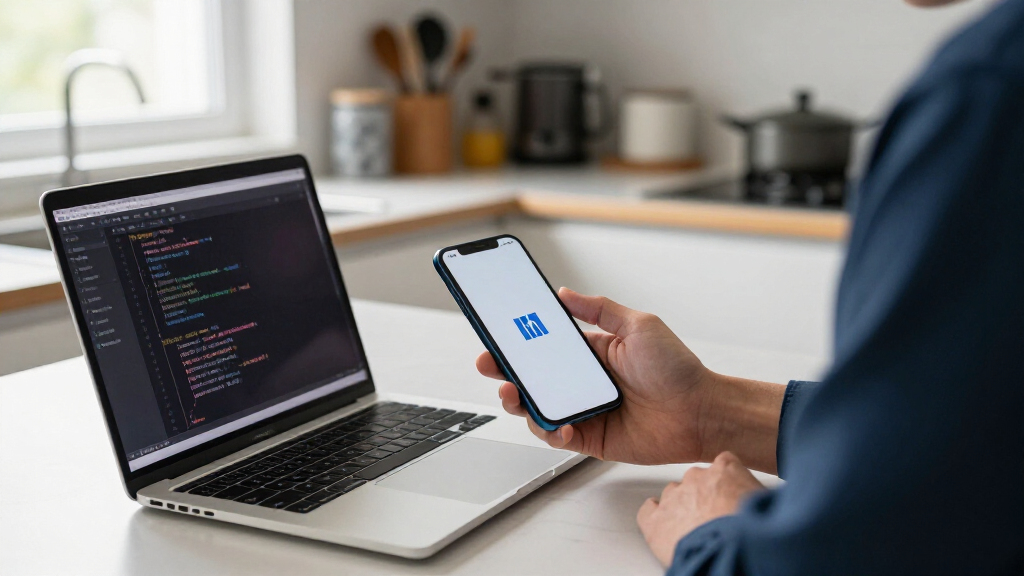
A user announces they are switching their phone from Android to a Linux-based operating system. This reflects growing interest in open-source mobile solutions. The move highlights ongoing developments but details remain limited.
A user has publicly announced they are switching their smartphone operating system from Android to Linux-based. This decision highlights a growing interest among tech enthusiasts in open-source mobile platforms as alternatives to mainstream OSes, and it underscores ongoing developments in the Linux mobile ecosystem.
The individual, who has not been named, shared their plans on social media and tech forums, citing a desire for more privacy, control, and customization as primary reasons for the switch. They plan to use a Linux-based mobile OS such as , which are designed to replace Android and iOS on smartphones.
Confirmed details include the person’s intention to transition to a Linux mobile OS within the next few weeks and their intention to document the process publicly. The user mentioned that they have already acquired a compatible device and are in the process of installing and configuring the new OS. They also noted that some apps and services may not be fully supported initially, but they see this as part of the ongoing development of Linux mobile platforms.
While the move is personal, it signals a broader trend among open-source advocates and privacy-conscious users seeking alternatives to proprietary operating systems. Several Linux-based mobile OS projects have been active for years, but mainstream adoption remains limited; this user’s decision is a notable example of individual initiative in this space.
Implications for Open-Source Mobile Ecosystem Growth
This move illustrates a rising interest among individual users in adopting open-source mobile operating systems. It emphasizes the desire for greater privacy, customization, and control over personal devices, which are often limited under proprietary OSes like Android and iOS.
While the overall market share of Linux-based mobile OSes remains small, personal stories like this can inspire others to explore alternative platforms. It also encourages developers to improve compatibility, app support, and hardware integration for Linux mobile solutions, potentially accelerating their development and adoption.
As an affiliate, we earn on qualifying purchases.
Growing Interest in Linux Mobile Platforms
Linux-based mobile operating systems such as Ubuntu Touch, /e/OS, and postmarketOS have been under development for several years, mainly supported by open-source communities. These projects aim to provide privacy-focused, customizable alternatives to Android and iOS, but have faced challenges related to hardware compatibility, app support, and user adoption.
In recent years, some users and developers have experimented with installing Linux mobile OSes on various devices, often through community-supported ports. The recent public announcement by this individual adds to a series of personal initiatives that highlight both the potential and the hurdles of mainstreaming Linux mobile platforms.
“I’m switching my phone from Android to Linux because I want more control over my device and better privacy options.”
— the user who announced the switch
As an affiliate, we earn on qualifying purchases.
Extent of Compatibility and Support Challenges
It is not yet clear how smoothly the user’s transition will go or how well the Linux-based OS will perform on their specific device. Compatibility issues, app support, and hardware drivers are common hurdles for Linux mobile OSes, and it remains uncertain how many users will successfully switch without significant technical hurdles.
As an affiliate, we earn on qualifying purchases.
Next Steps for User and Linux Mobile Projects
The user plans to document their transition process publicly, sharing insights into the installation, configuration, and daily use of the Linux mobile OS. Meanwhile, ongoing development efforts in projects like Ubuntu Touch and /e/OS are expected to continue improving hardware support and app ecosystems, potentially making such switches easier for more users in the future.
As an affiliate, we earn on qualifying purchases.
Key Questions
Why are some users switching from Android to Linux mobile OS?
Many users seek greater privacy, control, and customization over their devices. Linux mobile OSes often offer open-source code, fewer proprietary restrictions, and options to tailor the device experience.
What are the main challenges in switching to a Linux-based mobile OS?
Challenges include limited app support, hardware compatibility, and driver availability. These issues can affect device performance and usability, especially on newer or less common hardware.
Is switching to Linux mobile OS suitable for everyday use?
For tech-savvy users willing to troubleshoot and adapt, Linux mobile OSes can be a viable alternative. However, for most mainstream users, current limitations may pose significant hurdles.
Will this trend lead to broader adoption of Linux mobile OSes?
While personal stories and community efforts can inspire others, widespread adoption depends on improvements in app ecosystems, hardware support, and user-friendly installation processes.
Are there commercially available Linux smartphones?
Currently, most Linux mobile OSes are community-supported and require manual installation. There are few commercially available Linux smartphones, but some companies are exploring Linux-based devices for niche markets.
Source: hn
Evergreen bestsellers Picks
bestsellers
As an affiliate, we earn on qualifying purchases.