TL;DR

Turn the school run and nap time into listening time
- Thousands of audiobooks, podcasts and originals
- Listen on your phone, tablet or Echo — also offline
- Cancel anytime
For a week away, pack only the most essential feeding tech—like portable pumps, bottles, and sterilization tools—organized for convenience. Advances in battery life, smart bottles, and sterilizers make travel easier than ever. Planning ahead saves stress and keeps your baby fed safely.
Imagine this: You’re on a road trip or visiting family, and your baby needs feeding. Panic? Not if you’ve packed smart. The key to stress-free travel with a little one is knowing exactly what feeding tech to bring—and what to leave behind.
This guide cuts through the clutter, focusing on essentials that keep your baby fed, safe, and happy. No gimmicks, just practical tips from a fellow parent who’s been there. Ready? Let’s make packing simple, efficient, and effective for a week away.
Prioritize lightweight, multi-functional feeding gear for easy packing.
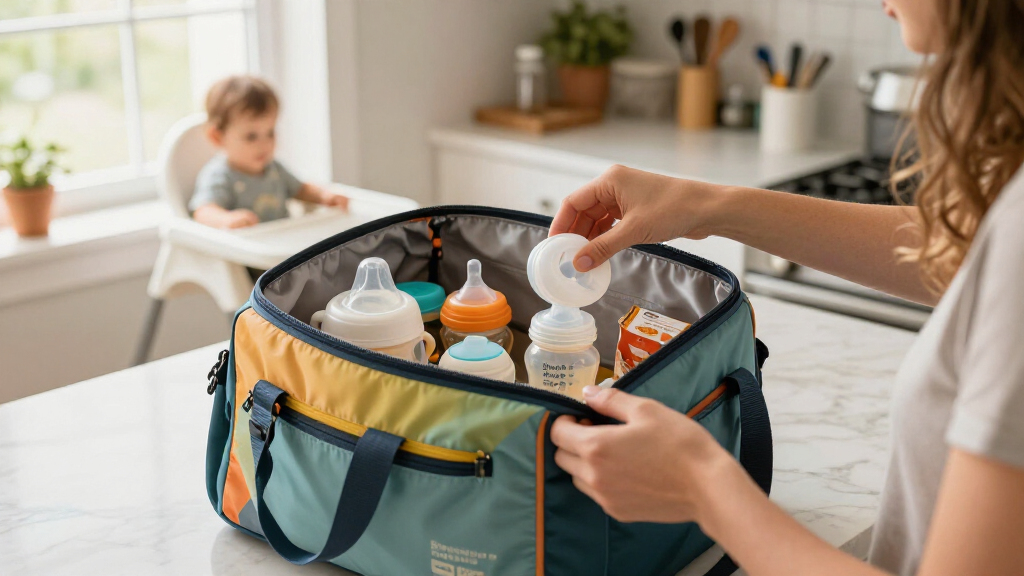
Use labeling, packing cubes, and insulated bags to stay organized and keep milk fresh.
Latest portable pumps are quieter, more battery-efficient, and smarter—making travel less stressful.
Always sanitize and handle feeding equipment with care to prevent infections.
Plan ahead for contingencies: extra supplies, backup gear, and local facilities info.
Why You Need to Prioritize Portability and Convenience
When packing for a week, every ounce counts. Portable feeding devices save space and reduce stress. Think lightweight, battery-powered pumps, collapsible bottles, and compact sterilizers. For example, a battery-operated breast pump that fits in your purse can be a lifesaver, especially when outlets aren’t always nearby.
Multi-purpose tools also help. A bottle that doubles as a sterilizer or a formula dispenser that keeps pre-measured doses ready can drastically cut down on packing bulk. These smart choices let you focus on the trip, not the logistics.
portable breast pump battery operated
As an affiliate, we earn on qualifying purchases.
As an affiliate, we earn on qualifying purchases.
The Must-Have Feeding Tech for a Week Away
What should you actually pack? Here’s a list designed for practicality and peace of mind:
- Portable breast pump: Battery-powered or manual, for on-the-go pumping.
- Feeding bottles and nipples: 4-6 bottles, plus extras for emergencies.
- Formula dispensers: Pre-measured, portable containers for quick feeds.
- Breast milk storage bags or containers: For expressing and storing milk safely.
- Compact sterilizers: UV sterilizers or microwave sterilizer bags for quick sanitation.
- Cleaning supplies: Bottle brushes, sanitizing wipes, and drying racks.
Choosing these items isn’t just about convenience; it’s about ensuring your baby’s nutritional needs are met reliably in unfamiliar settings. For example, a small insulated bag with ice packs isn’t just for keeping milk cold—it’s a way to maintain the integrity and safety of your milk, which is critical when refrigeration may be limited or inconsistent. Labeling containers with dates isn’t just to avoid confusion; it’s a safeguard against feeding spoiled milk, which can cause illness. Every item you pack should be a balance between portability and functionality, understanding that trade-offs—like size versus capacity—are often necessary but manageable with thoughtful planning.
As an affiliate, we earn on qualifying purchases.
How Recent Tech Advances Make Travel Easier
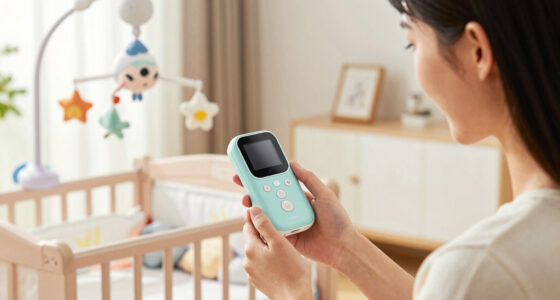
Travel-friendly feeding tech has come a long way. Portable breast pumps are now more discreet, quieter, and battery-efficient—some last for 3-4 hours on a single charge, according to BabyUI. This means you can pump comfortably without drawing attention or needing to find a power outlet, which is crucial when traveling or staying in unfamiliar places.
Smart bottles with temperature indicators or app connectivity help you monitor milk quality and temperature in real time, reducing the guesswork that often accompanies travel. This isn’t just about convenience; it’s about safety. Ensuring milk is at the correct temperature prevents bacterial growth and spoilage, which can be especially problematic in environments where sanitation standards differ or are less predictable. Eco-friendly, BPA-free materials aren’t just a trend—they reduce your baby’s exposure to potentially harmful chemicals, which is particularly important when you’re in unfamiliar settings where you might not have control over all sanitation factors. Portable sterilizers like UV devices or microwave bags are game-changers—they sanitize quickly and effectively, giving you peace of mind in a variety of environments. These innovations aren’t just about making travel easier; they’re about making it safer, giving parents confidence that their baby’s feeding routines are maintained with minimal hassle and maximum safety.
| Feature | Traditional | Modern Travel Tech |
|---|---|---|
| Noise Level | Moderate | Quiet, discreet |
| Battery Life | N/A | 3+ hours |
| Connectivity | None | App-enabled |
baby feeding bottles with insulation
As an affiliate, we earn on qualifying purchases.
As an affiliate, we earn on qualifying purchases.
Planning and Packing: A Step-by-Step Checklist
- Assess your needs: How many bottles, what feeding method (breast, formula, combo).
- Choose versatile gear: Multi-use bottles, portable sterilizers, pre-measured formula.
- Pack smart: Use labeled containers, packing cubes, and insulated bags.
- Double-check: Batteries, chargers, documentation if needed.
- Plan for contingencies: Extra supplies, backup gear, local facilities info.
As an affiliate, we earn on qualifying purchases.
Safety and Hygiene: What You Must Keep in Mind
Keeping feeding equipment safe is non-negotiable. Always sterilize bottles and nipples before packing. Use portable UV sterilizers or microwave bags for quick sanitation, especially if you’re unsure about local facilities.
Clean bottles with a brush and hot soapy water immediately after use, then sanitize. Store expressed milk or formula in labeled containers in an insulated bag with ice packs. Remember: Proper hygiene prevents infections and keeps your baby safe.
For example, during a weekend trip, sterilizing bottles with a UV device in your hotel room is quick and thorough, reducing the risk of bacteria.
Frequently Asked Questions
What are the best portable breast pumps for travel?
Look for models that are battery-powered, lightweight, and discreet. Many parents prefer those with quiet motors and long battery life—some last up to 4 hours—so you can pump comfortably anywhere. Always check if they are CPSC-recalled or have safety certifications.
How do I keep breast milk fresh during a week-long trip?
Use an insulated bag with ice packs to keep milk cold for up to 24 hours. For longer storage, freeze expressed milk before you leave. Once refrigerated, milk stays safe for 4-5 days, but always label with the date to use oldest first.
What are space-saving feeding devices?
Collapsible bottles, multi-use sterilizers, and formula dispensers that fit in small bags are your best options. They minimize bulk without sacrificing functionality. For example, a foldable silicone bottle can squish flat when empty, saving space in your luggage.
Can I sterilize feeding equipment on the go?
Yes. Portable UV sterilizers and microwave sterilizer bags are designed for travel and can sanitize bottles quickly—often within 5 minutes. Always follow manufacturer instructions and keep sterilized items dry until use.
What should I pack if I’m breastfeeding versus formula feeding?
Breastfeeding moms should pack a portable pump, nursing covers, and breast milk storage bags. Formula feeders need bottles, pre-measured formula dispensers, and sterilization tools. Adjust your packing list based on your feeding method for maximum convenience.
Conclusion
Traveling with a baby doesn’t have to turn into a logistical nightmare. Focus on packing only what’s essential—compact, versatile, and safe—and you’ll reduce stress and stay flexible. A well-planned kit lets you enjoy the trip, knowing your little one is fed and cared for.
Remember: Less is more. Pack smart, stay organized, and trust the tech that makes your life easier. After all, isn’t the goal to make travel memorable for the right reasons?
Fall Picks
fall essentials
As an affiliate, we earn on qualifying purchases.