TL;DR

Turn the school run and nap time into listening time
- Thousands of audiobooks, podcasts and originals
- Listen on your phone, tablet or Echo — also offline
- Cancel anytime
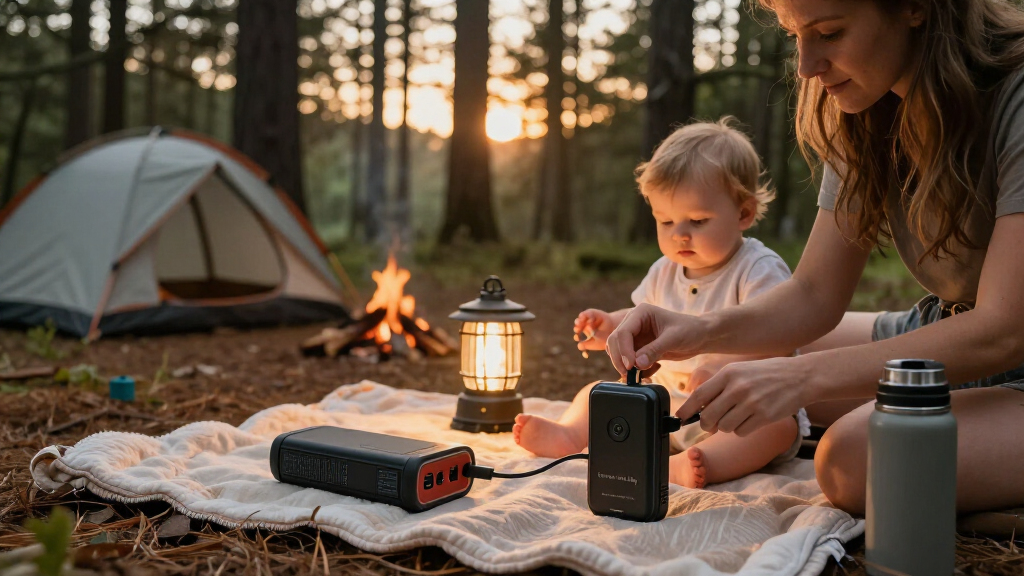
Camping with a baby means managing power needs for safety devices like monitors and fans. High-capacity power banks and solar chargers, paired with safety-conscious choices, keep your baby comfortable and secure off-grid. Planning ahead ensures a smooth outdoor experience.
Camping with a baby isn’t just about finding the right tent or diaper bag. It’s about keeping your little one safe, comfortable, and connected in the wild. When you’re off-grid, power isn’t guaranteed, but that doesn’t mean you have to sacrifice peace of mind.
If you’ve ever watched your baby monitor flicker or felt that familiar surge of worry about the humidifier dying mid-nap, you know why reliable power matters. This guide walks through how to harness the latest tech—like high-capacity power banks and solar chargers—to keep your baby’s essentials running, wherever you pitch your tent.
A 20,000mAh power bank is a reliable minimum for camping with a baby, providing multiple charges for monitors, fans, and humidifiers.
Pairing high-capacity power banks with foldable solar panels offers independence from outlets, especially in sunny environments.
Always choose certified, high-quality power solutions to prevent safety hazards around your baby’s sensitive devices.
Use multiple outputs on power banks or solar chargers to run several essential devices at once, reducing the risk of power shortages.
Safety tips—like avoiding overcharging and keeping batteries cool—are critical for protecting your baby and your gear.
How to Pick the Right Power Bank for Camping with a Baby
Choosing a power bank isn’t just about size. It’s about matching capacity, safety, and portability to your needs. For a weekend trip, a 20,000mAh power bank can often charge your baby monitor at least three times, or run a portable fan for over 24 hours.
Look for models with multiple outputs—USB-A, USB-C, and even AC outlets—so you can power everything from your phone to a small nebulizer. Compact, rugged designs matter; think about how it’ll sit in your backpack or camping gear without taking up too much space or risking damage.
And don’t forget safety. Always opt for brands with verified certifications like UL or CE. This reduces the risk of overheating or electrical faults, especially around sensitive baby devices.
Understanding why these features matter helps you balance convenience with safety. Multiple outputs prevent the need to carry multiple chargers, reducing clutter and potential electrical hazards. Rugged design ensures the power bank withstands outdoor conditions, which are often unpredictable. Certification standards are crucial because they ensure the device has been tested for safety, minimizing risks of overheating or fires—especially important when children are involved.
20,000mAh portable power bank for camping
As an affiliate, we earn on qualifying purchases.
As an affiliate, we earn on qualifying purchases.
Using Solar Chargers to Keep Baby Devices Alive in the Sun
Solar chargers have come a long way. Modern portable solar panels are lightweight, foldable, and convert sunlight into usable power with efficiencies around 20-23%. That means on a sunny day, a 100W panel can generate about 20-23W of power—enough to keep your baby monitor, fan, or humidifier running.
Imagine setting up a foldable panel during a picnic or by your tent flap. When the sun is shining, it’s like having a mini power plant. Pair it with a high-capacity battery bank, and suddenly your off-grid setup becomes sustainable—no more frantic searches for outlets or dead devices.
However, solar isn’t foolproof. Overcast days significantly reduce output, which can be critical if you rely solely on solar. This is why integrating solar with a reliable battery bank is essential; the battery acts as a buffer, storing excess energy during sunny periods for use on cloudy days. This tradeoff—solar’s variable output versus its sustainability—means you need to plan for backup options like fully charged power banks or extra batteries, especially during unpredictable weather. Understanding this helps you avoid power shortages when you need them most, ensuring your baby’s devices stay operational regardless of weather conditions.
foldable solar panel charger for outdoor use
As an affiliate, we earn on qualifying purchases.
As an affiliate, we earn on qualifying purchases.
Compare Power Bank Options for Camping with a Baby
| Feature | Power Bank A | Power Bank B | Solar Power Bank C |
|---|---|---|---|
| Capacity | 20,000mAh | 30,000mAh | 15,000mAh + solar panel |
| Outputs | 1 USB-C, 2 USB-A | 2 USB-A, 1 USB-C, AC outlet | Multiple USB ports + foldable solar panel | Weight | 350g | 500g | 600g (with panel) |
| Durability | IP67 waterproof | Drop-resistant, shockproof | Weather-resistant, foldable |
| Price Range | Moderate | Higher | Moderate to high |
Matching your needs depends on trip length, device load, and how much sun you’ll get. For quick weekend trips, a high-capacity portable bank with multiple outputs suffices. For longer, sunnier adventures, a solar panel integrated system offers independence from grid power. Consider the tradeoffs: higher capacity and multiple outputs provide more flexibility but add weight and cost. Conversely, solar-integrated models may be bulkier but reduce reliance on external power sources, which is advantageous in remote settings. Your choice should balance these factors with the specific demands of your trip and your comfort with managing the tech.
As an affiliate, we earn on qualifying purchases.
Safety Tips to Keep Baby Devices Safe in Off-Grid Power Setups
Safety is key when handling power banks and solar chargers around your baby. First, choose products with safety certifications—look for UL, CE, or equivalent marks. These ensure the device meets strict standards for overheating, short circuits, and fire hazards. This is crucial because devices without proper certification may pose hidden risks, especially with children nearby.
Second, don’t overcharge. When your devices are full, unplug or turn off power sources. Overcharging can cause batteries to swell, leak, or even ignite—risks that are amplified in outdoor environments where emergency response may be delayed. Being attentive to charge levels and disconnects reduces these hazards.
Third, keep batteries away from extreme heat or moisture. Store them in a dry, cool place—think of your backpack pocket, not your tent floor or car trunk. Exposure to heat accelerates chemical reactions inside batteries, increasing the risk of failure or fire. Moisture can cause short circuits. Handle batteries carefully, avoiding punctures or drops, which can lead to dangerous leaks or fires. Regularly inspecting your gear helps identify potential issues before they become hazards.
Lastly, monitor your device’s health. Many power banks now have digital displays showing remaining charge and health status—check these regularly to avoid surprises during your trip. Proper maintenance and vigilance are essential for safe off-grid power management around your baby.
high-capacity USB-C power bank for camping
As an affiliate, we earn on qualifying purchases.
As an affiliate, we earn on qualifying purchases.
Extra Tech That Makes Off-Grid Camping Easier and Safer
Beyond power banks and solar panels, a few other gadgets can ease your camping experience while keeping your baby safe. Portable, foldable solar panels with higher wattage output can charge larger devices or multiple power banks at once, reducing the number of separate units you need to carry and manage. This integration simplifies your setup and maximizes efficiency—great for busy parents who want minimal fuss.
Battery banks with multiple outputs allow you to charge several devices simultaneously—think baby monitor, smartphone, and a small humidifier—without running out of juice. When you can charge multiple devices at once, you reduce the risk of running out of power when you need it most, which is vital for safety and peace of mind. For added convenience, some models include digital displays showing real-time charge levels and power consumption, helping you manage your energy use proactively.
Smart monitoring devices connect to your phone, giving you a quick glance at power levels or alerting you if a device disconnects. These small tech upgrades can save stress and help you stay ahead of power shortages, especially when you’re managing multiple devices for your baby. They also enable quick troubleshooting, so you can address issues before they affect your baby’s safety.
Finally, consider wireless portable chargers for quick top-ups. They’re especially handy if you want to avoid tangled cords or need a quick boost while on the move. Wireless chargers streamline your setup, reduce clutter, and help you keep essential devices powered and accessible at all times.
Frequently Asked Questions
What size power bank do I need for camping with a baby?
A minimum of 20,000mAh is recommended to reliably power essential devices like monitors and fans for at least a day or two. For longer trips, consider larger capacity units or supplement with solar chargers.Are solar chargers reliable enough for powering baby devices?
Yes, especially with high-efficiency panels and consistent sunlight. Pairing solar panels with a good battery bank creates a flexible, off-grid power setup—just remember to have backup options for cloudy days.How do I keep batteries safe around my baby?
Choose certified, high-quality batteries, avoid overcharging, keep them in cool, dry spots, and handle them carefully. Digital displays can help monitor health and prevent hazards.What off-grid tech is best for long camping trips?
A combination of high-capacity power banks, foldable solar panels, and multiple-output chargers offers the best balance of reliability and flexibility during extended adventures.Can I charge multiple devices at once?
Absolutely. Many power banks and solar chargers have multiple USB ports or AC outlets—perfect for running a monitor, fan, humidifier, and phone all at once.Conclusion
Off-grid tech isn’t just a gadget display. It’s the safety net that lets you focus on enjoying your trip, not worrying about dead batteries. With smart choices—like high-capacity, certified power banks and foldable solar panels—you can keep your baby comfortable and connected, even miles from the nearest outlet.
Plan ahead, choose quality gear, and remember: a well-charged device is a happy, safe baby in the wild. That’s the real camping win.
Fall Picks
fall essentials
As an affiliate, we earn on qualifying purchases.