
TL;DR

Turn the school run and nap time into listening time
- Thousands of audiobooks, podcasts and originals
- Listen on your phone, tablet or Echo — also offline
- Cancel anytime
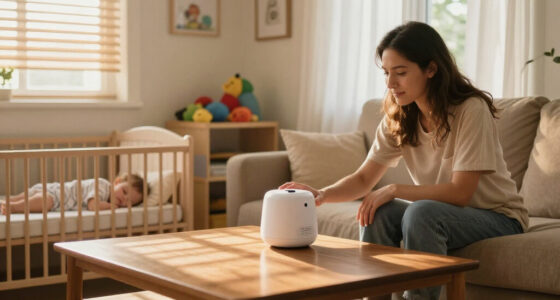
Replacing a sound machine mid-routine can be disruptive, but planning ahead, matching sounds, and introducing the new device gradually keep bedtime calm. Technological advances now make quick, seamless swaps easier than ever.
Imagine this: you’re halfway through your child’s bedtime routine, and suddenly, the sound machine stops working or is nowhere to be found. That jarring silence can send the whole routine into chaos. But here’s the truth: with a little prep and patience, you can swap out that device without waking the entire household or upsetting your child’s sleep.
This guide walks you through every step—how to pick the right replacement, introduce it smoothly, and keep bedtime as calm as when everything was perfect. Because when it comes to bedtime routines, consistency isn’t just nice—it’s everything.
Always test the new sound machine before routine time to prevent surprises.
Match the sounds and volume your child is used to for smoother transitions.
Introduce the new device gradually—start with low volume and build up slowly.
Leverage smart tech features like remote control to minimize disruption.
Patience is essential—resistance during the first few nights is normal and temporary.
Replacing a Lost Sound Machine Mid-Routine: Making the Swap Smooth
A missing or broken sound machine can turn familiar bedtime quiet into jarring silence. Match the sound, soften the handoff, and give your child’s sleep cues time to reconnect.
Preserve the sound profile, volume, and timing that already signal sleep.
Confirm power, controls, sound choice, and volume before the room grows quiet.
Temporary protest is normal; gentle repetition helps the new cue become familiar.
The brain hears a changed environment
A child may link one particular wash of rain, white noise, or lullaby to sleep. An abrupt change can increase alertness precisely when the routine is supposed to reduce it.
Sound predicts sleep
Repeated auditory cues become part of the sequence that tells the body bedtime has arrived.
Silence feels unfamiliar
A sudden stop or noticeably different tone can make the room feel new, unpredictable, and more interesting.
Familiarity restores calm
Matching the old sensory pattern reduces the effort required to accept the replacement.
Consistency is the target—not perfect hardware duplication.
A different machine can work well when the sound type, perceived loudness, timing, and surrounding routine remain recognizably similar.
Choose for continuity, not novelty
Prioritize the features that preserve the existing sleep environment. Extra sounds are useful only after the familiar option is secured.
| Feature | Best match | Acceptable backup | Higher disruption risk |
|---|---|---|---|
| Sound profile | Same rain, fan, or noise tone | Similar steady sound | New music or changing track |
| Volume control | Fine, predictable adjustment | Several fixed levels | Large jumps between levels |
| Power | Plug-in plus battery backup | Reliable single source | Unverified or low charge |
| Controls | Simple or remote-controlled | Familiar physical buttons | Bright, complex interface |
| Timer | Matches the old duration | Continuous playback | Unexpected shutoff |
| Portability | Compact and easy to place | Stable bedside option | Awkward setup mid-routine |
Priority order: familiar sound → controllable volume → reliable power → quiet operation.
Five steps from surprise to settled
The gentlest transition removes uncertainty before bedtime, begins softly, and makes only one small adjustment at a time.
Test first
Check power, sound selection, timer, and output before entering the quiet room.
Start softly
Activate the replacement at low volume to avoid a sudden, attention-grabbing sound.
Match the cue
Select the rain, fan, white noise, or lullaby the child already recognizes.
Raise gradually
Increase the level over several minutes while watching for alertness or fussing.
Stay nearby
Offer calm reassurance, then let the familiar bedtime sequence continue.
If possible, make the swap at a natural transition—after the story, during cuddles, or before lights-out—rather than during a moment of distress.
Preserve the strongest sleep signals
This qualitative view ranks what deserves the closest match. The machine’s appearance matters less than the sensory experience it produces.
Continuity hierarchy
Longer bars indicate a stronger role in keeping the routine recognizable.
The familiarity spectrum
A smooth swap moves the experience toward the familiar end of the scale.
Move the marker right: use the same sound, approximate the previous volume, keep the room arrangement stable, and continue the usual bedtime words and actions.
Build a backup before you need it
Newer tools make replacements faster and less intrusive, especially when preferred settings can be saved or controlled outside the room.
Adjust from the doorway
App or remote controls can change volume and tracks without approaching the bed or switching on a light.
Recall the familiar setup
Preset sound, volume, and timer combinations reduce fumbling during a time-sensitive swap.
Bridge the unexpected gap
A controlled white-noise app can provide temporary continuity while a permanent replacement is prepared.
How a familiar cue becomes bedtime calm
The replacement succeeds when each link supports the next: preparation protects familiarity, familiarity lowers surprise, and lower surprise makes settling easier.
Power and settings confirmed
Recognizable auditory cue
Soft start and gradual adjustment
The routine remains predictable
Respond with reassurance, not urgency
Resistance often reflects a need for predictability. Treat it as information: pause, reduce intensity, restore familiar cues, and try again gently.
What to adjust
- Lower the volume, then increase it in smaller increments.
- Compare the tone—not every “rain” or “white noise” track sounds alike.
- Keep the machine in the usual location when practical.
- Preserve the surrounding sequence: story, cuddle, lights, sound.
What to remember
- A few unsettled nights do not mean the replacement has failed.
- A calm caregiver helps anchor the familiar environment.
- Change one setting at a time so the child is not processing several surprises.
- Keep batteries, charger, and a tested backup within reach.
“It’s the same rain sound you love. The new machine is helping tonight.”
Why Replacing a Sound Machine During Routine Can Disrupt Sleep (And How to Prevent It)
Replacing a sound machine mid-routine might seem simple, but it’s a moment that can trigger tears, tantrums, or a long struggle to settle down. That’s because your child’s brain links certain sounds to sleep—change that sound abruptly, and it can feel like a sudden new environment.
Think of it like switching a favorite bedtime story to a new one without warning. Your child might resist or get confused. The key is to recognize that **sound consistency** is a cornerstone of bedtime calm. According to an anonymous researcher, maintaining the same auditory cues helps reinforce the sleep connection, making the transition smoother.
When the sound environment changes unexpectedly, it can create a sense of unpredictability that heightens your child’s alertness and anxiety, making it harder for them to settle. Therefore, understanding the importance of consistency helps you see why abrupt changes can backfire. It’s a tradeoff: sometimes, urgency or necessity forces a change, but knowing the impact allows you to plan for minimal disruption.
As an affiliate, we earn on qualifying purchases.
How to Pick a Replacement Sound Machine That Won’t Disrupt Bedtime
Choosing a replacement isn’t just about finding a new device. It’s about matching what your child is used to. Look for options with similar sound profiles—whether it’s white noise, nature sounds, or lullabies. Portability matters, too—consider size, battery life, and ease of use.
For example, if your child loves the gentle rain sound on their current machine, find a device that offers that same sound at a similar volume. The goal: keep the sensory environment familiar. This familiarity reduces the cognitive and emotional effort your child needs to adjust, making the transition smoother. But be aware: choosing sounds that are too different, or volume levels that are inconsistent, can inadvertently wake or disturb your child, defeating the purpose of a soothing environment. So, weighing these factors carefully helps you avoid unintended sleep disruptions.
Here’s a quick checklist:
- Same or similar sounds
- Adjustable volume
- Timer options
- Reliable battery life or plug-in power
- Ease of operation
smart sound machine with remote control
As an affiliate, we earn on qualifying purchases.
As an affiliate, we earn on qualifying purchases.
Step-by-Step: How to Introduce the New Sound Without Waking the Bedtime Peace
Replacing a sound machine mid-routine calls for a gentle approach. Here’s a clear process:
- Test first: Before bedtime, set up the new device and listen to the sounds at the volume your child is used to. This helps ensure that the device’s output matches expectations and prevents surprises that could startle your child.
- Start softly: When it’s time to replace, turn off the old machine and immediately turn on the new one at a low volume. This minimizes the abruptness of the change and reduces the chance of your child waking up or becoming distressed.
- Match sounds: Play the same sound your child recognizes—no surprises. Consistency in the type of sound and its characteristics (like tone and volume) is essential because it maintains the familiar sensory input that signals bedtime.
- Gradually increase: Slowly turn up the volume over a few minutes if needed, watching for any fussing. This incremental approach allows your child’s brain to adapt gradually, reducing the likelihood of upset or resistance.
- Stay nearby: Offer comfort if your child shows signs of distress, reassuring them the sound is still the same. Your presence can help anchor the familiar environment and ease anxiety about the change.
This slow, familiar approach keeps the brain from feeling lost or anxious about the change. It leverages the brain’s natural adaptability, turning a potentially disruptive event into a gentle transition that supports sleep continuity.
As an affiliate, we earn on qualifying purchases.
Using Technology to Make Replacements Easier and Quieter
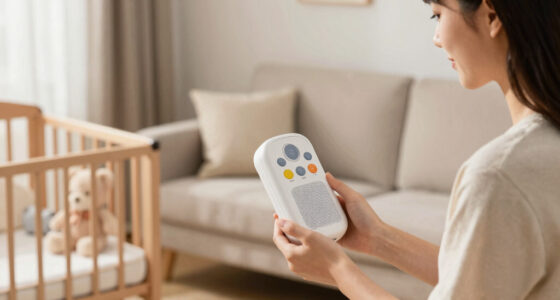
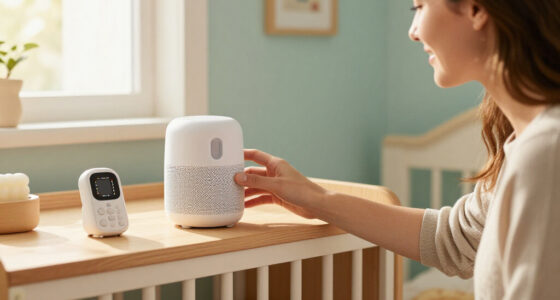
Technology has made this whole process less stressful. Smart sound machines can connect to your phone via apps, allowing you to control volume, switch sounds, and even turn off the device without walking into the room.
Some models remember your preferred settings, so you can quickly activate the same sound on a new device. If your current sound machine is lost or broken, an app-based backup—like a white noise generator on your phone—can keep bedtime routines steady. This continuity minimizes the cognitive load on both parents and children, reducing the risk of accidental wake-ups caused by fumbling or unfamiliar controls.
According to BabyUI, many newer devices now offer remote control features, making mid-routine swaps less disruptive and more precise. The convenience of remote controls or app integration means you can make adjustments without disturbing your child’s sleep environment, which helps maintain the calming atmosphere necessary for restful sleep.
As an affiliate, we earn on qualifying purchases.
What to Do When Your Child Resists the New Sound or Device
If your child protests the new sound or machine, don’t panic. It’s normal to resist change, especially at bedtime. It’s important to understand that resistance often stems from the brain’s need for predictability and comfort. When faced with unfamiliar sounds or devices, children may feel anxious or unsettled because their brain perceives a potential threat to their sense of safety.
Try to match the sound as closely as possible to the previous one, because familiarity is a key comfort cue. Play it quietly at first, then gradually increase the volume to gently ease your child into the new environment. Reassure them consistently—say, “It’s the same rain sound you love,” or “Your old machine is just resting,” to reinforce continuity. Sometimes, a quick explanation or a hug can help bridge the gap between the old and new, making the change feel less threatening.
Remember, patience is crucial. Resistance that lasts a few nights is common and often diminishes as your child learns to associate the new sound with the same comfort. Consistently applying gentle, reassuring strategies helps your child adapt without feeling overwhelmed, leading to a more peaceful sleep over time.
Quick Tips to Keep Bedtime Calm When Replacing a Sound Machine
Here are quick, actionable tips:
- Test the new device before bedtime, so it’s ready to go.
- Keep spare batteries or chargers nearby.
- Use a familiar sound on the new machine or app.
- Introduce the change gradually—play the sound softly, then increase volume.
- Offer extra cuddles or reassurance during the transition.
Frequently Asked Questions
What should I do if my sound machine stops working during bedtime?
Keep a backup sound source, like a phone app or portable device, ready to use. Transition gradually by matching the familiar sound and controlling volume carefully to avoid upsetting your child.How can I introduce a new sound machine without upsetting my child’s routine?
Test the new device beforehand, then turn it on softly at the same time as the old one is turned off. Gradually increase volume and reassure your child that the sound remains familiar and comforting.Are there features I should look for in a replacement sound machine?
Yes—look for adjustable volume, timer settings, a variety of familiar sounds, portability, and reliable connectivity if it’s a smart device. These features make the transition easier and more seamless.Can I just use my phone as a substitute for a sound machine?
Absolutely, many apps offer high-quality white noise or nature sounds. Just ensure the volume is controlled and the device is kept at a safe distance to prevent hearing damage.What if my child resists the new sound or device?
Stay patient. Match the sound as closely as possible, introduce it gradually, and offer plenty of reassurance. Resistance usually fades within a few nights with gentle consistency.Conclusion
Replacing a lost or broken sound machine mid-routine doesn’t have to turn bedtime into a battle. With a little planning—matching sounds, gradual introduction, and patience—you’ll keep the calm, cozy atmosphere your child needs to drift off. Remember, consistency is your best friend in bedtime routines.
Next time your device goes missing or stops working, think of it as a small bump on the road—not a detour. With the right approach, bedtime stays peaceful, and everyone gets the rest they need.
Fall Picks
fall essentials
As an affiliate, we earn on qualifying purchases.