
TL;DR

Turn the school run and nap time into listening time
- Thousands of audiobooks, podcasts and originals
- Listen on your phone, tablet or Echo — also offline
- Cancel anytime
Alexa can play sleep sounds and control smart home routines, but dedicated sound machines often provide better sound quality and focus. Choose based on your priorities for simplicity or versatility.
Dedicated sound machines deliver consistent, high-quality sleep sounds that are hard to beat for reliability.
Alexa can play sleep sounds and automate routines, but sound fidelity varies and privacy concerns exist.
For noise masking and undisturbed sleep, a dedicated device often outperforms a smart speaker.
Use Alexa for added versatility if you’re comfortable with privacy trade-offs and want multi-functionality.
Choosing between the two depends on whether you prioritize simplicity and sleep quality or flexibility and smart home integration.
What Do Sound Machines Do Best? Why They’re Still Worth It
Sound machines are built specifically for sleep. They produce a steady, high-quality sound that masks disruptive noises like traffic, barking dogs, or sudden loud sounds. For example, a white noise machine can drown out a neighbor’s lawnmower or a thunderstorm, creating a cocoon of calm. These devices usually offer a handful of carefully curated sounds — think gentle waves, rain, or lullabies — all optimized for relaxing sleep. Their speakers are tuned for soothing sound, often producing a richer, more consistent experience than general-purpose devices.
Understanding why this matters is crucial. When sleep sounds are inconsistent or fluctuate in volume or tone, it can disrupt a child’s sleep cycle, causing brief awakenings or difficulty falling asleep. Dedicated sound machines prioritize stability and quality, which means less disturbance and more restful sleep. The tradeoff is that they typically lack customization beyond their preset sounds, but their consistency is what makes them reliable night after night. For parents aiming to create a predictable, sleep-inducing environment, this focus on sound fidelity is invaluable.
I’ve seen parents swear by their sound machines during sleepless nights. One mom told me her child’s sleep improved dramatically after switching from a speaker playing random Spotify playlists to a dedicated device with calming sounds. The key? The sound’s clarity and constant tone make it easier for kids to settle and stay asleep.
In short, if your goal is a reliable, non-distracting background noise that helps your child drift off faster and stay asleep longer, a dedicated sound machine is still king. The stability of their sound output directly supports uninterrupted sleep, which is critical for growth and development.
best sleep sound machine for children
As an affiliate, we earn on qualifying purchases.
As an affiliate, we earn on qualifying purchases.
Can Alexa Play Sleep Sounds Well Enough? Here’s What You Need to Know
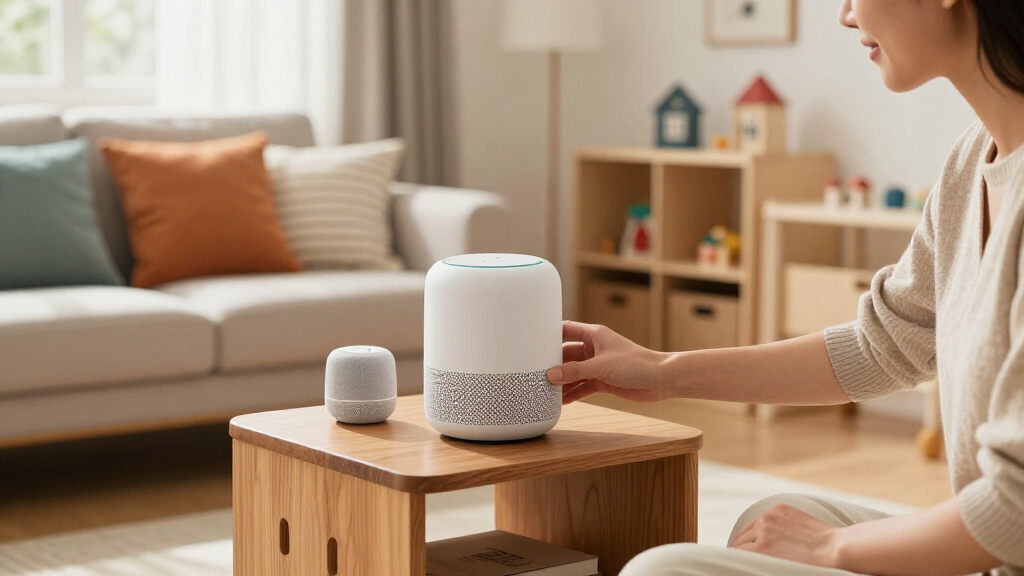
Alexa can definitely play sleep sounds, and many parents use it as a quick fix. You simply ask, “Alexa, play white noise,” or pick from a playlist of calming sounds on streaming services. It’s convenient, especially if you already have an Echo device in the nursery or bedroom. You can also set routines, so Alexa turns off after a set time, mimicking a sleep timer.
However, the quality varies significantly. Alexa’s speakers are designed for general use and are improving, but they often produce a less consistent sound profile than dedicated devices. This inconsistency might manifest as fluctuations in volume or tone, which can be disruptive, especially for sensitive sleepers. For children or adults who are very particular about their sleep environment, these fluctuations can cause subtle awakenings or make it harder to fall asleep. The background noise might not be as immersive or uniform, which can reduce its effectiveness over time.
One parent shared they used Alexa for a few nights but found the sound less immersive than their old sound machine. This variation in sound quality can have real implications — even small fluctuations can break the calming atmosphere needed for restful sleep. Over time, inconsistent background noise can lead to more frequent awakenings or difficulty settling, especially for children with sensory sensitivities. While Alexa offers convenience, it’s important to recognize that its effectiveness may be limited by hardware and streaming quality, which can impact the stability of the sleep environment you aim to create.
As an affiliate, we earn on qualifying purchases.
Compare Sound Quality & Features: Sound Machines vs. Alexa
| Feature | Dedicated Sound Machine | Alexa / Smart Speaker |
|---|---|---|
| Sound Quality | High, optimized for sleep, consistent tone | Good, but variable, depends on streaming quality and device hardware |
| Sound Options | Limited, curated for sleep (white noise, rain, lullabies) | Vast, streaming playlists, customizable, but less curated for sleep |
| Volume Control | Precise, dedicated buttons or app | Voice commands or app, with potential fluctuations or delays |
| Background Noise Masking | Excellent, designed to drown out disruptive sounds | Effective but may vary in masking ability due to hardware and streaming quality |
| Additional Features | Timer, night light, gentle wake-up | Smart home control, music, info, routines |
As an affiliate, we earn on qualifying purchases.
When Should You Stick With a Dedicated Sound Machine?
If your priority is consistent, high-quality sleep sounds that reliably mask noise without fluctuation, a dedicated device is the best choice. Their speakers are tuned for gentle, soothing tones that maintain a steady volume and tone, creating an environment conducive to deep, uninterrupted sleep. Imagine a child sleeping peacefully through a thunderstorm — thanks to a steady white noise that remains constant throughout the night.
Choosing a dedicated device means investing in stability. When sleep sounds fluctuate due to device limitations or connectivity issues, micro-arousals can occur, disrupting sleep cycles. For children, especially those with sensory sensitivities or in noisy environments, these micro-disturbances can prevent them from reaching or maintaining restorative sleep stages. A stable, dedicated sound machine minimizes this risk by providing a consistent auditory environment. Additionally, they eliminate concerns about Wi-Fi outages or app malfunctions, offering a simple, reliable solution that focuses solely on sleep enhancement.
Moreover, dedicated devices are straightforward and private: no data is collected, and no internet connection is required beyond initial setup. If your child is particularly sensitive to sound quality or if you’re dealing with external noise disturbances, a dedicated sound machine often proves to be the most effective and worry-free choice, supporting your goal of healthy, restful nights.
smart speaker for sleep and smart home
As an affiliate, we earn on qualifying purchases.
As an affiliate, we earn on qualifying purchases.
Should You Rely Only on Alexa? Pros & Cons for Sleep
Alexa’s biggest advantage is versatility. Play any sound, control smart home devices, and set routines with your voice — all from your bed. For busy parents, this convenience allows quick adjustments, such as turning on a fan or dimming lights without getting up. It also offers the flexibility to switch sounds or routines easily, adapting to your child’s changing preferences or sleep environment. This multi-functionality can streamline bedtime routines and reduce the need for multiple devices.
But there are important trade-offs. The sound quality of Alexa’s speakers is generally less refined than dedicated sleep devices, and fluctuations in volume or tone can undermine sleep quality over time. For sensitive sleepers, even slight inconsistencies can cause micro-awakenings or make it harder for them to settle. Additionally, Alexa’s microphones are designed to pick up ambient noise, which can lead to accidental activations or recordings of conversations, raising privacy concerns. This constant listening can be unsettling for families worried about data security or privacy. While the convenience of voice commands and routines is appealing, it’s essential to weigh these limitations against your priorities for privacy and sleep environment stability.
In essence, Alexa functions more like a Swiss Army knife: incredibly versatile but not specialized for a single task. If your primary goal is a seamless, high-quality sleep environment, a dedicated device might serve you better. However, if you value multi-functionality and smart home integration, Alexa can be a valuable addition — just be aware of its potential compromises in sleep quality and privacy.
How to Make Alexa Work Better as a Sleep Aid (Step-by-Step)
- Choose a good spot for your Echo device, away from direct contact with bedding or moisture. Placing it at an optimal distance ensures sound quality remains clear and consistent, avoiding muffling or distortion caused by proximity to bedding. This placement also minimizes any potential interference from other electronic devices.
- Use voice commands like “Alexa, play white noise” or select playlists designed for sleep. Experiment with different sounds to find what’s most soothing for your child, recognizing that some sounds may be more effective than others depending on the environment and individual preferences. Consider trying ambient nature sounds or gentle hums.
- Set a sleep timer routine: “Alexa, turn off in 30 minutes.” This prevents the device from running all night and helps establish a predictable bedtime routine, which is crucial for young children. Using routines to synchronize sound, lighting, and other smart devices can reinforce a calming environment.
- Adjust volume to a gentle, consistent level—neither too loud nor too soft. The right volume level can make a significant difference; too loud might wake your child, while too soft may be ineffective. Fine-tuning ensures the sound remains soothing without becoming intrusive.
- Create routines that include dimming smart lights or locking doors for a full sleep environment. Combining sound with other smart home features can enhance sleep quality and reinforce bedtime cues, making the environment more conducive to restful sleep.
For example, you can say, “Alexa, start bedtime routine,” and have it play calming sounds, dim smart lights, and set a sleep timer all at once. This automation mimics the simplicity of a dedicated device but with added customization, making bedtime smoother and more consistent, especially for busy households or those with multiple children.
Privacy & Safety: What You Need to Know
Smart speakers are always listening for wake words like “Alexa,” raising significant privacy questions. They record snippets of conversations, which some parents find concerning, especially when discussing sensitive topics or personal information. While you can review and delete recordings, the fact remains that your household conversations are stored on servers, creating potential risks of data breaches or unauthorized access. This ongoing data collection can also lead to concerns about targeted advertising or inadvertent recording of private moments.
Dedicated sound machines, on the other hand, do not record or listen. They focus solely on sound output, making them inherently safer from a privacy perspective. Because they don’t connect to the internet or store any data, they eliminate the risks associated with online devices. For families prioritizing privacy and security, especially those with young children or sensitive household information, a non-connected sound machine offers peace of mind without sacrificing sleep quality.
Ultimately, the decision hinges on your comfort level with voice-activated technology. If you value convenience and smart home integration, Alexa can be suitable — but it’s important to understand and accept the privacy trade-offs involved. Conversely, if privacy is a top concern, opting for a dedicated, offline device is the safest route to ensure your family’s private moments remain private.
Frequently Asked Questions
Can I use Alexa as a reliable sleep sound machine for my child?
Yes, Alexa can play sleep sounds and set routines, but the sound quality may not match dedicated sleep devices. It’s a good option for convenience but might not provide the same consistency.Are dedicated sound machines better than Alexa for helping kids sleep?
Generally, yes. Sound machines are optimized for continuous, soothing sounds that mask disturbances more effectively. They’re less prone to fluctuations or interruptions, which can be critical for sensitive sleepers.What privacy risks come with using Alexa for sleep sounds?
Alexa constantly listens for wake words, recording snippets of conversations. While you can review and delete recordings, some parents prefer the privacy of a device that doesn’t listen or record at all, especially in private or sensitive contexts.Can I customize sounds on Alexa?
Yes, you can select from streaming playlists or sounds and create routines, but the options depend on your streaming service and device setup. It’s less tailored than dedicated sleep sound options, and quality can vary based on internet speed and device hardware.Is it worth replacing my sound machine with Alexa?
If you want multi-feature use like music, smart home control, and voice commands, Alexa offers great flexibility. But if sleep quality and noise masking are your top priorities, a dedicated sound machine still wins, providing more consistent and focused sound environments.Conclusion
A smart speaker like Alexa can serve as a decent sleep sound device, especially with routines and voice commands. But if your focus is undisturbed, high-quality sleep every night, a dedicated sound machine still leads the way. Ultimately, it’s about what fits your family’s needs — simplicity or versatility. Think of your sleep setup as a cozy, quiet room. Whether it’s a purpose-built machine or a smart speaker with a gentle voice, the goal is the same: restful nights and peaceful mornings. Choose what makes your bedtime smoother and your mornings brighter.Fall Picks
fall essentials
As an affiliate, we earn on qualifying purchases.