TL;DR

Turn the school run and nap time into listening time
- Thousands of audiobooks, podcasts and originals
- Listen on your phone, tablet or Echo — also offline
- Cancel anytime
Running a sound machine all night maintains a consistent sleep environment, but can raise safety and dependency concerns. Using a timer reduces noise exposure but might cause abrupt awakenings. The key is managing volume and distance, regardless of the schedule.
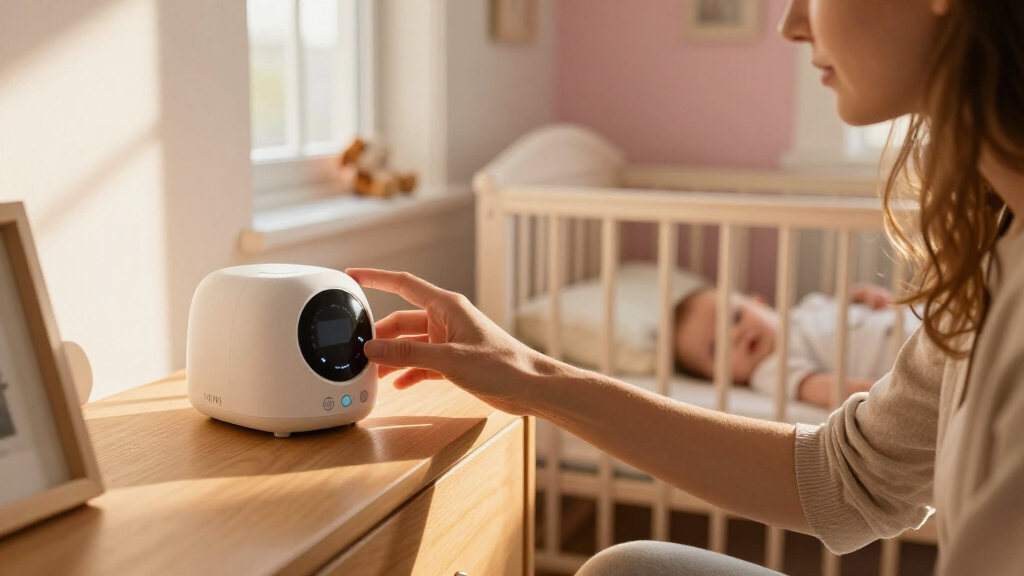
Imagine slipping into bed, hearing that gentle hum of your favorite sound machine, creating a cozy cocoon that blocks out traffic, pets, or household noise. But should that sound keep going all night, or is it better to set a timer and let silence settle in? The decision isn’t just about convenience — it’s about safety, sleep quality, and how your brain connects sounds with sleep.
Whether you’re soothing a newborn, easing a toddler’s transitions, or simply trying to get a full night’s rest yourself, understanding the tradeoffs can make all the difference. What feels comforting at first might become a dependency or a safety concern over time. Here’s what you need to know to make that call confidently.
Volume and distance are the most critical safety factors — keep the machine low and far from the crib.
Continuous sound helps maintain sleep cycles and masks environmental noise, but can lead to dependency.
Timers reduce noise exposure and dependency risks but might cause abrupt awakenings if not managed carefully.
Hybrid strategies, like auto-restart or fade-out schedules, offer a good balance for many families.
Adjust your approach based on age, environment, and whether your goal is comfort or independence.
Sound Machine: All Night or on a Timer?
That gentle hum creates a cozy cocoon against traffic, pets, and household noise — but should it run until morning? The real tradeoffs are about safety, sleep quality, and how the brain links sound with sleep. Here is what the evidence says, so you can make the call confidently.
“Volume and distance matter more than whether the machine runs all night or on a timer.”
— The core safety principleTwo Philosophies, One Goal: Unbroken Sleep
Both approaches are legitimate. Continuous sound keeps the 3 a.m. soundscape identical to bedtime — the “sleep onset association” principle. Timers cut total noise exposure and guard against dependency. Each solves one problem and creates another.
All Night
ContinuousA steady soundscape mimics the womb — warm, muffled, predictable — and masks unpredictable noise through every sleep cycle arousal.
Strengths- Consistent auditory conditions at every 45–90 min arousal — the brain re-settles faster
- Masks garbage trucks, barking dogs, fireworks, household members waking
- Reduces startle (Moro) reflex awakenings in infants
- Can become a hard dependency — no sleep in quiet rooms, travel, or daycare naps
- Longer total noise exposure raises hearing-safety stakes if volume is too high
- May delay development of natural, independent sleep cues
On a Timer
30–60 minSound for sleep onset, silence after. It feels sensible — less exposure, less reliance — but the moment of shutoff introduces its own risk.
Strengths- Reduces total nightly noise exposure — the key hearing-safety lever
- Encourages the ability to sleep in quiet and unfamiliar settings
- Lower energy use; some adults sleep more deeply in natural silence
- Abrupt silence during light sleep can itself be a wake trigger
- Startle-at-shutoff can cause longer, more fragmented night awakenings
- Frequent start/stop cycles can still reinforce the sound–sleep association
The Tradeoff Matrix
Five factors that decide the right schedule for your household — with the hybrid strategy (long timer + auto-restart or fade-out) shown as the middle path many families land on.
| Factor | All Night | Short Timer (30–60 min) | Hybrid (90 min + restart) |
|---|---|---|---|
| Mid-night re-settling | ✓ Soundscape matches sleep onset; fewer arousals stick | ✗ Silence mismatch + shutoff can startle light sleepers | ~ Auto-restart covers stirring; quiet stretches in between |
| Hearing safety | ~ Safe only at low volume & ≥7 ft — exposure is longest | ✓ Shortest total noise exposure of the three | ✓ Cuts overnight exposure by most of the night |
| Dependency risk | ✗ Strongest sleep association; travel & naps get hard | ✓ Weakest association — but start/stop can still condition | ~ Moderate; fade-outs ease the wean-off later |
| Noise masking (4–6 a.m.) | ✓ Covers the early-morning wake window fully | ✗ Off before trucks, birds & household wake | ✓ Smart scheduling can flip back on for 4–6 a.m. |
| Setup effort | ✓ Press once, forget it | ✓ Built into most machines | ~ Needs app device (e.g. Hatch Rest) or smart plug |
Volume & Placement Outrank the Schedule
A 2014 Pediatrics study (Hugh et al., University of Toronto) found many infant sleep machines exceed the recommended 50 dBA at maximum volume when placed near the crib. Prolonged exposure above that threshold can cause subtle, cumulative hearing damage in developing ears.
Decibel scale (dBA) · illustrative comparison of typical levels
Distance: ≥ 7 feet
Dresser, not crib rail. One parent masked traffic noise effectively from 8 feet away — no volume arms race needed.
Volume: ~50 dB
Comparable to a quiet conversation or soft shower. If it dominates the room, it’s too loud.
Sound: pink or brown
Gentler spectra than harsh white noise. Small studies link pink noise to deeper slow-wave sleep in adults.
Verify, don’t guess
Newer machines add volume limits and dB readouts — use them, or check with a sound-meter app at crib position.
A Hybrid Night, Hour by Hour
App-connected machines and smart plugs make blended strategies easy: sound when it matters most, silence when it doesn’t, and a safety net for stirring. A typical working schedule:
On at Bedtime
Sound starts with the wind-down routine — a consistent cue that sleep is coming.
90-Min Timer Ends
Sleep onset and the first full cycle are covered; sound stops as sleep consolidates.
Auto-Restart Standby
Cry- or noise-sensing turns sound back on only if the baby stirs — exposure stays minimal.
Morning Coverage
Optional restart for the fragile wake window, then a gradual fade-out toward morning.
Long Timer
Set 90–120 minutes: through onset and the first cycle, off for the rest. The simplest hybrid — no smart gear required.
Adaptive Restart
Machines that detect crying flip back on automatically. Sound becomes a response, not a constant.
Gradual Fade-Out
App scheduling eases volume down toward morning — no abrupt silence, smoother transition to independent sleep.
Evidence on Safety & Dependency
The science is clear on volume limits, cautiously positive on benefits, and honest about open questions — especially long-term dependency, where the baby-sleep industry remains split between “all-night consistency” and “wean off dependencies” camps.
Infant machines exceed safe noise levels
Tested at maximum volume, many infant sleep machines output well above the 50 dBA recommended for nursery use when placed close to the crib.
Pink noise may deepen slow-wave sleep
In older adults, timed pink-noise pulses enhanced deep sleep and memory performance — a hint at real acoustic benefits, though evidence remains preliminary.
Moderate exposure is not harmful
Most experts agree: appropriate volume and distance pose no hearing risk. Continuous sound mimics the womb and dampens startle-reflex wake-ups.
The “sleep crutch” concern persists
When sound becomes a requirement for sleep onset, travel, daycare naps, and power outages all become flashpoints — and natural sleep-cue development may lag.
The bottom line: Set volume near 50 dB, keep the machine 7+ feet away, then choose the schedule that fits your sleeper — all night for consistency, a timer for independence, or a hybrid for both. Manage the decibels first; the clock is a distant second.
Why continuous sound helps keep sleep undisturbed
Running a sound machine all night creates a steady soundscape that mimics the womb environment — warm, muffled, and predictable. For infants, this consistent noise can reduce startle reflex awakenings and help them settle back quickly during sleep cycle arousals every 45–90 minutes.
Imagine a baby sleeping peacefully through a neighborhood fireworks display — their environment remains constant, so they don’t wake up startled. For light sleepers and city dwellers, a steady sound can mask early-morning garbage trucks or barking dogs, preventing those tiny wake-ups that fragment sleep.
However, this approach isn’t without tradeoffs. The sound environment remains the same, which might lead to dependency — where your child or you can’t fall asleep in quiet or unfamiliar settings. Over time, this reliance can make it difficult to sleep without that familiar background noise, potentially hindering your child’s ability to adapt to different environments or situations. Additionally, constant exposure to even moderate noise levels might desensitize your child’s hearing or cause them to become overly reliant on external stimuli for sleep, possibly delaying the development of natural sleep cues.
Popular right now

Sony WH-1000XM4C Wireless Noise-Cancelling Headphones, Black

De'Longhi Stilosa Compact Manual Espresso Machine with Milk Frother

De'Longhi Dinamica Plus Fully Automatic Espresso Machine
As an affiliate, we earn on qualifying purchases.
Why using a timer might seem smarter — but isn’t always
Setting a timer to turn off the sound machine after 30, 45, or 60 minutes feels sensible — it cuts noise exposure and can help prevent dependency. For instance, many parents find that once their baby is asleep, a shorter timer means they’re not exposing their child to sound for the whole night. This can be especially beneficial for reducing the risk of hearing damage and encouraging your child to develop the ability to fall asleep independently in quieter environments.
Yet, this seemingly logical approach has nuanced implications. Abrupt silence, particularly during light sleep phases, can startle a child or adult, leading to longer or more fragmented night awakenings. For example, if your child is used to falling asleep with a gentle hum, suddenly stopping that sound can cause confusion or distress, making it harder to settle back down. This sudden change can also condition your child to associate sleep with continuous noise, which might hinder their ability to adapt to different environments or travel where such noise isn’t available.
Furthermore, frequent start/stop cycles may inadvertently reinforce sleep associations with the presence of sound, making it more challenging to transition away from noise reliance later on. This underscores a tradeoff: while timers can reduce noise exposure and dependency risk, they might introduce new sleep disruptions if not carefully managed, emphasizing the importance of a consistent, predictable sleep environment.
Volume and placement matter more than schedule
The real safety and effectiveness of a sound machine hinge on **volume and distance**, not just whether it runs all night or on a timer. Keeping the machine at least 7 feet away from your child’s crib and at a low volume (around 50 dB — comparable to a quiet conversation) significantly reduces risks. This careful placement ensures that the sound remains within a safe range, minimizing potential hearing damage while still providing the desired masking effect.
For example, a parent once placed a sound machine on the dresser, about 8 feet from the crib, at a volume that masked traffic noise without overwhelming the room. This setup balanced safety with effective sound masking, creating an environment conducive to sleep without risking hearing damage or dependency. The implications are clear: even the best device won’t be effective if used improperly. High volume levels, especially those exceeding 60 dB at close range, increase the risk of hearing loss over time, which is particularly concerning for infants whose ears are more sensitive. Choosing gentler noise options, like pink or brown noise, and ensuring the device is at a safe distance, are critical steps in promoting healthy, safe sleep environments.
Practical middle grounds: hybrid strategies that work
Many families end up blending approaches. For instance, they set a timer for 90 minutes — enough to cover sleep onset and the first sleep cycle — then use smart devices or auto-restart features that turn the sound back on if the baby stirs. This method allows for an initial period of consistent sound, helping establish sleep, while also reducing overall noise exposure during the latter part of the night, encouraging the development of natural sleep cues.
Another trick: schedule the sound machine to run on a timer during the night but have it gradually fade out towards morning. Some smart plugs or apps let you control this remotely, giving you flexibility without waking your child. This gradual fade can help your child transition into quieter sleep phases, fostering independence while maintaining a calm sleep environment. It also minimizes abrupt changes that could disturb their rest, creating a more seamless sleep experience. In practice, a parent might set the machine to run from 7:30 p.m. to 9 p.m., then turn it off, knowing that the child’s sleep becomes more consolidated as the night progresses, and they are less likely to wake due to sudden silence.
What current research says about noise safety and dependency
Most experts agree that moderate noise exposure at appropriate volume and distance doesn’t harm hearing. According to BabyUI, many infant sleep machines exceed the recommended 50 dBA at maximum volume when placed close to the crib, raising concerns about long-term safety. Prolonged exposure to noise levels above recommended thresholds can lead to subtle hearing damage over time, especially in developing ears. This makes careful placement and volume control essential. Research from Northwestern University (2017) suggests pink noise can improve deep sleep in older adults, hinting at potential benefits for adults using sound machines. However, long-term dependency remains a concern — especially if the sound becomes a crutch for falling asleep, potentially delaying the development of independent sleep skills. It’s important to recognize that while sound can aid sleep, over-reliance may hinder the natural development of sleep associations and self-soothing abilities. Striking a balance—using sound within safe limits and gradually reducing reliance—can help ensure both safety and healthy sleep habits.
How to decide: what’s best for your family’s sleep style
Choosing between all-night sound and a timer depends on your child’s age, environment, and sleep habits. Newborns benefit from continuous white noise that mimics the womb, helping them settle and stay asleep. For older children, a timed approach can prevent dependency and promote natural sleep cues. For example, a parent with a toddler in a noisy urban apartment might prefer a longer run time or auto-restart to keep noise consistent, helping them feel secure and minimize disruptions. Conversely, a light-sleeping adult who hates feeling trapped by sound might opt for a shorter timer or no sound at all, prioritizing natural sleep and independence. The key is understanding your family’s specific needs — whether that’s reliability and consistency or encouraging self-soothing in a quieter environment. Your choice influences not just sleep quality but also how your child learns to associate sleep cues, making it a fundamental decision in establishing healthy sleep routines.
Frequently Asked Questions
Is it safe to leave a sound machine on all night for my baby?
Generally, yes, if volume is kept low and the device is placed at least 7 feet away. However, many experts recommend limiting exposure to avoid potential hearing risks and dependency. Always check the volume, and follow safety guidelines recommended by pediatric authorities.
Will my baby become dependent on white noise and be unable to sleep without it?
Dependency can develop if the sound becomes a strong sleep association. To prevent this, gradually reduce volume or use timers once your child is a toddler, encouraging natural sleep without relying solely on the noise.
How loud should the sound machine be, and how far from the crib/bed?
Keep the volume around 50 dB — roughly as loud as a quiet conversation. Place the machine at least 7 feet away from the crib or bed to minimize hearing risk and avoid creating a disruptive environment.
Will the machine suddenly turning off wake my baby (or me)?
Yes, if the machine stops abruptly, especially during light sleep, it can cause wakefulness. Using timers that fade out gradually or auto-restart features can help maintain a stable sound environment through the night.
When and how do I wean my child off the sound machine?
Start by gradually lowering the volume or shortening the run time over a few weeks. Replace the sound with other sleep cues like a consistent bedtime routine, and encourage independent falling asleep without relying solely on noise.
Conclusion
Whether you run a sound machine all night or set a timer, the key is managing **volume and placement**. Safety and sleep quality depend more on these factors than on the schedule itself. Think about your child’s age, your environment, and your comfort level.
In the end, a gentle, well-placed sound machine can be a sleep ally — but only if you respect the noise limits and avoid making it a sleep dependency. Trust your instincts, and remember that the best sleep solution adapts as your family grows.