TL;DR

Turn the school run and nap time into listening time
- Thousands of audiobooks, podcasts and originals
- Listen on your phone, tablet or Echo — also offline
- Cancel anytime
The best nursery night light offers adjustable brightness, warm colors, and safe placement. These features help create a calming environment that supports your baby’s sleep and safety.
Choose a night light with adjustable brightness (4-20 lumens) to tailor the glow to your needs.
Opt for warm, amber or yellow hues to support your baby’s sleep cycles and minimize disruption.
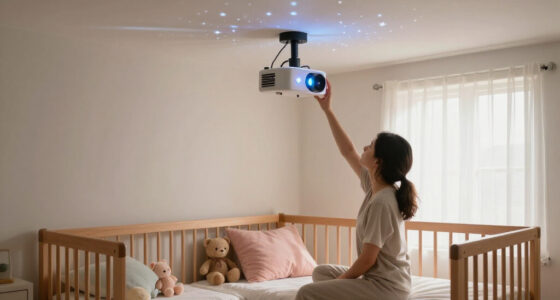
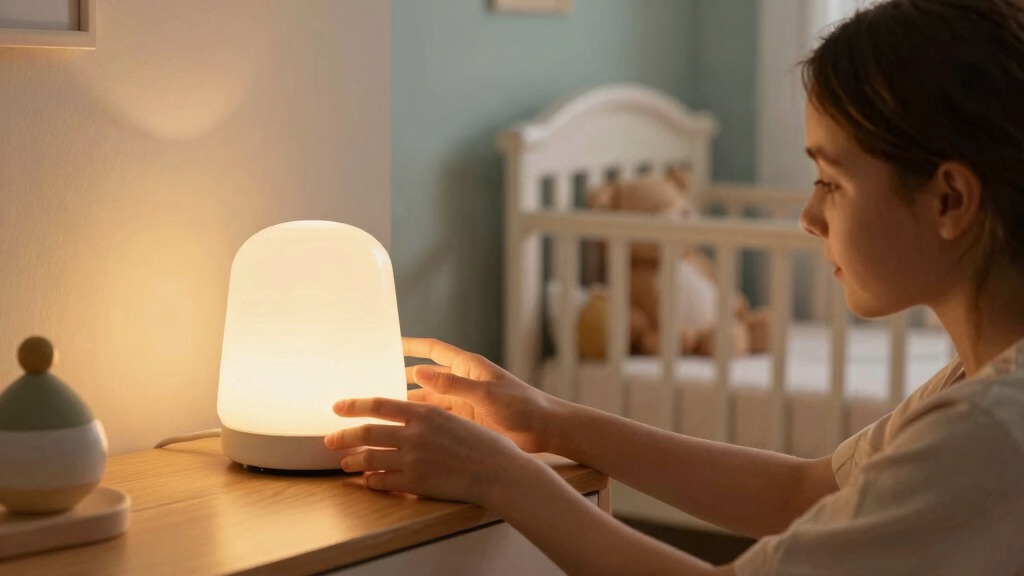
Place the light high and away from your baby’s face—mount on the wall or clip to a shelf for safety and effectiveness.
Look for models with timers, dimmers, or sensors to make nighttime checks easier and safer.
Stay updated on smart and eco-friendly options that grow with your nursery and prioritize safety.
Choosing a Nursery Night Light
Brightness, color and placement work together. The ideal light gives parents enough visibility at 3 a.m. while keeping the nursery calm, warm and free from direct glare.
Use only as much light as the task needs.
Lumens measure visible light output. A nursery usually needs only 4–20 lumens: low enough to protect the sleepy atmosphere, but sufficient for safe movement and nighttime care.
The useful nursery range
Start low and increase only when a hands-on task requires it.
Adjustability wins
A dimmer lets one light serve bedtime, quick checks and care routines without flooding the room.
Keep transitions gentle
Raise and lower the output gradually so a sudden flash does not startle or fully wake your baby.
Test from the crib
View the light from mattress height. If the source feels glaring, redirect it or lower the output.
Let sunset—not a screen—set the tone.
Warm amber, yellow and soft orange hues create a calmer visual cue. Blue and cool-white light can feel more like daylight and may be more stimulating during the sleep window.
Amber
A soft, low-stimulation choice for settling, overnight checks and returning to sleep.
RecommendedWarm yellow
Comfortable visibility with a sunset-like character that suits evening routines.
Sleep friendlyCool white or blue
Sharper and more stimulating. Reserve brighter white for brief tasks rather than all-night use.
Task use onlyIlluminate the path, not the baby’s face.
Good placement creates an even, indirect pool of light while keeping cords, hot surfaces and loose devices away from the crib and curious hands.
Go above eye level
Mount on a wall or secure to a stable shelf or dresser.
Point downward
Aim toward the floor, care station or walking route.
Check crib sightlines
Keep the visible bulb or LED out of the baby’s direct view.
Control cords
Keep cables, plugs and portable units well beyond reach.
The “3 a.m.” placement test
Turn off every other light. Walk from the doorway to the crib and changing area. You should see the floor and essential supplies without seeing a bright source from crib height. If shadows hide hazards, adjust the angle—not automatically the brightness.
Choose controls that make nighttime simpler.
Smart features are worthwhile when they remove friction, reduce unnecessary light exposure or improve safety. The most useful model is one that remains easy to operate while half-awake.
| Feature | Sleep value | Parent convenience | Energy benefit | Priority |
|---|---|---|---|---|
| Adjustable dimmer | ✓ | ✓ | ~ | Essential |
| Warm color setting | ✓ | ~ | — | Essential |
| Timer / auto shut-off | ✓ | ✓ | ✓ | High value |
| Motion or darkness sensor | ~ | ✓ | ✓ | Useful |
| App or voice control | ~ | ✓ | ~ | Optional |
| Sound / lullabies | ~ | ~ | — | Preference |
Prefer low-heat LED
LED units are energy-efficient and typically run cooler. Rechargeable models also reduce dependence on reachable cords.
Check the build
Look for non-toxic, BPA-free materials, secure battery compartments and recognized safety certifications.
Buy for adaptability
Adjustable color, brightness and automation can evolve from newborn care to toddler reassurance.
The nursery sleep chain
Each choice supports the next: controlled light becomes a consistent cue, and consistency makes nighttime care less disruptive.
Target a practical range of 4–20 lumens.
Choose amber, yellow or soft orange.
Mount high, angle down and avoid glare.
Prefer efficient LED and safe materials.
Add timers, sensors or shut-off controls.
How to Pick the Right Brightness for Your Nursery
Brightness is measured in lumens. For a nursery night light, 4 to 20 lumens is usually enough to see without disturbing sleep. Adjustable lights let you dial down at bedtime or brighten for diaper changes. Think of it like a dimmer switch—flexibility matters.
For example, a soft glow that resembles moonlight helps your baby stay calm, while a brighter light can be useful for middle-of-the-night feedings. An LED night light with adjustable brightness gives you control, so you can set the perfect level every time.
As an affiliate, we earn on qualifying purchases.
Why Warm Light Colors Help Your Baby Sleep Better
Warm colors—like amber, yellow, or soft orange—are less likely to interfere with melatonin, the hormone that helps your baby sleep. Cooler colors, like blue or harsh white, can be stimulating, making it harder for your little one to settle down.
Choosing the right color isn’t just about aesthetics; it directly impacts your baby’s ability to wind down. Warm hues mimic natural sunset tones, signaling to the brain that it’s time to relax. This subtle cue can help establish a calming bedtime routine. On the other hand, cooler or blue-toned lights can mimic daylight or electronic screens, which might delay melatonin production, leading to longer settling times and fragmented sleep. Some night lights offer adjustable color settings, allowing you to switch between calming amber and brighter white depending on the situation, helping you tailor the environment to your child’s needs and your routine.
Understanding the importance of color temperature helps you make smarter choices. For instance, using warm hues during bedtime can promote melatonin release, encouraging your baby to settle faster and sleep more soundly. Conversely, cooler hues might be suitable for quick nighttime checks but should be avoided as the primary light source during sleep hours because they can send conflicting signals to your baby’s biological clock.
As an affiliate, we earn on qualifying purchases.
Where to Place Your Night Light for Safety and Comfort
The perfect placement keeps your baby safe and the room softly lit. Avoid placing the light directly in your baby’s line of sight. Instead, mount it high on a wall or clip it onto a shelf or dresser, angled downward.
Placement matters because it affects both safety and visibility. Positioning the light high or angled downward prevents glare into your baby’s eyes, which can cause discomfort or even temporary vision issues. Proper placement also ensures the light provides sufficient illumination for nighttime tasks without creating harsh shadows or overly bright spots that could startle or overstimulate your baby. Additionally, keeping cords out of reach minimizes the risk of accidental pulls or choking hazards. Consider the room’s layout—aim for an even, diffuse glow that provides enough visibility for diaper changes and nighttime checks, without overstimulating your baby or disrupting sleep.
Furthermore, strategic placement minimizes potential hazards. For example, placing the night light away from cribs or play areas reduces the risk of accidental contact or damage. Choosing a location that balances effective illumination with safety considerations ensures that your nighttime environment is both functional and secure, promoting restful sleep for your little one.
As an affiliate, we earn on qualifying purchases.
Additional Features That Make Night Lights Smarter and Safer
Modern night lights come with features that add convenience and safety. Dimming options, timers, or automatic shut-offs prevent the light from staying on all night. Motion sensors turn the light on when you enter the room, and turn off after a set time.
These features are more than just conveniences; they serve important safety and sleep-quality functions. Dimming and timers help prevent the light from becoming a distraction or a sleep disruptor, especially if your baby is sensitive to light. Motion sensors reduce the need to fumble for switches in the dark, making nighttime checks smoother and less disruptive. Automatic shut-offs conserve energy and reduce long-term exposure to light, which can interfere with sleep. For safety, these features also minimize the risk of overheating or electrical hazards, as many smart night lights are designed with safety certifications. Incorporating these features thoughtfully into your nursery setup means you can quickly adapt to your child’s changing needs, ensuring the environment remains both safe and conducive to restful sleep.
As an affiliate, we earn on qualifying purchases.
Recent Innovations in Nursery Night Lights You Should Know About
New tech makes night lights more adaptable—think adjustable color temperature from warm to cool Kelvin ratings, or sensor-based models that turn on with movement or darkness. Eco-friendly, BPA-free materials are now common, reducing chemical exposure for your baby. Some models even include soothing sounds or lullabies, combining light and sound to calm your little one.
For instance, a smart night light with adjustable warmth and a built-in speaker can create a cozy, multisensory environment—perfect for winding down. These innovations are designed to enhance safety, promote better sleep, and reduce environmental impact, making them valuable additions to your nursery. Understanding these advancements helps you select a model that not only meets current safety standards but also offers the flexibility to adapt as your baby grows, ensuring a long-lasting, beneficial investment.
Frequently Asked Questions
What is the best brightness level for a nursery night light?
Aim for 4 to 20 lumens. Adjustable brightness lets you fine-tune the glow, making it bright enough for safety but gentle enough not to wake your baby.Which color of light is best for a sleeping baby?
Warm hues like amber or yellow are best, as they support melatonin production and promote restful sleep. Cooler colors like blue can be more stimulating and are best avoided during bedtime.Where should I place the night light in the nursery?
Mount it high on the wall or clip it onto furniture, pointing downward. Keep cords out of reach and avoid shining directly into your baby’s face for safety and comfort.Are LED night lights safe for babies?
Yes, especially when they emit low heat, are energy-efficient, and made from non-toxic materials. Always check for safety certifications and avoid cheap, overly bright models.Can I use a night light with a timer or dimmer?
Absolutely. These features help you control the light level, conserve energy, and prevent the light from staying on all night, making late-night checks less disruptive.Conclusion
A gentle, well-placed night light is a simple upgrade that can make bedtime smoother for everyone. Remember, it’s not just about light—it’s about creating a calming space where your baby feels safe and you feel confident. When in doubt, choose adjustable, warm-toned lights that can grow with your little one’s changing needs.Cold & flu season Picks
humidifiers
As an affiliate, we earn on qualifying purchases.