TL;DR

Turn the school run and nap time into listening time
- Thousands of audiobooks, podcasts and originals
- Listen on your phone, tablet or Echo — also offline
- Cancel anytime
You should duplicate bulky, safety-critical, and frequently used baby gear at grandparents’ house. Smaller, personal, or infrequently used items are best carried. This approach saves space, reduces risks, and keeps your baby comfy.
Some of the most reassuring moments in parenting happen when your child is happily napping at grandma’s house or riding in the familiar car seat. But behind that peace of mind lies a simple question: what gear should you keep there permanently, and what should you just bring along? It’s not about packing everything — it’s about smart choices that balance safety, convenience, and cost.
Grandparents are a vital part of many families’ childcare plans, often caring for the little one weekly or even daily. Setting up the right system means knowing what gear to duplicate, so nothing gets missed or compromised, and what to carry for ease and flexibility. This guide cuts through the clutter and gives you a practical framework for making those decisions.
Keep bulky, safety-critical gear like cribs and car seats at grandma’s; they should meet current safety standards.
Carry small items like comfort objects, monitors, and grooming supplies with you to maintain routines.
Always share up-to-date safety guidelines with grandparents to keep your baby safe during visits.
Use recent tech developments thoughtfully — basic monitors often suffice, and rental services can fill temporary gaps.
Regularly verify the safety and recall status of existing gear before setting it up at grandma’s house.
Why duplicating some gear at grandma’s is a safety non-negotiable
When it comes to safety, some gear just can’t be left to chance. Think of a crib or playard — it’s the child’s primary sleep space at grandma’s. The Consumer Product Safety Commission (CPSC) mandates strict standards for these, and using a familiar, safe sleep environment reduces risks of SIDS and accidental suffocation. If the sleep environment isn’t consistent, your baby might have trouble settling down or might experience disrupted sleep, which can impact their overall development and mood. Having the same safe sleep setup at grandma’s helps your baby feel secure, making bedtime smoother and more predictable, which benefits everyone’s sleep.
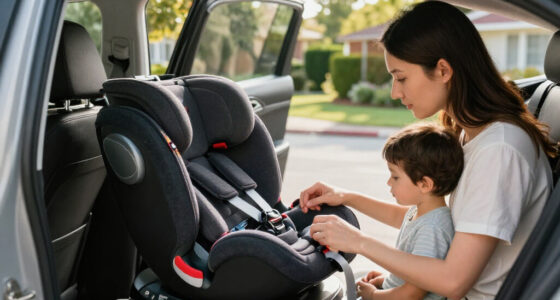
Another must-have: a dedicated car seat. According to research, nearly half of car seats are installed or used incorrectly — a dangerous gap if grandma’s seat is the only one. Having a second, properly installed seat tailored to your child’s size minimizes the risk of improper installation, which is a common cause of injury during accidents. This duplication also ensures that your child is always in the safest possible position, especially if their size or weight has changed since the last use. It reduces the chance of last-minute errors and provides peace of mind during travel. Additionally, it streamlines transitions, avoiding the frustration and safety risks associated with switching seats or trying to install unfamiliar ones quickly.
Keeping feeding gear, diapers, and basic hygiene supplies at grandma’s reduces last-minute packing and mishaps—plus, it guarantees your baby’s comfort and hygiene are maintained wherever they are. If these essentials aren’t readily available, you risk delays that can lead to fussiness or discomfort, especially during busy visits. Consistent access to familiar bottles, wipes, and diapers supports your routines and provides reassurance to your baby, making care more predictable and less stressful for both caregivers and your little one.
As an affiliate, we earn on qualifying purchases.
The ultimate checklist: what baby gear to duplicate at grandma’s
Here’s a quick rundown of gear you should keep at grandma’s house, no excuses. These items are bulky, safety-critical, or used daily. Think of it as your ‘second nursery’ setup:
- Full-size crib or Pack ‘n Play (meeting current safety standards and with the original fitted sheet). For example, a crib with slats no more than 2 3/8 inches apart and a firm, snug mattress helps prevent suffocation hazards. Having this setup at grandma’s ensures your baby sleeps in a safe, familiar environment, reducing bedtime resistance and sleep disruptions. It also means you don’t have to worry about the safety of older or secondhand furniture, which might not meet current standards or could have hidden hazards.
- Car seat — ideally, a second convertible seat that fits your child’s size. For instance, if your child has outgrown their infant seat, a properly installed convertible seat at grandma’s allows safe travel without the risk of improper installation or the inconvenience of swapping seats each visit. This consistency supports safety and comfort, reducing the chance of errors that could compromise protection during a crash.
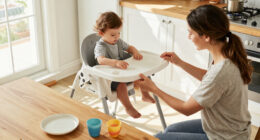
- Feeding essentials — bottles, bibs, burp cloths, formula, or breast-milk storage containers. Having these on hand means you can feed your baby comfortably without last-minute packing, which is especially helpful if you have multiple visits per week. It also ensures hygiene standards are maintained, as you can clean and store feeding gear properly without rushing or reusing unclean items.
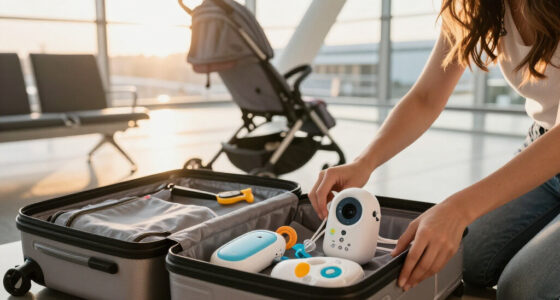
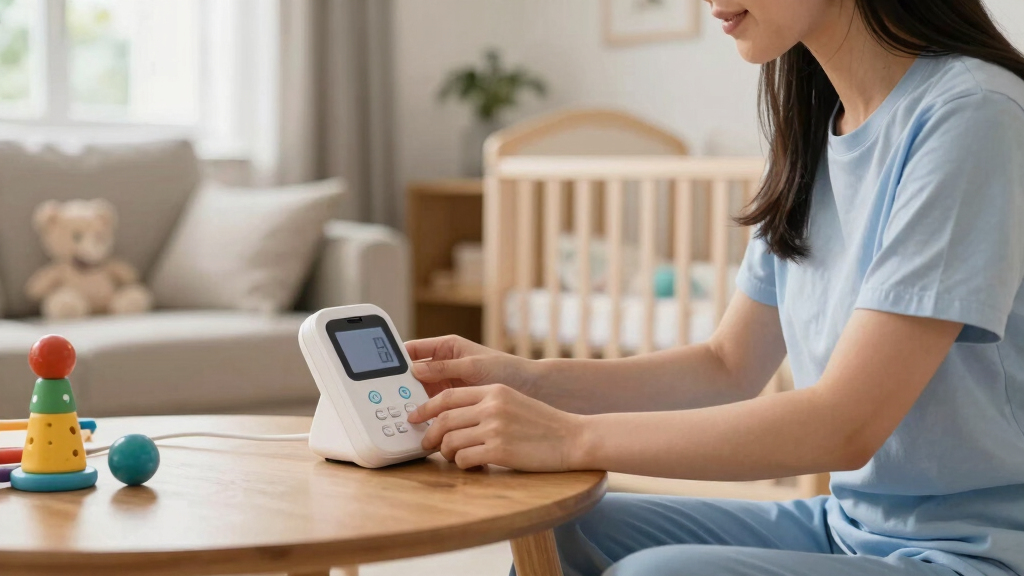
- Baby monitor — a simple, non-Wi-Fi model with audio and video. For example, a monitor with a secure frequency reduces exposure to hacking risks and provides peace of mind during naps or overnight stays. This setup allows you to keep an eye (or ear) on your baby from another room, which is invaluable for early sleep training or monitoring during rest periods, especially when you’re not physically close.
- Diapering supplies — diapers, wipes, cream, changing pad. Keeping these accessible ensures quick cleanups and maintains hygiene without rushing or searching for supplies each time. This consistency reduces fussiness and helps prevent diaper rash or skin irritation, which can occur if diaper changes are rushed or delayed.
- Babyproofing basics — outlet covers, stair gates, furniture anchors. These safety measures prevent common accidents, such as a baby pulling down a lamp or falling down stairs, especially if grandma’s home has different furniture arrangements or older fixtures. Proper babyproofing creates a safer environment, giving you peace of mind that your child is protected from everyday hazards.
- Sleep aids — white noise machine, nightlight, blackout curtains or shades. These help create a sleep-conducive environment, mimicking your home’s routine and easing transitions for your baby. Consistent sleep cues are crucial for healthy sleep habits and can reduce bedtime struggles, making visits more relaxing for everyone.
- Additional conveniences — spare thermometer, infant pain relievers, pacifiers. These small items can be lifesavers during unexpected fussiness or minor illnesses, ensuring comfort and quick response. Having familiar comfort items and health supplies close at hand minimizes stress and helps you respond swiftly to your baby’s needs.
Filling grandma’s house with these essentials creates a safe, familiar environment that promotes healthy sleep, feeding, and play routines, making your visits smoother and more enjoyable for everyone.
As an affiliate, we earn on qualifying purchases.
What to carry — the essentials that don’t need to stay
Some gear is better moved with you each visit. These are personal, small, or low-cost items that adapt to your routine. Think of them as your ‘travel kit’:
- Breast pump and accessories — wearable and easy to pack, plus you control hygiene and storage. For example, a portable pump allows you to express milk on-the-go, ensuring your baby’s feeding routine remains uninterrupted regardless of location. Carrying your pump maintains your comfort and routine, and prevents issues like delays in feeding or contamination from unfamiliar equipment.
- Loveys, sleep sacks, and comfort items — familiar smells and textures soothe your baby. Imagine your child calming down instantly when they have their favorite blanket or stuffed animal, making transitions between environments easier. These personal items support your baby’s emotional security and help them adapt to new surroundings more quickly.
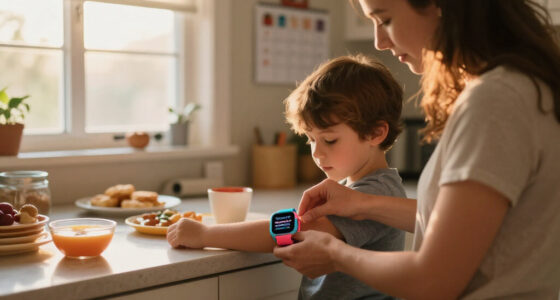
- Smart monitors or wearables — these travel with your child, and the tech often relies on your phone. For example, a wearable device that tracks your baby’s heart rate and oxygen levels can provide reassurance during sleep, but they are portable and easily packed for trips. Using these tools thoughtfully can supplement your supervision, especially when you’re not physically present, but they shouldn’t replace direct care or safety measures.
- Daily toys, grooming kit, and first-aid supplies — small, lightweight, and easy to pack. Carrying a favorite toy or grooming essentials ensures your routine stays consistent, and you’re prepared for minor emergencies. These items help maintain familiarity and calmness, especially in unfamiliar environments, and can make unexpected situations less stressful.
- Primary car seat — only if grandparents don’t drive the child regularly. If you’re driving, bringing your own seat guarantees proper installation and familiarity, reducing the risk of misuse or discomfort for your baby. This ensures safety is maintained, and your child remains comfortable in their familiar seating position, which is especially important for long trips or frequent visits.
Transporting these items ensures your baby’s routines and comfort are maintained, even when away from home. It also prevents grandparents from managing unfamiliar or inadequate gear, which could compromise safety or cause discomfort, ultimately making the visit smoother for everyone involved.
As an affiliate, we earn on qualifying purchases.
Safety rules and recent updates you should share with grandparents
Keeping your baby safe means sharing current safety standards and guidelines. For sleep, the American Academy of Pediatrics (AAP) emphasizes a firm, flat, non-inclined sleep surface — no bumpers, pillows, or soft bedding. For example, a sleep surface that is firm and flat reduces the risk of suffocation or entrapment, which are leading causes of sleep-related incidents. Inclined sleepers, once marketed for reflux, have been banned under the Safe Sleep for Babies Act (2022) because studies linked them to increased SIDS risk. Explaining these updates is vital; it helps grandparents understand that safety recommendations evolve based on new research, and their cooperation is essential for your baby’s well-being.
Check that all cribs or playards meet current CPSC standards. For instance, older cribs with improperly spaced slats or peeling paint can pose serious hazards, and using outdated or recalled furniture increases risk. Understanding the reasons behind these regulations helps grandparents see the importance of adhering to safety standards, rather than viewing them as arbitrary rules. For car seats, ensure they are installed correctly, registered for recalls, and not expired (most last 6–10 years). An expired seat may have compromised structural integrity, and a recalled seat might have safety defects that could jeopardize your child’s protection. Sharing this information fosters a collaborative approach to safety, emphasizing that these measures are about protecting your child’s life and health.
Discuss the importance of securing furniture and removing small objects or batteries that pose choking hazards. Grandparents might have different habits, such as leaving small toys within reach or not anchoring furniture. A gentle, fact-based conversation about these updates encourages awareness and shared responsibility. Explaining the potential risks and demonstrating how to implement safety measures can be effective. This proactive approach reduces the likelihood of preventable accidents, and it empowers grandparents to be active participants in your child’s safety.
As an affiliate, we earn on qualifying purchases.
Tech trends and recent changes that affect what you should duplicate or carry
Recent shifts in baby tech impact what’s worth duplicating. The FDA’s approval of the Owlet Dream Sock (2023) marks a leap in over-the-counter infant monitoring — but it’s a premium item that might not be necessary for everyone. Many families opt for basic audio/video monitors at grandma’s, which are more affordable and straightforward, avoiding costly subscriptions and privacy concerns. For example, a simple non-Wi-Fi monitor can alert you if your baby wakes or fusses, providing reassurance without added complexity or potential cybersecurity risks. The key is understanding what technology adds real value versus what is an unnecessary expense or complication.
Smart wearable monitors, like the Owlet or Smart Sock, are designed to travel with the child, offering peace of mind. However, the American Academy of Pediatrics warns that monitors don’t prevent SIDS — they’re tools for reassurance, not safety devices. Relying solely on tech can create a false sense of security, potentially leading to neglect of direct supervision or safe sleep practices. It’s important to view these gadgets as supplementary, not substitutes for vigilant caregiving.
Gear rental services and recent CPSC regulations on items like crib mattresses and loungers make it easier to set up safe, temporary environments without cluttering grandma’s space permanently. Renting a certified, regulation-compliant crib mattress or using portable, approved loungers can provide a safe, temporary solution that meets safety standards without long-term clutter. These options allow you to adapt quickly to different spaces while maintaining high safety standards, which is especially useful during short visits or travel.
In essence, technology can enhance safety and comfort — but practical, non-tech solutions often do the job just as well for occasional visits. For instance, a well-placed monitor and a properly set up sleep environment can provide all the reassurance needed without the expense or complexity of high-tech gadgets, especially when combined with vigilant supervision and adherence to safety guidelines.
Answering your burning questions about baby gear at grandma’s
Q1: Do we really need a second car seat, or can we just move ours?
A: For safety, a second seat that’s properly installed and fits your child is best. Moving your seat risks incorrect installation, which is common and dangerous. For example, many parents find that their car seat is not tightly secured after a quick move, increasing injury risk in a crash. Having a dedicated seat ensures consistent safety standards are maintained, and your child remains properly restrained at all times.
Q2: Is it safe for the baby to sleep in a Pack ‘n Play at grandma’s?
A: Yes, if it’s new or well-maintained, with the original mattress and no extra bedding. For example, a Pack ‘n Play with a flat, firm mattress and no soft items inside aligns with current sleep guidelines, reducing suffocation risks. Using it correctly and ensuring it’s in good condition is crucial for safe sleep practices.
Q3: Is the old crib in the attic still safe to use?
A: Only if it meets current safety standards, has no recalls, and the slats are spaced correctly. For example, an antique crib with slats too far apart or peeling paint should be replaced or thoroughly inspected before use. Older furniture may have hidden hazards or structural issues that compromise safety, so careful evaluation is necessary before use.
Q4: Should we get a Wi-Fi monitor or a regular one for grandma’s house?
A: Non-Wi-Fi models are safer, more private, and don’t require app setup. For example, a basic audio monitor can alert you to fussing or crying without the security concerns of internet-connected devices. This minimizes cybersecurity risks and simplifies monitoring, especially for those less familiar with technology.
Q5: How do we talk to grandparents about updated safe-sleep rules?
A: Share current guidelines gently, emphasizing safety and your trust in their care. For instance, framing it as a team effort encourages cooperation and understanding. Explaining the reasons behind the rules, like the risks associated with soft bedding or inclined sleepers, helps grandparents see the importance of following best practices and fosters shared responsibility for your baby’s safety.
Conclusion
Setting up grandma’s house isn’t about duplicating everything — it’s about choosing what’s safest and most practical. Focus on the bulky, safety-sensitive gear, and keep personal items portable. That way, every visit becomes a smooth, safe experience for your baby and peace of mind for you.
Remember, a little planning now saves headaches later. Your smart setup turns grandma’s home into a true extension of your nursery — safe, cozy, and ready for the next smile or nap.
Fall Picks
fall essentials
As an affiliate, we earn on qualifying purchases.