TL;DR

Turn the school run and nap time into listening time
- Thousands of audiobooks, podcasts and originals
- Listen on your phone, tablet or Echo — also offline
- Cancel anytime
Duplicating car seat tech involves balancing safety and convenience. Two complete seats work best for frequent transfers, while bases or a single seat can suit occasional needs. Always prioritize correct installation and compatibility.
Imagine a morning rush: a car seat in each vehicle, ready to go. It’s the kind of setup that can save you stress, improve safety, and make every trip smoother. But it’s not just about buying twice — it’s about choosing what fits your family best. The right approach depends on how often you switch vehicles, your child’s size, and your comfort with installation.
In this guide, you’ll learn the smartest ways to duplicate car seat tech. We’ll cover the pros and cons of each setup, what features matter, and how to avoid common mistakes. Whether you’re buying a second seat or just moving one back and forth, these tips will help you keep your little one safe and your mornings calm.
Having two complete car seats reduces installation errors and keeps your child safest during daily use.
Choose a setup based on how often you transfer seats: full seats for frequent movement, bases or one seat for occasional use.
Prioritize features like clear guides, lock-offs, and easy harness adjustments to simplify correct installation.
Always verify compatibility and approval before buying second seats or bases—don’t assume look-alikes are interchangeable.
Regularly check for seat expiration, recalls, and proper installation to maintain safety over time.
Two Cars, One Baby: Duplicating Car Seat Tech Sensibly
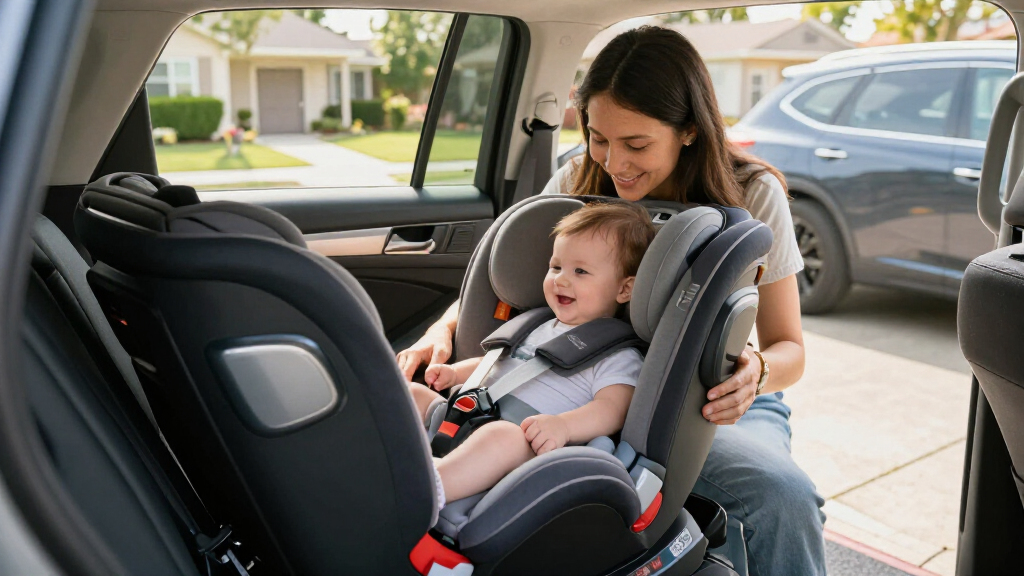
The safest setup is the one that fits your child, fits both vehicles, and can be installed correctly on every single trip. Whether you buy two complete seats, a second base, or move one seat — consistency beats convenience.
Two properly installed seats — one per vehicle — can cut installation errors by up to 50% compared with repeatedly transferring a single seat.
Two complete seats · carrier + two bases · one seat moved · premium primary + simple secondary.
Why Two Seats Often Beats Moving One
Every reinstall is a fresh opportunity for a loose strap, wrong belt routing, or a forgotten tether. A dedicated seat in each vehicle keeps the installation undisturbed — and misuse is a leading factor in seat-related injuries.
Installation Stays Undisturbed
When both cars have their own seat, nothing gets unbuckled. Your child rides in a properly secured seat every time, and busy mornings stay calm — no reinstalling in the rain.
Tailored to Each Vehicle
Seat geometry, head restraints, belt design, and anchor locations differ between cars. Two seats let each installation be matched to the vehicle — faster, tighter, and more reliable.
Fewer Rushed Mistakes
Dedicated seats remove the time pressure that leads to overlooked tethers and slack harnesses. Correctly installed seats perform significantly better in a crash.
Cost & Storage
The initial price and storage space are real — but long-term safety and peace of mind usually outweigh them for families using both cars daily.
Choosing the Right Setup
The decision comes down to how often you switch vehicles, your child’s stage, and your confidence with installation. A certified, less expensive seat is not inherently less safe — higher prices often buy convenience, not protection.
| Setup | Best For | Pros | Cons |
|---|---|---|---|
| Two complete seats | Frequent switching, both cars used daily | ✓ Consistent, undisturbed installation ✓ Tailored fit per vehicle ✓ Lowest error risk |
✗ Higher cost ✗ More storage space |
| Carrier + second base | Infant stage, occasional transfers | ✓ Lower cost ✓ Quick click-in transfers |
~ Must verify base is approved for the exact carrier model ~ Recheck carrier security every ride |
| Moving one seat | Rare transfers, tight budget | ✓ Most economical | ✗ Fresh install check every move ✗ Time-consuming, higher misuse risk |
| Premium + secondary seat | Flexible, budget-friendly middle ground | ✓ Good safety features ✓ Certified secondary still protects |
~ Possible fit issues per vehicle ~ Reinstall required each transfer |
Never assume look-alikes are interchangeable. Bases, carriers, inserts, and parts are model-specific. Use only combinations the manufacturer explicitly approves — sharing a brand is not enough.
From Routine to Right Seat
Work through the chain in order. Skipping a step is how families end up with a seat that fits the child but not the car — or the other way around.
Map Your Routine
How often does the child ride in each car? Daily use in both vehicles points strongly toward two seats.
Match the Child
Check height and weight limits. Stay rear-facing as long as the seat permits before turning forward.
Test Both Vehicles
Try the seat in each car. Belt design, anchors, head restraints, and cabin space can make one seat shine in one car and fail in another.
Verify & Approve
Confirm compatibility, approval status, expiration dates, and recalls before you buy anything twice.
Must-Have Tech for Foolproof Installation
Features that make correct installation easier matter more than premium branding. These are the safeguards against the most common — and most dangerous — mistakes.
Clear Belt-Routing Guides & Indicators
Prevent incorrect routing — the single most common installation error.
Built-In Lock-Offs
Secure belt tension without guesswork; lock-offs prevent slack that lets a seat shift in a crash.
Easy Harness Adjustment
Quick, correct tightening. Rear-facing: straps at or below shoulders. Forward-facing: at or above. Pinch test every ride.
Load Legs & Anti-Rebound Bars
Where approved, they reduce crash rotation and movement — but only if installed properly.
Rotating Designs
Easier loading in tight spaces, saving backs and time. Correct installation still governs safety.
Side-Impact Protection, Tested
Critical protection — look for certification against recognized side-impact standards.
Washable Covers & Compact Size
Hygiene without compromising integrity; slim profiles fit small cars — never sacrifice safety features for size.
Electronic Alerts
Reminders for unbuckled children add a safety net — a supplement to, never a replacement for, manual checks.
Transfer Frequency vs. Recommended Setup
How often you move the seat should drive your buying decision. Relative convenience and safety-confidence of each strategy across typical weekly transfer patterns:
Index: relative safety-confidence by setup & routine · Error bar reflects up-to-50% risk increase with repeated transfers
The Safety Chain
Every link must hold. A weak link anywhere in this chain undermines everything downstream of it.
Why Having Two Car Seats Often Beats Moving One Around
The biggest reason to have two car seats? Consistency and correctness. Every time you reinstall a seat, there’s a chance of a mistake: loose straps, incorrect belt routing, or forgotten tethers. Over time, those slip-ups add up, increasing risk.
When both cars have their own seat, the installation stays undisturbed. Your child is always in a properly secured seat, and you save time during busy mornings. Plus, two seats tailored to each vehicle’s space and seat belts tend to fit better, making installation faster and more reliable.
Having dedicated seats for each vehicle also means you’re less likely to rush through installation, which can lead to overlooked mistakes. This consistency reduces the risk of improper installation that could compromise safety, especially in critical moments. The tradeoff is the initial cost and storage space, but the long-term safety and peace of mind often outweigh these concerns.
More importantly, consistent, correct installation minimizes the risk of misuse—a leading factor in seat-related injuries. When a seat is installed correctly every time, the chances of it failing in a crash decrease significantly. This reliability becomes even more crucial in emergency situations where quick, confident installation can make a difference.
As an affiliate, we earn on qualifying purchases.
Choosing the Right Setup: Complete Seats, Bases, or Moving One Seat
Deciding how to duplicate car seat tech boils down to how often you switch seats and your budget. Here’s what works best in different scenarios:
| Setup Type | Best For | Pros | Cons |
|---|---|---|---|
| Two complete seats | Frequent vehicle switching, full safety control | Installation remains consistent, tailored fit for each vehicle, peace of mind knowing each seat is correctly secured | Higher cost, requires more storage space |
| One seat + a second base | Infant stage, occasional transfers | Lower cost, quick and easy transfer between cars with minimal fuss | Requires careful verification of compatibility, reinstallation needed each time, potential for incorrect setup if not attentive |
| Moving one seat between cars | Rare transfers, budget-conscious | Most economical option | Time-consuming, higher risk of improper reinstallation, inconsistent fit and security if not installed carefully each time |
| One premium seat + secondary | Flexible, budget-friendly | Good safety features and quality, with some flexibility in use | Possible fit issues in different vehicles, reinstallation required each time, risk of improper setup |
For example, a family with a toddler who rides daily in both cars benefits from two full seats to ensure each vehicle’s safety standards are met without compromise. Conversely, a family with a newborn and a limited budget might choose an infant carrier with two bases, switching between cars for short trips, understanding that reinstallation accuracy is crucial to maintaining safety.
Ultimately, the choice involves a tradeoff: convenience and safety versus cost and storage. Recognizing your specific needs and routine helps you select the most appropriate setup, ensuring your child’s safety without unnecessary hassle or expense.
It’s important to understand that each setup has implications beyond initial convenience. For example, two complete seats mean consistent installation, reducing the chance of errors that could lead to injury. Conversely, moving a single seat requires meticulous reinstallation each time, increasing the chance of incorrect setup, which can compromise safety. Weighing these tradeoffs helps you choose a solution that aligns with your priorities and lifestyle.
easy install infant car seat bases
As an affiliate, we earn on qualifying purchases.
As an affiliate, we earn on qualifying purchases.
Must-Have Tech Features for Easy, Safe Installation
When choosing seats or bases, look for features that make installation foolproof. Here’s what to prioritize:
- Clear belt-routing guides and indicators—these help prevent incorrect routing that could compromise safety
- Built-in lock-offs for secure belt tensioning—these ensure the seat is tightly secured without guesswork
- Easy-to-access harness adjustments—allowing quick and correct harness tightening, reducing the chance of slack or improper fit
- Load legs or anti-rebound bars, if approved—these improve stability and reduce movement during a crash, but require proper installation to be effective
- Rotating seats for easier loading—saving time and reducing strain, especially in tight spaces, but must be installed correctly to maintain safety
- Removable, washable covers—help maintain hygiene without compromising integrity
- Compact size for small vehicles—facilitates installation in tight spaces, but verify that safety features aren’t sacrificed for size
- Side-impact protection backed by testing—critical for safety, so check for certification and standards
- Electronic alerts or reminders for unbuckled or unseated children—these add an extra layer of safety but should complement, not replace, proper installation checks
Features like clear guides and lock-offs are especially important because they directly influence the accuracy of installation, which is the foundation of safety. For instance, lock-offs prevent belt slack, ensuring the seat remains firmly in place, which is vital during a crash. Electronic alerts serve as supplementary safety nets, providing real-time feedback but should never replace manual checks. Prioritizing these features reduces errors and enhances safety, especially when time is limited or parents are under stress.
In essence, these features act as safeguards against common mistakes—like incorrect belt routing or loose harnesses—that can significantly impact your child’s safety. Selecting seats with these features simplifies the installation process, making it easier to do it correctly every time, which is the most critical factor in crash safety.
convertible car seats for two vehicles
As an affiliate, we earn on qualifying purchases.
As an affiliate, we earn on qualifying purchases.
Latest Trends and Tech in Car Seats You Should Know
Car seat technology keeps evolving. Recent trends include:
- Enhanced side-impact testing, with new standards in the US and abroad—these improvements mean seats are better at absorbing crash forces, but only if installed correctly
- Adoption of the UN R129 “i-Size” standard in Europe, emphasizing height-based fitting—this standard aims to improve fit and safety, yet proper installation remains essential for these features to be effective
- Load legs, anti-rebound structures, and built-in tensioners becoming more common—these features add stability, but their safety benefits depend on correct, manufacturer-recommended installation
- App-based setup guides and smart alerts, though compatibility varies—these tools can assist but should supplement, not replace, manual checks
- Extended rear-facing limits and higher harness capacities—these extend safety margins but require proper harnessing and seat positioning
- Recall registration and safety updates becoming more accessible through apps—staying informed helps avoid using compromised seats, but actual safety depends on correct installation and maintenance
While these technological advancements promise increased safety, their effectiveness hinges on proper installation and ongoing maintenance. For example, a seat with sensors that alert you if it isn’t tight enough is only helpful if you’ve already correctly installed it in the first place. These features are designed to enhance safety, but they are not substitutes for thorough, manufacturer-recommended installation procedures. The real benefit comes from combining innovative tech with diligent setup and regular checks, ensuring your child’s safety is maximized.
child car seat with clear installation guides
As an affiliate, we earn on qualifying purchases.
As an affiliate, we earn on qualifying purchases.
Pre-Purchase Checklist: What to Know Before Buying a Second Seat or Base
Before buying a second seat or base, run through this quick checklist:
- Does it fit your child’s current size and needs? Understanding growth potential ensures the seat remains safe and effective for longer periods
- Will it fit comfortably in your vehicles? Proper fit prevents improper installation or unsafe positioning, which can compromise safety
- Can you install it securely without fuss? Ease of installation reduces the likelihood of errors, especially in tight spaces or hurried situations
- Is the base approved for your specific carrier model? Compatibility is crucial; an incompatible base may not secure properly, risking safety
- Are lower-anchor and tether points compatible? Proper anchoring prevents excessive movement during a crash, but only if installed correctly and verified in each vehicle
- Is the seat within its expiration date and free of recalls? An expired or recalled seat can fail in a crash, so checking dates and recalls is essential
- Has the seat’s history been checked if used? Used seats should be inspected for damage, previous crashes, or tampering to ensure safety
- Are aftermarket accessories like mats or mirrors safe and compatible? Improper accessories can interfere with seat integrity or installation, so verify with manufacturers
- Are all parts and instructions present? Missing parts or unclear instructions increase the risk of improper setup
- Is it registered for recall notices? Registration ensures you receive safety updates and recall alerts, maintaining ongoing safety
Investing time in these checks can prevent critical mistakes that compromise safety. For example, verifying compatibility and approval helps avoid installing a seat that might seem suitable but isn’t tested for your vehicle or child’s size. Recognizing the importance of these details means you’re actively reducing the risk of improper installation, which is a common cause of injury. Thorough preparation and verification are essential steps that ensure your investment in safety truly protects your child and provides peace of mind.
Avoid These Common Mistakes When Setting Up Multiple Car Seats
Even seasoned parents can stumble into pitfalls. Here are frequent errors to watch for:
- Buying an extra base that looks compatible but isn’t approved for your seat model—this can lead to improper fit and compromised safety. Always verify manufacturer approval to ensure the base and seat work together as intended.
- Installing with both seat belt and lower anchors unless permitted—using both can sometimes interfere with each other, affecting stability. Follow the manufacturer’s instructions on which to use, and ensure they don’t conflict.
- Forgetting to attach the top tether after switching to forward-facing—this component significantly reduces crash forces on the child’s upper body. Neglecting it can increase injury risk, so always double-check that it’s properly secured.
- Overloading lower anchors beyond their weight limit—exceeding this can cause the anchors to fail during a crash. Be aware of weight restrictions and avoid pushing the system beyond its capacity.
- Leaving harness straps loose, twisted, or improperly positioned—poor harness fit can lead to excessive movement or injury. Always ensure straps are snug, flat, and correctly routed.
- Using bulky coats under harnesses—these can compress during a crash, creating slack and reducing restraint effectiveness. Remove thick clothing and use blankets over the harness in cold weather.
- Moving a seat without rechecking recline and tightness—each installation can shift slightly, impacting safety. Always verify the seat’s position and secure fit after every move.
- Assuming the center seat has lower anchors without verifying—some vehicles lack anchors in all seating positions. Confirm presence and functionality before installation.
- Using an infant carrier outside the car as a sleep spot—this can lead to improper fit and compromise safety, especially if the carrier isn’t designed for that purpose. Always use car seats as intended.
- Ignoring expiration dates or crash history, continuing to use unsafe seats—seats degrade over time, and crash damage may not be visible. Regularly check expiration and recall status to ensure ongoing safety.
Small mistakes can have major consequences. For example, a parent forgetting to tighten the harness after moving the seat can result in excess movement during a crash, increasing injury risk. Similarly, ignoring the vehicle’s anchor points or overloading the system can lead to catastrophic failure. Developing a routine of meticulous double-checking—like verifying tether attachment, harness snugness, and seat stability—ensures every setup is as safe as possible. Recognizing and avoiding these pitfalls helps maintain the integrity of your child’s safety system, giving you peace of mind every time you hit the road.
Frequently Asked Questions
Do we really need a car seat in each vehicle?
Not necessarily, but having a seat in each car can reduce errors and make daily routines smoother. It’s especially helpful if both vehicles frequently carry your child, minimizing the need for repeated installs and risking incorrect setup.
Can we buy a second base instead of another seat?
Usually, yes — but only if the second base is approved for the exact model and version of your infant carrier. Always double-check compatibility, as different years or models may not work interchangeably.
Can an infant seat be used without its base?
Many infant seats allow for belt installation without the base, but not all. Always follow the manufacturer’s instructions carefully, and only use the belt routing designated for that specific seat model.
Should both cars have the same model of seat?
Not necessarily. While identical seats simplify training and installation, different vehicles or budgets might call for different options. The key is a correct, secure fit in each car, regardless of model.
Is an inexpensive seat safe enough for the second car?
Yes, if it meets current safety standards and is installed correctly. Cheaper seats can be perfectly safe—just ensure it’s not expired, has no recalls, and fits your child and vehicle properly.
Conclusion
Duplicating car seat tech isn’t just about saving money — it’s about making safety routine and reliable. Whether you opt for two full seats or a single seat moved between cars, the goal remains the same: every trip should be a safe trip.
Remember, correct installation beats fancy features every time. The best setup is the one you’re confident in, so take the time to check, double-check, and always follow manufacturer instructions. Your child’s safety is worth every minute.
Fall Picks
fall essentials
As an affiliate, we earn on qualifying purchases.