TL;DR

Turn the school run and nap time into listening time
- Thousands of audiobooks, podcasts and originals
- Listen on your phone, tablet or Echo — also offline
- Cancel anytime
Baby sleep apps are affordable and easy but less precise, relying on microphone and motion sensors. Dedicated sleep trackers offer more detailed data but come at a higher cost. Both can help spot sleep trends but shouldn’t replace safe sleep practices or pediatric advice.
When it comes to your baby’s sleep, many parents feel caught between convenience and accuracy. You might already use a sleep app on your phone, or maybe you’re eyeing a dedicated device that promises detailed insights. The truth is, both options have their strengths and pitfalls. Understanding what each can really do helps you choose what’s right for your family—especially at 3 a.m., when sleep feels like a precious commodity.
This guide breaks down the differences between baby sleep apps and dedicated sleep trackers. We’ll look at what they measure, how reliable they are, and what you should prioritize—whether it’s ease, cost, or precision. By the end, you’ll know which tool fits your parenting style and sleep goals, without falling for gimmicks or overselling.
Baby sleep apps are affordable and easy but less precise, relying on microphone and motion sensors.
Dedicated sleep trackers offer more detailed data through sensors detecting movement and breathing, but come at a higher cost.
Both tools are best used as trend monitors—never a substitute for safe sleep practices or pediatric advice.
Privacy policies vary; always check how your data is stored and shared before choosing a device or app.
Use a combination of both, or focus on the one that fits your budget and sleep goals, for a clearer picture of your baby’s sleep health.
Convenience, Accuracy, and the 3 A.M. Reality Check
TL;DR: Baby sleep apps are affordable and easy, but less precise because they rely on phone microphones, motion sensors, or manual logs. Dedicated sleep trackers can capture richer movement, breathing, and sleep-stage data, but cost more and require setup. Both are best used for trends, not as replacements for safe sleep practices or pediatric advice.
Sensor-based trackers may outperform audio-only or motion-based phone apps for detailed monitoring.
Apps often start free; dedicated hardware ranges from entry-level monitors to premium systems.
Use the data to spot patterns, not to outsource judgment.
Sleep logs, routines, white noise, quick checks, and low-cost trend tracking.
Continuous monitoring, movement data, breathing patterns, and deeper sleep insights.
No consumer sleep tool can guarantee perfect accuracy or medical certainty.
Safe sleep practices and pediatric advice stay above every notification or chart.
What Each Tool Actually Measures
The biggest difference is not just app versus hardware. It is whether the tool is interpreting ordinary phone signals or collecting purpose-built sensor data from the crib, mattress, clothing, or bedside environment.
Simple routines, lightweight logging
Apps commonly offer sleep timers, manual logs, lullabies, white noise, wake-up notes, and basic sound-based monitoring through a phone or tablet.
Specialized sensors, deeper signals
Hardware trackers may monitor movement, breathing, sleep stages, and sometimes heart rate through wearables, pads, or bedside devices.
Trend tools, not diagnoses
Both options can reveal shifts in bedtime, night waking, or sleep duration, but neither should be treated as a medical device or safety guarantee.
Side-by-Side Comparison
Choose based on the tradeoff that matters most: cost, effort, precision, privacy, or portability. The right answer depends on the family, the baby, and the sleep question you are trying to answer.
| Feature | Baby Sleep Apps | Dedicated Sleep Trackers | Parent Takeaway |
|---|---|---|---|
| Cost | ✓ Usually free or low-cost, often with premium upgrades from about $1 to $10. | ~ Typically $50 to several hundred dollars depending on sensors and features. | Apps win when budget is the main constraint. |
| Ease of Use | ✓ Installs quickly, travels easily, and fits into existing phone habits. | ~ Needs setup, placement, charging, syncing, and occasional troubleshooting. | Apps are simpler; trackers ask for more parent attention. |
| Accuracy | ~ Basic accuracy from microphone, accelerometer, or manual entry. | ✓ More precise because sensors are built for movement and breathing signals. | Trackers win when data detail matters. |
| Privacy | ~ Data may sit on the device or in the cloud depending on the app. | ~ Storage and sharing vary by brand, app, and account settings. | Read policies before sharing sleep or health-adjacent data. |
| Portability | ✓ High, because the phone is usually already with you. | ✗ Lower, because hardware must be placed, worn, packed, or charged. | Travel-heavy families may prefer apps. |
Accuracy Is a Spectrum, Not a Promise
Dedicated trackers can provide richer signals, but all consumer-grade sleep tools have blind spots. Treat readings as directional evidence, especially when a device flags a short night, a restless patch, or an odd breathing pattern.
The practical accuracy ladder
Manual logs can show bedtime consistency. Phone apps add sound and motion clues. Dedicated trackers add specialized sensors. The further you move up the ladder, the more detailed the picture becomes, but interpretation still matters.
How to Choose Without Overbuying
Start with the sleep goal. If you only need a routine log, an app may be enough. If your concern is subtle movement, breathing trends, reflux disruptions, or recurring night waking, a dedicated tracker may justify the cost and setup.
Name the concern
Routine tracking, wake-ups, regression, reflux, breathing worries, or general curiosity.
Match the signal
Use apps for logs and sound cues; use sensors for movement and breathing detail.
Check the effort
Consider charging, placement, syncing, alerts, and how much data you want to review.
Review privacy
Look for storage location, cloud sharing, account controls, and deletion options.
Keep perspective
Use patterns to guide routines, then bring persistent concerns to a pediatrician.
Convenience vs. precision
Apps sit closer to convenience. Dedicated trackers sit closer to precision. Hybrid setups can work when parents want easy routines plus occasional deeper monitoring.
Safety and Privacy Checks
The most polished dashboard still sits below the basics: a safe sleep environment, caregiver observation, and professional guidance when something feels off.
Do not let alerts replace practice
Consumer sleep tools should supplement, not replace, safe sleep guidance, a clear crib, and recommended sleep positioning.
Know where the data goes
Check whether sleep logs, audio clips, breathing data, or account details are stored locally, in the cloud, or shared with partners.
Watch the whole baby
Use charts alongside feeding, mood, growth, illness, and your direct observations, especially during regressions or health concerns.
Traceability: From Signal to Decision
Phone-based apps infer sleep from sound, stillness, and parent-entered logs.
Trackers gather movement, breathing, and sometimes heart-rate signals.
Multiple nights reveal trends better than any single alert or sleep score.
Persistent concerns belong in conversation with a pediatric professional.
What Baby Sleep Apps Actually Do (And What They Can’t)
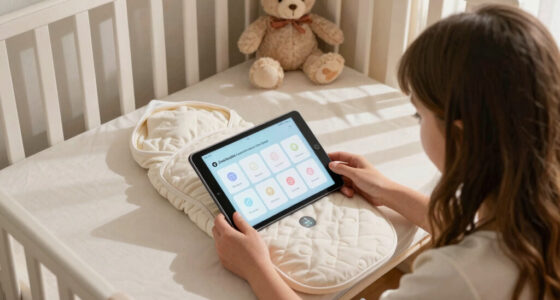
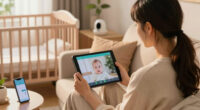
Baby sleep apps sit on your phone or tablet, offering features like sleep timers, lullabies, white noise, and sleep logs. They’re designed to be simple and portable—perfect for quick checks or calming routines. But their accuracy depends on your device’s microphone and accelerometer, which aren’t specialized for sleep tracking.
Imagine you’re playing white noise in the nursery, and your phone records your baby’s sleep through sound detection. That’s the core of many apps. However, apps can’t reliably distinguish between light movements, small breathing changes, or subtle sleep stages. They’re best used as trend tools—spotting if your baby’s sleep time shifts or if wake-ups increase over weeks.
For example, a popular app might log that your baby slept 11 hours last night—good info, but it doesn’t tell you if they had restless sleep or brief awakenings. It’s like using a stopwatch to measure a marathon—useful for timing, not detailed analysis.
Understanding these limitations is crucial because relying solely on app data might give you a false sense of security or overlook subtle issues. These apps are best viewed as initial indicators rather than definitive assessments, which means you should interpret their data with caution and always consider your observations and pediatric advice for a complete picture.
Deeply understanding these limitations matters because it influences how you interpret your baby’s sleep health. Relying solely on app data might lead you to miss signs of discomfort or health issues that require professional attention. Recognizing that these apps are trend tools helps you avoid overreacting to minor fluctuations or false alarms, enabling you to focus on overall patterns rather than isolated data points.
As an affiliate, we earn on qualifying purchases.
How Dedicated Sleep Trackers Go Beyond Basic Monitoring
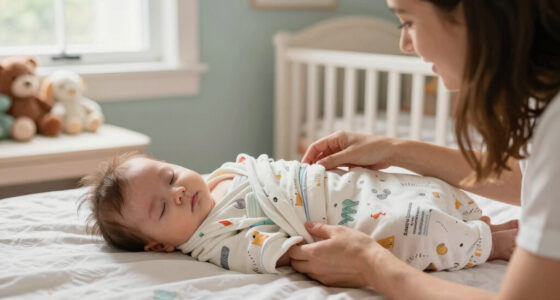
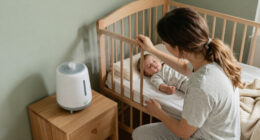
Dedicated sleep trackers are hardware devices built specifically for sleep data collection. They often include sensors that monitor movement, breathing, and sometimes heart rate. Many sit beside the crib or attach to your baby’s clothing, providing a more detailed picture of sleep quality.
For example, a sensor pad placed under the mattress can detect tiny movements and breathing patterns more accurately than a phone’s microphone. This increased sensitivity allows for a nuanced understanding of your baby’s sleep, including identifying sleep stages or detecting irregular breathing patterns that might indicate discomfort or health issues.
Some wearable devices track sleep stages, showing how much time your baby spends in light, deep, or REM sleep. This detailed data can help you understand sleep quality, identify disruptions, and observe patterns over time, especially if your baby has sleep difficulties or health concerns.
However, these devices come with tradeoffs. They often require initial setup, regular charging, and careful placement to avoid false alarms or inaccurate readings. For instance, a sensor might pick up false positives if the device shifts or if the baby moves in a way that mimics irregular breathing. Recognizing these tradeoffs helps you decide whether the depth of information justifies the effort and expense involved, especially considering that no device can replace safety and professional medical advice.
Deep understanding of these devices reveals that while they offer richer insights, they also demand more from parents in terms of setup and interpretation. They are most beneficial when used as part of a broader strategy that includes pediatric guidance and safe sleep practices, rather than relying solely on the device’s data.
As an affiliate, we earn on qualifying purchases.
A Side-by-Side Comparison of Baby Sleep Apps and Sleep Trackers
| Feature | Baby Sleep Apps | Dedicated Sleep Trackers |
|---|---|---|
| Cost | Usually free or low-cost (free versions, premium options from $1 to $10) | Range from $50 to several hundred dollars |
| Ease of Use | Very accessible; installs on your phone, quick setup | Requires initial setup, charging, sometimes syncing |
| Accuracy | Basic; depends on microphone and motion sensors, less reliable for detailed data | More precise; sensors detect movement and breathing more accurately |
| Data Privacy | Stored on device or cloud; privacy varies by app | Stored locally or in app; privacy depends on device and company policies |
| Features | Sleep logs, lullabies, white noise, manual input | Sleep stages, breathing, movement, sometimes heart rate |
| Portability | High—always on your phone | Requires physical device; less portable but more detailed |
Choosing between these options depends on your priorities. If you value convenience and cost-effectiveness, a sleep app offers quick insights but with limited accuracy. If you need detailed, reliable data for medical or developmental reasons, investing in a dedicated device can provide more meaningful information, although it requires more effort and expense. Understanding these tradeoffs helps you align your choice with your sleep goals and comfort level with technology.
As an affiliate, we earn on qualifying purchases.
Which One Is Better? Picking the Right Tool for Your Sleep Goals
If you’re after quick, easy insights—maybe just to log sleep hours or track wake-ups—a good app might be enough. They’re affordable, portable, and simple to use, perfect for busy parents juggling multiple routines.
But if you want detailed data—think understanding sleep cycles or catching subtle breathing issues—a dedicated tracker offers more precision. It’s like switching from a sketch to a detailed blueprint. Keep in mind, though, that even the best devices aren’t foolproof; they’re trend tools, not medical devices.
Consider your budget, patience for setup, and what you need to know. For example, if your baby has sleep regressions or reflux, a dedicated device might reveal patterns that an app simply can’t catch. Recognizing these differences helps you select the tool that best supports your specific concerns and sleep goals.
baby breathing and movement monitor
As an affiliate, we earn on qualifying purchases.
As an affiliate, we earn on qualifying purchases.
Safety and Privacy: What Parents Should Watch Out For
Both apps and trackers collect sensitive data—think sleep times, breathing patterns, and sometimes location. According to an anonymous researcher, privacy policies vary widely. Some apps store data on cloud servers with minimal encryption, while others keep data local.
For infants, safety is paramount. The American Academy of Pediatrics warns that devices should never replace safe sleep practices—no device can prevent SIDS or replace a safe sleep environment.
Look for devices with clear privacy policies, robust data encryption, and avoid sharing data without your consent. Recognize that some devices may transmit data to servers that could be vulnerable to breaches, or share data with third parties for marketing or research purposes. Ensuring your privacy is protected means understanding these risks and choosing devices that prioritize security and transparency, especially when handling your baby’s sensitive health and sleep data.
Real-Life Scenarios: When Each Tool Shines
Imagine you’re sleep training your 4-month-old. An app can log your nightly routines and wake-ups, giving you a quick overview that helps you notice patterns over time. However, if your baby starts having irregular breathing or restless sleep, a dedicated tracker might detect subtle changes—like increased movement or shallow breaths—that you’d miss with just an app. This can alert you to potential issues early, prompting you to consult your pediatrician if needed.
Or, say your toddler’s sleep suddenly shifts after a growth spurt. An app might show less sleep overall, but a dedicated device could reveal if they’re cycling through lighter sleep stages more often or waking frequently, which might indicate discomfort or illness. Recognizing these nuances helps you intervene sooner and tailor your approach.
In both cases, these tools aren’t replacements for pediatric advice—they’re supplementary tools that help you interpret sleep patterns more accurately, giving you greater confidence in managing your child’s sleep health.
The Final Word: Do You Need a Sleep App or a Tracker?
Most parents benefit from using both—an app for quick, daily logging, and a dedicated device for detailed insights when needed. But if you’re on a tight budget or want something simple, an app often does the trick. For ongoing sleep issues or medical concerns, a dedicated tracker can provide more reliable data and peace of mind.
Remember, no gadget replaces safe sleep practices, regular pediatric checkups, or good routines. These tools should complement your efforts, not substitute for them. Using them wisely involves understanding their limitations, interpreting data thoughtfully, and always prioritizing your baby’s safety and well-being.
Choosing the right tool ultimately depends on your specific sleep goals, concerns, and comfort with technology. By aligning your choice with your needs and expectations, you can foster healthier sleep habits and reduce worry—leading to better rest for everyone in the family.
Frequently Asked Questions
Are baby sleep apps effective in improving my baby’s sleep?
Apps can help you track sleep patterns and identify trends over time, but they don’t directly improve sleep. Consistent routines and safe sleep environments remain key. Use apps as a supplement, not a solution.
How accurate are dedicated sleep trackers compared to apps?
Dedicated trackers generally provide more precise data because they use sensors to monitor movement and breathing. However, even the best trackers aren’t 100% accurate; they’re best for observing trends rather than exact measurements.
Can sleep trackers detect health issues like sleep apnea or breathing irregularities?
Some advanced trackers can flag unusual breathing or movement patterns, but they aren’t medical devices. If you suspect health issues, always consult your pediatrician. These tools are helpful for spotting potential concerns but aren’t diagnostic.
What are the privacy implications of using sleep monitoring apps or devices?
Data privacy varies widely—check each app’s or device’s privacy policy. Look for transparent encryption and data control options. Be cautious about sharing sensitive data and understand how your data might be used or shared, especially with third parties. Prioritize devices that clearly state their privacy protections to safeguard your baby’s personal information.
How do I know if I should buy a dedicated sleep tracker or just use an app?
If you want quick insights or are on a budget, an app might suffice. For detailed sleep analysis or medical concerns, a dedicated tracker offers better data. Assess your specific needs, concerns, and willingness to invest to make an informed choice that best supports your family’s sleep health.
Conclusion
Choosing between a baby sleep app and a dedicated sleep tracker depends entirely on your needs, budget, and what you want to understand about your baby’s sleep. Remember, no gadget replaces a safe sleep environment and good routines. Use these tools as helpful partners, not crutches.
As your child grows and sleep patterns evolve, these devices can become valuable allies—if used wisely. After all, the goal isn’t just data; it’s peaceful nights for everyone in the house.
Halloween Picks
halloween
As an affiliate, we earn on qualifying purchases.