
TL;DR

Turn the school run and nap time into listening time
- Thousands of audiobooks, podcasts and originals
- Listen on your phone, tablet or Echo — also offline
- Cancel anytime
Smart bassinets combine features like automation and monitoring to help soothe babies and track sleep. But they aren’t magic solutions or replacements for supervision—they’re tools with limits. Knowing what they do and don’t do helps parents use them wisely.
Smart bassinets are changing the way parents approach baby sleep. They promise convenience, safety, and a little peace of mind. But beneath the sleek surfaces and glowing screens, it’s vital to understand what these devices truly do—and what they don’t.
If you’re considering a smart bassinet, or already have one, this guide will clear up common questions. You’ll learn about the features, limitations, recent tech advances, and how these tools fit into your overall safety and sleep strategies.
Smart bassinets offer features like automated soothing, sleep monitoring, and environmental controls, but they’re not substitutes for supervision.
Always verify safety standards and use these devices as tools within a broader safety and sleep routine.
Recent advances like AI analysis and better sensors improve safety, but tech can’t replace human vigilance.
Prices and features vary widely; focus on safety certifications and real-world reviews before buying.
Privacy matters—review data policies and secure your home network when using connected sleep tech.
What Smart Bassinets Do — The Features That Help You Sleep Better
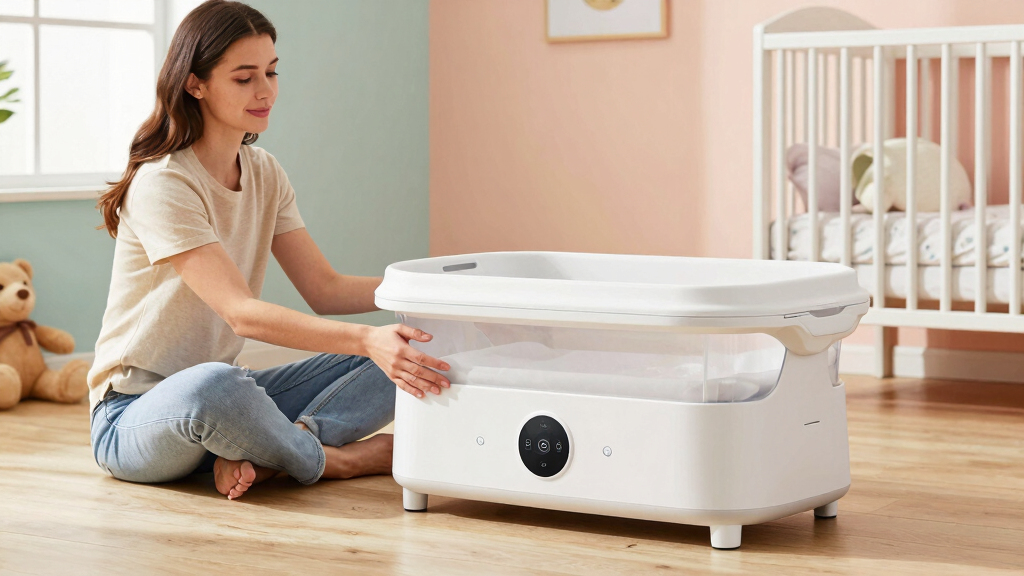
Smart bassinets pack a punch with features designed to soothe your baby and give you peace of mind. Many can gently rock or sway, mimicking the calming motion of parental rocking. This motion can help settle a fussy baby or encourage longer sleep stretches.
They also monitor vital signs like breathing and movement, providing real-time data via smartphone apps. Some models include temperature sensors that alert you if the room gets too hot or cold. Built-in sound systems offer white noise or lullabies, creating a cozy, familiar environment for your little one.
Connectivity features allow parents to check in from anywhere, receive alerts, or adjust settings remotely. For example, a parent at work can see if their baby is restless or sleeping soundly, thanks to notifications.
Here’s a quick look at common features:
- Automated rocking and motion
- Sleep and breathing monitoring
- Environmental controls (temperature, humidity)
- Sound and white noise options
- Remote control via smartphone app
- Alerts and notifications
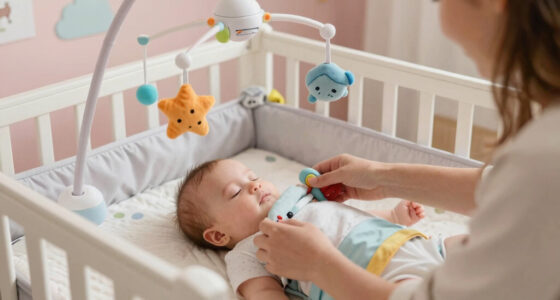
smart bassinet with sleep monitoring
As an affiliate, we earn on qualifying purchases.
As an affiliate, we earn on qualifying purchases.
What Smart Bassinets Don’t Do — The Limits You Need to Know
Despite their smart features, these bassinets are not magic or medical devices. They do not replace your watchful eye. While sensors might detect irregular breathing or unusual movements, relying solely on these can create a false sense of security. For example, a sensor may miss subtle signs of distress or malfunction, and a false alarm might lead to unnecessary worry or complacency.
They also can’t diagnose or treat health issues. If your baby shows signs of distress, illness, or abnormal behavior, a device cannot substitute for a professional medical assessment. Over-reliance on technology may delay critical interventions or mask underlying problems.
Many parents assume automation means less work—think again. Automated rocking can soothe temporarily, but it doesn’t address deeper sleep challenges, such as difficulty establishing routines or managing sleep regressions. It’s important to understand that these tools are supportive, not curative.
And, let’s be honest—no tech can replicate the warmth, scent, and gentle touch of a parent. Devices are tools, not replacements for your care and vigilance. Overestimating their capabilities might lead to neglecting essential supervision, which remains crucial for safety. Recognizing these limitations helps set realistic expectations and prevents complacency, ensuring that parents stay engaged and attentive to their baby’s needs.
baby bassinet with remote control app
As an affiliate, we earn on qualifying purchases.
As an affiliate, we earn on qualifying purchases.
How Recent Tech Advances Make Smart Bassinets Safer & Smarter
Technology keeps evolving fast in baby sleep tools. Recent smart bassinet models now include more sensitive sensors that can detect irregular breathing or unusual movements more accurately. These advancements are significant because they can potentially reduce false alarms and provide more reliable data, which helps parents respond appropriately. However, they also introduce tradeoffs: increased complexity can lead to difficulties in setup or troubleshooting, and overdependence on automated analysis might cause parents to overlook subtle signs that require human judgment.
Connectivity has also improved. Many bassinets now sync seamlessly with other smart home devices. Imagine a bassinet that adjusts its white noise level based on ambient noise or temperature, automatically creating the perfect sleep environment. Such integrations can optimize sleep conditions and adapt to changing room environments, promoting better rest for your baby. But these benefits come with privacy considerations; more connectivity means more data sharing, which raises concerns about data security and the potential for breaches if proper safeguards aren’t in place.
Design-wise, newer models are sleeker, more portable, and better integrated into modern nurseries. Battery life has improved too, ensuring the device stays powered through the night without fuss. These advancements aim to boost safety and convenience, but they still come with the caveat: tech isn’t infallible. Always double-check device safety certifications and use these tools as part of a broader safety plan, not as sole solutions. Recognizing both the potential and the limits of current technology helps parents make smarter choices and avoid overestimating what these devices can achieve.
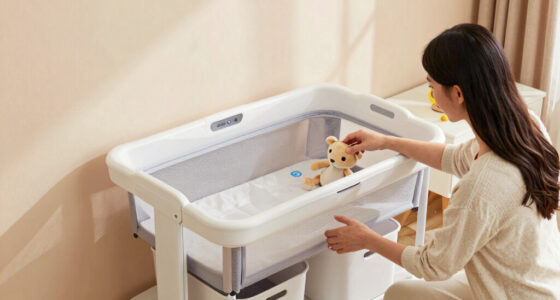
automated baby bassinet with white noise
As an affiliate, we earn on qualifying purchases.
As an affiliate, we earn on qualifying purchases.
Key Facts You Need to Know Before Buying or Using a Smart Bassinet
Market growth has surged, with prices ranging from around $200 for basic models to over $1,000 for high-end systems packed with features. Not all bassinets are created equal—look for models that meet safety standards like ASTM or JPMA. However, even safety certifications don’t guarantee absolute safety; they indicate compliance with certain standards but do not eliminate all risks. It’s crucial to understand that safety standards are a baseline, and parents should also consider factors like build quality, user reviews, and manufacturer reputation.
Reviews show many parents appreciate the convenience, but safety remains top concern. Remember, these devices are not regulated as medical devices, so claims should be independently verified. Relying solely on manufacturer promises without independent validation can lead to misplaced trust. Consider third-party safety testing and user reviews for a more comprehensive picture. This due diligence helps identify potential issues before purchase, and ensures that the device aligns with your safety expectations.
Most babies use smart bassinets until around 6 months or when they start to sit up or roll over. Always check the weight and size limits—using a device beyond its recommended capacity can compromise safety. Recognize that as your baby grows, the utility of a bassinet diminishes, and transitioning to a crib becomes necessary to ensure safety and proper development. Planning for this transition ahead of time ensures continuous safety and comfort for your growing baby.
And don’t forget privacy. Connected devices transmit data, so review their privacy policies and secure your Wi-Fi network. Data breaches or misuse of personal information can pose risks, so understanding how your data is handled is essential for responsible use. Being proactive about privacy safeguards minimizes risks and helps maintain your family’s security in an increasingly connected world.
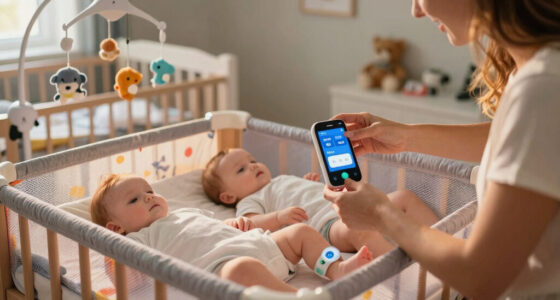
baby sleep monitor with breathing sensors
As an affiliate, we earn on qualifying purchases.
As an affiliate, we earn on qualifying purchases.
Your Top 5 Questions About Smart Bassinets Answered
- Are smart bassinets safe for newborns? They are safe if they meet safety standards, but parents must supervise and follow manufacturer guidelines at all times. Safety depends on correct setup, ongoing supervision, and adherence to instructions, not just the device’s features. Understanding how to properly install and monitor the device is critical—poor setup or neglecting safety instructions can negate any safety benefits.
- Do they really help babies sleep longer or better? Some parents see improvements, but results vary. These devices can support sleep routines but should be integrated with consistent bedtime practices. Overreliance can mask underlying sleep issues that require behavioral or environmental adjustments. Recognizing the limits of technology helps set realistic expectations and encourages holistic sleep strategies.
- Can I use a smart bassinet instead of a crib? No, they’re designed for infants, not as permanent sleep spaces. Larger, more stable cribs are still necessary for safe, long-term sleep, especially as your baby grows and becomes more mobile. Relying on a bassinet beyond its recommended age or weight limits can pose safety risks and delay necessary transitions.
- What features matter most? Automated rocking, sleep tracking, and environmental controls tend to be the most helpful, but their effectiveness depends on proper use and understanding their limitations. Prioritizing features aligned with your baby’s needs and your safety concerns ensures you get the most benefit from your device.
- Are privacy concerns real? Yes, especially with connected devices. Always review data policies, ensure your network security, and be cautious about sharing sensitive information to protect your family’s privacy. Being informed about how your data is used helps prevent breaches and maintains your peace of mind.
- How long can my baby use a smart bassinet? Usually until about 6 months or when they begin to sit up, roll over, or outgrow the weight limit. Transitioning at the right time supports safety and developmental milestones. Planning ahead for this transition ensures continuous safety and comfort as your baby grows.
Conclusion
Smart bassinets can be a helpful part of your sleep toolkit, but they aren’t magic. Think of them as assistants, not babysitters. Staying vigilant, following safety guidelines, and understanding their limits keeps your baby safe and your mind at ease.
When technology aligns with good sleep routines and attentive supervision, you create a nursery environment where safety and comfort walk hand in hand. That’s the real goal—peace of mind, one night at a time.
Halloween Picks
halloween
As an affiliate, we earn on qualifying purchases.