
TL;DR

Turn the school run and nap time into listening time
- Thousands of audiobooks, podcasts and originals
- Listen on your phone, tablet or Echo — also offline
- Cancel anytime
To wean off bassinet motion, gradually decrease rocking and vibrations while establishing consistent sleep cues. Patience and responsiveness make the transition smoother for your baby, promoting healthier sleep habits.
If you’ve ever watched your baby drift into sleep thanks to gentle rocking, you know how comforting that motion can be. But at some point, many parents want their little ones to fall asleep without it — fostering independence and easing bedtime routines.
This guide walks you through the step-by-step process of reducing bassinet motion safely and effectively. You’ll learn practical tips, what signs to watch for, and how to keep your baby calm and happy during the transition. Because, let’s face it — patience is your best friend here.
Start reducing bassinet motion gradually—think weeks, not days—to help your baby adjust.
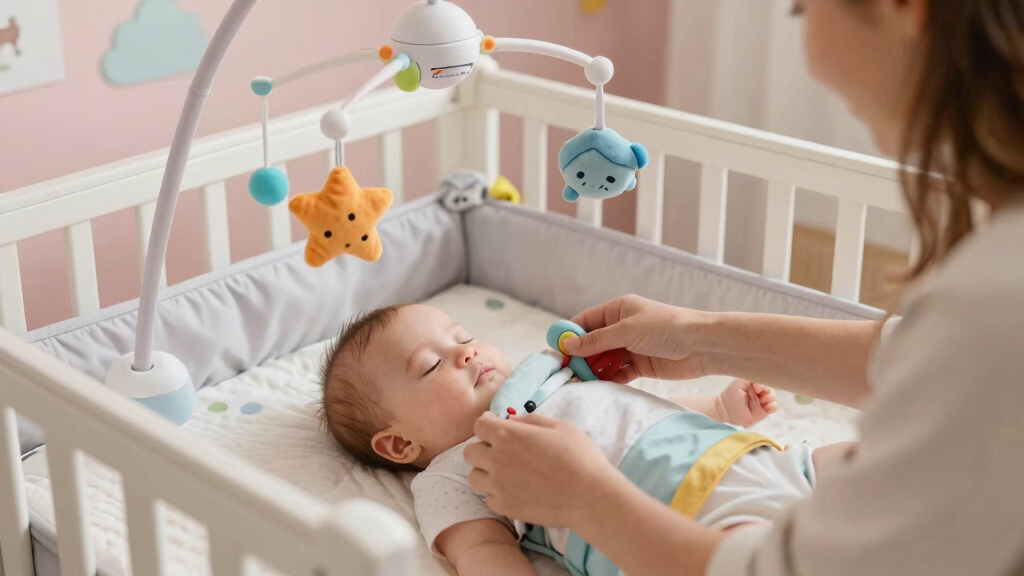
Replace rocking with gentle touch, shushing, or transitional objects to soothe your baby during the process.
Watch for signs of readiness, like falling asleep without motion or showing interest in independent sleep.
Be patient and flexible; resistance is normal and part of the learning curve.
Always prioritize safe sleep practices—no loose bedding, always on the back, and age-appropriate sleep surfaces.
Why Gradually Weaning Off Bassinet Motion Matters
Babies often associate motion with sleep — a cozy rhythm that signals bedtime. While it helps them fall asleep initially, reliance on it can make independent sleep harder later. When a baby depends heavily on motion, they might struggle to fall asleep without it, leading to longer bedtimes or night wakings. Gradual weaning promotes the development of self-soothing skills, which are essential for longer, more restful sleep as they grow. It also encourages adaptability, helping your baby learn to fall asleep in different environments and conditions, reducing sleep dependency on specific external cues. The tradeoff is that a slower process requires patience, but it ultimately results in more resilient sleep habits, less frustration for both parent and baby, and a smoother transition to independent sleep routines.
As an affiliate, we earn on qualifying purchases.
How to Reduce Bassinet Motion in 5 Simple Steps
- Start with shorter and gentler rocking sessions. Reduce the duration and intensity of the motion over several nights. This allows your baby to gradually adjust without feeling a sudden change, which could cause fussiness or resistance. The gradual reduction helps reinforce the idea that sleep can be achieved without the need for continuous motion, fostering confidence in independent sleep skills.
- Introduce transitional soothing methods. Use soft shushing, gentle patting, or a familiar blanket to replace the need for motion. These methods serve as calming cues that help your baby associate comfort with non-moving stimuli, which is crucial for building self-soothing abilities. The transition might feel subtle at first, but over time, these cues become reliable signals for sleep, reducing reliance on motion and supporting emotional regulation.
- Use technology wisely. Gradually decrease sounds from white noise machines or vibrations, if used. This step encourages your baby to adapt to a less stimulating environment, which can help them learn to fall asleep in different settings. The key is to balance reducing stimuli without making the environment too stark, which could cause discomfort or sleep disruptions. The tradeoff involves finding that sweet spot where your baby feels secure but isn’t overly dependent on external aids.
- Establish a calming bedtime routine. Dim the lights, read a story, and keep the environment consistent every night. Consistency reinforces sleep associations and provides a predictable, soothing environment that signals bedtime. This routine helps your baby understand that sleep is approaching, regardless of the level of motion, and encourages self-soothing through familiar cues.
- Be responsive to your baby’s cues. Watch for signs of fussiness or tiredness, and adjust the pace accordingly. Recognizing these signals allows you to tailor the process to your baby’s needs, reducing stress and making the transition smoother. Responsiveness helps your baby feel secure and understood, which can lessen resistance and promote cooperation in the long run.
For example, start by cutting back to 10-minute gentle swings, then shift to softer sounds or gentle pats, and finally to just a comforting voice or touch as your baby drifts off. Each step should be guided by your baby’s responses, ensuring they feel supported throughout the process.
As an affiliate, we earn on qualifying purchases.
Compare Different Approaches to Weaning Off Bassinet Motion
| Method | Speed | Pros | Cons |
|---|---|---|---|
| Gradual Reduction | Over weeks | Less stress, builds independence, fosters better sleep habits over time | Requires patience, consistency, and careful observation |
| Rapid Stop | In a few days | Quick transition, may suit babies showing signs of readiness | Can cause sleep disruptions, fussiness, and setbacks if not managed carefully |
| Hybrid Approach | Slow then quick | Flexible, adaptable based on baby’s response | Requires close monitoring and adjustment |
Most experts recommend a gradual approach because it minimizes stress and supports the development of self-soothing skills. A rapid stop might seem appealing for quick results, but it can increase the risk of sleep disturbances and fussiness, especially if your baby isn’t developmentally ready. The hybrid approach offers flexibility, but it demands attentive observation to ensure your baby’s needs are met at each stage. Choosing the right method depends on your baby’s temperament, developmental cues, and your comfort level as a caregiver. The tradeoff is balancing speed with the potential for setbacks, making patience and responsiveness key to success.
As an affiliate, we earn on qualifying purchases.
Watch for Baby’s Signs That It’s Time to Stop the Motion
Knowing when your baby is ready to stop relying on motion is crucial because it indicates developmental progress and readiness for independent sleep. Signs like falling asleep without motion, showing interest in independent play, or fussing less during bedtime suggest your baby is developing the self-soothing skills necessary for this transition. Recognizing these cues helps you time the process appropriately, avoiding premature attempts that could cause frustration or sleep problems. For example, if your baby previously needed rocking for 20 minutes but now drifts off after just 5, it’s a sign they’re capable of falling asleep with less external help. Every baby develops at their own pace, but these signs typically reflect neurological and emotional maturity, signaling the right moment to gently phase out motion reliance. Missing these cues might lead to prolonged resistance or sleep disruptions, so attentive observation ensures a smoother, more successful transition.
As an affiliate, we earn on qualifying purchases.
What If Your Baby Resists the Transition? Here’s How to Handle It
Resisting is a normal part of learning new sleep routines, especially when your baby is accustomed to specific cues like motion. Recognizing this resistance as a sign of your baby’s developmental process allows you to approach the transition with patience. If your baby fusses or fights the new routine, don’t rush or force the issue. Instead, slow down the process, offer extra comfort, and maintain consistency to build trust. For example, if your baby cries when you stop the rocking, try offering a favorite blanket, singing softly, or gently patting to provide reassurance. Sometimes, a gentle back-and-forth with your hand can temporarily replace the motion, helping your baby feel secure. Keep in mind that setbacks are normal; they signal your baby’s adjustment process. Patience and gentle reassurance are your best tools for helping your little one adapt at their own pace, ultimately strengthening their ability to self-soothe and sleep independently.
Safety First: Keep Sleep Safe During the Transition
Safety should always come first. During the transition, continue following safe sleep guidelines — place your baby on their back, keep the sleep area free of loose bedding, and avoid unsafe sleep aids. As you reduce motion, it’s important to ensure that your baby’s sleep environment remains secure and free of hazards. For example, if your baby is used to falling asleep in a bassinet with a gentle vibration feature, switch to a firm, flat mattress with no added motion devices once you start reducing the rocking. This change minimizes the risk of suffocation or entrapment and encourages your baby to develop independent sleep skills in a safe environment. Regularly check for recalls on sleep products and ensure everything complies with safety standards. The tradeoff involves balancing comfort with safety—while you want your baby to feel secure, you must also prioritize a safe sleep space free from hazards that could cause injury or suffocation.
Frequently Asked Questions
When should I start reducing bassinet motion?
Most babies are ready around 4-6 months, but watch for signs like falling asleep without motion or showing interest in independent sleep. Every baby develops at their own pace.
How slowly should I reduce the motion?
Start by cutting back duration and intensity over several nights or weeks. The key is to listen to your baby and proceed at a pace that feels comfortable for both of you.
What if my baby gets really upset during the process?
Stay calm, offer extra comfort, and slow down. Sometimes, a favorite blanket or gentle touch can help ease the transition. Remember, patience makes all the difference.
Can I use technology like white noise or vibrations to help?
Yes, but use them sparingly. Gradually reduce external stimuli to encourage your baby to fall asleep independently without reliance on these aids.
Is it safe to stop the motion abruptly?
It’s best to decrease motion gradually. Sudden stops can cause sleep disturbances or fussiness, especially if your baby is deeply accustomed to motion cues.
Conclusion
Weaning off bassinet motion isn’t about rushing — it’s about guiding your baby gently toward independence. With patience, consistency, and a calm approach, you’ll help your little one develop healthy sleep habits that last a lifetime.
Imagine your baby drifting off peacefully, without motion, confident in their ability to self-soothe. That’s a milestone worth working toward, one gentle step at a time.
Fall Picks
fall essentials
As an affiliate, we earn on qualifying purchases.