
TL;DR

Turn the school run and nap time into listening time
- Thousands of audiobooks, podcasts and originals
- Listen on your phone, tablet or Echo — also offline
- Cancel anytime
Sleep tracking apps can show a “bad night,” but that doesn’t always mean your baby is unwell. Focus on overall patterns, combine data with intuition, and avoid overreacting to single-night fluctuations for a calmer, clearer view.
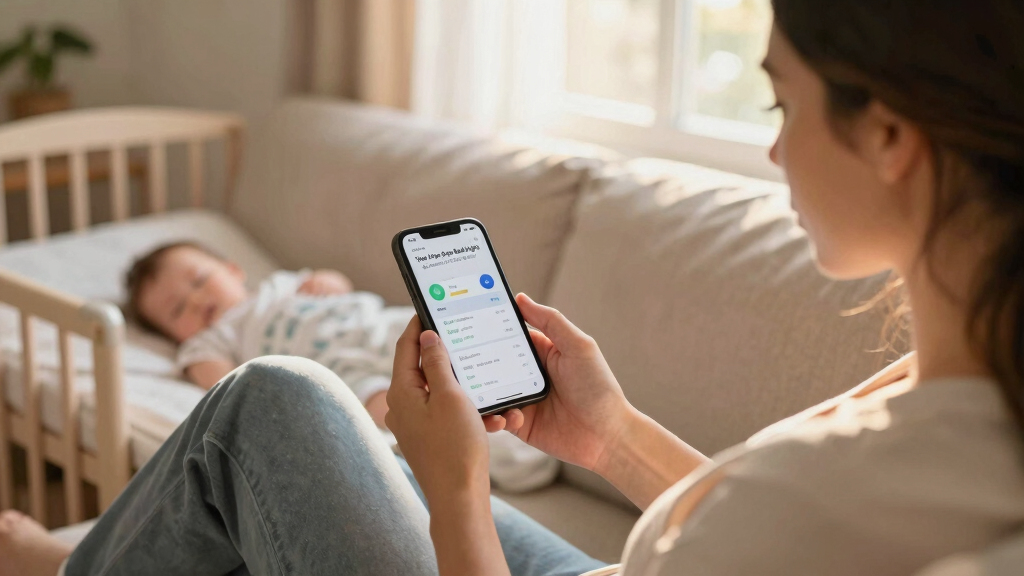
Imagine waking up to a notification: “Bad night detected” on your sleep app. You peek at the screen, your heart races. But then you notice your baby is peacefully sleeping, calm, and healthy. That disconnect can spark anxiety or doubt.
Understanding what sleep data really means helps you stay grounded. You’ll learn how to interpret these signals without panic, recognize their limits, and trust your gut. Sleep tech is a tool — not a crystal ball — and knowing how to read it calmly makes all the difference.
Focus on overall sleep patterns over single bad nights to avoid unnecessary stress.
Combine sleep app data with your baby’s behavior and health signs for a full picture.
Recent advances make sleep tracking more accurate, but data still needs cautious interpretation.
Don’t let app alerts override your parental intuition and knowledge of your baby.
Use sleep data as a helpful guide, not a definitive diagnosis or cause for panic.
What Does ‘Bad Night’ Actually Mean on Sleep Apps?
When your app flags a “bad night,” it’s usually based on metrics like sleep duration, interruptions, or movement. But these numbers aren’t a direct snapshot of your baby’s health.
For example, a baby might move a lot during sleep, triggering an alert, but still sleep peacefully. Sleep data is a collection of signals, not a diagnosis. It’s easy to interpret a night as bad when the app shows lots of activity, but in reality, your baby might have had a restful sleep—just with more tossing and turning.
Understanding what these metrics truly indicate helps you avoid unnecessary worry. For instance, frequent movements might be normal for your baby at certain developmental stages or during teething. Recognizing these nuances prevents overreaction and helps you interpret data within the context of your baby’s overall health and behavior.
It’s important to realize that these metrics are indicators, not definitive assessments. A night flagged as poor doesn’t necessarily mean something is wrong; it often reflects typical variability or temporary factors like environmental disturbances. Recognizing the tradeoff here is crucial: while more data can provide insights, it can also lead to false alarms if interpreted without context. Developing a deeper understanding of what these signals mean helps balance caution with reassurance.
As an affiliate, we earn on qualifying purchases.
How to Read Baby Sleep Data Without Panicking
- Focus on the overall trend. Look at multiple nights rather than one. This helps distinguish between normal variability and genuine issues. A single rough night can be due to many benign factors, but consistent patterns over time are more meaningful. This approach prevents overreacting to isolated incidents and encourages a more balanced view of your baby’s sleep health.
- Check for consistency. Is your baby generally sleeping well, with occasional hiccups? Recognizing patterns helps you understand whether a night’s data is an anomaly or part of a larger trend. This consistency check is vital because sporadic fluctuations are normal and often not indicative of problems, but persistent issues may warrant further attention.
- Combine data with your intuition. Does your baby look and act rested? Are they feeding normally and meeting developmental milestones? Data should support your observations, not replace them. Relying solely on numbers without considering your baby’s overall behavior can lead to unnecessary anxiety or complacency.
- Watch for other signs. Is your infant feeding well, gaining weight, and not showing signs of illness? These signs often outweigh minor fluctuations in sleep data, emphasizing the importance of holistic health monitoring. Ignoring these broader cues risks missing underlying issues that sleep data alone can’t reveal.
- Consult your pediatrician if you notice persistent issues or unusual patterns. Professional guidance can help interpret complex data and provide reassurance or intervention if needed. This step is critical because sleep data has limitations, and medical expertise ensures you’re making well-informed decisions.
For example, if your app shows a few rough nights but your baby wakes up happy, alert, and feeding normally, it’s likely just normal variability. Recognizing these signs helps you avoid unnecessary stress and focus on your baby’s overall well-being.
Remember: sleep data isn’t a medical diagnosis. It’s a helpful tool, not a crystal ball. Using it in conjunction with your knowledge and professional advice ensures a balanced approach to your baby’s health.
baby sleep monitor with data analysis
As an affiliate, we earn on qualifying purchases.
As an affiliate, we earn on qualifying purchases.
The Latest in Baby Sleep Tech: What’s New and Trustworthy
| Feature | What It Does | Why It Matters |
|---|---|---|
| AI-Powered Analytics | Uses machine learning to refine sleep pattern analysis, reducing false positives and offering more personalized insights. | This technology adapts to your baby’s typical sleep behaviors, helping to distinguish between normal variations and potential concerns, thus minimizing unnecessary worry. |
| Comfortable Sensors | Non-invasive, soft, crib-placed devices or wearables that monitor sleep without disturbing your baby. | Less intrusive sensors mean your baby’s sleep isn’t disrupted, leading to more accurate data and peace of mind for parents. |
| Data Privacy Measures | Encrypted data transmission and strict privacy policies that protect sensitive health information. | Ensuring your baby’s data is secure fosters trust in the technology and encourages consistent use, which is key to understanding sleep patterns over time. |
These technological advancements improve the reliability of sleep data, but it’s important to remember that no system is perfect. Always pair these tools with your personal observations and consult healthcare professionals when needed to make the best decisions for your baby.
As an affiliate, we earn on qualifying purchases.
Avoid the Stress Trap: Tips for Calmly Using Sleep Data
- Set a regular review schedule — weekly rather than nightly. This reduces the tendency to overreact to every fluctuation and helps you focus on broader trends. Consistent review intervals help prevent emotional knee-jerk reactions and promote a more measured understanding of your baby’s sleep patterns.
- Focus on patterns, not single-night anomalies. Recognizing normal variability prevents unnecessary worry and keeps you grounded in the reality of infant sleep behaviors. This perspective helps distinguish between temporary disruptions and meaningful issues, avoiding the trap of over-interpreting isolated data points.
- Remember: a few restless nights are normal, especially during growth spurts or teething. Understanding developmental stages helps contextualize sleep disruptions and reduces stress about short-term setbacks. This knowledge fosters patience and decreases the likelihood of panic over normal developmental behaviors.
- Trust your instincts. If your baby looks healthy, feeds well, and acts alert, minor app alerts shouldn’t override your judgment. Your intuition is often more reliable than data alone. Developing confidence in your observational skills complements technological insights and leads to better decision-making.
- Use the data as a conversation starter with your pediatrician, not a panic trigger. Framing concerns as questions can lead to reassurance and tailored advice, rather than unnecessary worry. This approach ensures you seek professional input when truly needed, rather than reacting to every alert.
For example, if your app shows a bad night but your baby is bright-eyed and playful the next day, it’s probably nothing to worry about. Recognizing the difference between data and reality is key to maintaining calm.
Staying calm and balanced helps you make better decisions and keeps your stress levels in check, fostering a healthier environment for both you and your baby.
As an affiliate, we earn on qualifying purchases.
What Parents Should Watch For Beyond the Data
Sleep data can’t capture everything. Pay attention to your baby’s overall health and behavior as the ultimate indicators of well-being.
Signs worth noting include:
- Consistent feeding and weight gain, which reflect proper nutrition and growth.
- Bright, alert demeanor when awake, indicating good development and energy levels.
- No signs of discomfort, such as persistent fussiness or unusual crying, which could signal underlying issues.
- Normal diaper outputs, suggesting hydration and digestion are functioning well.
- Happy, rested appearance during the day, implying restorative sleep even if recent nights seem rough.
If these signs are present, a rough night on the app probably isn’t cause for concern. Conversely, persistent issues or signs of illness should prompt consultation with your pediatrician, who can interpret the full clinical picture beyond sleep data.
Balancing data interpretation with holistic observation ensures you’re not overly fixated on numbers, which can sometimes mislead or cause unnecessary anxiety. Your intuitive assessment remains invaluable in safeguarding your baby’s health. Recognizing the importance of holistic observation emphasizes that sleep data is just one piece of a larger puzzle. It’s vital to consider your baby’s overall behavior, physical health, and developmental milestones. This comprehensive view helps prevent fixation on potentially misleading data and reduces anxiety caused by misinterpretation. The implication is that no single metric or app can replace a thorough understanding of your baby’s typical patterns and health signs. Trusting your instincts and keeping a broad perspective ensures you’re better equipped to notice genuine issues when they arise, rather than reacting to false alarms or incomplete data.
Frequently Asked Questions
Can sleep tracking apps replace a pediatrician’s advice?
No, they shouldn’t. Apps provide helpful insights, but they can’t replace professional medical guidance. Always consult your pediatrician if you’re worried about your baby’s health or sleep patterns.
What if the app shows my baby had a bad night, but my baby seems fine?
This is common. Apps can misinterpret movement or interruptions. Trust your observations and consider the overall trend before reacting.
How often should I review sleep data?
Weekly or bi-weekly reviews work best. Focus on long-term patterns rather than obsessing over nightly fluctuations to stay calm and informed.
Are there risks in relying too much on sleep data?
Yes. Over-reliance can cause anxiety and obsessive behaviors. Balance data with your intuition and regular health checks.
What features make sleep tech trustworthy?
Look for AI-driven analysis, non-invasive sensors, and strong privacy protections. These features improve accuracy and ease of use, but always interpret data with caution.
Conclusion
Sleep apps are tools, not oracles. When they flag a bad night, take a deep breath. Look at the bigger picture — your baby’s overall health, mood, and routine.
Trust your instincts, stay calm, and remember: a few rough nights don’t define your baby’s well-being. Your calm, steady presence matters most — the app’s data is just one piece of the puzzle.
Cold & flu season Picks
humidifiers
As an affiliate, we earn on qualifying purchases.