
TL;DR

Turn the school run and nap time into listening time
- Thousands of audiobooks, podcasts and originals
- Listen on your phone, tablet or Echo — also offline
- Cancel anytime
Soothing devices can help many sleep better, especially in noisy environments. However, over-reliance might turn them into sleep crutches. Using them mindfully within good sleep habits is key.
Moderate use of soothing devices improves sleep, but overuse can create dependency.
Signs of reliance include difficulty sleeping without the device and increased sleep anxiety.
Gradually reducing device use and pairing with natural routines helps build independent sleep habits.
Experts recommend combining soothing devices with good sleep hygiene for best results.
Awareness and mindful use prevent these gadgets from turning into sleep crutches.
Do Soothing Devices Become Sleep Crutches?
White noise machines, sleep apps, gentle lights, fans, and smart sleep tools can help people fall asleep faster, especially when the room is noisy or unfamiliar. The balance point is knowing when a device is a helpful bridge and when it becomes the only cue your brain trusts.
Use the device as a tool, not the signal your body needs permission to sleep.
Soothing devices create a steady sensory backdrop.
They can reduce environmental friction by masking unpredictable sound, softening bedtime anxiety, and helping the brain associate a consistent environment with rest.
White noise machines
Generate steady rain, fan, ocean, or static-like audio to mask disruptive background noise.
Sleep apps
Offer customizable soundscapes, timers, stories, or breathing tracks for bedtime routines.
Gentle light tools
Use dimming, sunrise, or circadian cues to shape sleep and wake timing more predictably.
Sleep trackers
Monitor patterns and provide feedback, though insights work best when paired with habits.
A sleep aid becomes a crutch when the external cue replaces internal cues.
The problem is not comfort. The problem is exclusivity: when the brain learns that sleep requires one exact sound, light, app, or device state.
Relief
The device helps block noise or settle tension at bedtime.
Routine
The cue becomes part of the nightly sleep sequence.
Expectation
The brain starts waiting for the cue before relaxing.
Anxiety
Travel, outages, or silence feel threatening to sleep.
Crutch
Sleeping unaided feels unusually difficult or unsafe.
Helpful, neutral, or too dependent?
Research and expert guidance point to moderate use as generally helpful, especially in noisy settings. The caution rises when the device becomes the sole sleep trigger.
The balanced-use zone
Aim for a setting where the device supports sleep without becoming mandatory. Timers, occasional device-free nights, and calming routines move you toward independence.
Compare the sleep-help profile before it becomes a habit trap.
The same device can be supportive or counterproductive depending on timing, emotional reliance, and whether it sits inside a broader sleep hygiene routine.
| Behavior | Balanced Use | Possible Crutch | What To Do |
|---|---|---|---|
| Using white noise in a loud apartment | ✓ Useful masking | ~ Risk rises if silence feels impossible | Use a timer and practice quiet nights occasionally. |
| Turning the device on all night, every night | ~ Acceptable short term | ✗ Conditioning risk | Reduce duration gradually instead of stopping abruptly. |
| Pairing sound with reading or breathing | ✓ Strong habit design | ~ Low risk if flexible | Keep the natural routine as the main signal. |
| Feeling anxious when the device is missing | ✗ Not ideal | ✗ Clear reliance sign | Practice small reductions and add relaxation skills. |
| Using a device during travel or disruption | ✓ Practical support | ~ Watch for exclusivity | Use it as one option, not the only plan. |
A healthier routine keeps the device in a supporting role.
The best strategy is not fear of sleep technology. It is flexible use that strengthens your body’s own bedtime signals.
Limit the cue
Set the sound or light to fade after sleep onset so the brain does not expect constant stimulation.
Build natural cues
Reading, stretching, breathing, and a consistent schedule teach the body to wind down without a single gadget.
Reduce gradually
Lower volume, shorten use, or choose a few device-free nights each week to rebuild sleep confidence.
From gadget support to independent sleep.
A simple progression can preserve the benefits while reducing dependency pressure.
Are soothing devices safe every night?
Usually, yes, but they work best as part of a broader routine rather than the only way you can fall asleep.
How do I know I am over-relying?
Difficulty sleeping without the device, panic when it turns off, or sleep anxiety during travel are important clues.
What helps reduce dependence?
Gradual volume reduction, shorter timer windows, device-free practice nights, and relaxation exercises all help.
What are good alternatives?
CBT-I, regular sleep timing, breathing practices, and calm pre-bed routines can strengthen natural sleep signals.
What Are Soothing Devices and How Do They Help Sleep?
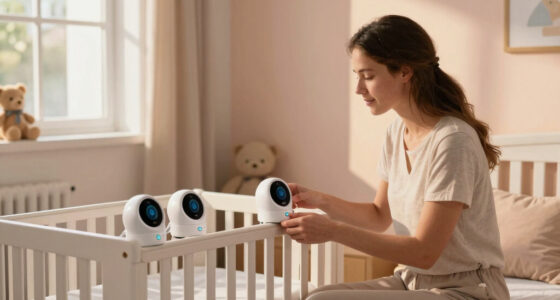
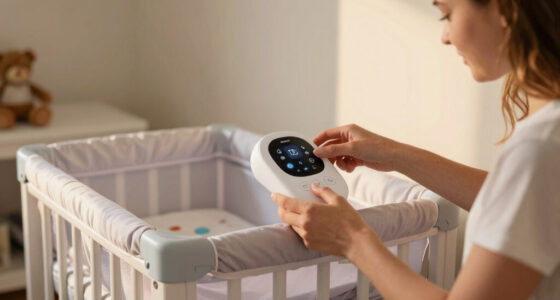
Soothing devices are gadgets that generate calming sounds, gentle lights, or other sensations to help you fall asleep. Think of a white noise machine that mimics a steady rainstorm or ocean waves — sounds that mask background noise and create a peaceful environment. These tools can be especially helpful if you live in a noisy city apartment or work irregular hours. They set the stage for sleep, making it easier to relax and drift off.
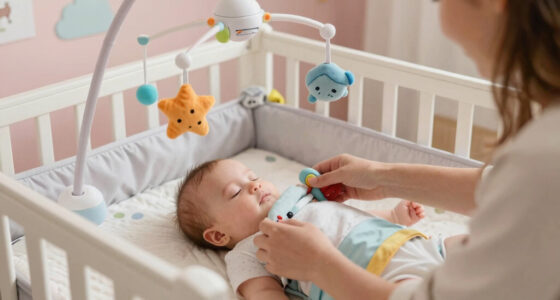
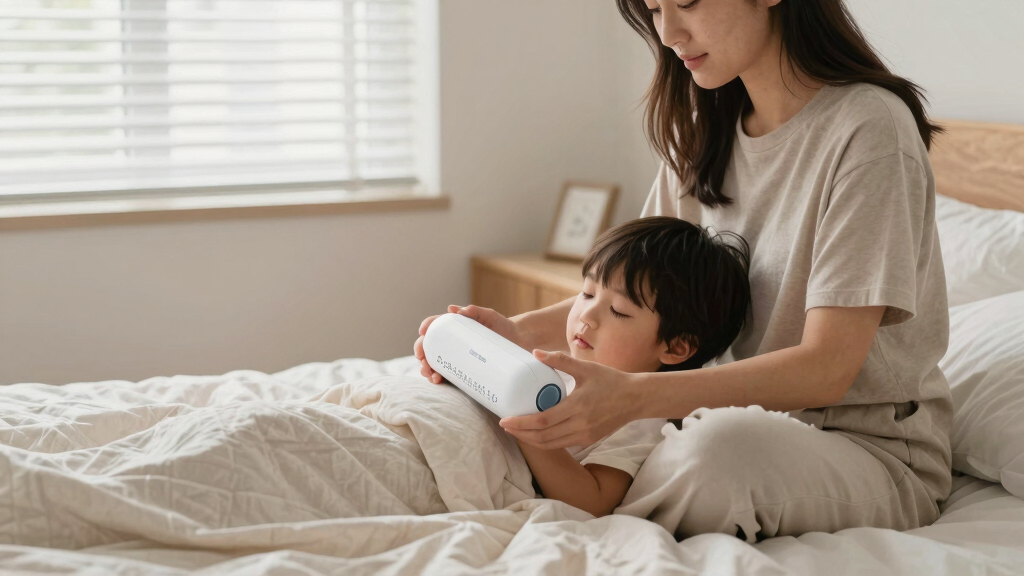
For example, a parent might use a sound machine in a child’s nursery, helping the little one settle into a deep sleep despite outside traffic. Adults, too, find comfort in the constant hum of a fan or rain sounds when trying to sleep in unfamiliar hotel rooms. These devices work by creating a consistent sensory backdrop, making your brain associate that environment with sleep. But like anything, moderation and purpose matter. When used thoughtfully, they can serve as a bridge to better sleep, especially when external environments are disruptive. However, over-reliance on them might hinder your ability to sleep naturally in the absence of their cues, which can be problematic if you need to travel or face power outages. Recognizing their role as aids rather than crutches is key to maintaining healthy sleep independence.
As an affiliate, we earn on qualifying purchases.
Are These Devices Making You Depend Too Much? Here’s How to Spot a Sleep Crutch
The quick answer: yes, soothing devices can become sleep crutches if you rely on them every night to fall asleep. A clear sign? If you find it almost impossible to sleep without your device or feel anxious when it’s not nearby, you might have developed a dependency. This reliance can subtly shift your sleep process, making external cues essential rather than supplementary. For instance, if you wake up in the middle of the night and feel panicked because the sound machine is off, it indicates your brain has come to associate sleep almost exclusively with that external stimulus. Over time, this dependency can weaken your internal sleep signals—like feeling sleepy or relaxed without external aids—leading to difficulty falling asleep naturally in unfamiliar settings or when the device isn’t available. Recognizing early signs of overdependence allows you to take proactive steps to preserve your natural sleep abilities, such as gradually reducing reliance or pairing device use with natural sleep cues like routines or relaxation techniques. This awareness helps prevent the development of a sleep crutch that could impair your ability to sleep independently when needed.
Understanding why dependency develops—often because the brain learns to associate sleep only with external cues—can inform better habits. When external stimuli become the primary signal for sleep, your internal cues weaken, making it harder to fall asleep naturally. Addressing this imbalance is crucial for maintaining healthy, autonomous sleep patterns.
As an affiliate, we earn on qualifying purchases.
How to Use Soothing Devices Without Becoming a Sleep Crutch
- Start gradually: Use your device for part of the night, then turn it off as you fall asleep. This helps your brain associate sleep with natural cues rather than solely external sounds or lights, fostering independence over time.
- Set a timer: Use devices with timers to limit exposure, preventing the brain from becoming conditioned to continuous stimuli. This practice encourages your sleep system to adapt and function without constant external input, reducing dependency.
- Build natural associations: Incorporate calming routines such as reading, gentle stretching, or deep breathing before bed. These activities reinforce internal cues for sleep, making external devices less necessary.
- Limit reliance: Aim to sleep a few nights each week without the device. This deliberate practice helps your brain strengthen its own sleep signals and reduces the risk of dependency.
- Be aware of your feelings: Notice if anxiety about not using the device increases. If so, take small steps to reduce dependence, perhaps by gradually decreasing device use or replacing it with relaxation techniques. Recognizing emotional responses early allows you to adjust your habits before reliance becomes entrenched.
For example, a parent might start by using white noise only during naps, then slowly phase it out at night, replacing it with calming routines like reading or meditation. Over time, this approach helps the brain learn to associate sleep with natural cues, reducing the need for external stimuli and supporting healthier sleep independence.
As an affiliate, we earn on qualifying purchases.
Frequently Asked Questions
Are soothing devices safe to use every night?
For most people, yes. But moderation is key. Overuse can lead to dependence, so it’s wise to use them as part of a broader sleep routine and not rely on them exclusively.Can I become psychologically dependent on these devices?
Yes, some individuals might find it hard to sleep without the device after long-term use. Recognizing this early can help you take steps to reduce reliance gradually, preserving your ability to sleep independently and reducing potential anxiety associated with sleep disruptions.How do I tell if I’m over-relying on my sleep device?
If you struggle to sleep without it or feel anxious when it’s not on, you may be dependent. Tracking your sleep patterns and feelings can help you spot these signs and adjust before reliance becomes problematic.What are good ways to reduce dependence on sleep devices?
Start by gradually turning off the device earlier each night, replacing its use with calming routines like meditation or reading, and focusing on strengthening your natural sleep signals. This process helps your body re-learn how to fall asleep naturally without external cues.Are there alternatives to relying on devices?
Absolutely. Techniques like cognitive behavioral therapy for insomnia (CBT-I), relaxation exercises, and maintaining a consistent sleep schedule can help your body learn to sleep naturally, reducing or eliminating dependence on external aids.As an affiliate, we earn on qualifying purchases.
Conclusion
A soothing device can be a helpful sleep partner—if you use it wisely. Think of it as a tool, not a crutch. Building natural sleep cues and gradually stepping away from external aids gives your body the chance to develop healthy, lasting sleep habits. Your best sleep comes when you trust your body to do its job—without always needing a little technological nudge.Fall Picks
fall essentials
As an affiliate, we earn on qualifying purchases.