
TL;DR

Turn the school run and nap time into listening time
- Thousands of audiobooks, podcasts and originals
- Listen on your phone, tablet or Echo — also offline
- Cancel anytime
Home baby scale accuracy depends on proper calibration, placement, and baby positioning. Regular maintenance and consistent routines ensure more reliable weight tracking for your little one.
Getting an accurate weight for your baby at home isn’t just about numbers. It’s about trusting those numbers—knowing they reflect your baby’s real growth and health. Many parents rely on digital or mechanical scales daily, but subtle factors can throw off those readings.
Understanding what influences your home weigh-ins helps you avoid false concerns or missed signs of growth issues. Let’s explore what makes a scale reliable and how you can fine-tune your routine for accurate results.
Place your scale on a flat, hard surface to prevent wobbling and inaccuracies.
Regularly calibrate your digital scale—every few months or if readings seem off.
Weigh your baby at the same time each day, ideally after feeding or a diaper change.
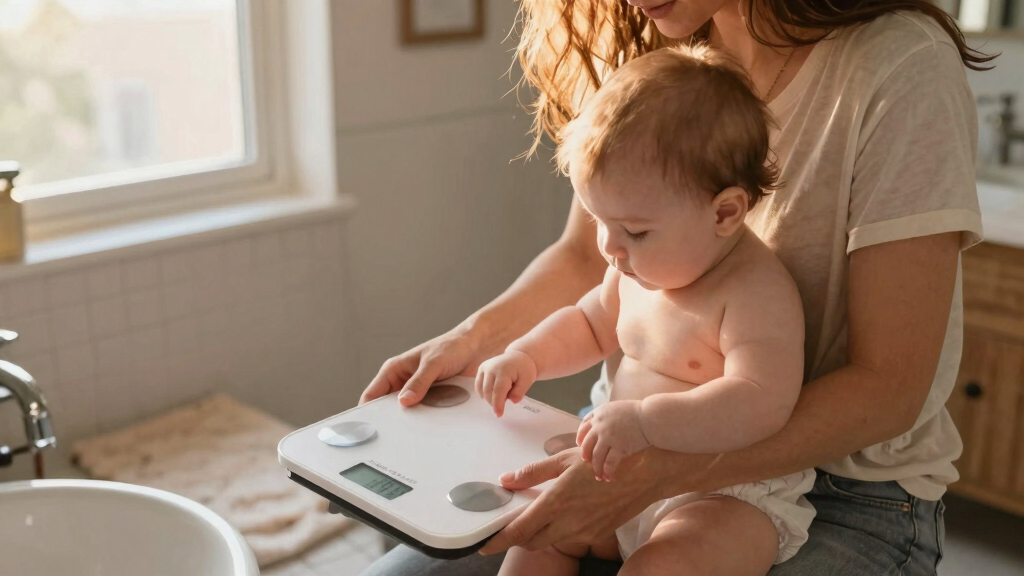
Keep your baby still and centered during each weigh-in for consistent results.
Invest in a digital or smart scale with good reviews for the most reliable home measurements.
Baby Scale Accuracy: What Affects Home Weigh-Ins
Trustworthy tracking comes from more than owning a precise scale. Calibration, surface, positioning, timing and repeatable habits all determine whether a reading reflects real growth—or everyday measurement noise.
Six factors shape every reading
Control the variables you can. A consistent process makes changes over time more meaningful than any single isolated number.
Digital detects smaller changes
Digital sensors usually provide finer increments and more consistent readings than spring-based mechanical systems.
Drift changes the baseline
Test with a known weight and follow the manufacturer’s recalibration instructions every few months.
Hard and level wins
Tile or wood supports the scale evenly. Carpet and thick rugs can flex, wobble and distort the result.
Center the baby
Place your baby in the middle of the platform so the load is distributed as the scale was designed to measure it.
Wait for a stable number
Wriggling creates rapid fluctuations. A few calm seconds can separate true weight from movement noise.
Compare like with like
Use the same point in the daily routine, with similar feeding and diaper conditions, for a steadier baseline.
A five-step home weigh-in
Repeat this sequence in the same order. Consistency reduces avoidable variation and produces a cleaner growth trend.
Choose a hard surface
Keep the scale level and stable.
Zero or tare
Reset before adding your baby.
Center carefully
Distribute weight on the platform.
Pause for stillness
Wait until the reading settles.
Log the trend
Record context, date and time.
The most useful home data is repeatable data. Focus on the direction over days and weeks rather than reacting to one reading.
What “accurate” really means
An accuracy specification describes the possible margin around a displayed reading. A tighter margin makes small changes easier to distinguish from device error.
Typical stated error range
Relative comparison of common home scale categories.
Consistency checklist
Four controls that make repeat readings easier to interpret.
Which home scale fits best?
Smart scales offer convenient tracking, while a well-reviewed basic digital model can still provide a strong balance of precision and simplicity.
| Feature | Basic digital | Smart digital | Mechanical |
|---|---|---|---|
| Typical accuracy | ±10 grams | ±5 grams | ±20 grams |
| Ease of use | High | Very high | Moderate |
| Automatic tracking | No | App connected | No |
| Calibration | Periodic check | Periodic check | Often manual |
| Portability | Good | Excellent | Fair |
| Best for | Simple routine tracking | Charts and data sharing | Basic, battery-free use |
Common mistakes that skew results
Unexpected jumps do not always represent real weight change. Check the measurement conditions before drawing conclusions.
Scale placed on carpet
Soft flooring can compress unevenly and prevent the scale from sitting securely.
Baby moving continuously
Motion shifts force across the sensors and may cause the displayed value to fluctuate.
Skipping zero or tare
A blanket, liner or residual reading can become part of the recorded weight.
Irregular timing
Feeding, fluids, clothing and diaper changes introduce normal short-term variation.
Off-center positioning
Uneven loading can affect a reading, particularly on a small or flexible platform.
Ignoring calibration drift
Test with a known weight when repeated readings suddenly become inconsistent.
Home baby scale accuracy depends on proper calibration, firm placement, centered positioning and a consistent routine. Use repeat readings to understand trends—and treat unexpected results as a prompt to verify the setup.
Home tracking supports care; it does not replace professional assessment.
Contact your pediatrician or qualified healthcare professional if you are concerned about feeding, growth, weight loss or a sudden change. Bring your logged readings and measurement routine for context.
Why Your Baby Scale’s Type Matters for Accuracy
Digital scales generally give more consistent, precise readings than mechanical ones. They tend to measure to the nearest gram, making small changes easier to spot. Mechanical scales, although sturdy, may drift over time or need recalibration more often.
For example, a digital scale with a flat, sturdy platform can detect a tiny 10-gram difference—like the weight of a small apple—helping you track your baby’s growth more reliably.
Choosing the right type isn’t just about convenience; it’s about trusting your measurements to reflect reality.
digital baby scale with calibration
As an affiliate, we earn on qualifying purchases.
As an affiliate, we earn on qualifying purchases.
How Placement and Surface Impact Your Baby Scale Accuracy
The surface you place your scale on can make or break your readings. Use it on a firm, flat surface—preferably a hard floor like tile or wood. Soft surfaces like carpet or thick rugs cause wobbling and skew the weight.
Imagine weighing your baby on a plush carpet—your readings could be off by several hundred grams. To avoid that, always set the scale on a sturdy, level spot before weighing.
Consistency in placement is key to tracking growth trends accurately. When you use the same spot each time, it reduces variables that can distort readings, giving you a clearer picture of your baby’s progress over time.
As an affiliate, we earn on qualifying purchases.
The Critical Role of Baby Positioning and Stillness
Place your baby carefully on the center of the scale, making sure they’re still and calm. Movement during weighing causes fluctuations that can skew the reading. For instance, a wriggly baby might show a different weight each time you check.
Gently settling your baby—perhaps after a diaper change or feeding—and encouraging stillness minimizes these fluctuations. Even a few seconds of calm helps ensure the measurement reflects true weight rather than movement-induced errors.
This small step is vital because inconsistent positioning or movement can lead to misinterpreting your baby’s growth patterns. Reliable readings depend on controlling these variables, so you can confidently track weight changes over days and weeks.
As an affiliate, we earn on qualifying purchases.
Timing and Routine: Why Consistency Matters
Weigh your baby at the same time daily—preferably after a feeding or diaper change. Fluctuations happen naturally—your baby might weigh slightly more after a meal. Keeping the timing consistent minimizes these variations.
For example, weighing right after breakfast every morning helps you see real growth trends, not just daily fluctuations caused by recent feeding or fluid retention.
Establishing a routine isn’t just about convenience; it’s about creating a stable baseline for comparison. Over time, this consistency allows you to distinguish genuine growth patterns from normal daily weight variations, making your tracking more meaningful and less stressful.
As an affiliate, we earn on qualifying purchases.
What Recent Tech Is Changing How Accurate Home Weigh-Ins Are
Smart baby scales with Bluetooth or Wi-Fi are becoming popular. They connect to your phone, automatically tracking weights over time. These devices often feature sensors that measure to the nearest gram, improving precision.
One example: a scale that logs every weigh-in, showing growth charts right on your device. This makes spotting slow or sudden changes easier than ever. The ability to analyze long-term data helps you better understand your baby’s growth trajectory, identify potential concerns early, and share accurate information with your pediatrician.
Plus, some models include tare functions and auto-zeroing, reducing user error and boosting reliability. These features are particularly helpful for busy parents who want accurate data without hassle.
What Does ‘Accurate’ Really Mean for Baby Scales?
Most high-quality digital baby scales boast an accuracy of ±10 grams. That tiny margin is vital because even small measurement errors can lead to misinterpretation of your baby’s growth. For example, a 10-gram discrepancy might seem minor, but over time, consistent small errors can obscure true growth trends or suggest false concerns.
Understanding this helps you interpret your data more wisely. If your scale’s accuracy margin is larger—say 50 grams—you might miss subtle but important changes, especially in the first few months when weight gain is rapid and precise tracking is essential. Choosing a scale with a tight margin of error ensures you’re getting the most reliable picture of your baby’s development, reducing the risk of over- or under-reacting to fluctuations that are within the device’s error range.
This understanding also means you can better gauge the significance of small weight changes, focusing on meaningful trends rather than noise.
How Often Should You Calibrate Your Baby Scale?
Calibration keeps your scale honest. For digital scales, check the manufacturer’s instructions—most recommend every few months or if you notice inconsistent readings. Mechanical scales might need more frequent recalibration or adjustment.
Imagine weighing your baby, then noticing a sudden 300-gram difference later. That could be a calibration issue, especially if the scale hasn’t been checked recently. Regularly testing the scale with a known weight or calibration object helps confirm accuracy. For example, using a standard weight like a calibration weight or a bag of rice with a known mass can reveal if the scale is drifting.
Neglecting calibration can lead to misleading data, causing unnecessary concern or missed growth issues. Regular calibration acts as a safeguard, ensuring your measurements remain trustworthy over time.
Common Mistakes That Skew Your Baby’s Weight
Some mistakes are easy to make but can throw off your readings. These include weighing on uneven surfaces, not centering the baby, or weighing at irregular times.
For instance, placing the scale on a soft patch of carpet or forgetting to zero the scale before weighing can create inaccuracies. These errors may seem small but can accumulate, leading to inconsistent data that complicates tracking your baby’s growth. Over time, such inaccuracies might cause unnecessary concern or misinterpretation of developmental progress.
Being mindful of these small details matters because they directly impact the reliability of your measurements. By avoiding common pitfalls, you ensure your data truly reflects your baby’s weight, giving you confidence in your tracking routine.
Comparison: Home Baby Scales — Which One Wins?
| Feature | Basic Digital | Smart Digital | Mechanical |
|---|---|---|---|
| Accuracy | ±10 grams | ±5 grams, app connected | ±20 grams, needs manual calibration |
| Ease of Use | High | Very high | Moderate |
| Connectivity | No | Yes | No |
| Portability | Good | Excellent | Fair |
For most parents, a digital scale with good reviews and connectivity offers the best balance of accuracy and convenience. Mechanical scales are reliable but require more maintenance and calibration. When selecting a scale, consider how important features like data tracking, ease of use, and maintenance are for your routine. Weighing these tradeoffs helps you choose a device that best fits your needs and ensures consistent, accurate measurements over time.
Frequently Asked Questions
How often should I recalibrate my baby scale?
Most scales should be checked every few months, or if you notice inconsistent readings. Follow the manufacturer’s instructions for calibration, or use a known weight to test accuracy.
Can I rely on home scales for medical decisions?
Home scales help track growth trends but should never replace regular checkups with your pediatrician. Use them as a tool for monitoring, not diagnosing.
What’s the best type of baby scale for home use?
Digital scales with good reviews, easy calibration, and optional connectivity features tend to be most reliable and user-friendly for daily tracking.
How do I get the most accurate reading each time?
Place the scale on a flat surface, weigh your baby at consistent times, keep them still and centered, and regularly calibrate your device.
Are smart baby scales worth the extra cost?
They’re helpful for tracking long-term growth patterns and sharing data with health providers but aren’t essential. Basic digital scales work well for most parents.
Conclusion
Getting true, reliable weight readings at home isn’t about fancy gadgets alone. It’s about small, consistent routines—placing the scale carefully, checking it regularly, and weighing at the same time daily. These simple steps turn your home scale into a trustworthy tool for tracking your baby’s growth.
Remember, no scale is perfect, but knowing what influences accuracy helps you see your baby’s progress clearly—and confidently. Every gram counts when it comes to your little one’s health.
Cold & flu season Picks
humidifiers
As an affiliate, we earn on qualifying purchases.