

TL;DR
In the second quarter of 2026, the GNU Hurd project announced the release of its first stable version, a milestone after over two decades of development. The update aims to revive interest in the operating system and expand its adoption.
The GNU Hurd project announced the release of its first stable version in June 2026, ending over 20 years of development and signaling a potential revival for the long-in-progress operating system.
The release, officially named Hurd 1.0, was confirmed by the GNU Project’s spokesperson, who stated that the new version has undergone extensive testing and stability improvements. This milestone has been anticipated since the project’s inception in the early 2000s, with the goal of creating a fully functional, libre alternative to proprietary Unix-like systems.
Developers involved in the project described the release as a ‘significant achievement’ and expressed hope that it would attract new users and contributors. The update includes enhancements in kernel stability, device driver support, and user-space tools, aiming to make the system more accessible and practical for everyday use.
Implications for Open-Source Operating Systems
This milestone is significant because it demonstrates that a complex, Unix-like operating system built entirely on free software principles can reach stability and usability levels comparable to established systems. It could influence the future of open-source OS development and inspire other projects to pursue similar goals.
While the release is primarily aimed at developers and enthusiasts, it also raises the possibility of broader adoption in academic, hobbyist, and niche enterprise environments. The release could challenge proprietary systems by offering a fully libre alternative with no licensing costs.
As an affiliate, we earn on qualifying purchases.
Background of the GNU Hurd Development Timeline
The GNU Hurd project was launched in 1990 as part of the GNU Project, with the vision of creating a completely free and open-source Unix-like operating system kernel. Over the years, progress was slow, hampered by technical challenges and limited resources. Despite numerous updates and patches, a stable, production-ready release was never achieved until now.
Prior to this milestone, the project was considered largely experimental, with some developers expressing skepticism about its viability. The release in 2026-Q2 marks a turning point, driven by renewed community effort, modern hardware support, and increased interest in free software alternatives.
“This release signifies a major step forward for the GNU Project and the free software movement. It demonstrates that our vision of a fully free, Unix-like operating system is achievable.”
— Richard Stallman, GNU Founder

Producing Open Source Software: How to Run a Successful Free Software Project
- Book Condition: Used, Good Condition
As an affiliate, we earn on qualifying purchases.
As an affiliate, we earn on qualifying purchases.
Remaining Technical and Adoption Challenges
While the release marks a major milestone, it remains unclear how widely Hurd will be adopted outside of niche communities. The system’s hardware compatibility, user-friendliness, and software ecosystem still face significant hurdles, and ongoing development is needed to address these issues.
Additionally, some industry analysts question whether the project can sustain momentum without increased funding or corporate backing, which has historically been limited.
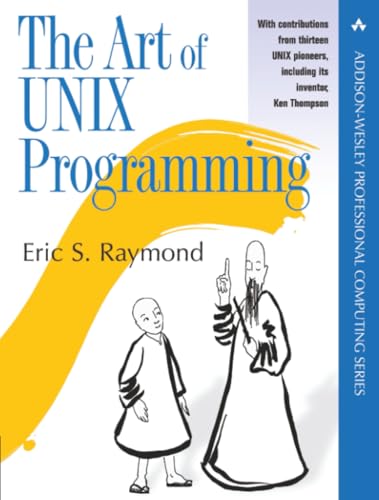
The Art of UNIX Programming (The Addison-Wesley Professional Computng Series)
As an affiliate, we earn on qualifying purchases.
As an affiliate, we earn on qualifying purchases.
Next Steps for GNU Hurd Development and Outreach
Developers plan to focus on improving hardware support, expanding documentation, and fostering a broader user community. A series of workshops and outreach events are scheduled for the latter half of 2026 to attract new contributors. Future releases are expected to include further stability improvements and new features based on community feedback.
Moreover, discussions are underway within the GNU community regarding potential collaborations with academic institutions and open-source organizations to accelerate adoption and development.

The Design of the UNIX Operating System
As an affiliate, we earn on qualifying purchases.
As an affiliate, we earn on qualifying purchases.
Key Questions
What is GNU Hurd?
GNU Hurd is a free, Unix-like operating system kernel developed as part of the GNU Project, aiming to provide a fully libre alternative to proprietary systems.
Why is the 2026-Q2 release important?
It is the first stable release after over 20 years of development, marking a significant technical and symbolic milestone for the project and the free software movement.
Will GNU Hurd replace existing operating systems?
Currently, it is primarily aimed at developers and enthusiasts; widespread adoption remains uncertain and will depend on future improvements and community support.
What are the main challenges facing GNU Hurd now?
Hardware compatibility, software ecosystem development, and increasing user-friendliness are key hurdles that need to be addressed for broader adoption.
What are the next steps for the project?
Focus areas include improving hardware support, expanding documentation, community outreach, and preparing for subsequent releases with new features and stability enhancements.
Source: hn