TL;DR

Turn the school run and nap time into listening time
- Thousands of audiobooks, podcasts and originals
- Listen on your phone, tablet or Echo — also offline
- Cancel anytime
Sock monitors track vital signs through embedded sensors, but skin dryness and sweat can disrupt readings. Using gentle lotions and proper skin prep helps sensors stick and work accurately, especially during long nights. Small adjustments make a big difference in reliable data and comfort.
Ever wrestled with a sock sensor that keeps falling off during the night? Or wondered why your child’s sleep data looks fuzzy or inconsistent? The secret often lies in the tiny details—like how well the sensor sticks and what’s on their skin.
In this guide, you’ll learn how sock monitors work, why skin prep matters, and practical tips to keep sensors reading through lotion nights and beyond. Because when it comes to health tech, a little prep can mean the difference between clear data and frustrating guesswork.
Proper skin prep, including gentle cleaning and lotion, can boost sensor adhesion by up to 30%.
Select hypoallergenic, fragrance-free lotions designed for sensitive skin to avoid irritation.
Troubleshooting adhesion issues quickly prevents data gaps and false alarms.
Balance comfort and snug fit—tighter isn’t always better for sensor stability.
Develop a routine of skin cleaning and sensor inspection to ensure reliable long-term monitoring.
What Are Sock Monitors and Why Do They Matter?
Sock monitors are wearable sensors embedded in or attached to socks that track vital signs—think heart rate, blood flow, or movement. They’re like tiny health detectives hiding in your child’s sock, providing valuable insights during sleep or activity.
Imagine a sock that whispers what’s happening inside the body while your child sleeps—alerting you if something’s off or helping a doctor fine-tune treatment. These devices are increasingly common in pediatric health, sleep studies, and even physical therapy.
The key is consistent, accurate readings. If the sensors slip or get blocked by sweat or skin dryness, the data becomes unreliable. That’s where proper skin prep and a little lotion magic come into play.
As an affiliate, we earn on qualifying purchases.
How Moisture and Skin Dryness Sabotage Sensor Readings
Sock monitors rely on good contact with the skin. When skin is dry or sweaty, sensors can lose grip or produce noisy data. Think of trying to stick a Post-it on a greasy window—nothing sticks well.
Moisture from sweat or natural skin oils can create a barrier that prevents sensors from maintaining proper contact, leading to inconsistent readings or false alarms. Conversely, dry skin can cause adhesives or sensors to lose grip because they can’t bond well without sufficient moisture or oils. This interplay affects data accuracy, making it difficult to detect true physiological changes.
For example, a parent noticed her child’s sleep data became patchy after a cold night when their skin was dry. Applying a gentle, fragrance-free lotion before bed helped the sensors stay put and the data stay clear. This illustrates how skin condition directly impacts sensor reliability and why managing moisture balance is crucial for trustworthy monitoring.
hypoallergenic lotion for sensor adhesion
As an affiliate, we earn on qualifying purchases.
As an affiliate, we earn on qualifying purchases.
Lotion Nights: The Secret Weapon for Better Sensor Readings
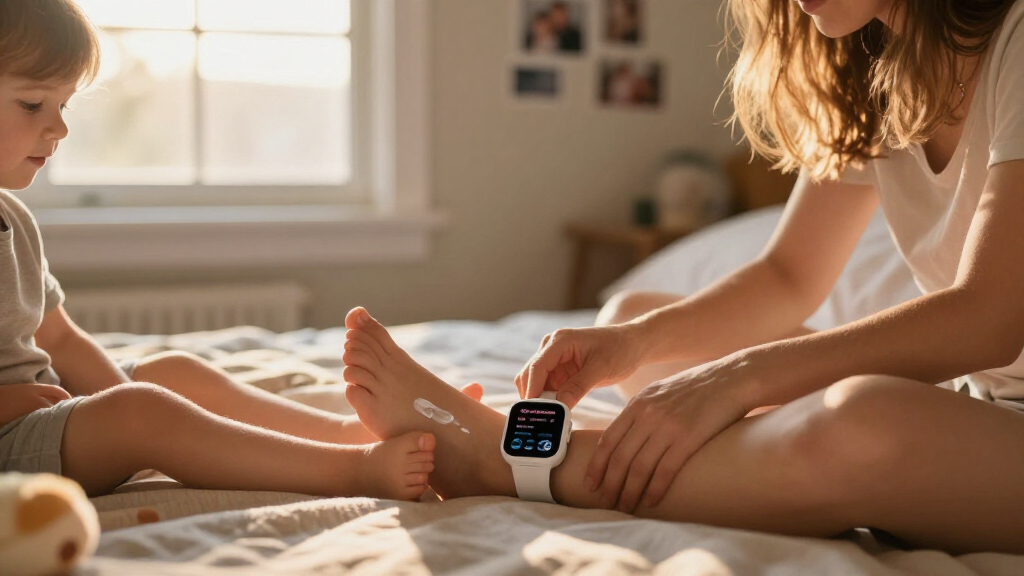
Using the right lotion can turn a flaky, unreliable sensor session into a smooth, accurate one. Think of lotion as the glue that helps sensors cling through sweat, movement, and sleep tossing and turning.
Applying lotion creates a thin, protective film that enhances the adhesive’s grip and allows for better conduction of signals. This means less slipping and more consistent data, especially during restless nights. However, choosing the wrong lotion—such as one with fragrances, alcohol, or heavy oils—can cause irritation or interfere with sensor readings, defeating the purpose. The tradeoff is between ease of application and skin compatibility; hypoallergenic, fragrance-free lotions tend to offer the best balance.
Here’s how to do it:
- Clean the skin with a gentle wipe or lukewarm water—no harsh soaps.
- Apply a small amount of lotion, focusing on the sensor contact points, to improve adhesion and signal conduction.
- Wait a minute for it to absorb slightly—no greasy residue, which can cause slipping.
- Put on the sock gently, ensuring sensors are snug but not tight, maintaining comfort and contact.
This simple routine can significantly reduce sensor slippage and false readings, making overnight monitoring more reliable and less stressful for caregivers and children.
As an affiliate, we earn on qualifying purchases.
Choosing the Right Lotion and Skin Prep for Sock Monitors
Not all lotions are created equal when it comes to sensor adhesion. You want something that’s gentle, non-greasy, and free of fragrances or alcohol—ingredients that can irritate skin or interfere with sensors.
Look for products labeled ‘hypoallergenic’ and ‘dermatologist-tested.’ Some brands even make lotions specifically designed for medical monitoring or wearable tech, which often include ingredients that promote adhesion without compromising skin health.
For example, a parent chose a fragrance-free, water-based moisturizer that’s safe for sensitive skin. It kept her child’s sensors in place and avoided skin irritation during a week-long sleep study. The key is understanding that the right product not only improves adhesion but also minimizes skin reactions, especially with prolonged use.
Remember, always check for any recalls or skin reactions. If your child has sensitive skin or allergies, consult your pediatrician before trying new products to prevent adverse effects that could compromise both comfort and data accuracy.
As an affiliate, we earn on qualifying purchases.
Troubleshooting Sensor Adhesion and Reading Issues
If your sensors keep slipping or data looks fuzzy, don’t panic. Here are some quick fixes that also help you understand underlying issues:
- Re-clean the skin with a gentle wipe, removing oils and sweat that can create a barrier.
- Reapply a thin layer of lotion or skin adhesive recommended for sensors, ensuring a better bond.
- Check if the sensors or socks are worn out or damaged—worn sensors may lose their stickiness or signal quality and should be replaced.
- Ensure the sock fits snugly but isn’t too tight, which can cause discomfort and slippage, or too loose, which reduces contact.
- If sweating is intense, consider a light dusting of baby powder (unscented) before applying the sensor to absorb excess moisture and improve adhesion.
Sometimes, these small adjustments can prevent data gaps and false alarms, providing a clearer picture of your child’s health. Recognizing that adhesion issues often stem from skin condition, product wear, or fit helps you troubleshoot more effectively.
Comparing Sensor Adhesion Methods: Which Works Best?
| Method | Pros | Cons |
|---|---|---|
| Skin cleaning + lotion | Improves grip, easy, inexpensive, allows customization based on skin condition | Requires prep time, reapplication may be needed if skin becomes oily or dry |
| Adhesive patches | Strong hold, simple application, often designed specifically for sensors | Potential skin irritation, less breathable, may cause discomfort with prolonged use |
| Silicone-based gels | Flexible, gentle on sensitive skin, can improve adhesion for problematic areas | More expensive, requires careful removal, may leave residue |
| None (just socks) | Least intrusive, quick, minimal preparation | Unreliable, high chance of slipping, especially during active sleep |
Choosing the best method depends on balancing ease, skin sensitivity, and the need for reliable data. Often, a combination—such as cleaning the skin and applying a gentle lotion—strikes the right balance, offering enough adhesion without risking skin irritation or discomfort. Recognizing the tradeoffs helps caregivers make informed choices tailored to their child’s needs and skin condition.
Comfort Tips to Keep Sensors Reading All Night
Comfort isn’t just about the sock’s fit—it’s about the whole bedtime routine. A restless kid can dislodge sensors, so a few comfort hacks help keep everything in place.
Try these:
- Use soft, breathable socks made of cotton or bamboo fibers that reduce sweating and skin irritation.
- Ensure sensors aren’t too tight—snug is good, tight can cause discomfort and slippage, leading to a cycle of adjustments.
- Keep the room cool and dark—optimal sleep environments reduce sweating and discomfort, which can dislodge sensors.
- Involve your child in the process—if they understand the sensors are helping them stay healthy, they might be more cooperative, reducing movement that displaces sensors.
Imagine a peaceful night with sensors that stay put—reducing the need for waking and reapplication, and ensuring consistent data collection that truly reflects your child’s sleep quality.
Long-Term Monitoring: Making Sensors Last Night After Night
Keeping sensors reading reliably over days or weeks demands more than just nightly lotion. It’s about routine, maintenance, and skin health—factors that influence both comfort and data accuracy over time.
Here are key points:
- Regularly inspect sensors for wear and tear—replace if the adhesive or sensor gets damaged or loses effectiveness.
- Clean the skin daily with a gentle wipe before reapplying lotion and sensors to remove oils, sweat, and debris that can interfere with adhesion.
- Allow skin to breathe between sensor days—prolonged wear can cause irritation, so follow manufacturer guidelines for duration of use.
- Use skin barrier wipes if your child’s skin is prone to irritation or excessive dryness, which can compromise both comfort and adhesion.
Adopting these routines helps maintain skin integrity, reduces irritation, and ensures sensors continue to provide accurate data night after night, making long-term monitoring practical and less stressful for caregivers and children alike.
Frequently Asked Questions
Can any lotion be used for sensor adhesion?
No, stick to hypoallergenic, fragrance-free moisturizers designed for sensitive skin. Avoid greasy or heavily perfumed products that can interfere with sensors.How often should I reapply lotion or clean the skin?
It’s best to clean the skin daily with a gentle wipe before sensor application. Reapply lotion as needed, especially if you notice sensors slipping or data becoming inconsistent.Are there any risks in using lotion with sensors?
When choosing the right lotion, stick to products safe for skin and free of irritants. Always monitor your child’s skin for irritation or allergic reactions—consult your pediatrician if unsure.Can sensors stay on all night without lotion?
It’s possible, but moisture and dryness can cause slipping or poor data. Using lotion or skin prep helps sensors stay in place and produce reliable readings.What if my child has very sensitive skin or allergies?
Choose dermatologist-tested, hypoallergenic products and perform a patch test first. Consult your pediatrician if you’re unsure about specific lotions or adhesives.Conclusion
Keeping sensors reading during long nights isn’t magic—it’s about small, consistent habits. The right skin prep, a gentle lotion, and a cozy sleep environment make all the difference.
Next time you’re about to settle in, remember: a little lotion and some patience turn a flaky sensor into a trustworthy health partner. That peaceful, uninterrupted sleep? It’s closer than you think.
Cold & flu season Picks
humidifiers
As an affiliate, we earn on qualifying purchases.