
TL;DR

Turn the school run and nap time into listening time
- Thousands of audiobooks, podcasts and originals
- Listen on your phone, tablet or Echo — also offline
- Cancel anytime
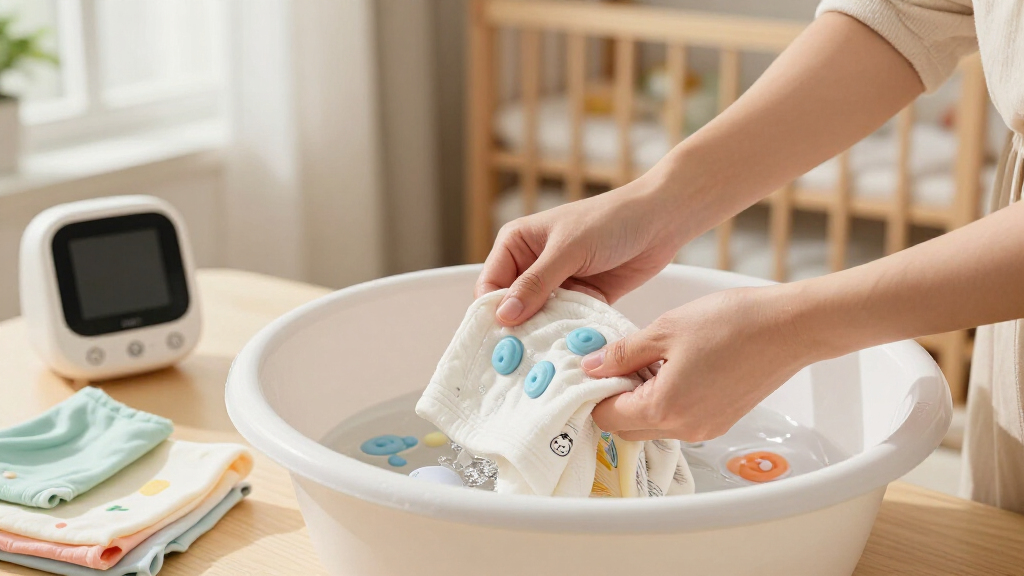
Baby wearables include sensors and smart fabrics that need gentle handling. Removing electronics before washing, using mild methods, and air drying extend their life and accuracy.
There’s something almost magical about baby wearables—tiny socks, bands, or onesies that track breathing, temperature, or movements. But as useful as they are, these smart gadgets aren’t like regular baby clothes. If you want them to keep working, you need to handle their care differently.
This guide breaks down how to wash those delicate sensors and fabrics without damaging them. From understanding what can go in the laundry to drying tips that keep electronics safe, you’ll find practical advice rooted in real-world use. Because let’s face it—at 3 a.m., the last thing you want is a sensor that stops working just when you need it most.
Always remove sensors and batteries before washing unless the product is explicitly labeled as machine-washable with electronics installed.
Use cold or lukewarm water, a gentle cycle, and mild detergent—skip bleach and fabric softeners to protect sensor and fabric integrity.
Air dry flat or hang the wearable, avoiding direct heat sources. Do not tumble dry unless approved by the manufacturer.
Inspect wearables after each wash for damage, corrosion, or loose parts before reusing.
Follow manufacturer instructions carefully—washing guidelines and cycle recommendations vary by product.
Washing Baby Wearables: Sensors, Fabrics and Drying
Smart socks, breathing bands and sensor-equipped onesies combine laundry-sensitive electronics with fabrics that must maintain fit and skin contact. Gentle washing protects more than appearance—it helps preserve reliable readings.
Remove the sensor, battery and charging module unless the maker explicitly permits installed washing.
Reconnect or charge only after the fabric and every contact are completely dry.
Separate the system before water touches it
“Waterproof” or an IP rating may cover splashes, but laundry also introduces detergent, immersion, agitation and spin forces. The current care label and manufacturer instructions are always decisive.
Sock, band or garment
Usually the washable component. Check seams, printed circuits, silicone elements and the fabric label before selecting a method.
Sensor, battery or transmitter
Optical sensors, Bluetooth transmitters, batteries and charging contacts should normally stay dry and outside the machine.
Bonded or embedded technology
Textile electrodes, pressure sensors and conductive traces may be built in. Avoid assumptions: these designs can require hand washing or spot cleaning.
Seven moves, one gentle cycle
Each step reduces a different threat: moisture intrusion, snagging, abrasion, chemical residue, heat distortion or a missed defect after cleaning.
Disconnect
Remove sensors, batteries and charging modules.
Fasten
Close zippers and hook-and-loop tabs to prevent snags.
Protect
Turn inside out; place small pieces in a mesh bag.
Wash cool
Use cool or lukewarm water and a gentle cycle.
Keep mild
Use fragrance-free detergent; skip harsh additives.
Air dry
Reshape, then dry flat or hang away from heat.
Inspect
Check fit, contacts, surfaces and signal stability.
Different layers fail in different ways
Cotton may shrink, elastane may lose recovery, adhesives may soften and conductive fibers may lose performance. A mild wash must protect the weakest component in the system.
| Material or component | Typical wash response | Main vulnerability | Safest general approach | Direct heat |
|---|---|---|---|---|
| Cotton | ✓ Relatively tolerant | Shrinkage and altered fit in hot water | Cool wash; reshape before drying | ~ Limit |
| Polyester or nylon | ✓ Often washable | Residue, abrasion and bonded-detail damage | Gentle cycle inside a mesh bag | ~ Avoid high heat |
| Elastane or bonded seams | ~ Heat sensitive | Stretch loss, warping and delamination | Cool water; no wringing; air dry | ✗ High risk |
| Conductive yarn or printed trace | ~ Chemistry sensitive | Bleach, softener, alkaline detergent and friction | Mild detergent; minimal abrasion | ✗ Avoid |
| Removable electronics | ✗ Normally not washable | Corrosion, short circuits and calibration loss | Remove before washing; keep dry | ✗ Never improvise |
The quiet enemies: heat, chemistry and friction
Repeated harsh care can gradually change conductivity, elasticity, alignment and skin contact—even when the wearable still looks intact.
Relative care risk
Qualitative comparison based on the known vulnerabilities of technical fabrics; it is not a laboratory score for a specific product.
Fresh stain protocol
Rinse milk, formula, spit-up, urine or stool with cool water.
Apply a small amount of compatible mild detergent.
Blot gently; do not scrub sensor-contact areas aggressively.
Rinse fully and air dry before inspecting the wearable.
Dry fabric. Clean contacts. Stable signal.
Moisture trapped near contacts can cause corrosion or short circuits. Heat can distort elastic, adhesives, encapsulation and conductive traces. Drying is part of the electronics-care routine.
Reshape the wearable and dry it flat or hang it in a well-ventilated space.
Avoid radiators, strong sunlight, tumble dryers, irons, hair dryers and heated cabinets unless the label explicitly approves them.
Do not reinstall or charge the module until the textile and contacts are completely dry.
Fibers
Look for loose threads or exposed conductive yarn.
Housing
Check for cracks, damaged seals or trapped moisture.
Contacts
Watch for corrosion, residue or discoloration.
Bonding
Find bubbling, peeling or detached silicone pieces.
Fit
Confirm that straps and elastic still sit correctly.
Signal
Test for connection issues, false alarms or irregular readings.
Why laundry care can affect the reading
A wearable is a connected measurement system. Damage at the fabric level can travel through the entire chain before it appears as a missed reading or false alarm.
Fabric fit
Elasticity and shape position the wearable.
Skin contact
Stable placement supports sensing.
Sensor signal
Clean, aligned surfaces collect data.
Data reliability
Consistent input reduces unstable readings.
Parent response
Clear information supports appropriate action.
Stop using the product if it is damaged, will not fit correctly, shows corrosion, remains damp, produces irregular readings or repeatedly loses connection. Follow the manufacturer’s troubleshooting and replacement guidance.
How to Tell Which Parts of Baby Wearables Are Safe to Wash
Most smart baby wearables have two parts: a textile piece and a removable electronic sensor or module. The key is to identify which components can go into the laundry.
If the manufacturer says the sensor is waterproof or water-resistant, it doesn’t mean it’s laundry-safe. Water resistance protects against splashes, not immersion or detergent exposure. Usually, you should remove the sensor and battery module before washing, unless the label explicitly states otherwise.
Check for signs that the textile can be washed—like durable seams or fabric tags. For example, a smart sock with a removable sensor can often be washed separately from the fabric shell, while a bonded onesie may need extra care to avoid damaging bonded seams or printed circuits.
As an affiliate, we earn on qualifying purchases.
What Sensor Tech Means for Washing: Keep It Intact
Baby wearables contain sensors like optical pulse trackers, temperature sensors, or textile electrodes. These tiny elements tell the device how your baby is doing.
Water, soap, and heat can interfere with these sensors. For instance, conductive silver-coated yarns can lose their conductivity if exposed to harsh chemicals. Similarly, optical sensors that estimate oxygen saturation rely on precise positioning—disruption here can cause false readings.
Residue from detergent or corrosion from moisture can also cause sensors to drift or stop working. Think of it like a tiny, delicate circuit—because that’s exactly what it is. Damage to these sensors can lead to inaccurate readings, false alarms, or complete sensor failure, which compromises your ability to monitor your baby’s health effectively. Understanding the fragility of these components emphasizes the importance of gentle cleaning and cautious handling.
As an affiliate, we earn on qualifying purchases.
Fabric-Specific Care: How Different Materials Respond to Washing
Baby wearables use fabrics like cotton, polyester, elastane, and blends. Each reacts differently to washing conditions.
Cotton is hardy but can shrink if washed in hot water. Elastane and bonded parts are sensitive to heat. Conductive fibers or printed circuits can degrade with strong detergents or abrasive scrubbing.
For example, a cotton onesie with embedded sensors might tolerate a gentle cycle, but a bonded nylon sock with silver yarns needs cooler water and no fabric softener to stay intact. The tradeoff here is between durability and flexibility—while cotton can withstand rougher handling, delicate synthetics and bonded components require gentler treatment to prevent damage that could impair sensor function or fabric integrity.
As an affiliate, we earn on qualifying purchases.
Step-by-Step: How to Safely Wash Baby Wearables
- Remove the sensor module and battery. Store them safely. This prevents water damage and preserves sensor calibration.
- Close all zippers and hook-and-loop fasteners to prevent snagging or tearing during wash cycles, which could damage delicate components.
- Turn the garment inside out. This shields sensor surfaces and fabric coatings from friction and abrasion, extending their lifespan.
- Place small items like socks in a mesh laundry bag for extra protection. This prevents entanglement and reduces mechanical stress on sensitive parts.
- Use cool or lukewarm water on a gentle cycle. Hot water can cause shrinking, warping, or damage to adhesives and sensor elements, compromising fit and function.
- Choose a mild, fragrance-free detergent. Skip bleach, fabric softener, and dryer sheets. Harsh chemicals can degrade conductive fibers and sensor housings, leading to reduced accuracy or failure.
- Air dry flat or hang, away from direct heat or radiators. Avoid tumble drying unless the label says it’s safe. Excessive heat can melt adhesives, distort elastic components, or damage conductive traces, impairing sensor performance.
Following these steps minimizes stress on sensors and fabrics, keeping your baby’s wearable in good shape and functioning properly over time.
As an affiliate, we earn on qualifying purchases.
How to Treat Stains Without Damaging Sensors or Fabrics
Biological stains like spit-up or diaper leaks are common. The trick is to clean them without harming sensitive parts.
Rinse fresh stains with cool water immediately. Hot water can set proteins, making stains permanent. Use a small amount of gentle detergent and avoid soaking electronic components.
If you need to disinfect, check if the manufacturer approves of sanitizing cycles or disinfectants. When in doubt, hand spot-clean with a damp cloth, avoiding the sensor area. This careful approach prevents chemical or mechanical damage to the delicate sensors while effectively removing stains that could otherwise cause skin irritation or sensor malfunction.
Drying Baby Wearables: Keep Sensors Safe and Happy
Air drying is the safest bet. Reshape the garment and hang it in a well-ventilated space, away from sunlight or radiators. Flat drying prevents stretching and warping, which can affect fit and sensor contact.
Avoid tumble drying, irons, hair dryers, or heated cabinets. Heat can melt adhesives, distort elastic, or damage conductive traces. Ensuring the textile and contacts are completely dry before reattaching sensors prevents moisture from causing corrosion or short circuits, which could permanently damage the electronics. For example, a smart sock dried flat on a clean towel will stay snug and functional longer than one tossed in a hot dryer, preserving both the appearance and sensor accuracy.
What to Look for After Washing: Signs of Wear and Damage
Before reusing, inspect your wearable carefully. Look for loose threads, exposed conductive fibers or cracked sensor housings. Check contacts for corrosion or discoloration. Make sure straps haven’t stretched or the fit changed.
If you notice any of these, it’s time to replace or repair. Run a quick test—if the sensor no longer reads accurately or causes false alarms, don’t risk it. Recognizing early signs of wear prevents potential failures that could compromise your baby’s safety or lead to more costly repairs later. For example, a worn-out silicone seal can let moisture seep in, damaging the electronics permanently, so thorough inspection is crucial for ongoing safe use.
Safety and Hygiene: What Every Parent Must Know
Keep wearables fitting snug but not tight. Skin should be clean and dry before application. Rotate between two textiles so each can dry fully. Never share a wearable between babies without proper cleaning.
Wash before first use. A dirty wearable can cause skin irritation or false readings. Remember, these devices aren’t medical tools—use them as wellness guides, not definitive health monitors.
If a wearable becomes damaged or causes redness, stop using it immediately and consult your pediatrician.
Innovations in Washable Baby Wearables: What’s New?
Recent advances focus on making electronics more durable and easier to care for. Modular designs allow sensors to detach easily. Softer, breathable fabrics and encapsulated conductive traces resist more wash cycles.
Printed and knitted textile sensors are gaining popularity, reducing rigid components against delicate skin. Improved Bluetooth connectivity and in-app guidance help parents maintain and clean devices better.
However, even the most advanced washable electronics have limits—repeated exposure to detergents, heat, and flexing can still gradually degrade sensor accuracy.
Frequently Asked Questions
Can I put a smart baby sock in the washing machine?
Only if the manufacturer explicitly states it’s washable with electronics installed. Usually, it’s safest to remove the sensor and wash the sock separately on a gentle cycle with cold water.Do I have to remove the sensor before washing?
Yes. Most sensors are not designed to withstand water, detergent, or heat. Always follow the specific instructions for your device to avoid damage.Does “water-resistant” mean “machine-washable”?
Not necessarily. Water resistance protects against splashes and brief exposure, not immersion or detergent. Check the product label for washing guidance.What temperature and wash cycle should I use?
Use cool or lukewarm water on a gentle cycle. Hot water and aggressive cycles can damage fabrics, adhesives, and sensors—always follow the care label.Can I use ordinary baby detergent?
Yes, but choose a mild, fragrance-free detergent. Avoid harsh chemicals or stain removers that could degrade conductive fibers or sensor surfaces.Conclusion
Properly caring for baby wearables isn’t just about longevity; it’s about maintaining their safety and accuracy. Removing components, gentle handling, and thorough inspection after washing keep these tiny tech helpers working when you need them most.
Next time your baby’s smart sock needs a wash, remember: treat it gently, dry it right, and always follow the manufacturer’s tips. Your baby’s health data depends on it—and so does your peace of mind.
Cold & flu season Picks
humidifiers
As an affiliate, we earn on qualifying purchases.