TL;DR

Turn the school run and nap time into listening time
- Thousands of audiobooks, podcasts and originals
- Listen on your phone, tablet or Echo — also offline
- Cancel anytime
A hot second-floor nursery can be cooled effectively with a mix of safe air conditioning, fans, proper ventilation, and smart window treatments. Recent advances in energy-efficient tech and passive cooling make it easier to keep your baby comfortable without risking safety or wasting energy.
Second-floor nurseries tend to be 3-5°F warmer; targeted cooling is essential.
Safe cooling methods include portable AC units, ceiling fans, and reflective window treatments.
Cross-ventilation during cooler times of day can significantly lower indoor temperatures naturally.
Always monitor room temperature and humidity to keep your baby safe and comfortable.
Combining passive and active cooling strategies offers the best results without risking safety.
Why second-floor nurseries get so hot and what that means for your baby
Second-floor rooms tend to be warmer because heat naturally rises. During summer, the temperature difference can be as much as 5°F compared to the ground floor. That means your nursery can hit 75°F or higher, even when other rooms stay cooler. For a baby, that extra warmth can disturb sleep and increase risks associated with overheating. Knowing why your upstairs nursery heats up helps you choose the right cooling strategies.
Imagine a typical summer day: the sun beats down on your roof, reflecting into the attic, then radiating into your second floor. If your insulation isn’t top-notch, heat leaks in through windows or poorly sealed walls, making your baby’s room an oven by late afternoon. Without proper cooling, you risk your baby waking up sweaty, irritable, or worse—overheated during sleep.
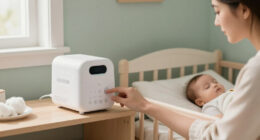
portable air conditioner for nursery
As an affiliate, we earn on qualifying purchases.
As an affiliate, we earn on qualifying purchases.
Safe, effective ways to cool your upstairs nursery without risking safety
Cooling a nursery safely means choosing options that won’t pose hazards for your little one. Here are the most practical methods:
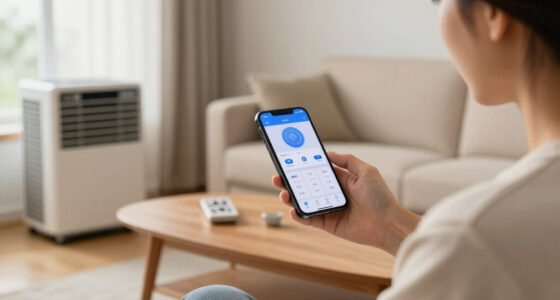
- Portable air conditioners: Compact, with adjustable thermostats, they can cool small spaces efficiently. Always ensure they have safety features like automatic shut-off and that cords are safely tucked away.
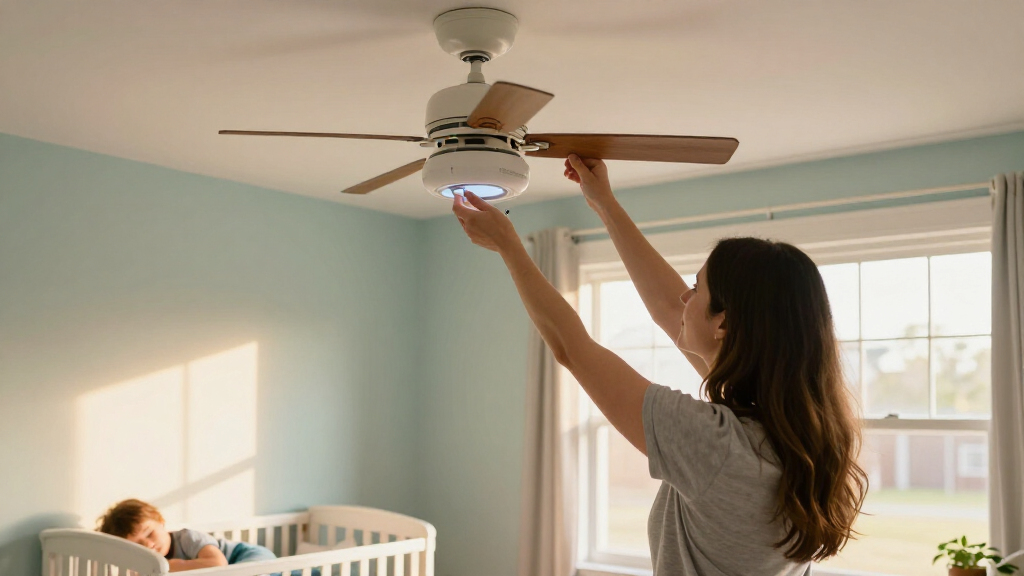
- Ceiling fans: A ceiling fan circulates air, making the room feel cooler. Set it to rotate counter-clockwise for a breeze, but keep it at a safe height and never point directly at your baby.
- Proper ventilation: Open windows during cooler parts of the day, or use cross-ventilation by opening windows on opposite sides to create a breeze. Just be mindful of outdoor air quality and noise.
- Window treatments: Reflective blackout curtains or thermal window films block heat from coming in. They keep the room cooler during peak sunlight hours without electricity.
For instance, a parent might install reflective window film on the west-facing window, reducing heat gain by up to 70%. Combining this with a ceiling fan during the night can keep the room comfortably cool without turning on the AC constantly.
As an affiliate, we earn on qualifying purchases.
Compare cooling options: which one is best for your nursery?
| Cooling Method | Pros | Cons |
|---|---|---|
| Portable AC | Quick, effective, adjustable temperature control | Noise, cord safety, energy use |
| Ceiling Fan | Circulates air evenly, energy-efficient | Doesn’t lower temperature directly, needs safe installation |
| Cross-ventilation | Natural, free cooling | Depends on outdoor conditions, noise, security |
| Window Treatments | Reduces heat gain, inexpensive | May block light, limited cooling effect |
reflective window film for nursery
As an affiliate, we earn on qualifying purchases.
As an affiliate, we earn on qualifying purchases.
How to set up the perfect cooling system in 3 simple steps
- Start with insulation and window treatments: Install reflective window films or blackout curtains to block heat.
- Choose your primary cooling device: Set up a portable AC or ceiling fan based on your room size and safety considerations.
- Optimize air circulation: Open windows during cooler parts of the day and use fans to promote cross-breeze. Regularly monitor the temperature with a reliable thermometer.
As an affiliate, we earn on qualifying purchases.
Monitor and adjust: keeping your nursery safe and comfy all summer
Once cooled, the key is ongoing monitoring. Use a digital thermometer to check the room’s temperature at baby’s sleeping level. Aim for 68-72°F, and adjust your cooling devices accordingly. Remember, humidity matters too—too dry or too moist can cause issues.
Set a routine: check the room temperature twice a day. If it creeps above 72°F, increase ventilation or lower the AC. If it drops too low, use a space heater or close curtains to retain heat. Staying attentive keeps your nursery safe and comfortable, night after night.
Frequently Asked Questions
Is it safe to leave a portable air conditioner running overnight in a nursery?
Yes, as long as it has safety features like an automatic shut-off and you follow manufacturer instructions. Place the unit on a flat, stable surface, keep cords out of reach, and ensure proper drainage if needed.
Can I use a ceiling fan in a nursery, and is it safe?
Ceiling fans are safe if installed properly and set to rotate at a safe speed. Avoid pointing the fan directly at your baby and ensure the blades are securely fixed. They help circulate air and reduce heat buildup.
What’s the best way to tell if my nursery is too hot?
Use a reliable thermometer to measure the room’s temperature at baby’s sleeping level. If it exceeds 72°F, it’s too warm. Look for signs like sweating or fussiness from your baby, and adjust cooling methods accordingly.
How do I prevent humidity from making the nursery uncomfortable?
Maintain humidity levels between 40-60% using a dehumidifier if needed. Proper ventilation and avoiding excess moisture from clothes or toys also help. This balances comfort and prevents mold growth.
Conclusion
Keeping a second-floor nursery cool isn’t about fancy gadgets—it’s about smart, safe choices. Think of your home as a mosaic of tiny solutions: reflective curtains, gentle fans, smart timing. When you combine them, you create a safe oasis for your baby, even on the hottest days. Remember, a cool nursery isn’t just comfort — it’s a safety measure. When you set up the right mix of passive and active cooling, you turn that overheated upstairs space into a peaceful, sleep-friendly zone.Fall Picks
fall essentials
As an affiliate, we earn on qualifying purchases.