
TL;DR

Turn the school run and nap time into listening time
- Thousands of audiobooks, podcasts and originals
- Listen on your phone, tablet or Echo — also offline
- Cancel anytime
Space heaters include safety features like tip-over switches, timers, and sensors that help prevent fires and accidents. Knowing how these work helps you pick safer models and operate them wisely, but they don’t replace cautious use.
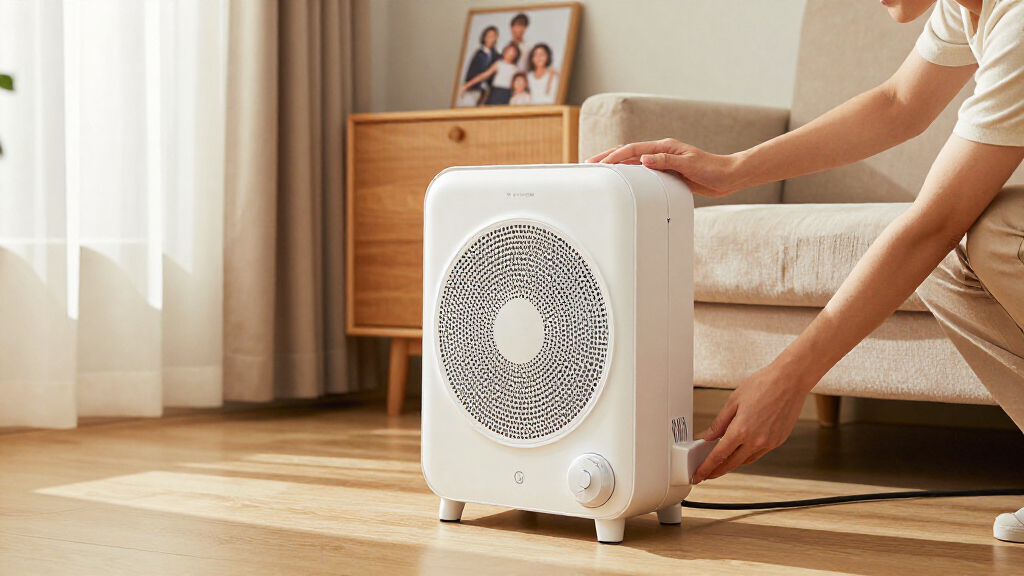
If you’ve ever caught yourself glancing nervously at a space heater in a nursery or living room, you’re not alone. These devices are cozy and effective, but they also carry risks. The good news? Advances in safety tech have made modern heaters smarter and safer. Understanding how tip-over switches, timers, and sensors work can help you pick the right model and use it responsibly. Think of these features as your home’s silent guards—running quietly in the background but critical to safety when it counts.
Today, we’re breaking down what these safety features do, how they work in real life, and what to look for when shopping for a heater. Whether you’re setting up a nursery or just want peace of mind, knowing these details helps you make safer choices that protect your little ones and your home.
Always verify that your space heater has a working tip-over switch that operates in multiple directions.
Use timers as an extra safety layer, but never rely on them to leave a heater unattended overnight.
Place heaters on flat, stable surfaces and keep combustible materials at least three feet away.
Regularly inspect cords, plugs, and housing for damage, and replace or repair as needed.
Prioritize certified models with independent overheat protection and strong safety certifications.
Space Heater Safety Features Decoded
Tip-over switches, timers and temperature sensors act as silent guards against specific hazards. Understanding what each one can—and cannot—do helps you choose a safer heater without mistaking technology for supervision.
How a tip-over switch interrupts danger
When a heater leaves its intended upright position, the switch should cut power to the heating element. The mechanism varies, but the safety objective is identical: stop active heating before contact with flooring, furniture or fabric becomes a fire.
Spring-loaded plunger
A base pin remains pressed while the heater sits on a hard, level floor. If the unit lifts or falls, the pin releases and opens the circuit. Thick carpet can interfere with contact.
Weighted tilt switch
A moving weight or ball changes position when the heater tilts beyond its operating angle. A good design responds when the unit falls in any likely direction.
Digital tilt sensor
An electronic component detects a change in orientation and signals shutdown. It can be precise, but still depends on sound circuitry, correct calibration and maintenance.
Timers reduce exposure—not responsibility
A timer can prevent a heater from running longer than intended, but it cannot see a blocked vent, damaged plug or blanket that has fallen nearby. Treat it as a secondary layer, never as permission to leave.
What a safer timer design should do
The best controls make their operating state obvious and fail toward shutdown. Power interruptions deserve particular attention: a heater should not restart unexpectedly when electricity returns.
Sensors watch heat, airflow and occupancy
“Temperature sensor” can describe several different components. Their location matters: they must detect hazardous heat buildup early without reacting only to harmless, localized temperature changes.
Thermistor
Continuously measures changing temperature so controls can regulate output or trigger shutdown. Useful for active monitoring.
Resettable controlThermal cutoff
Opens the circuit after extreme overheating. Some cutoffs reset after cooling; a thermal fuse usually requires repair or replacement.
Last-resort layerBlockage sensor
Detects restricted airflow or abnormal internal heat caused by obstructed vents. Not present on every model.
Air-path monitorWhat protection really promises
Marketing labels often sound broader than the protection they provide. Compare the actual function with the hazards that remain.
| Feature | Primary function | Helps with tipping | Helps with overheating | Important limitation |
|---|---|---|---|---|
| Tip-over switch | Cuts heat when orientation becomes unsafe | ✓ Yes | ~ Indirectly | Nearby materials may already be hot; response may not be instantaneous. |
| Overheat protection | Shuts down at an unsafe internal temperature | ✗ No | ✓ Yes | Cannot prevent every fault caused by wiring damage or poor placement. |
| Thermal fuse | Permanently opens the circuit during extreme heat | ✗ No | ✓ Yes | Usually requires service or replacement after activation. |
| Thermostat | Cycles heat to maintain selected room temperature | ✗ No | ~ Limited | May not be an independent emergency overheat device. |
| Timer | Stops operation after a selected period | ✗ No | ~ Reduces runtime | Does not make sleeping or unattended use safe. |
| Airflow sensor | Detects restricted airflow or abnormal heat buildup | ✗ No | ✓ Yes | Cannot detect every obstruction and is not fitted to every heater. |
| Cool-touch housing | Reduces accidental contact-burn risk | ✗ No | ✗ No | Grilles, outlets and nearby surfaces can still become dangerously hot. |
| Child lock | Prevents accidental control changes | ✗ No | ✗ No | Does not prevent burns, obstruction, unplugging or overturning. |
The five-point buying and operating check
Look for a recognized independent testing laboratory mark appropriate to your market.
Follow the manufacturer’s instructions for testing on a cool, stable, noncombustible surface.
Keep bedding, curtains, clothing, toys, paper and furniture outside the clearance area.
Avoid thick carpet and unstable furniture unless the instructions explicitly approve another setup.
Replace heaters with damaged cords, loose plugs, cracked housings or unreliable shutoffs.
Use a suitable outlet and follow the manufacturer’s electrical and circuit requirements.
Space-heater safety FAQ
Is tip-over protection required on every heater?
Requirements vary by heater type and local rules, but it is widely regarded as an essential feature—especially around children and pets.
Why does the fan run after the heater tips?
Some models briefly run the fan to cool internal parts. Check the manual. If heat continues or the fan runs abnormally long, unplug the unit when safe and remove it from service.
Can a timer make overnight use safe?
No. It shortens runtime but cannot prevent tipping, obstruction, electrical failure or nearby materials entering the heat zone.
Are ceramic heaters automatically safer?
No. Some have lower surface temperatures, but overall design, stability, safeguards, certification and correct use determine safety.
How should tip-over protection be tested?
Use only the manufacturer’s procedure. Let the heater cool, place it on a stable noncombustible surface and confirm the heating element shuts off at the specified tilt. Never operate it upside down or touch hot parts.
Safety technology is the backup plan. Flat placement, a three-foot clear zone, direct wall connection, routine inspection and active supervision remain the primary defenses.
How Tip-Over Switches Keep Your Space Heater from Turning into a Fire Hazard
Tip-over switches are the safety net that cuts power if your heater falls or tips too far. They’re usually a simple, mechanical device—like a spring-loaded plunger or a tilt sensor—that instantly shuts down the heater when tipped. Why does this matter? Because many fires caused by space heaters happen when the unit tips over onto flammable surfaces or furniture. By automatically cutting power, tip-over switches prevent the heater from continuing to heat in unsafe positions, reducing fire risk significantly.
Understanding their importance helps you appreciate why a heater without this feature is inherently more dangerous. Moreover, the design of these switches influences their reliability: a spring-loaded plunger that stays pressed against the floor might be more robust than electronic sensors that could malfunction due to dust or electrical issues. Testing the switch regularly ensures it’s functioning properly, which is crucial because a faulty switch gives a false sense of security. Proper placement—on a flat, stable surface—ensures the switch can do its job when needed, especially in homes with active children or pets who might accidentally knock over the heater.
In essence, tip-over switches are a critical safety feature that, if reliable and well-maintained, can drastically cut the chances of a fire caused by accidental tipping. Recognizing their role can influence your choice of heater and how you set it up for maximum safety.
As an affiliate, we earn on qualifying purchases.
Why Timers Are Good, But Not a Free Pass to Leave Heaters Unattended
Timers are designed to automatically turn off your heater after a set period, which can help prevent overheating and reduce energy waste. This feature is especially useful during sleep or when you leave the house, offering peace of mind that the heater won’t run all night or all day unattended. But why does this matter beyond convenience? Because relying solely on a timer can create a false sense of security. A timer doesn’t address other risks—such as a child pulling the heater over, airflow being blocked, or internal malfunctions—that can still cause fires or damage.
Moreover, a timer can sometimes malfunction or reset unexpectedly, especially during power surges or outages, which may lead to the heater restarting unexpectedly. This unpredictability underscores why timers should be viewed as an extra safety layer rather than a primary safeguard. Using timers in conjunction with active supervision ensures you’re not relying solely on technology to prevent accidents. Additionally, avoid using external smart plugs or extension cords unless explicitly approved by the manufacturer, as these can introduce electrical hazards that negate the benefits of a timer.
In summary, timers are helpful tools that reduce risk but aren’t foolproof. Responsible operation—like turning off the heater when not needed—is essential to truly keep your home safe.
electric space heater with safety timer
As an affiliate, we earn on qualifying purchases.
As an affiliate, we earn on qualifying purchases.
Sensors That Detect Overheating and Why They Matter
Space heater sensors act as internal safety monitors, constantly checking internal temperatures and airflow conditions. They include devices like thermal fuses, thermistors, and airflow sensors—each playing a vital role in preventing overheating. Why is their placement so important? Because a sensor’s effectiveness depends on where it’s located relative to heat sources and airflow pathways. For example, a sensor placed too close to a heat source might trigger prematurely if it detects a localized temperature spike, shutting down the heater unnecessarily. Conversely, a sensor placed too far from critical components might fail to detect dangerous heat buildup in time.
Properly positioned sensors provide layered protection: a thermal cutoff near the heating element prevents it from exceeding safe temperatures, while airflow sensors ensure vents aren’t blocked, which can cause internal temperatures to rise dangerously. When these sensors operate correctly and are strategically placed, they serve as early warning systems—shutting down the heater before small issues escalate into major hazards, like fires or component failures.
Understanding the types and placement of sensors helps you appreciate the complexity behind a heater’s safety system. It’s not just about having sensors but ensuring they’re positioned and maintained properly to act as effective safeguards against overheating.
certified space heater with overheat protection
As an affiliate, we earn on qualifying purchases.
As an affiliate, we earn on qualifying purchases.
Frequently Asked Questions
Is tip-over protection required on all space heaters?
Requirements vary depending on the heater and local regulations, but tip-over switches are widely regarded as an essential safety feature. They significantly reduce fire risk if the heater tips over, especially in homes with children or pets.
How can I test if the tip-over switch works?
Follow the manufacturer’s instructions. Usually, you can gently tilt the heater onto a stable, noncombustible surface, ensuring it’s cool and safe to handle. Confirm that the heater shuts off when tilted. Never operate a heater upside down or in a way that could damage the switch.
Why does my heater’s fan keep running after it tips over?
Some models keep the fan running briefly after the heat shuts off to cool internal parts. Check your user manual to see if this is normal. If the fan continues long after tipping, or if the heater still produces heat, unplug it immediately and have it inspected.
Can I leave a heater on overnight if it has a timer?
No. A timer reduces the runtime but doesn’t eliminate the risk of fire or malfunction. Always turn off the heater before sleeping or leaving the house, and follow the safety instructions provided.
Are ceramic heaters safer than coil or oil-filled models?
Ceramic heaters often operate at lower surface temperatures and include safety features like guards and automatic shutoffs. However, safety depends on overall design, stability, and certification—no heater is inherently safe just because it uses ceramic technology.
portable space heater safety features
As an affiliate, we earn on qualifying purchases.
As an affiliate, we earn on qualifying purchases.
Conclusion
Smart safety features are a huge step forward, but they’re only part of the picture. Proper placement, supervision, and regular checks remain your best defenses. Think of safety tech as your home’s quiet allies—always working, but never a substitute for your vigilance.
Next time you turn on a space heater, remember: safety starts with you. A little extra care now prevents a lot of trouble later—and keeps your home warm, cozy, and safe for everyone, especially the little ones.
Evergreen bestsellers Picks
bestsellers
As an affiliate, we earn on qualifying purchases.