
TL;DR

Turn the school run and nap time into listening time
- Thousands of audiobooks, podcasts and originals
- Listen on your phone, tablet or Echo — also offline
- Cancel anytime
Combo feeding households benefit from versatile gear that works for breast milk and formula. Using shared bottles, adapters, and storage solutions reduces clutter and streamlines feeding routines, especially when families can adapt to their baby’s changing needs.
Feeding a baby with both breast milk and formula doesn’t require a mountain of gadgets. Instead, it calls for smart choices in gear that can serve multiple purposes—saving space, money, and time. Imagine reaching for one bottle that works for expressed milk, formula, and even different caregivers. That’s the kind of simplicity combo feeding can offer when you pick the right tools.
In this guide, you’ll learn how to choose flexible, durable gear that pulls double duty. We’ll cover everything from bottles and nipples to storage and cleaning tools. The goal? Make feeding less complicated, more adaptable, and more affordable so you can focus on the best moments with your little one.
Choose bottles with interchangeable parts and multiple nipple flow options to adapt as your baby grows.
Use pump adapters that connect directly to standard bottles to save time and reduce spills.
Reusable storage containers and coolers keep milk safe and organized during busy days out.
Invest in cleaning tools that simplify hygiene routines, supporting safety and gear longevity.
Label everything clearly to ensure caregiver confidence and consistent feeding practices.
Combo Feeding Households: Gear That Pulls Double Duty
Breast milk and formula do not require two separate gear collections. A compact, modular setup can collect, store, prepare, transport, and serve feeds with fewer transfers, less washing, and clearer caregiver handoffs.
Interchangeable parts and multiple nipple flows let the same small bottle set adapt as feeding needs change.
A shared system may reduce the number needed compared with maintaining separate breast-milk and formula bottle collections.
Babies can prefer different nipple shapes, materials, and flows, so avoid committing to a large bundle too early.
Seven jobs, fewer single-purpose gadgets
Choose equipment for the number of tasks it can perform safely. The strongest setup is modular: the bottle stays constant while nipples, adapters, lids, and storage routines change around it.
Durable bottles
Use the same clearly marked, BPA-free bottles for expressed milk and prepared formula. Prioritize comfortable handling and widely available replacement parts.
Swappable nipples
Several flow options extend bottle life. Select flow from feeding behavior rather than relying only on the age printed on the package.
Pump adapters
When manufacturer-approved, an adapter lets milk move from pump to storage to feeding in the same container, reducing transfers and spills.
Leakproof containers
Food-safe reusable containers organize expressed milk or dry, pre-measured formula. Use liquid only in containers specifically designed to hold it.
Insulated cooler
Reusable ice packs support workdays, outings, and childcare drop-offs. Packing items together does not give milk and formula identical safe-use windows.
Cleaning station
A basin, bottle brush, dishwasher basket, and drying rack can clean bottles, nipples, pump parts, pitchers, and storage containers.
One container can move through the entire milk workflow
Direct compatibility reduces handling. Confirm every adapter, bottle, lid, and warming method is approved by the relevant manufacturer.
Use a secure, compatible pump-to-bottle adapter.
Clear identification supports safe caregiver decisions.
Follow current local guidance for storage limits.
Use paced, cue-based bottle-feeding.
Marketing check: “Breast-like” nipple shape does not guarantee easier switching. Bottle acceptance, suitable flow, caregiver pacing, and the baby’s individual response matter more than the label.
Where double-duty gear earns its space
Use this matrix to distinguish foundational gear from optional convenience appliances. Compatibility and safe cleaning matter more than collecting every available device.
| Gear | Breast milk | Formula | Travel | Cleaning impact | Buying verdict |
|---|---|---|---|---|---|
| Durable bottle set | ✓ Feed + store | ✓ Feed + measure | ✓ High value | ~ Routine wash | ✓ Essential |
| Pump adapter | ✓ Direct collection | ✗ Not for mixing | ~ Useful | ✓ Fewer transfers | ✓ If compatible |
| Leakproof containers | ✓ Portion storage | ✓ Dry pre-measure | ✓ Organized | ~ Reusable | ✓ Strong value |
| Insulated cooler | ✓ Cold transport | ✓ Prepared feeds | ✓ Core purpose | ~ Wipe clean | ✓ For days out |
| Cleaning station | ✓ Pump parts | ✓ Mixing gear | ✗ Home-based | ✓ High impact | ✓ Essential |
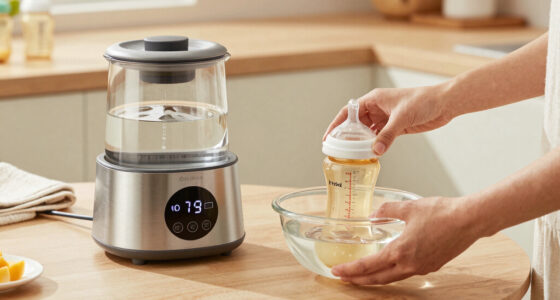
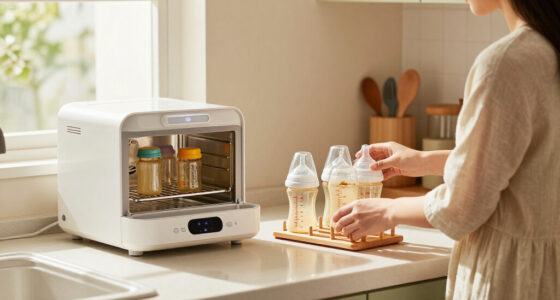
| Sterilizer-dryer | ~ Convenient | ~ Convenient | ✗ Bulky | ✓ Labor saver | ~ Optional |
| Formula pitcher | ✗ Formula only | ✓ Batch mixing | ✗ Limited | ~ Extra part | ~ Routine-dependent |
Always follow manufacturer directions and current local food-safety guidance. Premature, medically vulnerable, or very young infants may require additional hygiene precautions.
Versatility scorecard
Relative task coverage across feeding, storing, travel, and cleaning.
Read the baby, not the box
Flow selection should respond to feeding behavior.
Confidence follows a clear chain
Standardized bottles, written preparation instructions, labels, and pre-portioned supplies reduce guesswork across partners, relatives, and childcare teams.
Breast milk and formula can share gear, but their preparation, storage, and safe-use limits remain distinct.
Use a dishwasher basket for nipples, valves, and membranes, and confirm that every component is dishwasher-safe.
Feeding needs can change quickly. Add modules only after the baby’s preferences and household routine become clear.
Why a Flexible Bottle System Simplifies Combo Feeding
The foundation of any combo feeding setup is a bottle system that can handle both breast milk and formula seamlessly. Look for bottles with interchangeable parts, multiple nipple flow options, and widely available replacement components. This approach means you don’t need a different bottle for each task.
For example, a family I know started with a basic set of bottles that worked for expressed milk, then added a few slow-flow nipples. When their baby’s feeding pace slowed or sped up, they simply swapped nipples. This flexibility saved them money and kept their feeding routine smooth, even as their baby’s preferences changed.
Choosing the right bottle isn’t about fancy features. It’s about durability, ease of cleaning, and compatibility across feeding methods. A good rule of thumb: pick bottles that fit comfortably in your hand, have clear measurement markings, and are made from safe, BPA-free materials.
Deeply, this flexibility matters because babies grow and their feeding needs change rapidly. A bottle system that adapts reduces the need to buy new bottles constantly, saving money and reducing clutter. It also minimizes waste — fewer discarded bottles mean less environmental impact. The tradeoff is that you might need to invest in a slightly more versatile, possibly more expensive, initial set-up. But in the long run, this approach streamlines your routine and keeps your gear manageable.
multi-purpose baby bottles with interchangeable nipples
As an affiliate, we earn on qualifying purchases.
As an affiliate, we earn on qualifying purchases.
Interchangeable Nipples and Flow Options: Grow with Your Baby
Combo feeding means your baby’s needs can change fast. That’s where adjustable nipple flow comes into play. Start with slow or variable flow nipples, especially if your baby is new or still learning to bottle-feed. As they grow and get stronger, you can switch to faster flow options without changing bottles.
Here’s a quick tip: watch your baby’s feeding cues. Gulping, coughing, or pulling away might mean the flow is too fast. Conversely, fussiness or sucking for a long time could suggest it’s too slow. Having several flow options on hand lets you respond to these cues instantly.
Many brands now offer nipples that can be swapped easily, making it simple to adapt without buying new bottles. This adaptability means less waste and fewer trips to the store. The ability to change flow rates also allows you to tailor feeding to your baby’s developmental stage, which can support better feeding habits and reduce frustration for both of you. The tradeoff is that having multiple nipples can be an initial expense, but it pays off by extending the usability of each bottle and reducing the need for additional equipment.
Deeply, this flexibility helps you respond to your baby’s growth and preferences, fostering a more comfortable feeding experience. It also minimizes waste because you’re not discarding bottles or entire systems as your baby’s needs evolve. The key is choosing high-quality, easy-to-swap nipples that fit your bottles securely and are compatible across brands when possible.
breast milk and formula pump adapters
As an affiliate, we earn on qualifying purchases.
As an affiliate, we earn on qualifying purchases.
Pump-to-Bottle Adapters: Save Time and Minimize Spills
One of the biggest time-savers in combo feeding is using adapters that connect your pump directly to standard bottles. Instead of transferring milk from a collection cup or flange to another container, you pump straight into a bottle your baby can feed from.
Imagine the convenience: no extra transfer steps, fewer spills, and less washing. An adapter can turn your pump into a multi-purpose tool, letting you store, warm, and feed all from the same container.
For example, a mom I spoke with uses a pump adapter that connects her hospital-grade pump to her usual bottles. She pumps directly into bottles marked with measurement lines, then feeds her baby without pouring or transferring. This not only saves time but also reduces the risk of spills and contamination, which can be critical when managing multiple feeds and busy schedules. Over time, this method simplifies your routine and minimizes the chances of milk wastage or bacterial exposure caused by unnecessary transfers. The tradeoff is that you might need to buy compatible adapters or specific bottles, but the efficiency gained often outweighs this initial cost.
Deeply, this approach streamlines the entire process, making it easier to keep everything clean and safe while freeing up your time for other tasks or bonding moments. It also encourages a more organized storage routine, which is vital when managing multiple feeding types.
reusable baby milk storage containers
As an affiliate, we earn on qualifying purchases.
As an affiliate, we earn on qualifying purchases.
Reusable Storage Containers: Cut Waste and Keep Things Organized
Reusable, food-safe containers are a game-changer for storing expressed milk and prepared formula. They’re sturdy, easy to clean, and can be labeled for quick identification. Plus, they help cut down on disposable bags and bottles, making your setup more environmentally friendly.
Deeply, using durable containers allows you to pre-measure and store milk or formula in manageable portions, which can reduce waste and ensure freshness. For example, storing expressed milk in small, airtight glass or silicone containers means you can thaw only what’s needed, reducing waste and preserving nutrients. Similarly, pre-measured formula in labeled containers simplifies the process, especially when multiple caregivers are involved. This organization not only saves time but also minimizes the risk of mixing up supplies or using expired products. The tradeoff is that these containers require upfront investment and regular cleaning, but the benefits of organization, safety, and sustainability outweigh these costs in a busy household.
Deeply, well-organized storage supports a smoother routine and less stress. It also reduces reliance on single-use packaging, making your feeding setup more eco-friendly and cost-effective over time.
As an affiliate, we earn on qualifying purchases.
Insulated Cooler and Ice Packs: Keep Milk Safe on the Go
When you’re out and about, an insulated cooler with reusable ice packs makes all the difference. It keeps expressed milk, formula, and pump parts at safe temperatures, protecting your supply from spoilage.
Imagine dropping off a freshly pumped bottle at daycare—it’s still cold, fresh, and ready to use. Or packing a few bottles for a weekend outing without worrying about refrigeration. The cooler acts as a mobile fridge, maintaining the right temperature for several hours.
Deeply, using a high-quality cooler with ice packs allows for flexible feeding plans and reduces stress about spoilage or unsafe milk. It also minimizes the need for disposable ice packs and single-use cooling solutions, supporting sustainability. Keep in mind that the effectiveness depends on proper packing and monitoring of temperatures, especially in hot weather or long outings. The tradeoff is the added bulk of the cooler, but the peace of mind and safety it offers are well worth it.
Effective use of insulated coolers ensures your baby’s milk remains safe, whether you’re running errands or traveling for extended periods. This setup supports a more adaptable and worry-free feeding routine outside the home.
Cleaning Tools That Save Time and Prevent Cross-Contamination
Keeping bottles, pump parts, and accessories clean is non-negotiable. A good bottle brush, a wash basin, and a drying rack can make the job faster and more hygienic. When cleaning becomes straightforward, parents are more likely to stay consistent and safe.
Deeply, investing in quality cleaning tools and routines is crucial because bacteria and mold can develop quickly if items aren’t properly cleaned and dried. Using a dedicated basin or sink insert ensures thorough washing, while a drying rack promotes proper airflow for sterilized items. Regularly sanitizing with dishwasher-safe parts or boiling water further reduces risk. This not only safeguards your baby’s health but also prolongs the lifespan of your gear. The tradeoff involves time investment and initial costs, but the peace of mind from knowing your feeding equipment is clean and safe justifies it.
Deeply, consistent cleaning routines support overall hygiene and help prevent infections, making your entire feeding process safer and more reliable.
Smart Storage and Labeling for Caregiver Confidence
When multiple caregivers are involved, clarity and organization matter. Using labels, clear instructions, and pre-portioned supplies reduces mistakes and makes feeding more consistent. It’s reassuring to know everyone is on the same page.
Deeply, clear labeling and organized storage are vital because they prevent accidental feeding errors, such as giving the wrong milk or mixing up supplies, which can compromise safety. Pre-labeling bottles with the contents and date ensures freshness and helps caregivers quickly identify what’s needed. Using visual cues, like color-coded labels or charts, adds an extra layer of clarity, especially when caregivers aren’t familiar with your routines. The tradeoff is a bit of extra effort upfront, but the increased confidence and reduced stress make it worthwhile. Additionally, digital tools like QR-code labels or apps can help track feeding schedules and storage times, further enhancing confidence and reducing mistakes.
Deeply, organized labeling fosters caregiver trust and consistency, which is essential for your baby’s safety and well-being.
Making It All Work: Your Practical Combo Feeding Setup
The secret to a successful combo feeding routine is modular, adaptable gear that fits your lifestyle. Start small—test a few bottles, nipples, and storage containers—and expand as your baby’s needs evolve. Flexibility beats buying a one-size-fits-all kit.
For example, a family I know keeps a small kit: a couple of bottles, some nipples, a pump adapter, and a cooler. They can handle anything from a quick trip to a full day out without extra hassle. When your gear is compatible and easy to clean, it’s easier to stick with your routine and adapt on the fly.
Deeply, creating a versatile setup means you can respond to your baby’s changing needs without over-investing in multiple incompatible systems. It also reduces clutter and simplifies cleaning routines. The tradeoff is that you need to be intentional about selecting multi-use items, but the payoff is a smoother, less stressful feeding routine that can grow with your family.
Focus on simple, durable, and multi-purpose gear that makes combo feeding feel manageable, not overwhelming.
Frequently Asked Questions
Can the same bottle be used for breast milk and formula?
Yes. You can use the same bottles for expressed breast milk and formula, as long as you clean them thoroughly between uses. Remember to follow storage rules for each, and avoid mixing leftovers to prevent spoilage.
Does combo feeding cause nipple confusion?
Some babies may develop preferences, but nipple confusion isn’t automatic. Using slow-flow nipples, paced feeding, and avoiding rapid flow can help your baby accept both breast and bottle feeds without fuss.
Which bottle is closest to breastfeeding?
There’s no perfect bottle that mimics breastfeeding. Focus on a comfortable latch, manageable flow, and your baby’s acceptance. A bottle that’s easy to clean and that your baby readily accepts often matters most.
Do combo-feeding families need a bottle warmer?
Not necessarily. Many babies are fine with room-temperature or cool milk. A warmer is optional; if used, it must be operated carefully to avoid overheating or uneven warming.
Is sterilizing bottles necessary?
In many cases, thorough washing with soap and water suffices. Sterilization may be recommended for very young, premature, or medically vulnerable babies. Always follow local health guidance for your situation.
Conclusion
Smart gear choices turn combo feeding from a juggling act into a manageable routine. Versatile bottles, adapters, and storage solutions make life easier and more flexible, especially as your baby’s needs change. The key? Keep it simple, modular, and adaptable.
Picture yourself with a well-organized setup that works for both breast milk and formula, whether at home or on the go. That’s the kind of setup that gives you peace of mind—so you can focus on those precious moments with your baby rather than the clutter.
Halloween Picks
halloween
As an affiliate, we earn on qualifying purchases.