TL;DR

Turn the school run and nap time into listening time
- Thousands of audiobooks, podcasts and originals
- Listen on your phone, tablet or Echo — also offline
- Cancel anytime
Bottle warmers are faster, more precise, and safer for warming baby milk compared to traditional warm water baths. They are ideal for busy parents needing quick, reliable results, while water baths remain a simple, cost-effective option with more manual effort.
Waking up at 3 a.m. to warm a baby bottle can feel like an Olympic event. Is there a smarter way? Absolutely. Modern tech like electric bottle warmers can turn a stressful task into a quick, safe routine. But are they always better than the old-fashioned warm water bath? Not necessarily. Understanding when each method helps can save you time, nerves, and even nutrients in your baby’s milk.
This guide compares these two feeding helpers, highlighting their strengths, weaknesses, and the ideal situations for each. Whether you’re a new parent or seasoned caregiver, knowing what works best in different scenarios makes every feeding smoother.
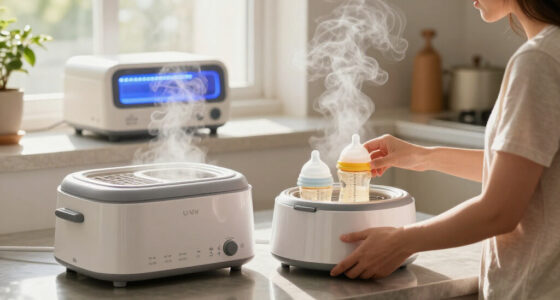
Electric bottle warmers heat milk faster—typically in 3-10 minutes—compared to warm water baths, which can take twice as long.
Precise temperature controls in warmers help preserve nutrients and prevent hot spots, making feeding safer.
For busy parents or travel, portable warmers with smart features simplify feeding routines.
Manual water baths still work, but require careful monitoring and patience—best for budget-conscious or traditional routines.
Latest tech in warmers offers remote control, alerts, and extended warming, but safety and common sense remain essential.
Bottle Warmer vs Warm Water Bath
When the tech helps—and when the simple method is enough. Compare speed, temperature control, safety, portability, cost, and the amount of attention each approach demands.
Convenience wins the night. Simplicity wins the budget.
A warmer reduces repeated setup and guesswork. A water bath remains entirely workable when time is flexible and the caregiver can stay attentive.
For speed and repeatability
Preset cycles, temperature regulation, alerts, and automatic shut-off make frequent or overnight feeds easier to reproduce.
Best: busy routinesFor low cost and occasional use
A bowl or basin and warm water are enough. The tradeoff is active monitoring, manual mixing, and a less predictable timeline.
Best: budget-first homesThe final temperature check
Swirl the milk gently and test a few drops before feeding. Equipment can help with consistency, but caregiver judgment still closes the loop.
Always: check before feedingWhere each method earns its place
The highlighted column shows why electric warmers become valuable when feeds are frequent, time-sensitive, or shared across caregivers.
| Decision factor | Bottle warmer | Warm water bath |
|---|---|---|
| Typical time | ✓3–10 minutes | ~Often 10–20 minutes |
| Temperature control | ✓Preset or digitally regulated | ~Depends on water and judgment |
| Attention required | ✓Lower with alerts and shut-off | ✗Needs active monitoring |
| Upfront cost | ✗Usually $30 to $100+ | ✓Little or no added cost |
| Power dependence | ~Outlet, battery, or charging needed | ✓Only a warm-water source needed |
| Travel use | ✓Strong with a portable model | ~Works if a suitable basin is available |
| Cleaning | ~Wipe and descale as directed | ~Wash and dry the basin after use |
Speed matters. Even warming matters more.
Overheating can reduce milk quality and create a burn risk. Consistent heating and a final check matter more than reaching an exact number.
Typical upper-end warming time
A safer feed is a connected process
The device or basin is only one link. Preparation, mixing, checking, and timely feeding all shape the result.
Prepare
Use a clean bottle and follow storage or formula-preparation guidance.
Warm
Select a suitable cycle or place the bottle in comfortably warm water.
Swirl
Gently redistribute heat throughout the milk before testing it.
Check
Test a few drops on the inside of the wrist, then feed promptly.
What the technology should—and should not—do
Smart features are useful when they remove uncertainty. They are less useful when they encourage milk to sit warm for extended periods.
Look for these warmer features
- 1Automatic shut-off to reduce unattended overheating.
- 2Temperature regulation or repeatable bottle-specific settings.
- 3Compatibility with the bottle shape, material, and milk type you use.
- 4Clear cleaning and descaling instructions for long-term performance.
For either warming method
- ✓Follow the bottle, warmer, formula, and milk-storage instructions.
- ✓Swirl instead of aggressively shaking, especially with breast milk.
- ✓Check the temperature immediately before offering the bottle.
- ✓Do not leave milk sitting warm longer than recommended.
- ✓Ask a pediatric professional about feeding needs specific to your baby.
Choose for the routine you actually have—not the gadget shelf you imagine.
A warmer helps most when…
- Feeds are frequent, urgent, or routinely happen overnight.
- Several caregivers need repeatable results.
- Temperature consistency reduces stress and rechecking.
- A portable power source is available during travel.
- Automatic shut-off offers meaningful peace of mind.
A water bath is enough when…
- Warming is occasional and a few extra minutes are manageable.
- The budget is tight or counter space is limited.
- Electricity is unavailable or device dependence is undesirable.
- A caregiver can monitor, swirl, and test throughout the process.
- A simple, familiar routine already works reliably.
Why Safety Matters More Than Speed in Warming Milk
Safety is the top priority when warming milk, especially for tiny tummies. Bottle warmers are built with features like automatic shut-off and precise temperature controls, preventing overheating. Overheated milk can destroy beneficial nutrients and even burn your baby’s mouth. Manual water baths require careful supervision to avoid hot spots or uneven warming, which can be risky.
Imagine filling a basin with warm water, then gently placing a bottle inside. Without temperature checks, parts of the milk might get dangerously hot, while others stay cold. An electric warmer, on the other hand, heats evenly and stops when the target temperature is reached. For busy mornings or middle-of-the-night feeds, that peace of mind is priceless.
Choosing a safer warming method reduces the risk of accidental burns and ensures the milk retains its nutritional integrity. The tradeoff is that electric warmers might be more expensive and require electricity, but the safety benefits often outweigh these costs, especially when caring for a vulnerable infant whose health depends on consistent, safe warming.
As an affiliate, we earn on qualifying purchases.
Speed and Convenience: Which Method Gets You There Faster?
When hunger strikes, every minute counts. Bottle warmers typically warm a bottle in 3 to 10 minutes, thanks to rapid heating elements and pre-set temperatures. This speed allows parents to respond swiftly to a crying baby, reducing stress and fussiness. The convenience of pushing a button and having warm milk ready is especially valuable during late-night feeds or when multitasking with other responsibilities.
Compare that to a warm water bath, which can take 10 to 20 minutes, depending on water temperature and volume. You need to fill the basin, wait for the water to reach the desired temperature, then carefully check if the milk feels just right. This process involves more manual steps and guesswork, which can be frustrating when you’re sleep-deprived or in a hurry. Over time, these small delays add up, making electric warmers a more efficient choice for busy parents who need quick, reliable results.
The tradeoff here is that water baths are inexpensive and don’t rely on electricity, but they require patience and careful monitoring. For those with tight schedules, speed and ease often outweigh the cost savings of manual methods.
As an affiliate, we earn on qualifying purchases.
How Precise Temperature Control Protects Your Baby’s Nutrition
Keeping milk at exactly body temperature—around 98.6°F or 37°C—is crucial for maintaining nutrient integrity and preventing hot spots that could scald your baby’s mouth. Bottle warmers excel here because they use digital controls and automatic shut-offs, ensuring the milk reaches and stays at a safe, consistent temperature. This precision means that the milk’s beneficial nutrients, like vitamins and antibodies, are preserved, supporting your baby’s immune development and overall health.
Warm water baths, while simple, depend heavily on your judgment. The water temperature can fluctuate, especially if it cools or heats unevenly, leading to inconsistent warming. For example, a parent might think the water is warm enough, only to find the milk still cold or dangerously hot after a few minutes. This inconsistency can compromise nutrition or cause discomfort, making manual control less reliable. The implication is that without precise temperature regulation, there’s a higher risk of either under-warming (which can lead to cold feeds) or overheating (which destroys nutrients and risks burns). Therefore, investing in a warmer with accurate controls can make a significant difference in safeguarding your baby’s health.
As an affiliate, we earn on qualifying purchases.
Travel and On-the-Go Warming: When Portable Tech Shines
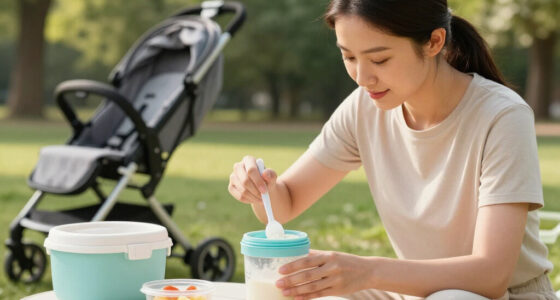
Traveling with a baby demands smart solutions. A compact bottle warmer designed for portability can fit into your diaper bag or stroller, allowing you to warm milk quickly at hotels, grandparents’ houses, or in the car. Some models even connect to smartphones via Bluetooth, enabling remote temperature monitoring and control—adding convenience and peace of mind. This tech integration minimizes the fuss and guesswork, especially when you’re managing multiple tasks or dealing with unpredictable environments.
Warm water baths, on the other hand, require finding a suitable sink or basin, filling it with warm water, and monitoring the temperature regularly. This process can be cumbersome and less predictable if water cools down or heats unevenly, especially when you’re outside your usual environment. The manual effort involved means more time and attention, which might not be feasible during busy outings or travel days. For parents who are frequently on the move, a portable electric warmer with safety features and smart controls offers a significant advantage, making feeding routines smoother and safer.
The tradeoff is that portable warmers generally cost more and require batteries or power sources, but their convenience and reliability often justify the investment for those frequently traveling or needing quick, consistent warming on the go.
As an affiliate, we earn on qualifying purchases.
Cost, Maintenance, and Long-Term Use
Electric bottle warmers tend to cost more upfront—ranging from $30 to over $100—but they offer consistent, hassle-free operation. They are designed for easy cleaning—usually just wiping with a damp cloth—and with proper care, can last for years, making them a cost-effective choice over time. Their durability and convenience justify the initial expense for many parents who prioritize safety and efficiency.
Warm water baths cost nothing in terms of equipment—just a basin and warm water—making them accessible for families on a tight budget. However, they require more effort: filling the basin, monitoring water temperature, and cleaning after each use to prevent mold or bacteria buildup. Over time, these manual routines can become time-consuming and less practical, especially if frequent warming is needed. The tradeoff is between the simplicity and low initial cost of water baths versus the speed, safety, and ease of electric warmers. For busy parents, investing in a dedicated warmer might be more economical in the long run, saving time and reducing risk. Conversely, those with limited resources or a preference for natural routines might accept the manual effort as a worthwhile tradeoff.
The Latest Tech: What’s New in Bottle Warming?
Modern bottle warmers are increasingly equipped with smart technology—like app control, temperature alerts, and rapid heating capabilities. Some models even sterilize bottles or keep milk warm for extended periods, offering a level of convenience previously unavailable. For instance, you can set your warmer remotely while attending to other tasks, or receive notifications when the milk reaches the ideal temperature. This integration of technology aims to streamline the feeding process, reduce guesswork, and enhance safety.
According to BabyUI, these innovations aren’t just about bells and whistles—they contribute to safer, more consistent warming that adapts to your busy schedule. They help prevent accidental overheating, ensure milk is served at the right temperature, and can even extend the warmth duration without reheating. However, it’s essential to remember that reliance on tech should complement, not replace, careful monitoring. The implications are that while these advancements can significantly improve convenience and safety, they also come with a higher cost and potential technical issues. Balancing tech with traditional safety checks remains key to optimal feeding routines.
When Do You Really Need the Tech? Real-Life Scenarios
Think about a typical early morning: you’re exhausted, the baby is hungry, and time is tight. A bottle warmer gets that milk to the right temp in minutes, reducing stress and making the process more predictable. It minimizes the guesswork involved in manual warming, which is especially helpful when sleep deprivation makes accurate temperature assessment difficult. Or imagine traveling: a portable warmer with app alerts and safety features ensures you can provide safe, warm milk without fumbling with basins or water, even in unfamiliar settings.
On the flip side, if you’re on a tight budget or prefer natural routines, warming a bottle in warm water remains a valid choice—just more hands-on and requiring more attention. It’s a matter of weighing convenience against cost and personal preference. The key is understanding your lifestyle, safety concerns, and how much effort you’re willing to invest. Both methods have their place, but technology often offers a better balance of speed, safety, and ease for modern parents.
What Do Parents Say? Common Questions Answered
- Are bottle warmers safe for all bottles and milk? Most are, but always check manufacturer instructions. Compatibility varies by brand and type. It’s important to ensure that the materials used are BPA-free and designed for the specific temperature ranges to prevent chemical leaching or damage to the bottles. Reading reviews and manufacturer guidelines can help you select a model that safely accommodates your bottles and milk types, including breast milk and formula.
- How long does warming take? Warmers usually take 3-10 minutes; water baths can take 10-20 minutes, depending on starting water temperature. Longer warming times increase the risk of nutrient loss and bacterial growth, especially if the milk cools after warming. Efficient warmers help you serve milk promptly, reducing the window for bacterial proliferation and preserving nutrients better.
- Can I warm breast milk with these methods? Yes, but avoid overheating. Gentle warming to body temperature (around 98.6°F or 37°C) preserves nutrients and antibodies, supporting your baby’s immune system. Overheating can destroy these valuable components, so precise temperature control is critical when handling breast milk.
- Are energy-efficient models available? Modern warmers often incorporate energy-saving features like auto shut-off and sleep modes, reducing electricity use. This is especially relevant for families using warmers frequently, as it can lower utility bills and environmental impact.
- What safety features should I look for? Automatic shut-off, BPA-free materials, and precise temperature controls are essential. These features help prevent overheating, burns, and chemical exposure, ensuring that warming routines are safe and reliable.
Frequently Asked Questions
Is it safe to leave a bottle warming unattended?
It’s best to stay nearby while warming bottles, especially with warm water baths. Electric warmers with automatic shut-off are safer, but always double-check the milk’s temperature before feeding.
Can I use hot tap water for warming?
Hot tap water isn’t recommended because it can contain minerals or contaminants. Use warm, clean water or a designated water source for safety and consistency.
What if I forget to turn off the warmer?
Many modern warmers have automatic shut-off; if yours doesn’t, set a timer or check frequently to prevent overheating and conserve energy.
How do I clean my bottle warmer or basin?
Follow manufacturer instructions. Usually, wiping with a damp cloth and mild soap suffices. Avoid abrasive cleaners that could damage safety features or materials.
Conclusion
Choosing between a bottle warmer and a warm water bath boils down to your lifestyle and safety priorities. Modern electric warmers, especially with smart features, offer quick, reliable, and safe heating—perfect for hectic mornings and on-the-go feeds.
Remember, no matter what tool you pick, always check the milk’s temperature before feeding. That small step keeps your baby safe and happy—and makes your life a little easier during those middle-of-the-night moments.
Cold & flu season Picks
humidifiers
As an affiliate, we earn on qualifying purchases.